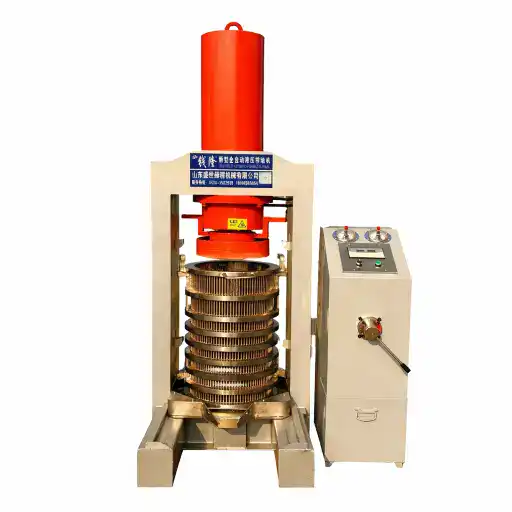
27 kW electric oilseed steamer
Prepare a controlled hot-press batch before hydraulic pressing
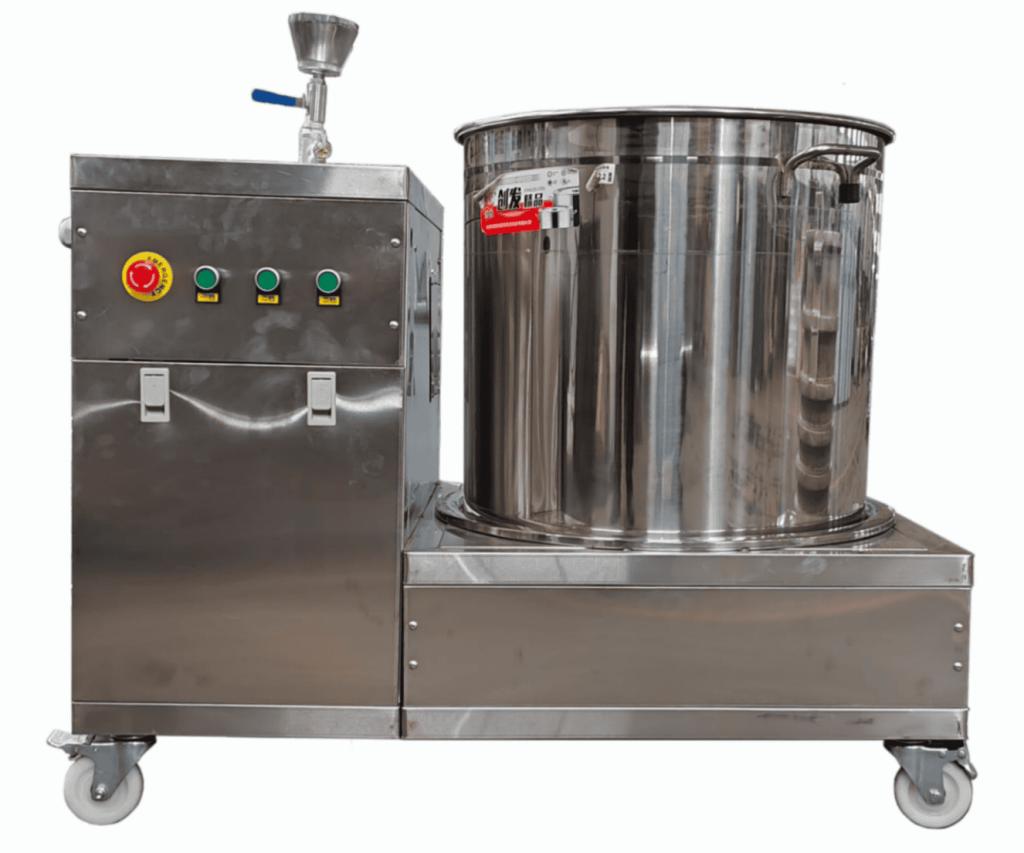
This upgraded electric steamer heats prepared oilseed with steam before it enters a batch hydraulic press. Its source-described double-tank arrangement separates heating in the main tank from water replenishment through an auxiliary negative-pressure tank.
Position in the production line
Place steaming after size reduction and before hot pressing
The steamer is a preparation machine, not a complete oil line. Feed form, batch size, steaming condition, press loading, and downstream filtration must be planned as one sequence.
Use it only where the selected process calls for steaming
Cold-press projects normally omit this heating stage. Confirm the oilseed, desired flavor and product route, incoming moisture, particle size, and target condition before specifying a steamer.
Source-described construction
Double-tank water handling with staged electric heating
The current product page identifies the following design points. Confirm the final material list, electrical components, fittings, and supplied accessories in the technical quotation.
Main heating tank
The thickened main water tank provides the heating function and is described as having a larger water capacity than the previous model. The page identifies both water tanks and the connecting pipes and fittings as 304 stainless steel.
Auxiliary water tank
A separate negative-pressure tank handles water replenishment. The float is independently installed and has a dedicated quick-repair access port.
Three heating levels
The electrical control is source-listed with 9, 18, and 27 kW heating selections, plus an emergency-stop switch and a quick-opening inspection port. The source also describes a water-and-electricity separation arrangement.
Split pot arrangement
The pot body separates for discharge and sits directly in the water basin. The source describes a simple seal intended to limit steam escaping around the interface.
Published specification
Use the current values as a quotation checklist
These figures reproduce the live page. Capacity and cycle time depend on the oilseed, feed preparation, batch loading, steam condition, and operating method.
| Parameter | Source-listed value | Buyer confirmation |
|---|---|---|
| Total power | 27 kW | Confirm voltage, frequency, phase, cable, breaker, and local installation requirements. |
| Heating selections | 9 / 18 / 27 kW | Confirm how the three levels are selected and controlled. |
| Maximum processing capacity | 100 kg per batch | Verify the practical batch for the actual oilseed and prepared feed form. |
| Published steam-and-discharge reference | 7–10 minutes | Request the test material, starting condition, and timing basis. |
| Pot body | 600 mm diameter; 600 mm deep | Confirm usable volume and compatibility with the press-loading method. |
| Total height | 1550 mm | Confirm the assembled-height drawing and required discharge clearance. |
| Equipment dimensions | 1105 x 700 x 1080 mm | Confirm the order of dimensions and the difference from the separately listed total height. |
| Approximate weight | 54 kg | Confirm shipping weight and handling points. |
| Steamer material | 201 stainless steel | Confirm which pot, frame, and contact surfaces this row covers. |
| Water-system material | 304 stainless steel tanks, connecting pipes, and fittings | Confirm the final component-level material schedule. |
Two source details need written clarification
The page separately lists a total height of 1550 mm and equipment dimensions ending in 1080 mm. It also states a 7–10 minute steam-and-discharge cycle in the feature section but later mentions 15–30 minutes for peanut and rapeseed field use. Ask for the final drawing and a material-specific test basis before balancing the line.
Material and line matching
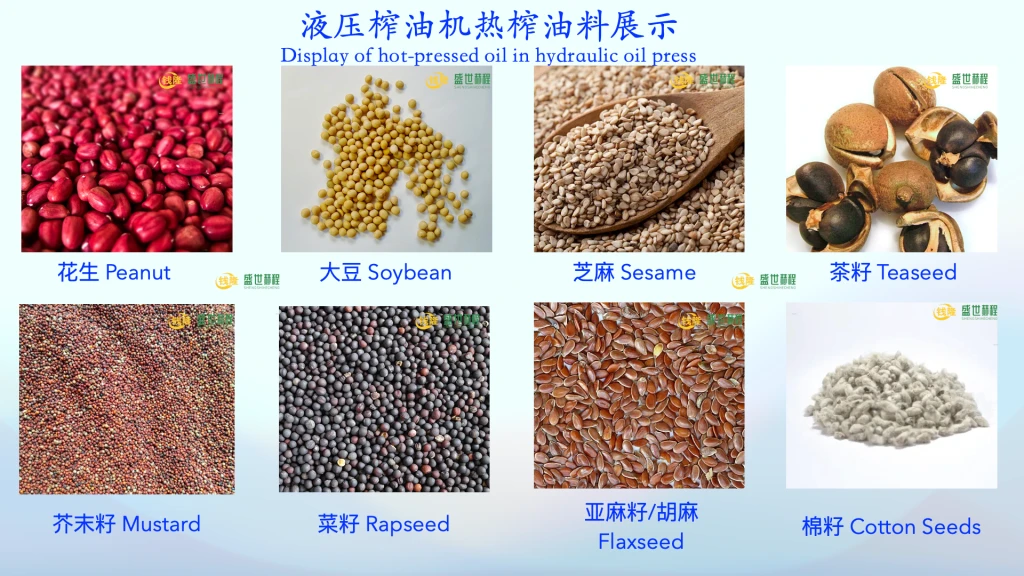
Confirm the prepared material, not only the raw seed name
The same nominal batch weight can behave differently after crushing, moisture adjustment, and heating. A useful proposal should identify the material condition entering the pot and the condition required at discharge.
- Oilseed type, variety, cleanliness, moisture, and sample photos
- Whole, cracked, granular, powdered, or otherwise prepared feed
- Required batch weight and the press barrel it must supply
- Target steaming condition and acceptable holding time before pressing
- Number of presses, operating schedule, and material-transfer method
Workshop video
Review the physical machine before discussing the layout
The existing workshop footage shows the upgraded steamer. Use it to discuss loading height, pot removal, discharge direction, operator access, water connections, and the path to the hydraulic press.
Operation and utilities
Plan the electrical and water services around the work sequence
- Confirm the site supply for a 27 kW electrical load and the required protection devices.
- Specify water quality, inlet arrangement, drainage route, and scale-management plan.
- Allow safe access for loading, pot removal, discharge, and emergency-stop operation.
- Keep the transfer route short enough to preserve the selected hot-press condition.
- Request startup, shutdown, low-water, inspection, and fault-response instructions.
Cleaning and maintenance
Use the added drain and float access points
- Drain and clean both water tanks according to the supplied maintenance procedure.
- Inspect the float, replenishment function, hoses, pipe fittings, seals, and electrical enclosure.
- Remove scale at an interval matched to the local water quality.
- Confirm replacement float, seal, heating element, switch, and control-component part numbers.
- Record the material of every product-contact and water-contact component in the order.
Related equipment
Complete the preparation, pressing, and clarification route
Match the 27 kW steamer to the oilseed and press schedule
Send the oilseed, prepared feed form, intended batch, press model and barrel, operating hours, local electrical supply, water conditions, workshop dimensions, and destination country.