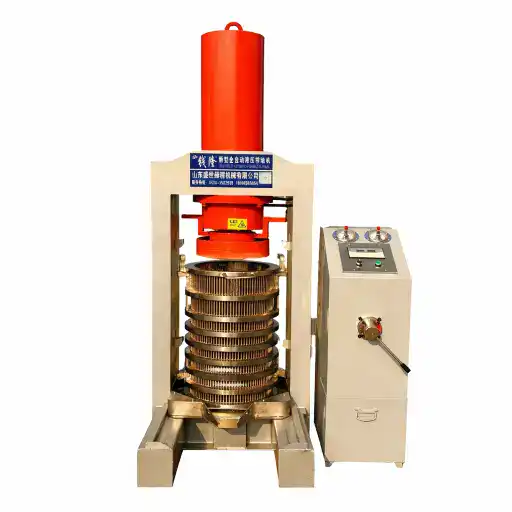
Wet grinding for cocoa liquor
Reduce prepared cocoa nibs into a pumpable mass before butter pressing
The cocoa nib grinder is a colloid mill using a rotor-and-stator grinding zone. It receives cleaned cocoa nibs after roasting and winnowing, then produces cocoa liquor for transfer or hydraulic pressing. It is not a dry cocoa-powder mill.
Machine function
Control flow, gap, passes, and product temperature together
Prepared nibs move through a narrow adjustable gap between a rotating rotor and fixed stator. Shear, friction, and recirculation reduce the material while natural cocoa butter helps the mass become fluid.
- Input: shell-controlled cocoa nibs with no hard foreign material
- Output: cocoa liquor or mass, not finished cocoa powder
- Key variables: feed size, temperature, gap, pass count, viscosity, and cooling
- Acceptance: agreed particle-size, texture, flow, and temperature test
Application boundary
Do not mix cocoa-liquor grinding with dry cake milling
This page
Wet or semi-fluid nib grinding
Roasted nibs are reduced until the released cocoa butter carries the solids as cocoa liquor. The mill may discharge after one pass or use a controlled recirculation route.
- Shell-controlled nib feed
- Rotor-stator wet grinding
- Liquor holding and transfer
- Temperature and cleaning control
Separate downstream stage
Dry cocoa press-cake grinding
After butter pressing, cooled cake is pre-crushed and milled through a selected screen. That dry size-reduction duty requires different equipment and dust control.
- Cooled or conditioned press cake
- Coarse crushing before fine milling
- Screen and powder classification
- Dust, heat, and packaging controls
Operating sequence
Prepare the nibs before closing the rotor-stator gap
Source-listed JM references
Capacity and mesh values need one controlled cocoa test
The current page lists three JM models. It does not define nib preparation, liquor temperature, viscosity, number of passes, motor speed, cooling conditions, or the method used to convert a cocoa result into a mesh value.
| Model | Source-listed capacity | Source-listed fineness | Power | Weight |
|---|---|---|---|---|
| JM-80 | 70–100 kg/h | 80–100 mesh | 4 kW | 210 kg |
| JM-110 | 100–200 kg/h | 80–100 mesh | 7.5 kW | 280 kg |
| JM-130 | 400–600 kg/h | 80–100 mesh | 11–15 kW | 400 kg |
The page does not identify the exact physical arrangement
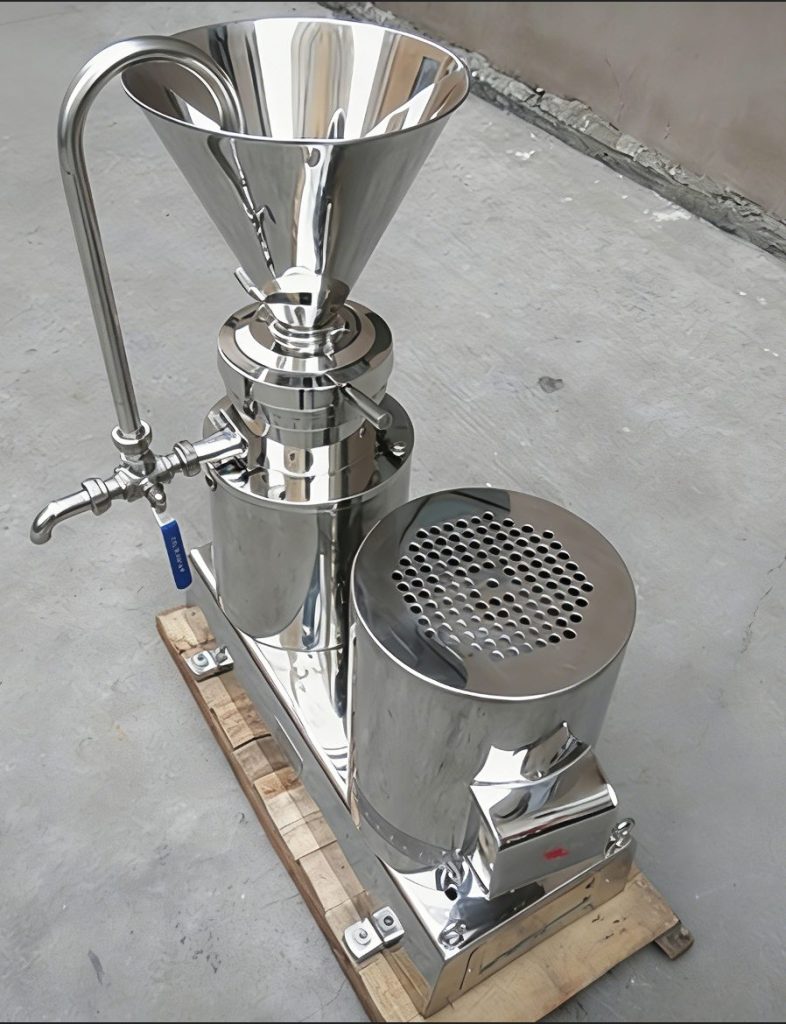
The hosted image shows a split-type full-stainless colloid mill, while the table uses generic JM model codes. Confirm whether the quotation is horizontal, vertical, or split-type, and reconcile the model with one revision-controlled datasheet.
Product and equipment controls
Define the liquor result and every wetted component
| Decision | What to specify | Why it matters |
|---|---|---|
| Feed condition | Nib size, shell content, moisture, temperature, pre-grinding, and foreign-material control. | Determines whether the material enters the gap without blockage or damaging the grinding surfaces. |
| Product endpoint | Particle-size method, texture, viscosity, temperature, pass count, and sampling point. | Prevents an undefined mesh claim from becoming the acceptance test. |
| Contact path | Hopper, rotor, stator, chamber, seal, outlet, return pipe, valves, and hose materials. | The source says stainless steel but does not publish grade, finish, or certificates. |
| Temperature control | Cooling-water supply, inlet and outlet temperatures, maximum liquor temperature, and alarm method. | Grinding heat changes viscosity and can alter the downstream pressing condition. |
| Cleaning | Drainability, disassembly, retained product, cleaning chemicals, rinse verification, and changeover. | Cocoa liquor can set in dead legs and seals when shutdown is poorly planned. |
Connected cocoa stages
Link clean nib preparation to liquor pressing
Select the cocoa mill from a real nib sample
Send nib condition, shell level, required liquor test, hourly flow, pass strategy, temperature limit, cleaning method, utilities, layout, and destination.