Sunflower oil line planning
Choose the hot-press or cold-press route before sizing the line
Sunflower seed can follow either a conditioned hot-press route or a direct cold-press route after crushing. The right proposal must balance preparation, batch pressing, oil filtration, cake handling, storage, and optional filling around the same operating schedule.
Route selection
Preparation changes with the finished-oil target
Both routes start with cleaned sunflower seed and controlled crushing. Hot pressing adds roasting or steam conditioning before the press; cold pressing omits that thermal preparation and needs a dedicated cold-press configuration.
Conditioned feed
Sunflower hot-press route
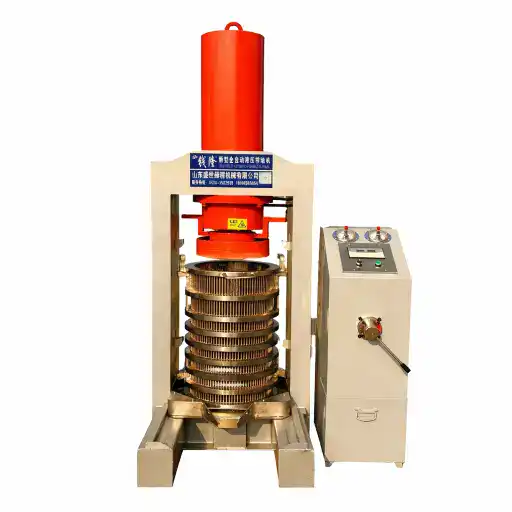
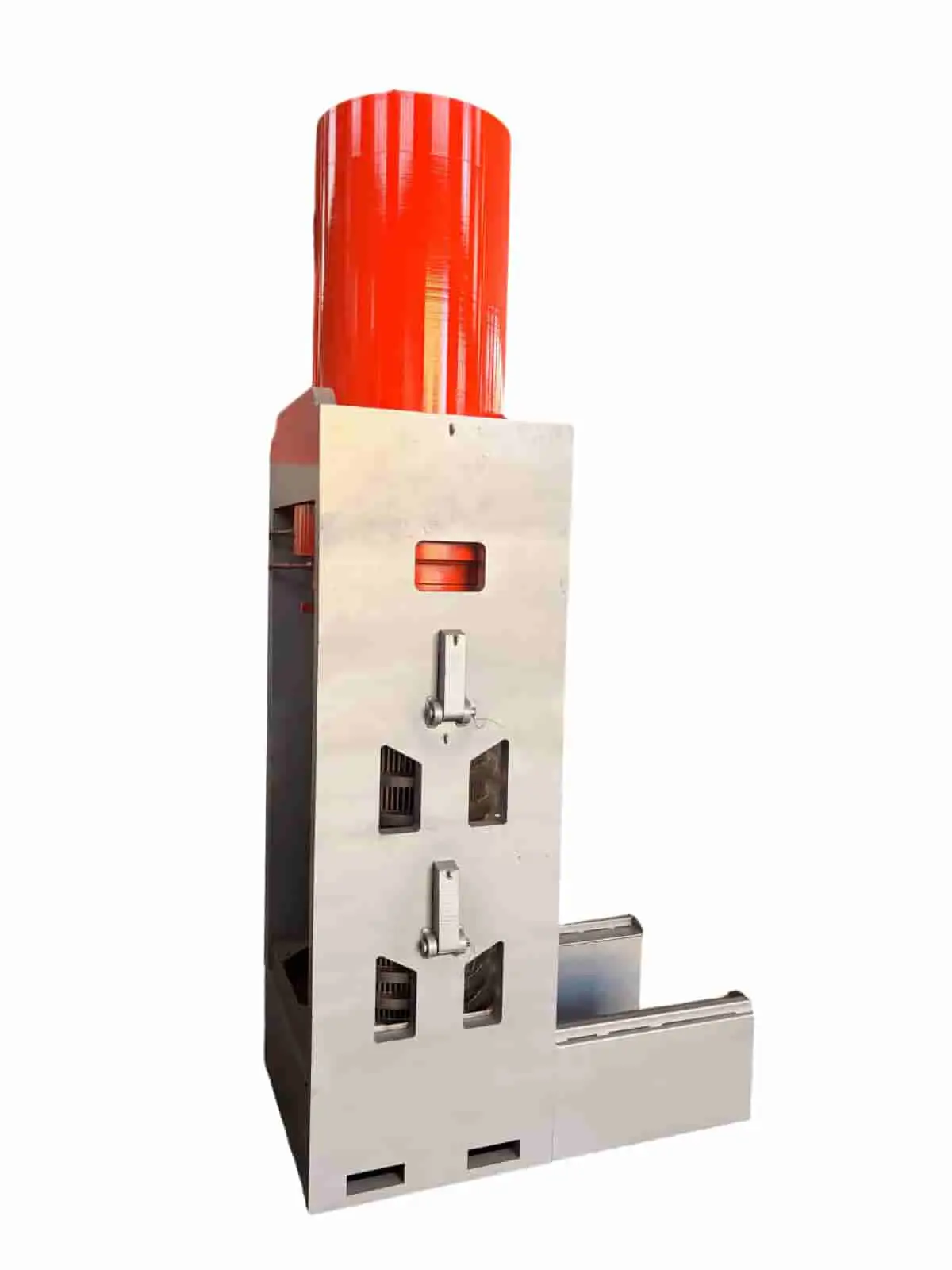
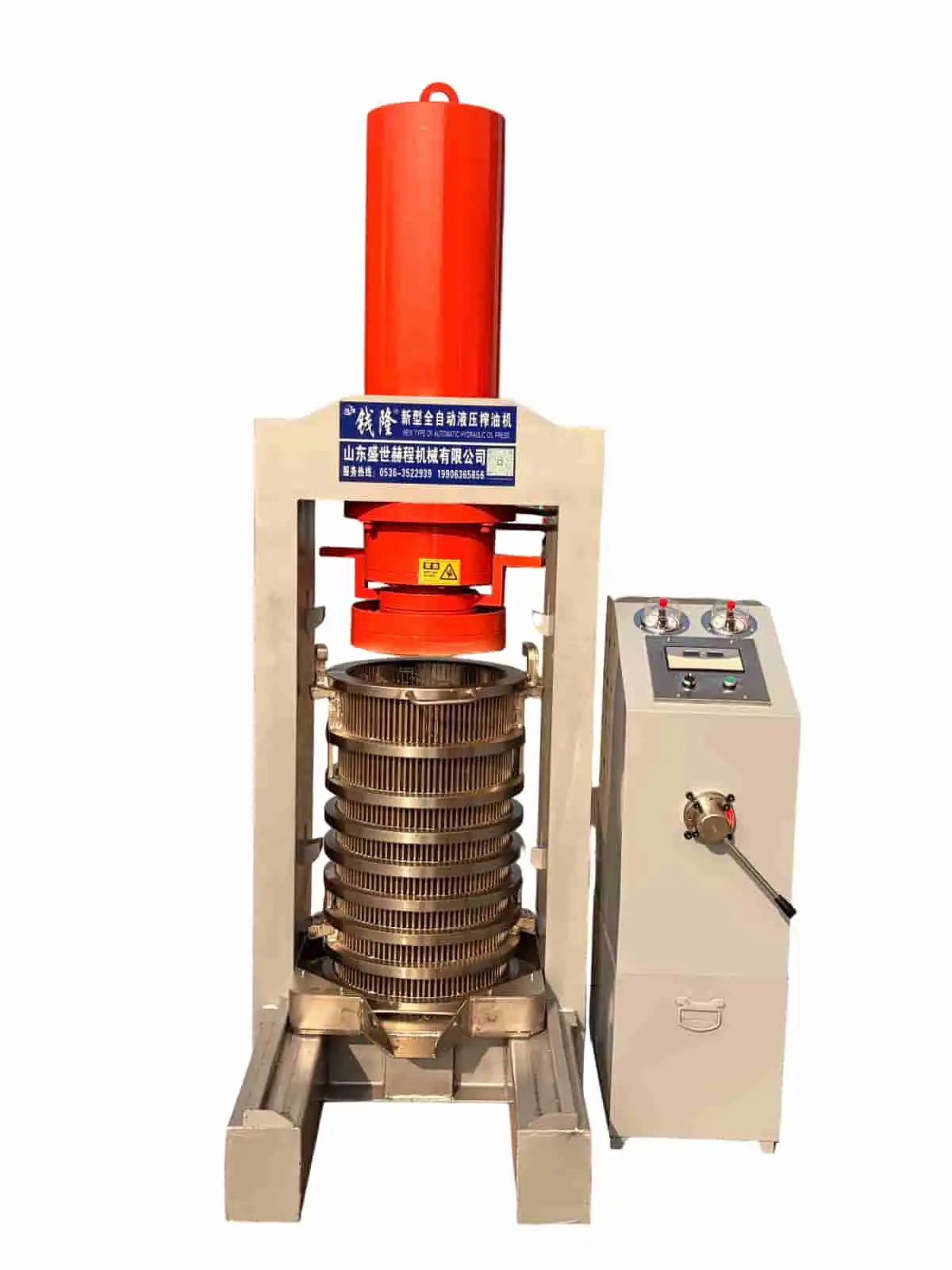
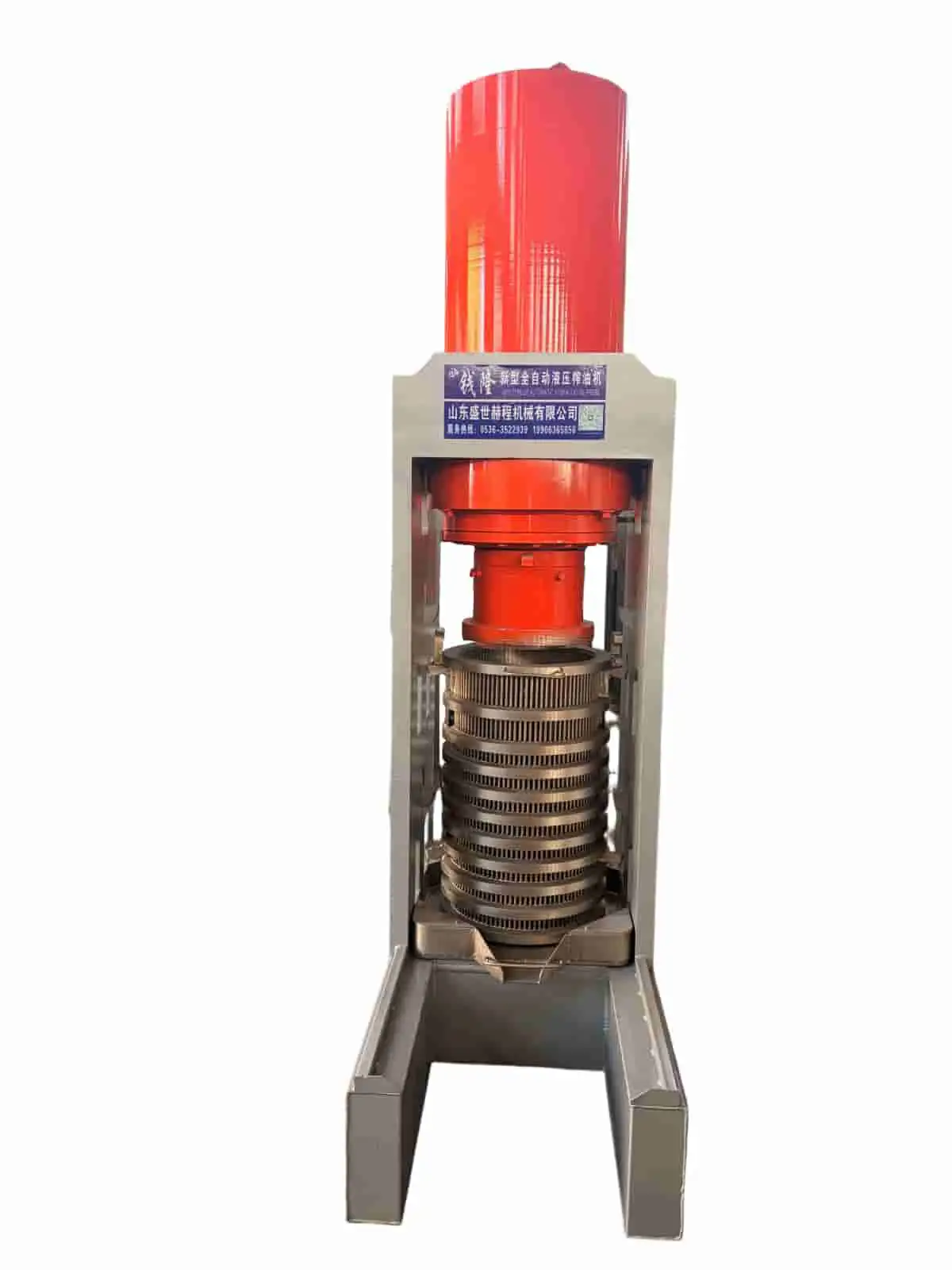
Crush the seed, condition it with the selected heating equipment, then load a Model 325 hydraulic press. This route is planned around the 390 mm by 800 mm barrel shown on the current sunflower page.
- Inspect and clean the incoming sunflower seed
- Crush with the pre-press machine
- Roast or steam-condition the crushed material
- Press in batches with the Model 325
- Clarify the oil and collect the discharged cake
Direct after crushing
Sunflower cold-press route
Move crushed sunflower seed directly into a machine from the 355-500 cold-press family. Filtration, clean storage, cake handling, and packaging remain part of the complete line even though the roasting stage is removed.
- Confirm seed cleanliness, moisture, and particle size
- Crush to the feed form agreed for the selected barrel
- Omit the roasting and steaming stage
- Use a dedicated hydraulic cold-press model
- Filter the oil before storage or filling
Practical process flow
Keep every stage tied to the selected pressing route
The thermal-conditioning stage belongs only to the hot route. The remaining preparation, pressing, filtration, oil storage, cake handling, and packaging decisions apply to both.
Published planning references
Use the current figures to start the discussion, not to promise output
The values below come from the existing sunflower page. Actual line balance depends on seed variety, moisture, preparation, loading, cycle settings, operator rhythm, and the selected filtration and filling scope.
| Line stage | Current-page reference | How to use it |
|---|---|---|
| Pre-press crushing | About 500 kg of sunflower seed per hour | Confirm against the actual seed condition, particle-size target, and duty cycle. |
| Hot-route conditioning | Roughly 100 kg per heating unit per cycle | Select the heating method and unit count around the press-loading schedule. |
| Model 325 hot press | Up to 100 kg crushed material in the listed 390 x 800 mm barrel | Treat this as the published maximum reference; confirm practical loading by material test. |
| 355-500 cold-press family | 390 x 800 mm barrel with a source-listed 5-100 kg press-volume range | Higher model force does not by itself establish a larger batch or faster cycle. |
| Downstream | Pneumatic paper filtration, food-grade storage, cake handling, and optional filling | Match these sections to the oil leaving all presses during the planned shift. |
Cycle time requires confirmation
The current sunflower page and the dedicated hot- and cold-press product pages present different cycle-time references. The proposal should therefore state the test material, pressing hold, feeding and unloading allowance, and whether the quoted time covers one barrel or a full operating sequence.
Model 325 reference
Source-listed hot-press machine data
These values are reproduced from the existing sunflower page. Confirm the final voltage, barrel configuration, drawing, supplied accessories, and hydraulic-fluid requirement in the technical quotation.
| Item | Published value | Project check |
|---|---|---|
| Model | 325 hydraulic oil press | Confirm hot-press barrel and partition arrangement. |
| Total pressing force | 325 tons | Compare with the selected barrel and material. |
| System pressure | 60 MPa | Confirm set points and safety controls. |
| Motor power | 2.2 kW | Confirm voltage, phase, and frequency. |
| Published power supply | 380 V / 50 Hz / 3 phase | Electrical build must match the destination. |
| Oil cylinder | 325 mm outer / 260 mm inner; 27SiMn steel | Request the final machine drawing. |
| Barrel | 390 mm diameter x 800 mm high | Confirm practical sunflower loading by test. |
| Maximum feed reference | 100 kg crushed sunflower per batch | Not a guaranteed working load for every seed condition. |
| Equipment weight | 1.4 tons | Confirm shipping and foundation data. |
| Hydraulic oil reference | No. 46 anti-wear hydraulic oil, approximately 90 kg | Confirm approved local grade and fill quantity. |
Buyer configuration checklist
Information needed to turn the route into a workable proposal
- Sunflower variety, kernel or whole-seed condition, cleanliness, and moisture
- Hot pressing or cold pressing and the required finished-oil characteristics
- Raw-material target per shift or day and planned operating hours
- Heating or steam utilities available for the hot route
- Required oil clarity, storage volume, and further refining scope
- Pressed-cake destination and whether pulverizing is required
- Bottle or container format and filling automation level
- Workshop dimensions, power supply, and destination country
Ask for a material test when recovery matters
Sunflower variety, hull content, moisture, crushing, and thermal conditioning can change oil flow and cake behavior. Send representative seed photos or a sample and define the required oil and cake condition before fixing the number of presses.
Pressed cake can be collected for its planned use or routed through an oil cake pulverizer when smaller material is required.
Related equipment
Continue the sunflower line specification
Configure the sunflower line around the actual seed and process route
Send the material condition, hot or cold preference, daily input, operating hours, finished-oil target, workshop dimensions, utilities, packaging plan, and destination.