Tank-bottom oil residue processing
Configure the Model 325 line around a known vegetable-oil or animal-fat sludge
The published route uses steam conditioning and batch hydraulic pressing for residues collected from edible-oil or animal-fat tanks. Material identity, moisture, solids, temperature behavior, contaminants, and the required outlets must be confirmed before this process is selected.
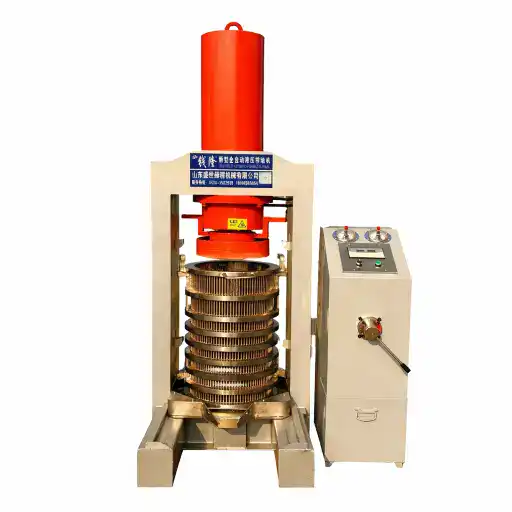
Core machine
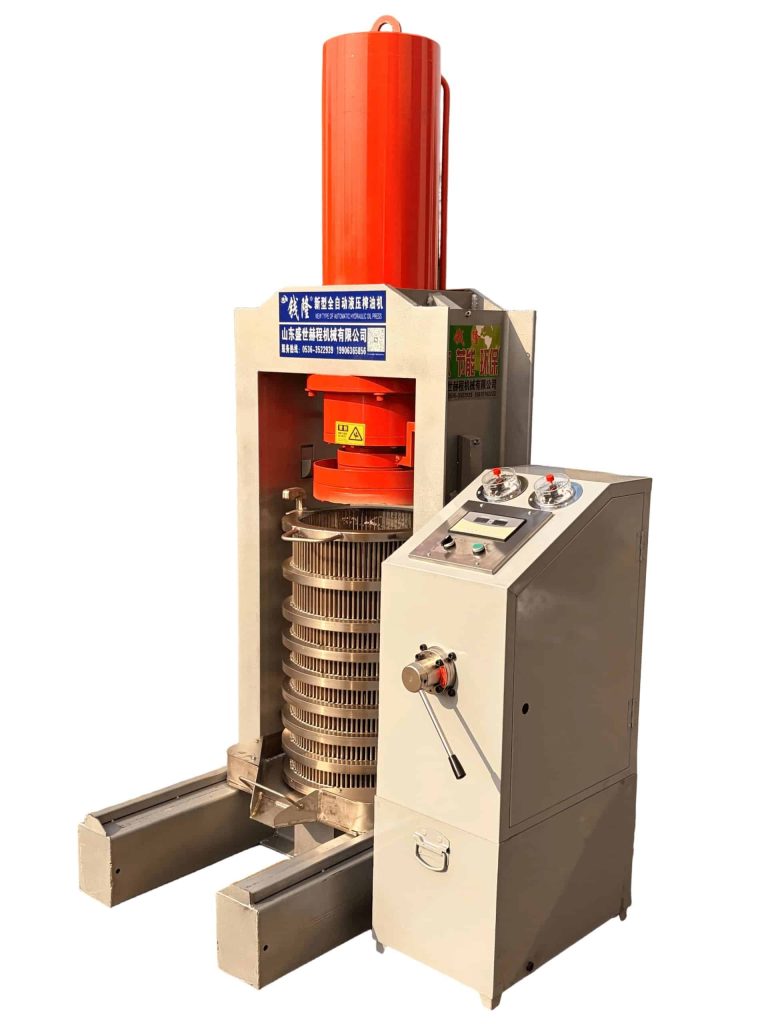
Static hydraulic pressure for a conditioned, semi-solid feed
Tank-bottom residue is not handled like a clean oilseed. The source process first conditions the material with steam, then loads it into a Model 325 batch press so expressed liquid can drain while a compact residue remains.
- Source-listed maximum load reference: 100 kg per batch
- Source-listed pressing reference: 1–2 hours per batch
- No roasting stage in the published route
- Actual loading and cycle depend on composition, moisture, temperature, and drainage behavior
Feedstock qualification
Use the line for a defined oil-processing residue, not for every material called sludge
The current page names vegetable-oil and animal-fat tank-bottom residues. Petroleum, chemical, solvent-bearing, or otherwise hazardous sludge is outside that assumed basis unless separately reviewed and accepted in writing.
Published application family
Vegetable-oil and animal-fat tank bottoms
Candidate materials include residues from peanut, soybean, rapeseed, sunflower, cottonseed, palm, mixed vegetable oils, and known animal-fat processing streams.
- Traceable source and production history
- Known oil, water, gums, sediment, and solid-impurity profile
- Compatible temperature and pumping or loading behavior
- Defined downstream destination for liquid and pressed solids
Not assumed suitable
Petroleum, chemical, or unknown sludge
Do not use the food- or fat-residue process description as approval for refinery petroleum sludge, solvents, reactive chemicals, heavy-metal contamination, or unknown mixed waste.
- Provide SDS documents and a representative laboratory analysis
- Identify flash point, volatile compounds, metals, and regulated substances
- Confirm transport, hazardous-area, and waste-treatment requirements
- Obtain a separate engineered process decision
Reference process flow
Steam the qualified residue, then press and separate the outlets
The source page describes steaming rather than seed roasting. Pretreatment should make the material loadable and improve liquid movement without assuming a fixed recovery result.
Published operating references
Use the source values to plan a trial, not to promise daily output
These values are retained from the current page. They should be confirmed with a representative sample because the water, solids, fats, and gums in tank-bottom residues can materially change each step.
| Reference point | Current-page value | Qualification required |
|---|---|---|
| Press model | Model 325 batch hydraulic press | Confirm barrel arrangement, plates or cloth, liquid drainage, material loading, and discharge tools. |
| Steam conditioning | 20–40 minutes is listed as a typical range | Set time and temperature from the actual residue; include the steam source, condensate route, and controls. |
| Batch loading | Up to 100 kg is listed | Bulk density, free water, solids, and safe fill level can reduce the practical load. |
| Pressing period | 1–2 hours is listed | Define the endpoint from liquid flow, pressure behavior, cake stability, and the trial result. |
| Heating method | External steam pretreatment; no roasting | Confirm whether indirect or direct contact is proposed and how added water affects downstream separation. |
Daily capacity must be calculated from the complete cycle
Include receiving, sampling, steaming, transfer, loading, pressure build-up, drainage, unloading, cleaning, operator time, and planned shift hours. A press-time figure alone is not a daily-output guarantee.
Line modules
Build receiving and downstream handling around the press
The source lists a receiving hopper, steam cooker, Model 325 press, oil collection, filtration, storage, and residue-discharge area. The selected modules depend on how the material arrives and where each outlet goes.
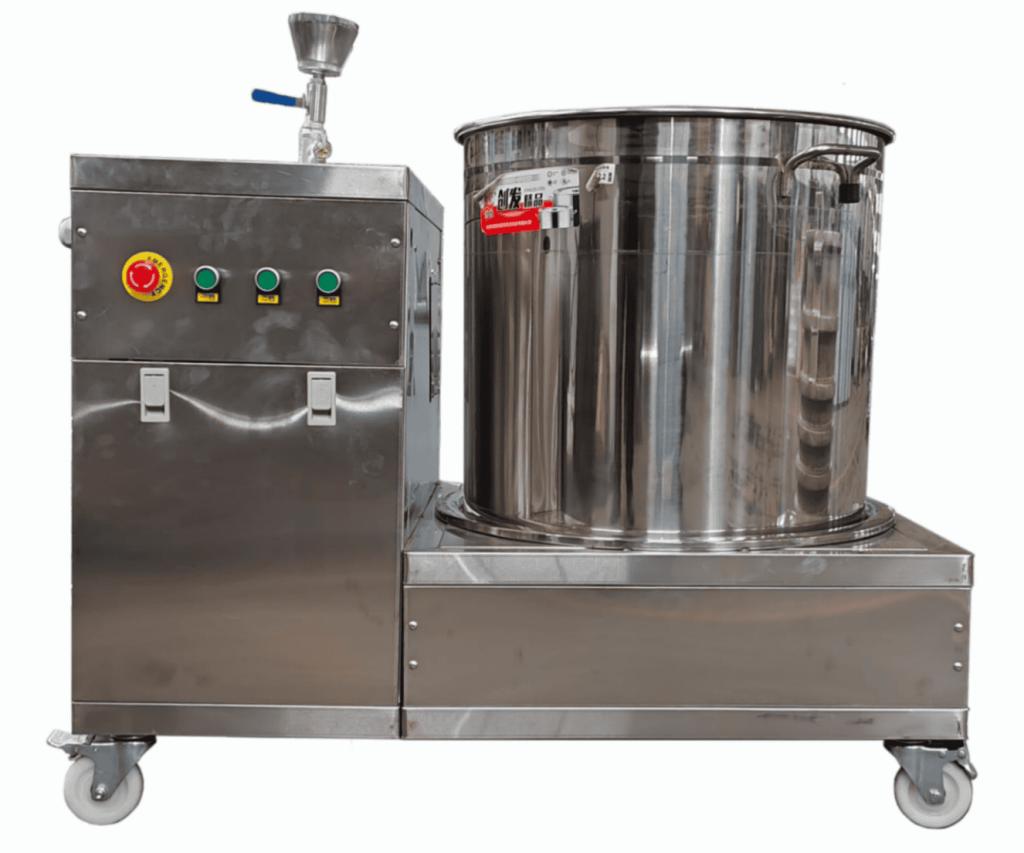
Receiving and steaming
Specify the receiving vessel, foreign-object removal, transfer method, steam unit, temperature monitoring, and safe access for a semi-solid material.
Review the electric steamer →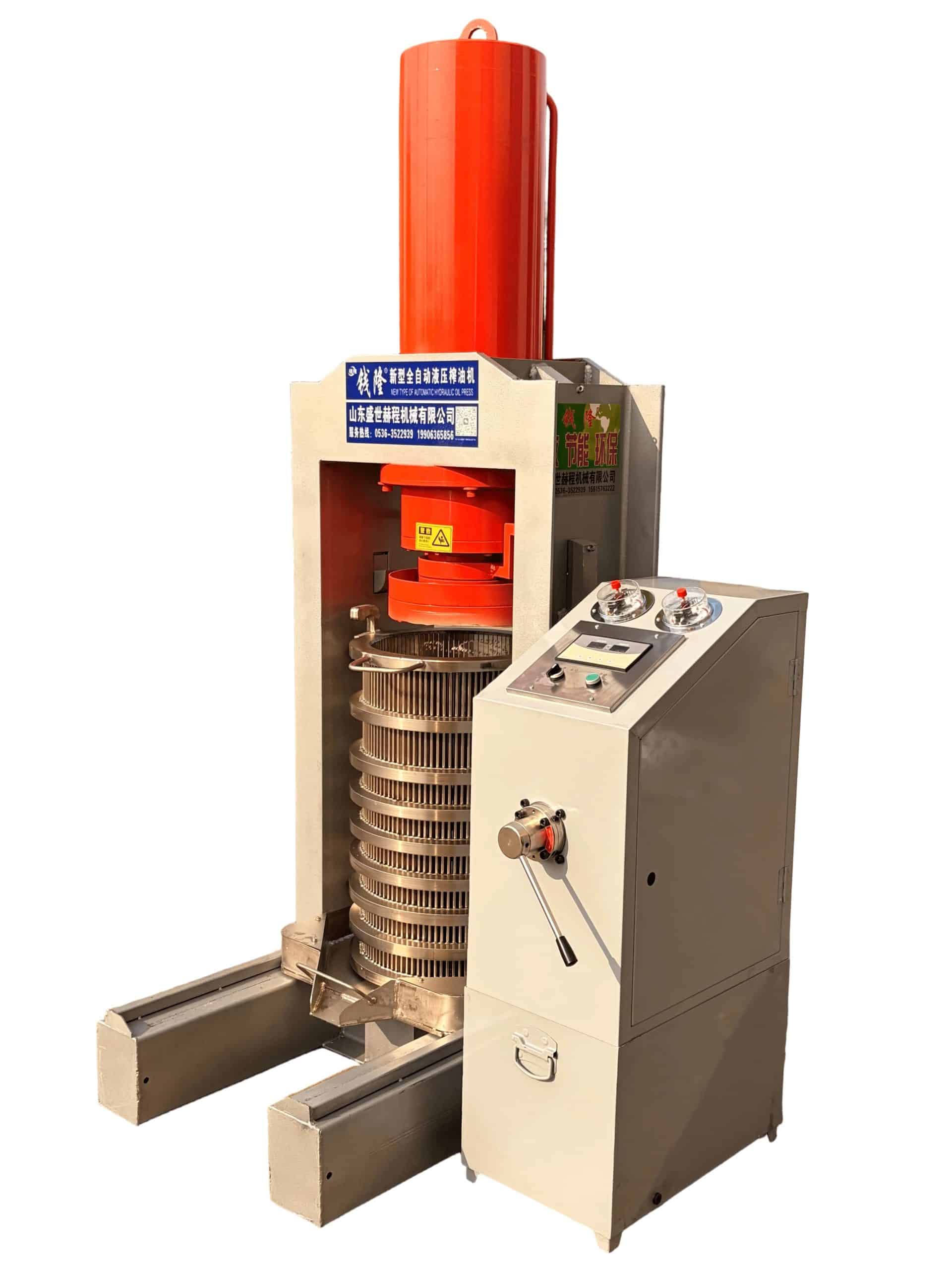
Batch hydraulic pressing
The Model 325 applies static pressure while liquid drains from the conditioned residue. Confirm loading tools, operator protection, cloth or plate arrangement, and cake removal.
Review the press family →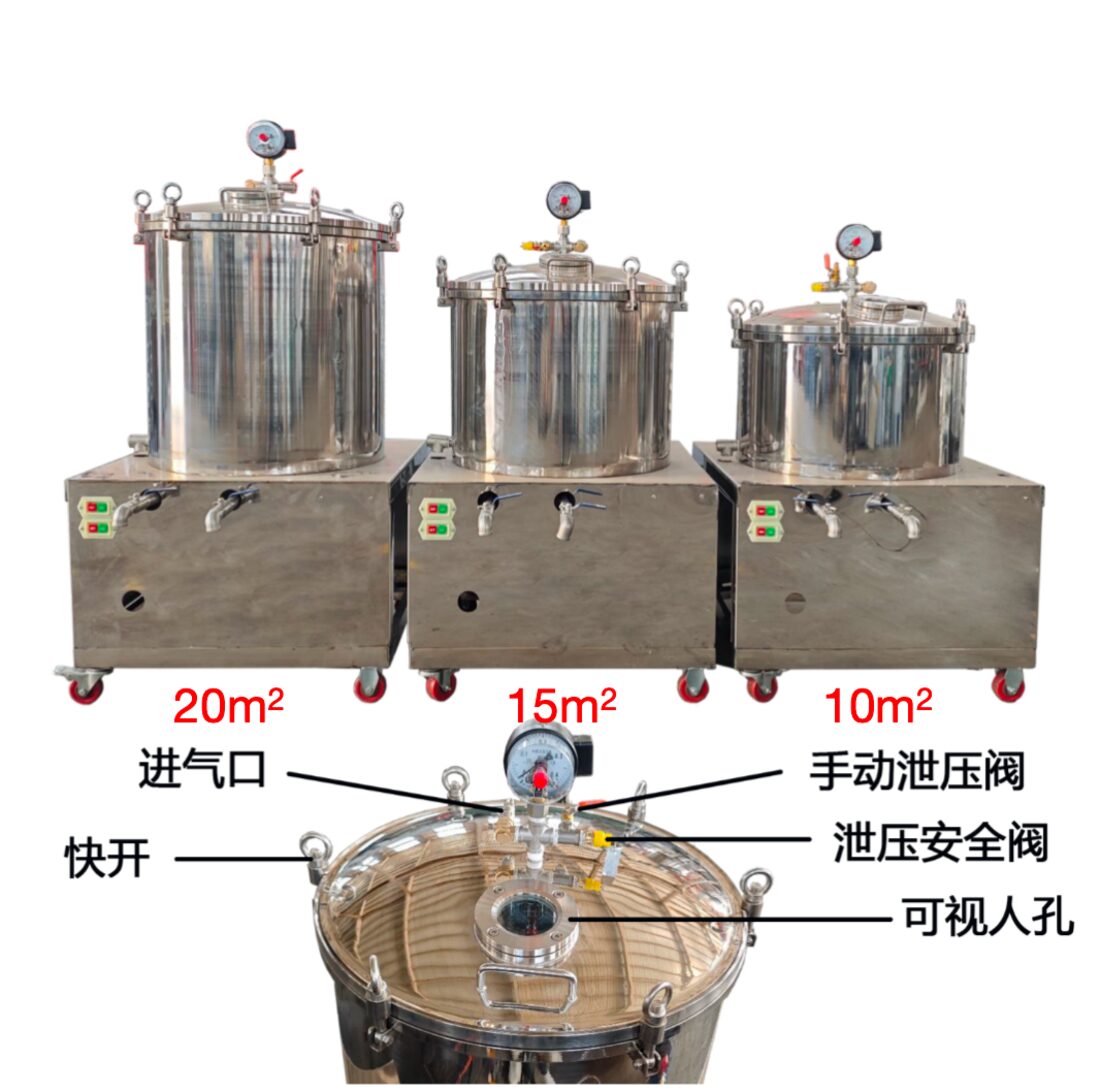
Liquid collection and filtration
Provide contained collection, settling or filtration, transfer, sampling, and storage appropriate to the recovered liquid and its approved next use.
Review downstream filtration →Process boundary and outlets
Pressing separates phases; it does not establish product quality
The project must include sampling and an approved destination for every stream. Recovered liquid from a tank bottom is not automatically suitable for edible use.
| Stream | Expected condition | Buyer decision |
|---|---|---|
| Expressed liquid | Oil-rich liquid that may contain water, fines, gums, odor, or degraded components. | Testing, permitted use, settling or filtration, further refining, storage, and traceability. |
| Pressed residue | Compact solids with remaining moisture and oil determined by the feed and trial. | Cooling, storage, reuse approval, treatment, transport, or disposal under local rules. |
| Condensate and cleaning liquid | Water from steam treatment, drainage, and cleaning where included. | Separate collection, analysis, treatment, and legal discharge route. |
Existing application footage
Observe the press cycle, then qualify your own material
This video is retained from the current page and shows a vegetable-oil-residue pressing example. It demonstrates the equipment sequence but does not establish recovery, cycle time, or outlet quality for another sludge.
- Compare feed consistency and loading behavior
- Observe liquid drainage and cake formation
- Use a representative sample trial for project acceptance
Buyer qualification checklist
Information needed before a line can be configured
- Exact source oil or fat and the process that generated the tank-bottom material
- Representative oil, moisture, solids, ash, impurity, and contaminant analysis
- Current viscosity, temperature behavior, particle size, and foreign-object risk
- Daily quantity, storage method, operating schedule, and available sample
- Required expressed-liquid quality and downstream use or treatment
- Approved outlet for pressed residue, condensate, and cleaning liquid
- Steam or electrical heating, water, drainage, ventilation, and power supply
- Workshop dimensions, material movement route, and destination country
Ask for written material acceptance
Photos and a generic name are not enough for sludge projects. The proposal should identify the accepted feed basis, excluded contaminants, sample-trial result, operating assumptions, equipment boundary, and outlet responsibilities.
Related residue applications
Use a page matched to the actual incoming material
Restored original media
Oil-sludge feed and pressing references
Restored photographs and videos show different sludge feeds and pressing conditions. They are feasibility references, not universal output claims.
Oil Sludge Hydraulic Oil Press Production Line
Original operating reference restored from the earlier page.
Oil Sludge Hydraulic Oil Press Production Line
Original operating reference restored from the earlier page.
Restored photographs
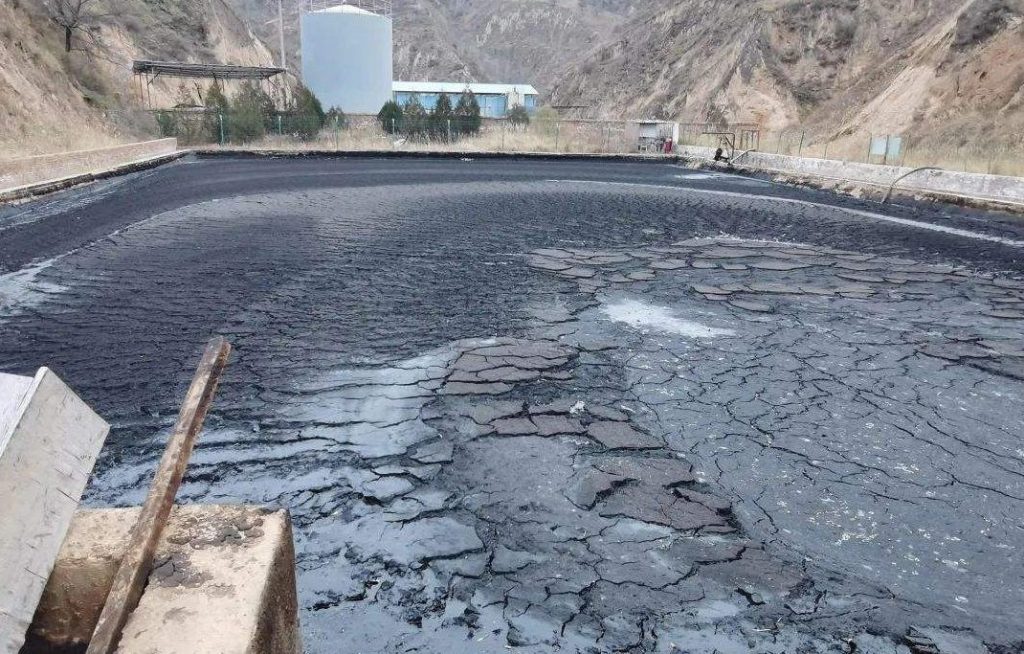
Chemical-oil-sludge-plant-oil-sludge-animal-oil-sludge
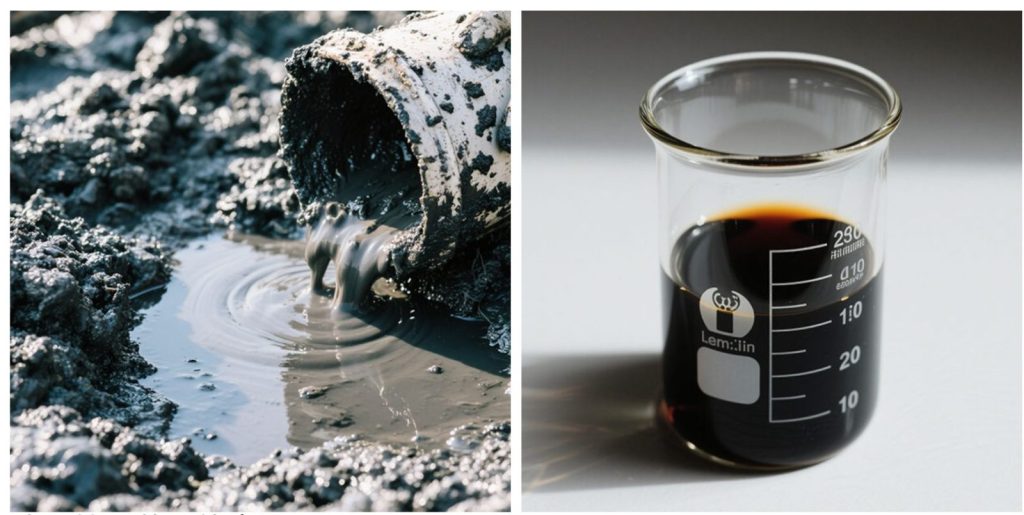
Chemical-oil-sludge-plant-oil-sludge-animal-oil-sludge
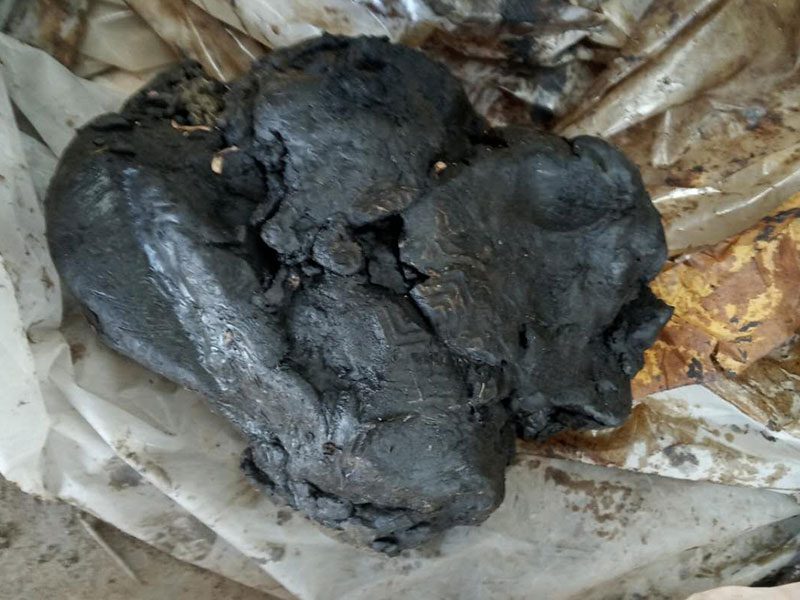
Chemical-oil-sludge-plant-oil-sludge-animal-oil-sludge
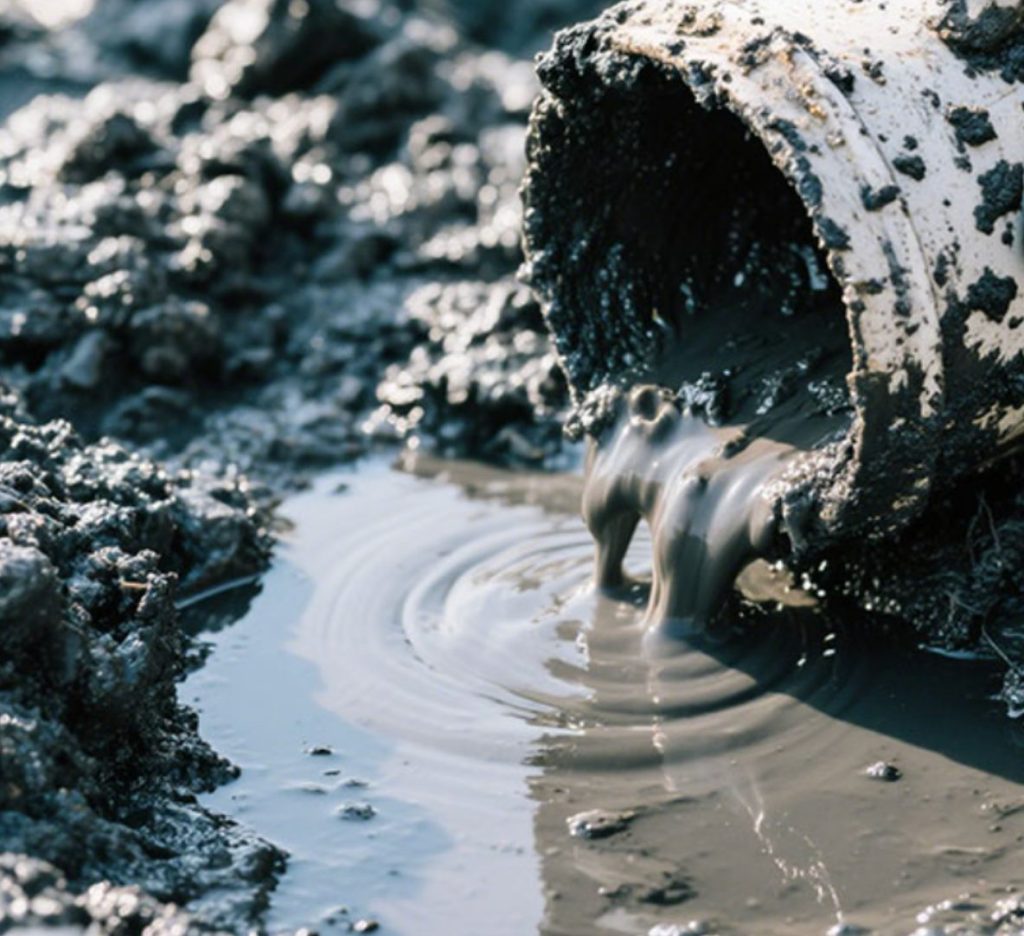
Chemical-oil-sludge-plant-oil-sludge-animal-oil-sludge
Turn the tank-bottom sample into a qualified process basis
Send the source stream, laboratory data, daily quantity, handling condition, required liquid outlet, pressed-residue plan, utilities, workshop layout, and destination.