Fresh palm fruit processing
Plan the double-screw press as one section of a complete palm oil mill
This page presents a published 15 TPH double-screw palm fruit press reference. A workable project must also define fresh-fruit-bunch receiving, sterilization, fruit separation, digestion, crude-oil clarification, fiber handling, utilities, and storage around the press.
Core extraction equipment
Double-screw pressing after sterilization and digestion
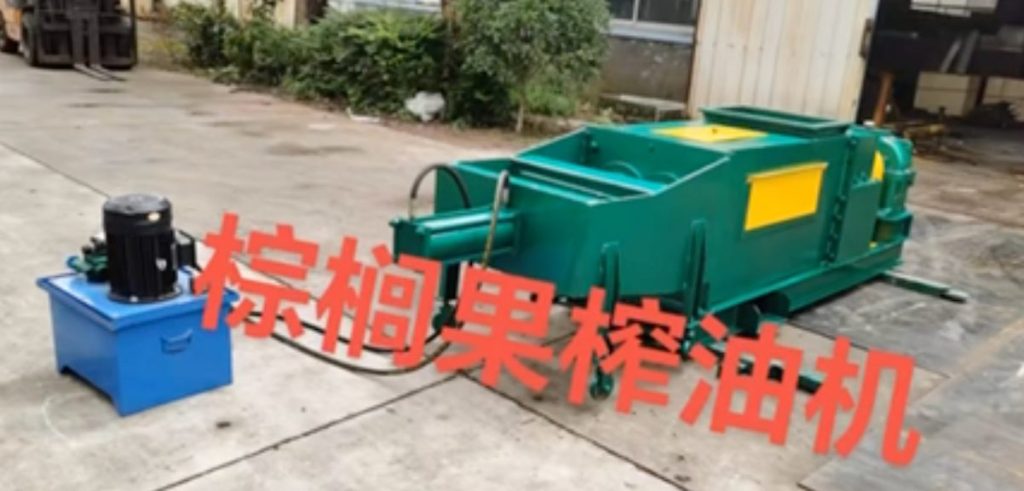
The published machine uses a double-screw extrusion structure for continuous palm fruit material feeding. It is intended to receive conditioned palm fruit mash from the upstream mill, not untreated fresh fruit bunches.
- Published processing reference: 15 tons of palm fruit material per hour
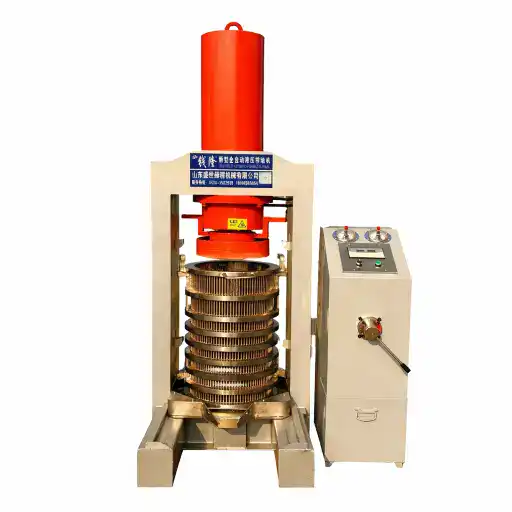
- Separate hydraulic power unit shown with the press body
- Press feed must be matched to the sterilizer, thresher, and digester
- Final footprint, weight, drive, materials, and packing split require an approved drawing
Feedstock boundary
Keep palm fruit mesocarp and palm kernel projects separate
The reference line on this page is for crude palm oil from the fleshy fruit. Palm kernels leave the fruit-preparation section as a separate stream and need their own recovery and pressing route.
This page
Fresh palm fruit / mesocarp route
Fresh fruit bunches are received, sterilized, separated from the bunch, and digested before the prepared fruit mass reaches the double-screw press.
- Primary liquid output: crude palm oil for clarification
- Solid stream: pressed fiber and nuts for downstream separation
- Project basis: fresh fruit condition and hourly mill balance
Separate scope
Palm kernel route
Palm kernels are not interchangeable with digested palm fruit. Nut recovery, shell separation, kernel preparation, and kernel-oil extraction must be specified as another process section.
- Do not feed whole nuts or kernels into the fruit press by assumption
- State whether kernel recovery is required in the project
- Request a separate kernel process and equipment schedule
Practical process flow
Balance the press between fresh-fruit preparation and crude-oil clarification
The exact equipment count and holding capacity depend on fruit arrival rate, operating hours, desired automation, and the required crude-oil handling route.
Project scope
Define every interface before treating the press as a production line
The press can be supplied as a machine section or integrated into a wider mill. The proposal should state where the supplier scope starts and ends.
| Section | Process role | Items to confirm |
|---|---|---|
| Fruit receiving | Accept fresh fruit bunches and control the arrival sequence. | Fruit condition, bunch handling, hopper, conveyor, weighing, and storage-time assumptions. |
| Sterilization and threshing | Condition the bunches and separate fruit from the empty bunch. | Heat or steam source, batch or continuous method, condensate route, and empty-bunch handling. |
| Digestion and pressing | Prepare the fruit mass and extract the crude oil-bearing liquid. | Digester size, feed temperature, press drive, 15 TPH reference basis, controls, and service access. |
| Clarification and storage | Separate water and suspended solids before crude-oil storage or further treatment. | Settling, screening, filtration, tanks, pumps, heating, and whether refining is outside the line. |
| Solid and liquid side streams | Route fiber, nuts, shells, empty bunches, condensate, and mill effluent. | Buyer disposal or utilization plan, local environmental requirements, drainage, and storage areas. |
Published capacity is a configuration reference
The current page identifies a 15 TPH machine. Actual line output depends on prepared feed consistency, upstream continuity, press settings, maintenance, and downstream clarification capacity. Confirm the design basis and acceptance method in the quotation.
Existing equipment footage
Review the press and line arrangement before requesting a layout
These videos are retained from the current page. They show equipment examples and do not by themselves define the final bill of materials or performance acceptance criteria.
Buyer qualification
Information needed for a credible palm mill proposal
- Fresh fruit bunch quantity per hour and planned operating hours
- Average bunch condition, harvest-to-processing time, and seasonal variation
- New mill or integration with existing sterilization, digestion, or clarification equipment
- Required crude-oil outlet, storage period, and any further refining scope
- Whether nut and palm-kernel recovery is included
- Steam, water, electricity, fuel, drainage, and compressed-air availability
- Workshop or site plan, access, civil-work limits, and destination country
- Local requirements for effluent, solid residues, worker safety, and food processing
Require an approved general arrangement drawing
Do not size foundations, doors, freight, or service clearances from legacy web dimensions. The final proposal should provide the selected machine footprint, packing split, weights, connection points, utilities, and maintenance space.
Related planning pages
Continue the project review beyond the fruit press
Palm press reference
Understand the double-screw press inside the complete mill
The machine guide explains the industrial press section while this page keeps the full palm-fruit process in view.
Turn the 15 TPH press reference into a balanced palm mill scope
Send the fresh-fruit-bunch schedule, existing equipment, required outputs, utility conditions, site layout, kernel-recovery requirement, and destination for a configuration review.