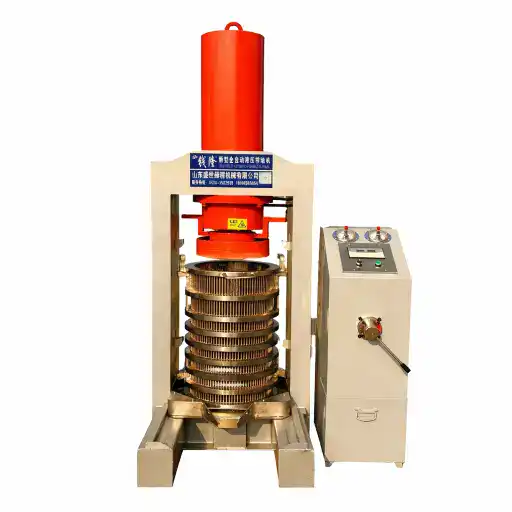
Feeding, crushing, and roasting in one preparation unit
Combine three hot-press preparation steps before hydraulic pressing
This integrated machine brings material lifting, size reduction, and roasting into one compact preparation route. It is configured around the oilseed, installation conditions, required particle form, roast endpoint, and the hydraulic presses it must supply.
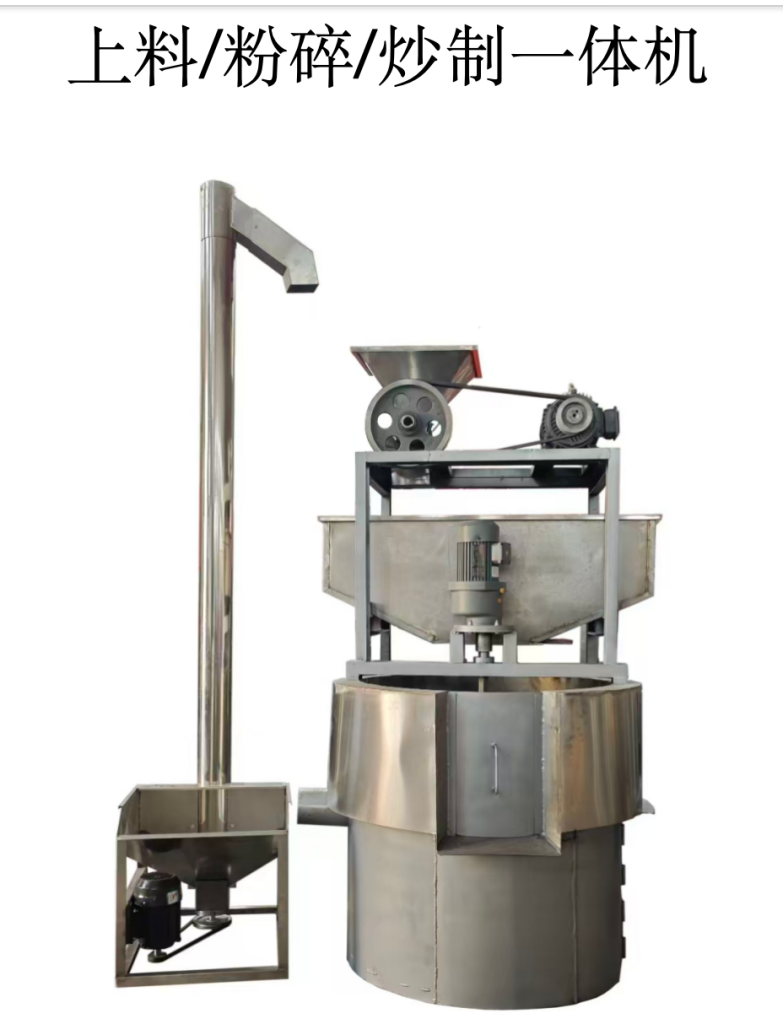
Compact hot-press route
Move prepared material through the three built-in stages
The integrated unit replaces transfer between separate feeding, crushing, and roasting machines. Cleaning and sorting still happen upstream, while hydraulic pressing, filtration, storage, and filling remain downstream project sections.
Confirm what is included in the integrated scope
The current page describes the three preparation functions but does not publish a detailed bill of equipment. The hydraulic oil press, filtration equipment, tanks, conveyors beyond the pictured arrangement, controls, and installation items should be identified individually in the quotation.
Integrated functions
Define the performance required from each module
The source image and page identify feeding, crushing, and roasting as the combined functions. Each stage still needs a material-specific technical basis.
Stage 1
Feeding and lifting
The pictured arrangement uses a low feed hopper and vertical lifting section. Confirm loading height, hopper volume, conveying method, discharge height, and cleanout access.
Stage 2
Crushing
The upper crusher reduces the oilseed before roasting. Specify the incoming material, required particle range, adjustment method, wear parts, and handling of fines.
Stage 3
Roasting and mixing
The lower vessel handles the heated preparation step. Confirm heat source, working batch, temperature control, mixing arrangement, discharge method, and cleaning procedure.
Project fit
Choose integration when the workshop and process benefit from one route
The current page positions the machine as a space-conscious alternative to separate preparation equipment. The final choice should account for flexibility, cleaning, redundancy, and how many press batches the unit must support.
Integrated arrangement can suit
- A repeated hot-press recipe using the same preparation sequence
- A workshop that benefits from shorter transfers between stages
- A project prepared to configure all three modules together
- An operating plan that can pause the combined unit for cleaning or service
Separate machines may deserve comparison
- Frequent changes between materials or roast recipes
- Different capacities required for crushing and roasting
- A need to operate one stage while another is cleaned or maintained
- An existing feeder, crusher, or roaster that should remain in service
Technical data required
The live page does not publish a specification table
Request a model-specific technical sheet and approved drawing. Capacity, power, heating method, temperature range, dimensions, weight, and construction materials should not be inferred from the photograph.
| Confirmation group | Values required from the supplier | Buyer input needed |
|---|---|---|
| Feeding section | Hopper, lift type, transfer rate, height, motor, cleanout, and guarding. | Bag or bulk loading method, operator position, and incoming seed condition. |
| Crushing section | Crusher type, motor, adjustment, particle result, screen or gap options, and wear parts. | Oilseed, incoming size, required discharge form, and allowable fines. |
| Roasting section | Heat source, power, batch or throughput basis, temperature control, mixing, and discharge. | Hot-press recipe, target roast condition, and required press-feeding schedule. |
| Controls and electrical | Total installed power, voltage, phase, frequency, controls, alarms, and emergency stops. | Local electrical supply, control language, and line-integration preference. |
| Mechanical layout | Overall dimensions, weight, foundation, service access, discharge points, and shipping split. | Workshop plan, doors, ceiling, floor information, and preferred material direction. |
| Construction and cleaning | Product-contact materials, finishes, drain or access points, cleaning method, and spare parts. | Food-contact requirement, changeover frequency, and sanitation expectations. |
Line context video
Review how preparation connects to the hydraulic press
The existing self-hosted footage shows a hydraulic press line context rather than a complete technical demonstration of every integrated module. Use it to discuss transfer, press loading, operator access, and the equipment required after roasting.
Downstream line balance
Size preparation around the available press capacity
The integrated unit should deliver roasted material in a form and schedule the hydraulic press can accept. Filtration and storage must then handle the oil leaving the press section.
- Confirm the number, model, barrel size, and batch cycle of the hydraulic presses.
- Define how roasted material is held and transferred without disrupting the recipe.
- Plan cake unloading separately from prepared-material feeding.
- Match the filter, clean-oil tank, and optional filling section to the operating schedule.
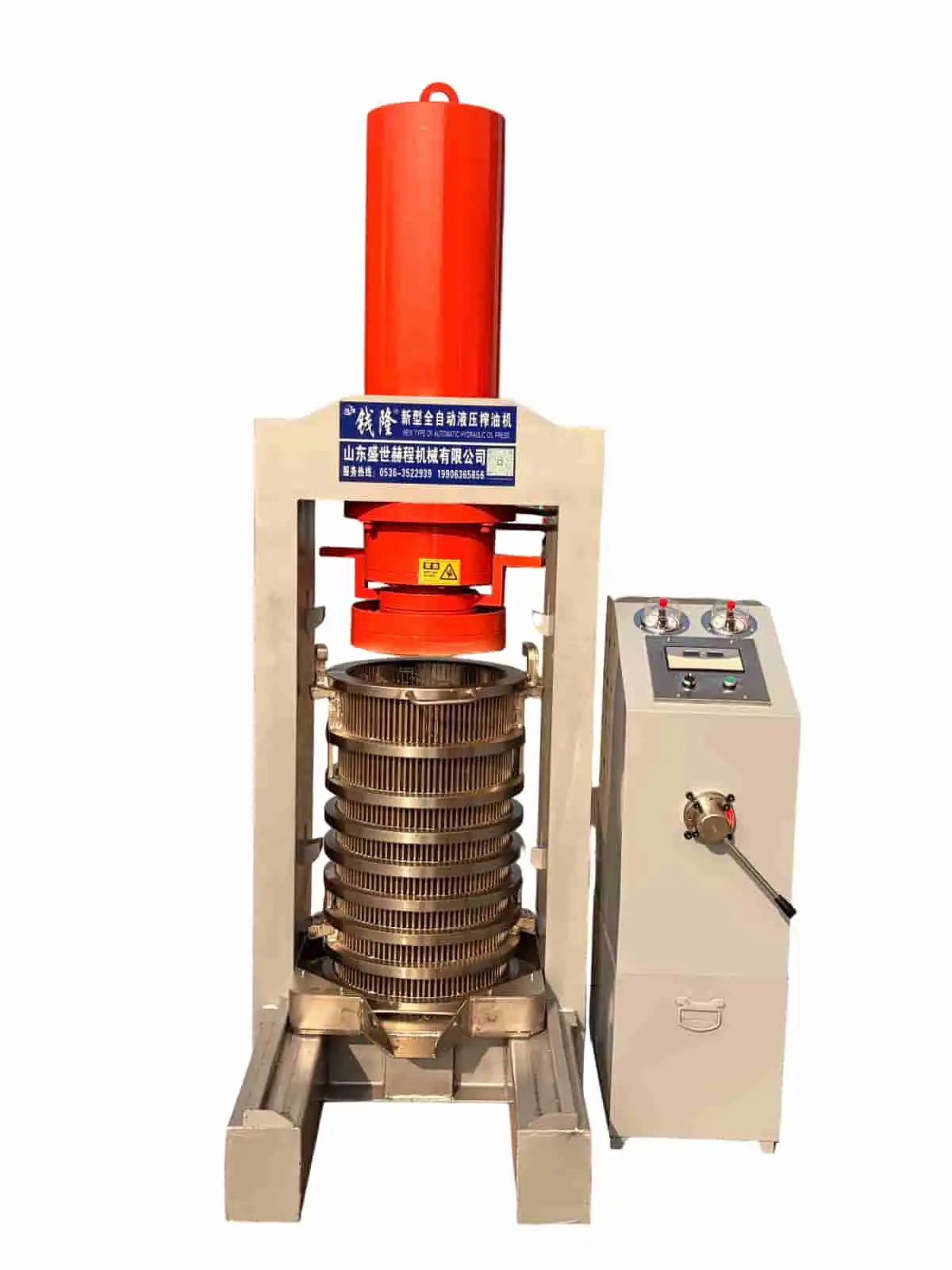
Operation and changeover
Control all three stages from one material record
- Record incoming material, feed rate, crusher setting, roast setting, and discharge result.
- Stop feeding before any downstream blockage or press delay creates a backlog.
- Keep guards and emergency stops accessible throughout operation.
- Define a complete emptying and cleaning sequence before product changeover.
- Train operators on the interaction between lift, crusher, mixer, heat, and discharge.
Maintenance planning
Service the modules without losing sight of the whole line
- Inspect lift components, belts or drives, crusher wear parts, bearings, mixer, and discharge parts.
- Keep product and dust away from motors and electrical cooling paths.
- Request lubrication points, wear limits, replacement procedures, and part numbers.
- Confirm access for cleaning the hopper, lift, crusher, transfer chutes, and roasting vessel.
- Stock the critical items whose failure would stop all three preparation stages.
Related equipment
Compare the combined unit with separate preparation machines
Configure the integrated unit around the oilseed and press line
Send the oilseed and prepared form, daily input, operating hours, required crush and roast result, press models, workshop plan, utilities, cleaning needs, and destination country.