Automatic edible-oil bottling line
Configure filling, bottle transport, capping, and downstream packaging as one line
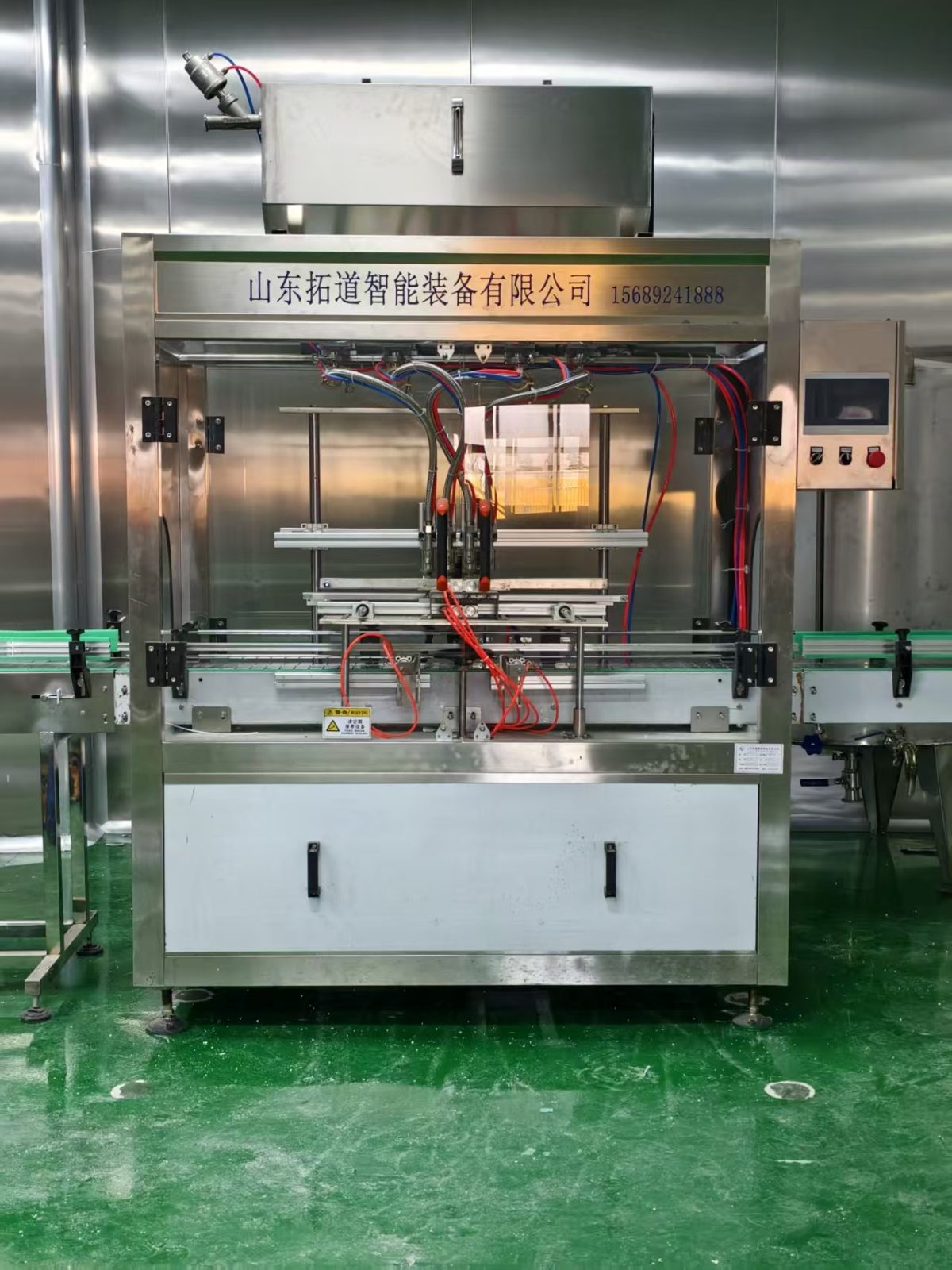
The current source describes an automatic filling family with single-, double-, 4-, 6-, and 8-head options. The final system is selected around the oil, bottle, cap, filling range, target output, available utilities, and workshop layout rather than by head count alone.
Published family range
Use the source ranges to start a discussion, not to approve final performance
The page provides broad configuration and output bands but does not identify the test oil, bottle volume, number of heads, fill temperature, accuracy method, or line-efficiency basis behind them.
1 / 2 / 4 / 6 / 8 heads
Published filling-head choices. More heads do not by themselves establish finished-line output.
100 mL to 5 L examples
The source lists 100, 250, and 500 mL, 1 L, and 2-5 L bottles as examples requiring confirmation.
Two output bands
1,000-1,500 and 2,000-3,000 bottles/hour are published without test conditions.
Project-specific scope
Filling, capping, conveyor, labeling, coding, bottle feed, and case handling must be itemized in the quotation.
Press-to-package workflow
Protect filling consistency before the oil reaches the nozzles
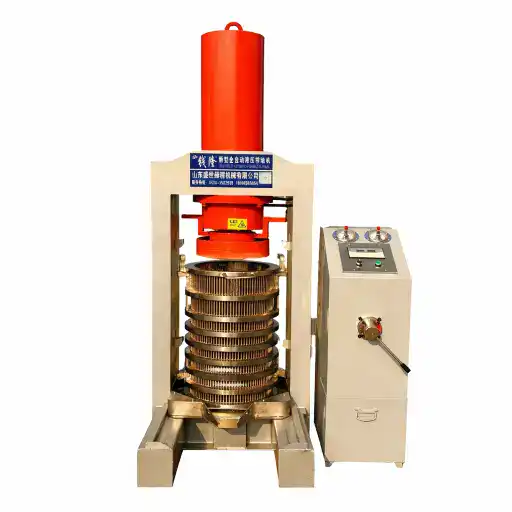
A bottling line starts with stable, clarified product at a controlled condition. Oil extraction equipment is upstream; it is not part of the filling machine shown on this page unless listed in a separate complete-line quotation.
Scope definition
Separate the core filling section from optional packaging modules
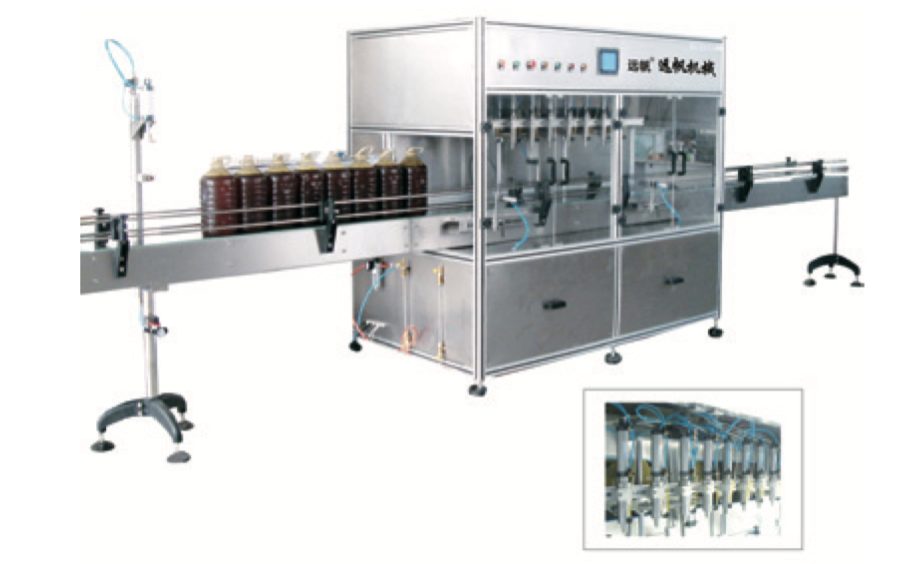
The source says the line typically includes an automatic filler, capping machine, and conveyor, with labeling and date coding optional. Bottle unscrambling, nitrogen dosing, inspection, carton packing, and other modules require explicit project confirmation.
Core line
Filling and bottle transfer
- Select the metering method for the oil and filling range.
- Confirm head count against the required cycle and bottle spacing.
- Approve bottle guides, conveyor height, accumulation, and change parts.
- Define the product-feed tank, level control, piping, and cleaning method.
Downstream modules
Capping, labeling, coding, and packing
- Approve the cap and bottle neck before selecting the capping method.
- Specify label material, bottle surface, label position, and coding content.
- State whether empty-bottle feeding and finished-case handling are required.
- Itemize every conveyor, sensor, guard, reject station, and interlock.
Current source data
Published options that still need a model-specific acceptance sheet
No voltage, power, compressed-air demand, machine dimensions, conveyor height, filling-temperature limit, accuracy value, or material grade is published for a final line model.
| Category | Source description | Buyer confirmation |
|---|---|---|
| Filling heads | Single, double, 4, 6, or 8 heads | Confirm the exact head count, nozzle arrangement, and changeover requirements. |
| Metering system | Servo-driven or piston filling is described | Identify the selected measuring principle and all product-contact components. |
| Bottle examples | 100 mL, 250 mL, 500 mL, 1 L, and 2-5 L | Approve actual bottle drawings and samples; the list is not a universal compatibility guarantee. |
| Published output option 1 | 1,000-1,500 bottles/hour | Request the bottle size, head count, product, and line-efficiency basis. |
| Published output option 2 | 2,000-3,000 bottles/hour | Request the same test conditions and a model-specific acceptance target. |
| Contact construction | Source describes food-grade stainless steel contact parts | Obtain the final material grade and component-level product-contact schedule. |
| Typical included modules | Automatic filler, capping machine, and conveyor | Check the quotation because actual supply scope may differ by project. |
| Source-listed options | Labeling and date coding | Specify label, code, position, line communication, and inspection requirements. |
Throughput is a finished-line result
Filler head count is only one constraint. Bottle feed, container stability, fill volume, oil behavior, cap presentation, capping time, label application, coding, accumulation, stoppages, and operator replenishment all affect sustained output.
Oil and container compatibility
Approve one complete package format before sizing changeovers
- Oil type, viscosity, filling temperature, foaming behavior, and particulate limit
- Bottle material, nominal volume, actual brimful volume, shape, rigidity, and base stability
- Neck finish, opening, cap type, liner, tamper feature, and required applied torque
- Fill target defined by volume, mass, or level, with an agreed verification method
- Number of formats, changeover frequency, and required change-part storage
- Cleaning method, allergen or product segregation, drainage, and retained-product limits
Controls and utilities
Request a complete utility and interface schedule
- Electrical voltage, frequency, phase, connected load, and protection requirements
- Compressed-air pressure, consumption, quality, and connection size where pneumatics are used
- Product inlet pressure, tank arrangement, piping, pump duty, and level-control signals
- Conveyor speed control, line interlocks, emergency stops, guarding, and fault handling
- Operator-interface language, recipes, batch records, counters, and upstream/downstream signals
- Workshop layout, drainage, lighting, operator aisles, service access, and finished-product route
Optional integration
Add packaging functions only where the product and container justify them
A liquid-nitrogen dosing unit, for example, is positioned after filling and before capping only when the product, bottle, available headspace, closure timing, ventilation, and cryogenic supply have been validated together.
Automatic does not mean every module is included
State who loads empty bottles, caps, labels, coding consumables, and cartons; who removes finished cases; and what happens when one downstream machine stops. These boundaries determine staffing and buffer requirements.
Cleaning and maintenance
Plan access to every wetted and moving component
- Define draining, flushing, disassembly, inspection, and reassembly for the product path.
- Identify seals, hoses, nozzles, valves, pumps, sensors, belts, guide parts, and capper wear parts.
- Provide format-change instructions and a controlled place for tools and change parts.
- Record lubrication points and prevent maintenance materials from contaminating the product area.
- Agree a commissioning spare package against the final bill of materials.
Machine safety
Assess the assembled line, not only each standalone machine
- Guard filling-head motion, conveyors, cap handling, drives, and all transfer pinch points.
- Verify emergency-stop coverage and safe restart behavior across connected modules.
- Provide lockout points for electrical, pneumatic, product-pressure, and stored-energy sources.
- Confirm bottle-breakage and spill procedures for the selected container and oil.
- Complete local electrical, hygiene, machinery, and workplace-safety review before operation.
Quotation package
Send one dataset that covers product, package, output, and site
Product
Oil type, viscosity and temperature, filling target, cleaning method, and samples where possible.
Package
Bottle and cap drawings, physical samples, label roll data, code content, cartons, and all planned formats.
Production
Sustained and peak output, shifts, changeovers, staffing boundary, acceptance method, and future expansion.
Site
Layout, utilities, floor and drainage, access route, local standards, destination, and required documentation.
Related equipment
Define each machine at its actual place in the line
Restored original media
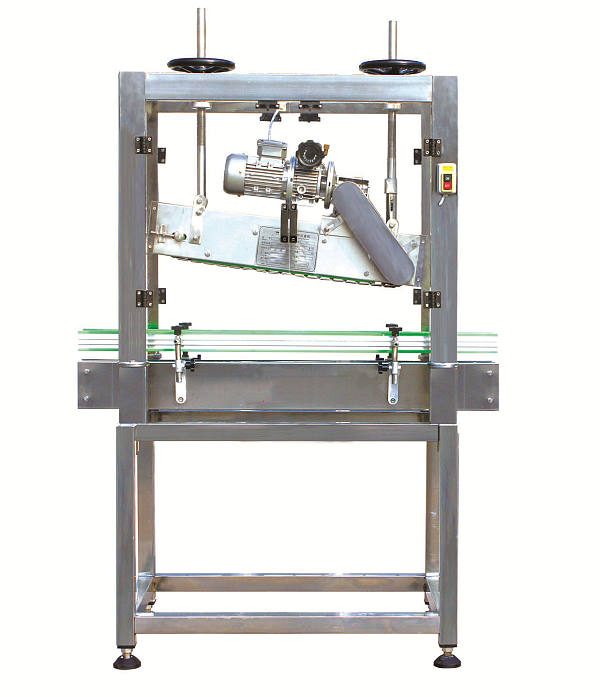
Bottle handling equipment photograph
Original bottle-unscrambler reference restored to the automatic filling-line page.
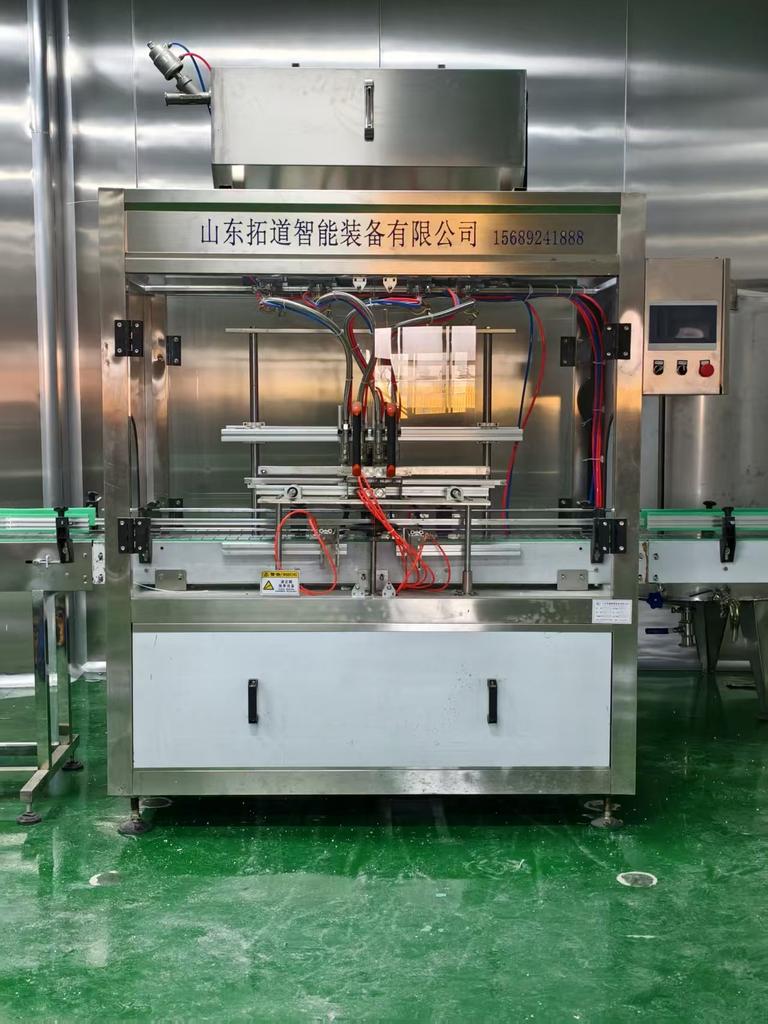
Restored machine detail
Original photograph restored from the earlier page.
Detailed machine page
Open the flow-meter filling configuration
Use the child page for high-precision automatic edible-oil filling details.
Build the line around an approved bottle, cap, and oil
Send product data, container samples and drawings, all pack sizes, target output, required modules, acceptance method, workshop layout, utilities, and destination country.