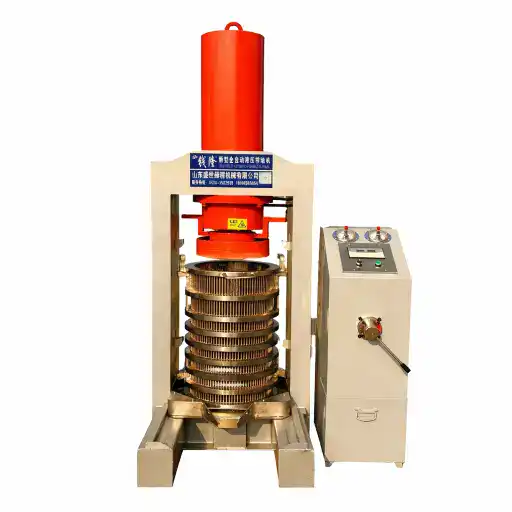
Rapeseed and mustard press guidance
Choose the route from seed condition and finished-oil requirement
Rapeseed and mustard can follow a conditioned hot-press route or a direct cold-press route after crushing. The process choice changes the required steamer, cake-forming step, press family, operating rhythm, and material test.
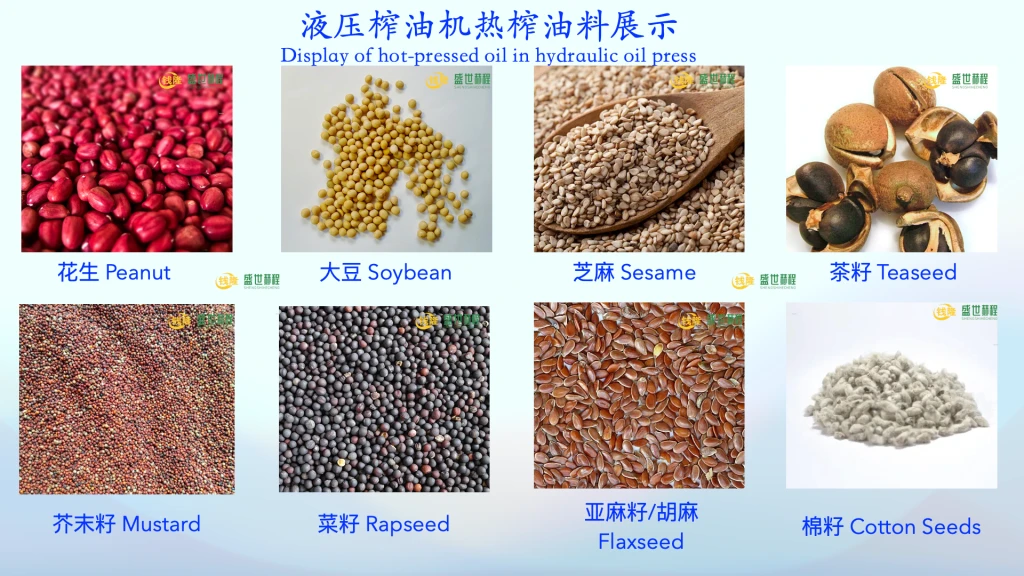
Route comparison
Conditioned hot pressing and direct cold pressing are separate projects
Both begin with raw-material inspection and crushing. The hot route adds thermal conditioning and wrapped-cake preparation; the cold route loads crushed material into a dedicated higher-tonnage press.
Conditioned material
Hot-press route
- Clean and assess moisture before crushing
- Roast before crushing if the proposed process requires moisture correction
- Crush, steam-condition, and form wrapped cakes
- Separate cakes with press partitions
- Use the 300 / 325 hot-press family as the source-page reference
Crushed material without steaming
Cold-press route
- Confirm seed cleanliness and moisture
- Crush to the agreed feed condition
- Omit the steam-conditioning and cake-wrapping stages
- Trial the 355-500 cold-press model family
- Record oil flow, cycle, cake release, and filtration behavior
Preparation control
Small seeds need a defined cleaning and crushing result
Screening can remove oversize material, fines, and light dust. Similar-size stones may require a separate gravity or destoning step. The correct preparation scope depends on the supplied sample and the contaminants present.
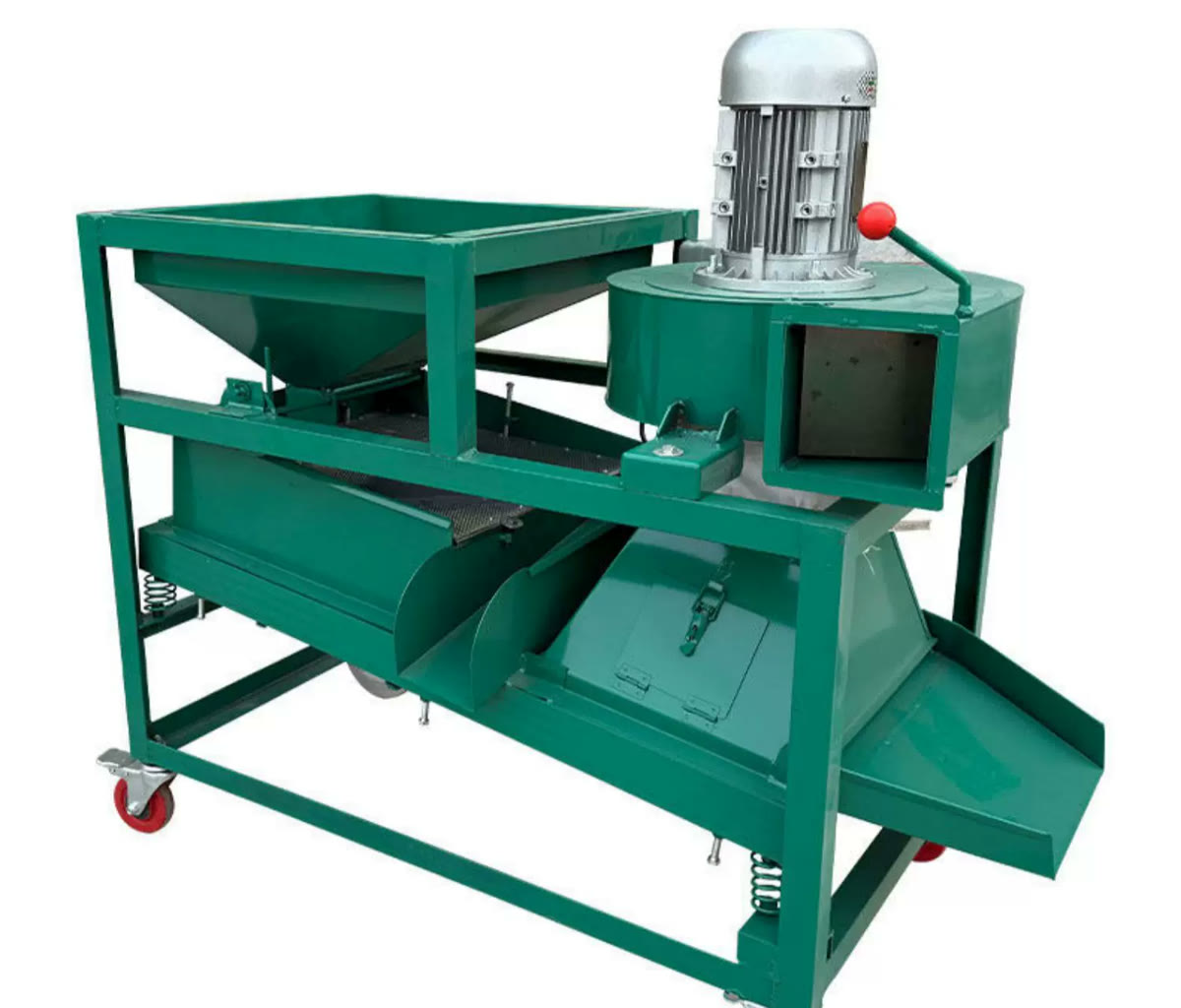
Screening
Specify the impurity types, screen cuts, aspiration requirement, and whether similar-size stones remain after screening.
Review oilseed screening →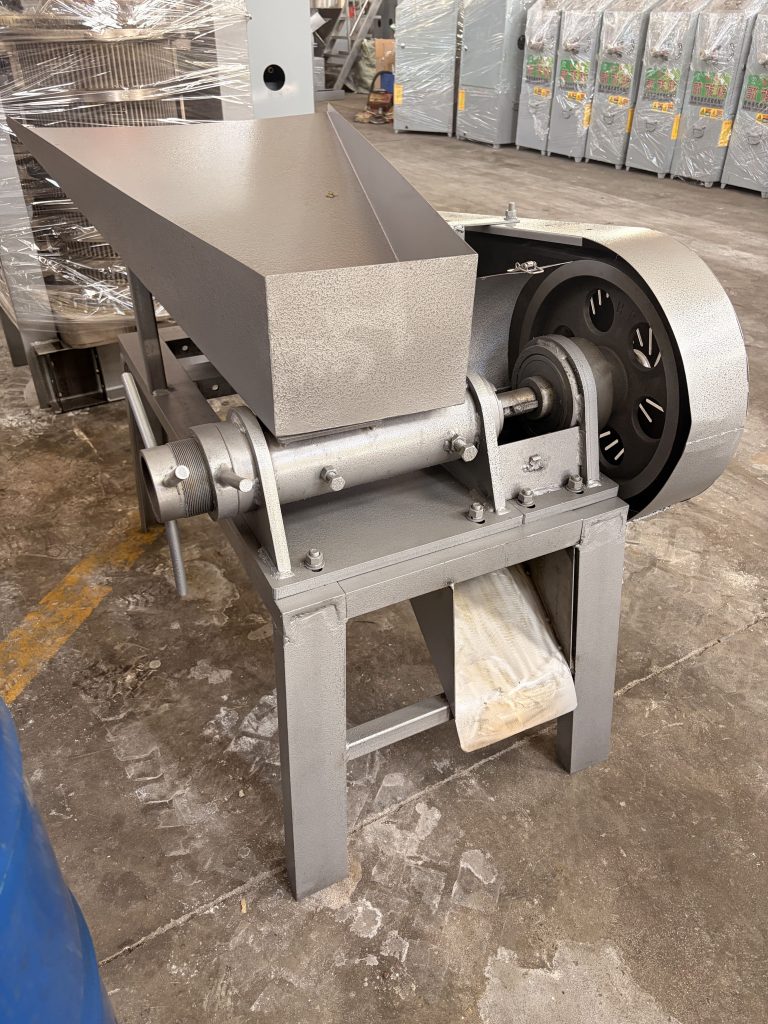
Crushing
The source-listed crusher capacity lacks material and particle-size test conditions. Confirm the actual feed and discharge with the seed sample.
Review the pre-press crusher →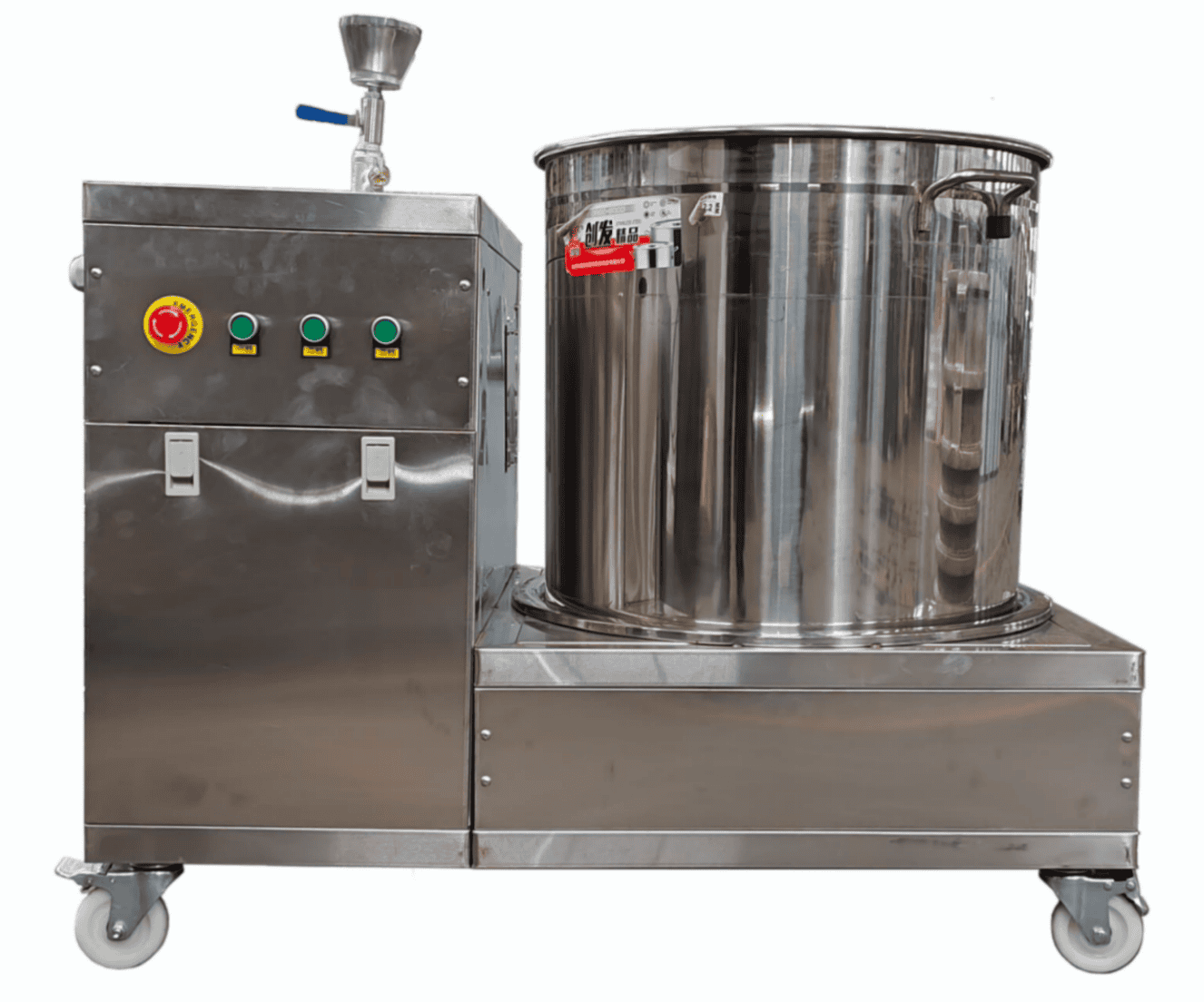
Hot-route conditioning
Steam and cake wrapping belong to the hot route. Confirm batch load, conditioning endpoint, handling, and the final mold drawing.
Review the electric steamer →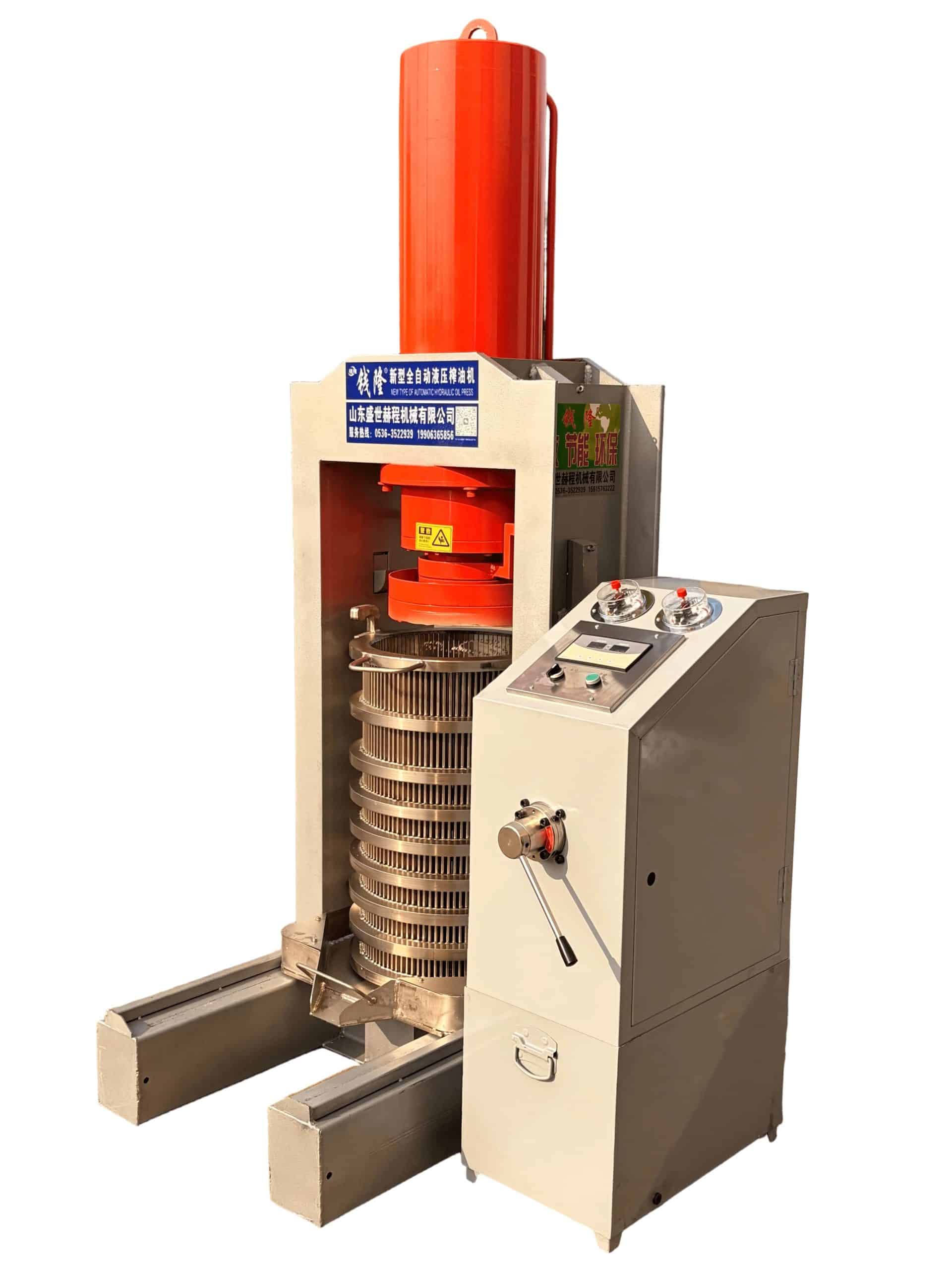
Hydraulic pressing
Select the press after the route, barrel, batch, cycle, and cake target are defined; do not select from tonnage alone.
Compare press families →Material test plan
Record the conditions behind every oil and cake result
A useful test report connects the seed condition to the preparation settings and measured outputs. It should be repeatable enough to support equipment selection and line balancing.
| Test stage | Record | Decision supported |
|---|---|---|
| Incoming material | Rapeseed or mustard type, lot, moisture, impurity level, and storage condition. | Cleaning, drying, roasting, and sample representativeness. |
| Crushing | Feed weight, machine setting, particle form, fines, and processing time. | Crusher configuration and downstream handling. |
| Hot preparation | Steam or roast condition, batch load, time, wrapped-cake dimensions, and handling loss. | Hot-route equipment count and operator workflow. |
| Pressing | Model, barrel, partitions, feed weight, pressure sequence, pressing time, and total cycle. | Press family, barrel choice, and machine count. |
| Outputs | Collected oil, filter residue, cake weight and condition, using an agreed measurement basis. | Acceptance criteria, filtration scope, and cake plan. |
Published oil-yield figures are not project guarantees
The existing guide lists 36-38% oil yield and 6-8% residual oil without documenting cultivar, moisture, preparation, sample basis, analytical method, or whether percentages refer to feed or cake. Use a representative test instead of treating those figures as guaranteed performance.
First-party process video
Review the handling sequence before setting the layout
This existing site video is a rapeseed and mustard production reference. Confirm which route, material condition, model, batch load, and test result are shown before using it for project calculations.
- Allow clear access for loading, partitions, and cake unloading
- Separate the steam and wrapped-cake area from clean-oil handling
- Route collected crude oil directly to the matched filter
- Plan cake storage or pulverizing as a separate outlet
Buyer fit
Choose the route the site can operate consistently
- Required oil style and whether thermal conditioning is acceptable
- Available power, water, ventilation, and operator skill
- Raw-material input per shift and operating hours
- Available floor area and material-transfer direction
- Filtered crude oil, further refining, or packaged finished oil
- Cake outlet, storage, pulverizing, or further processing
Use the line page for machine balance
The completed rapeseed production-line page preserves the source’s 500 kg/hour hot-line example and its linked machine count. Treat that example as a starting point, then recalculate it from the material test and real shift plan.
Related planning pages
Move from route choice to the equipment package
Restored original media
Rapeseed pressing, cake-result videos, and process chart
Three original field references and the earlier process-flow chart are restored from the buyer guide.
Rapeseed (Canola) Oil Pressing Solution
Rapeseed & mustard oil Hot Pressing Process Video
Display of Dry Cakes After Rapeseed Hydraulic Oil Press
Hydraulic Oil Press Pressed Cake Effect
Dry rapeseed cake after hydraulic pressing
A second original cake-condition reference from the earlier guide.
Restored process chart
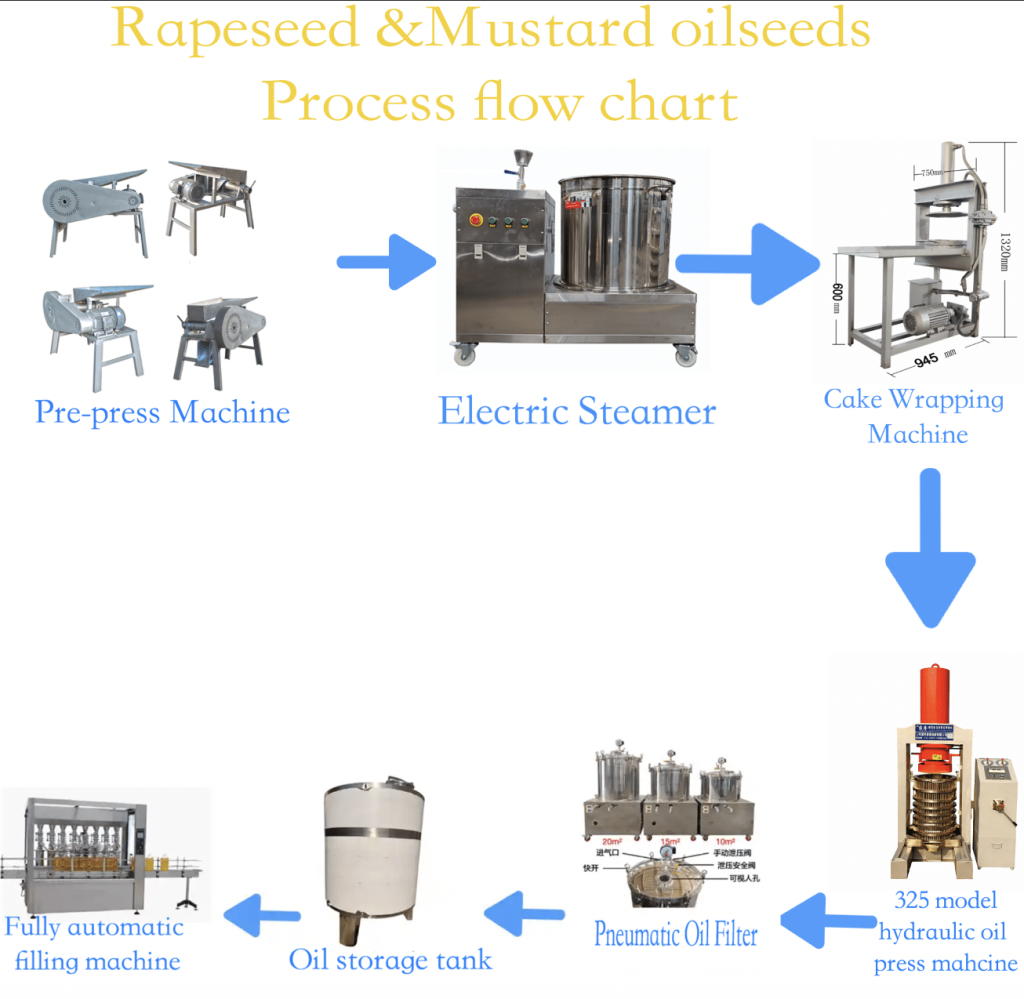
Rapeseed and mustard oil process flow
The original chart links pre-pressing, steaming, cake wrapping, hydraulic pressing, filtration, storage, and filling.
Qualify the seed before locking the hot or cold route
Send the rapeseed or mustard type, sample or photos, moisture and impurities, desired oil route, daily input, operating hours, utilities, workshop dimensions, filtration and packaging scope, cake plan, and destination.