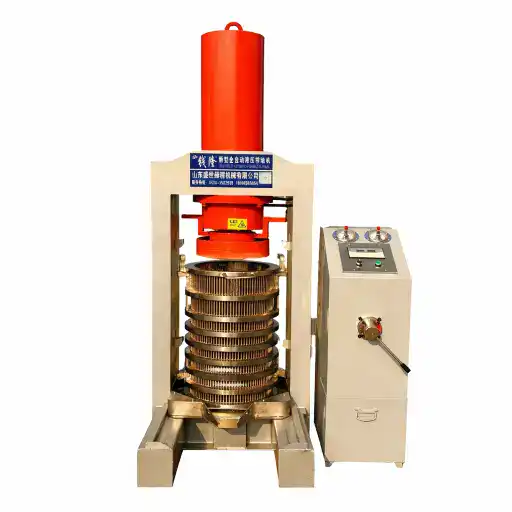
Flaxseed / linseed cold-press guidance
Control the crushed feed before selecting a cold-press model
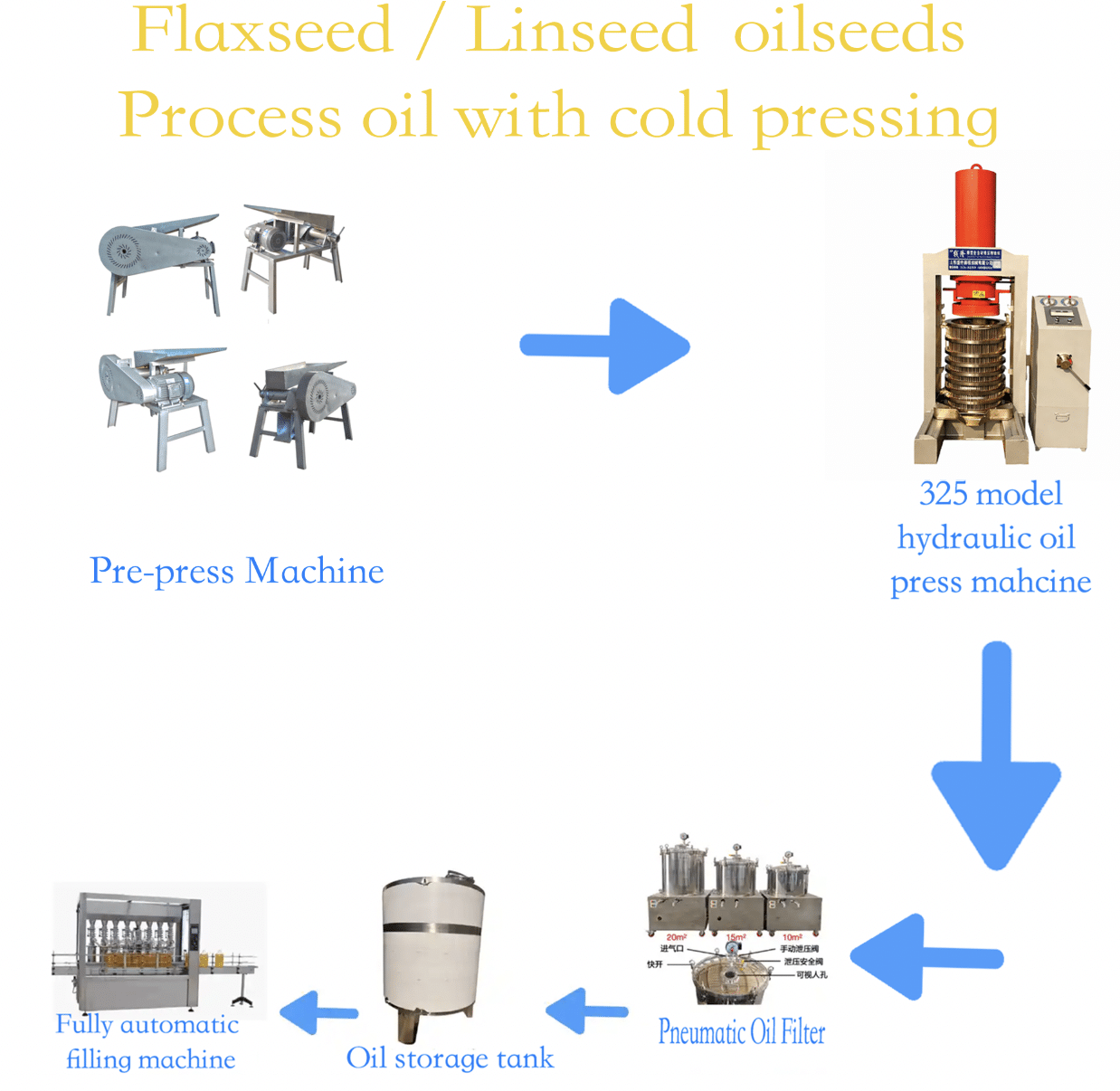
The existing flaxseed route uses pre-press crushing followed by direct hydraulic cold pressing, pneumatic filtration, clean storage, and optional filling. Final batch size and cycle must be confirmed with the actual seed rather than copied from a generic barrel figure.
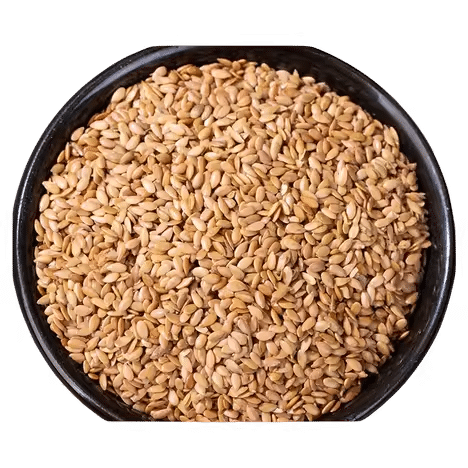
Core route
Keep the conversion sequence simple and the test data complete
The current page does not include roasting or steaming in the flaxseed route. Cleaning and moisture control may still be required before crushing, depending on the incoming lot.
Feed preparation
Whole seed, crushed feed, and fines are not the same press input
The cold-press product page bases its barrel-volume references on oilseed in crushed powder form. A flaxseed project should therefore define the crusher result and handling behavior before selecting the barrel.
| Material question | Project effect | Evidence to request |
|---|---|---|
| Seed cleanliness | Foreign material can affect crushing, barrel loading, and final oil cleanliness. | Representative sample, impurity description, and proposed screening route. |
| Moisture | May change crushing behavior, compaction, oil flow, and cake release. | Measured incoming value and trial value for the accepted result. |
| Crusher result | Particle form and fines affect transfer and pressing behavior. | Photos, sample, crusher setting, and output distribution where available. |
| Barrel load | Generic maximum volume may not be the usable flaxseed batch. | Tested feed weight, barrel, partitions or cloth, and safe loading procedure. |
| Oil and cake acceptance | Determines cycle endpoint, filtration, and downstream handling. | Agreed oil measurement, cake analysis method, clarity target, and intended cake use. |
Published planning figures
Use the barrel and cycle values as initial references
- The existing guide lists Models 355, 400, 426, 480, and 500 for flaxseed cold pressing.
- It describes a 390 mm diameter by 800 mm barrel with up to 100 kg of crushed material.
- It allows about two hours for one barrel and uses five presses in its worked line example.
- The current cold-press product page states that its two-hour figure excludes feeding and cake unloading.
Conditions are missing
The guide does not publish flaxseed variety, moisture, crusher output, cloth or partition arrangement, pressure sequence, oil-temperature limit, cycle endpoint, or operator method. Confirm the actual batch and total cycle through a material test.
Equipment and outputs
Configure crushing, pressing, filtration, and cake handling together
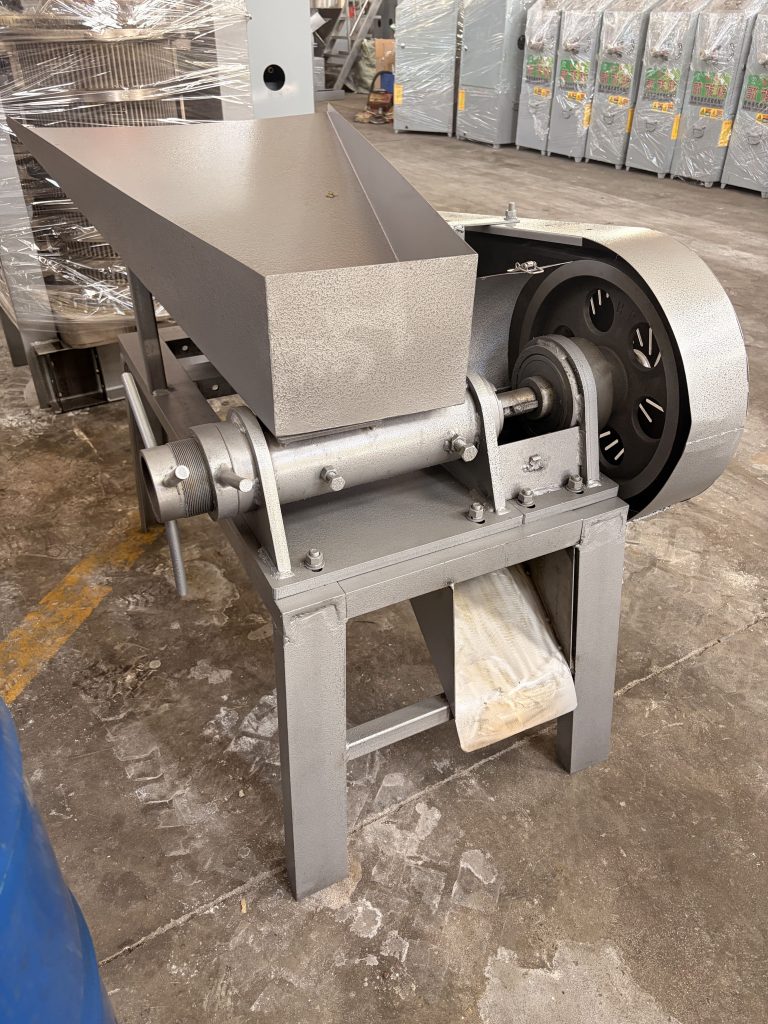
Pre-press crushing
Confirm the required particle form and the material-specific output before matching the crusher to the press schedule.
Review the pre-press crusher →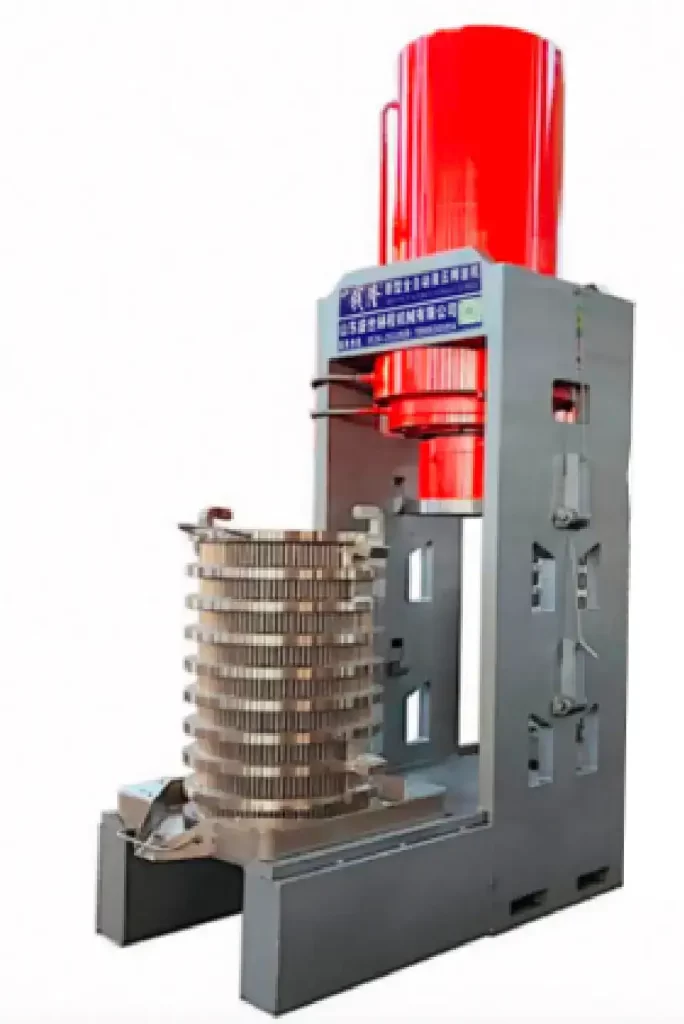
Hydraulic cold press
Choose barrel and press force from the tested load, cycle, oil flow, and cake condition rather than the highest tonnage.
Review the cold-press family →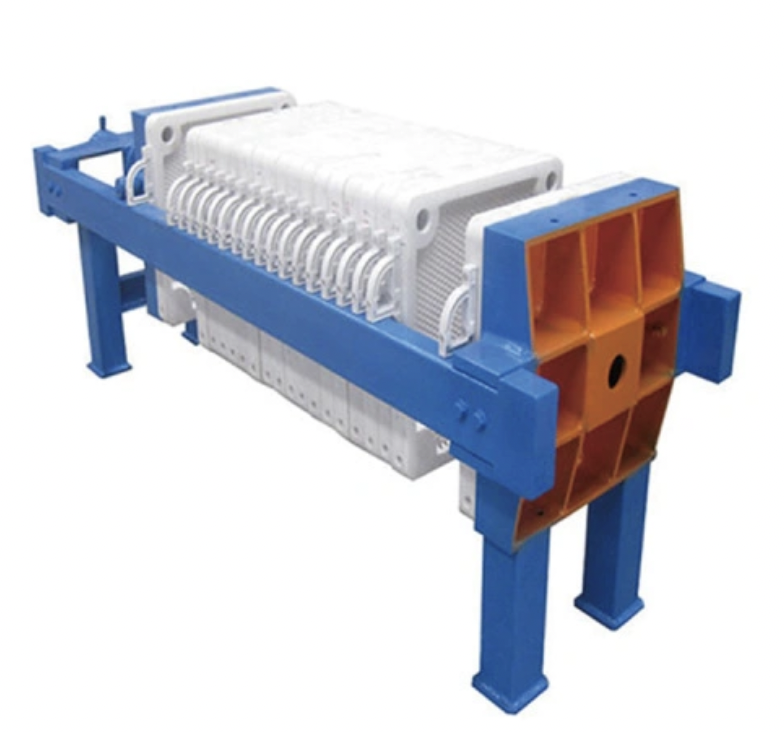
Oil filtration
Match filter area and operating routine to the actual crude-oil flow, suspended solids, required clarity, and storage schedule.
Review the pneumatic filter →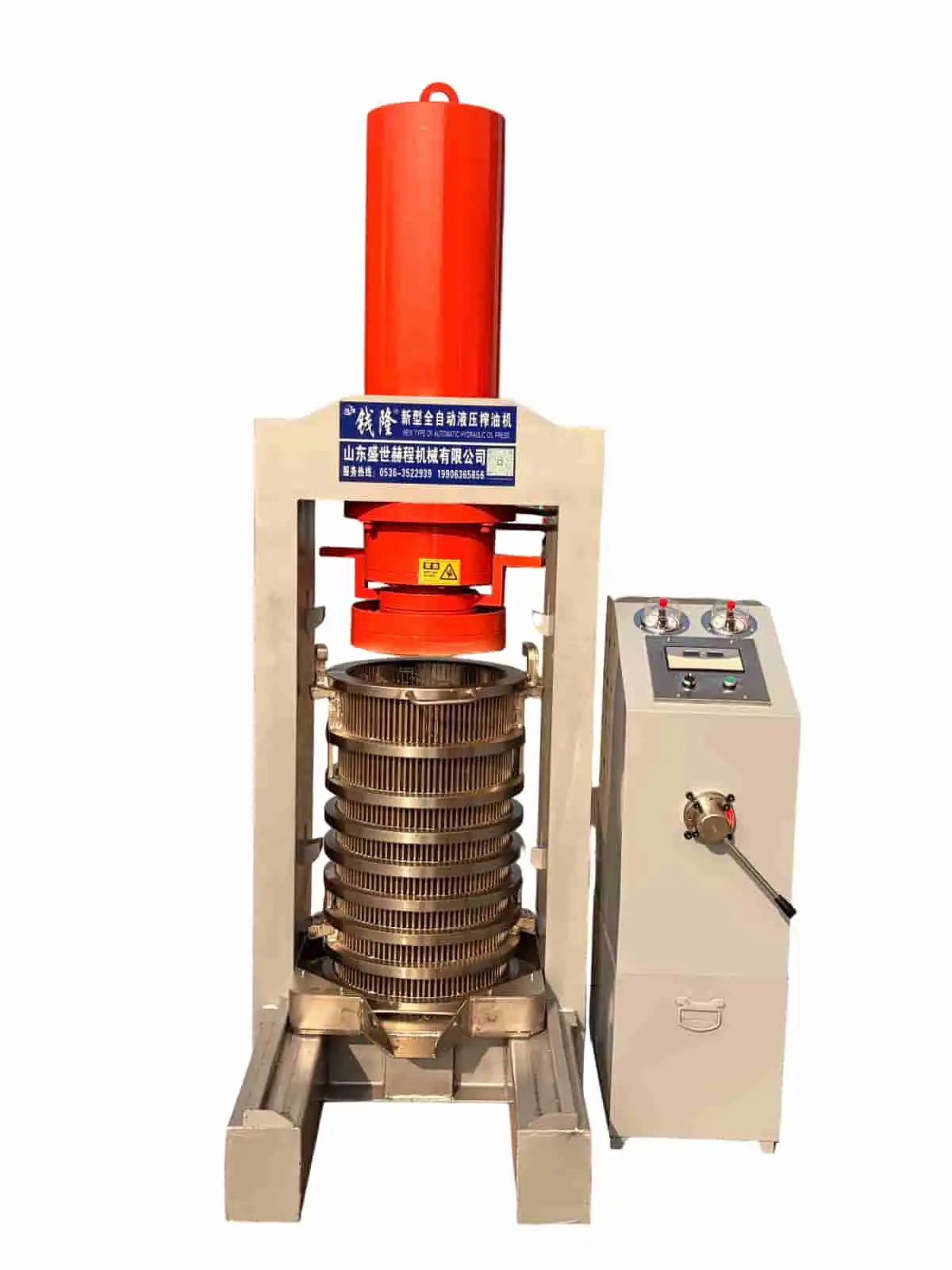
Cake handling
Define whether cake stays whole, moves to storage, or is pulverized for its intended downstream use.
Review the cake pulverizer →Existing cold-press reference
Separate visible operation from verified performance
The existing video is useful for reviewing loading, pressing, oil collection, and cake handling. It does not document the seed lot or test method required to guarantee a specific output or oil quality.
- Record feed preparation and exact batch weight
- Record pressing time and total door-to-door cycle
- Weigh oil, filter residue, and cake consistently
- Retain a sample for the buyer’s required analysis
Buyer configuration checklist
Send the information that defines the cold-press package
- Flaxseed or linseed type, source, sample, moisture, and cleanliness
- Whole seed or pre-crushed incoming material
- Required daily input, shifts, and operating hours
- Oil temperature or process limit required by the buyer
- Required filtration result, storage, and bottle format
- Cake destination and any pulverizing requirement
- Power supply, workshop dimensions, lifting and service access
Avoid unsupported product claims
The original guide describes fixed oil color, nutrition preservation, unattended labor, and dual-barrel productivity without controlled test evidence. Confirm product quality through the buyer’s required laboratory methods and confirm staffing from the final layout and operating procedure.
Related planning pages
Continue from the material trial into the complete line
Restored original media
Second flaxseed cold-pressing reference
The earlier guide included this additional operating video and process image.
Cold-pressed Flaxseed oil Multi-purpose in One machine, saving time and labor#hydraulicoilpress
Original operating reference restored from the earlier page.
Restored photographs
Restored machine detail
Original photograph restored from the earlier page.
Choose the flaxseed press from a controlled batch test
Send the seed sample or specification, moisture and impurities, crushed-feed requirement, daily input, operating hours, process limits, oil and cake acceptance criteria, filtration and filling scope, power, workshop dimensions, and destination.