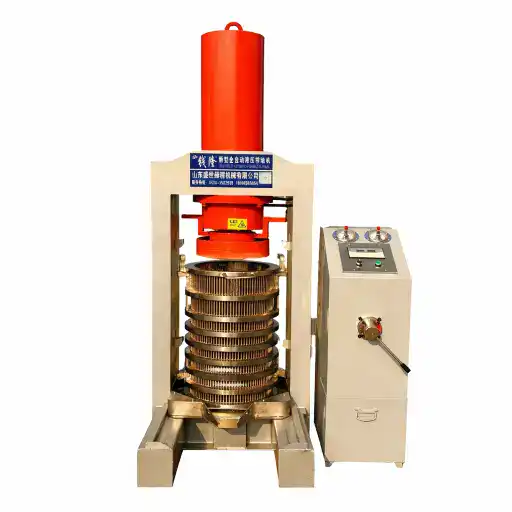
Edible oil production planning
Configure the complete route around the oilseed and finished product
A practical line can start with cleaning, preparation, hydraulic pressing, and filtration, then expand into refining, storage, filling, and packaging when the project requires them.
Cooked or conditioned material
Hot-press production lines
Typical hot-press projects combine cleaning, crushing, cooking or roasting, hydraulic pressing, and oil filtration.
- Suitable for oilseeds processed after conditioning
- Built around 300 or 325 model presses
- Can continue to refining and bottle filling
Lower-temperature processing
Cold-press production lines
Cold-press routes focus on raw-material control, higher press-force choices, filtration, and careful downstream handling.
- Suitable for premium or temperature-sensitive products
- Five press-force choices from 370 to 630 tons
- Line layout depends on shell, moisture, and feed condition
Process structure
Build only the modules the product needs
The exact sequence changes with the oilseed and commercial specification, but most projects are planned around the same six decisions.
Equipment sections
From incoming seed to packaged oil
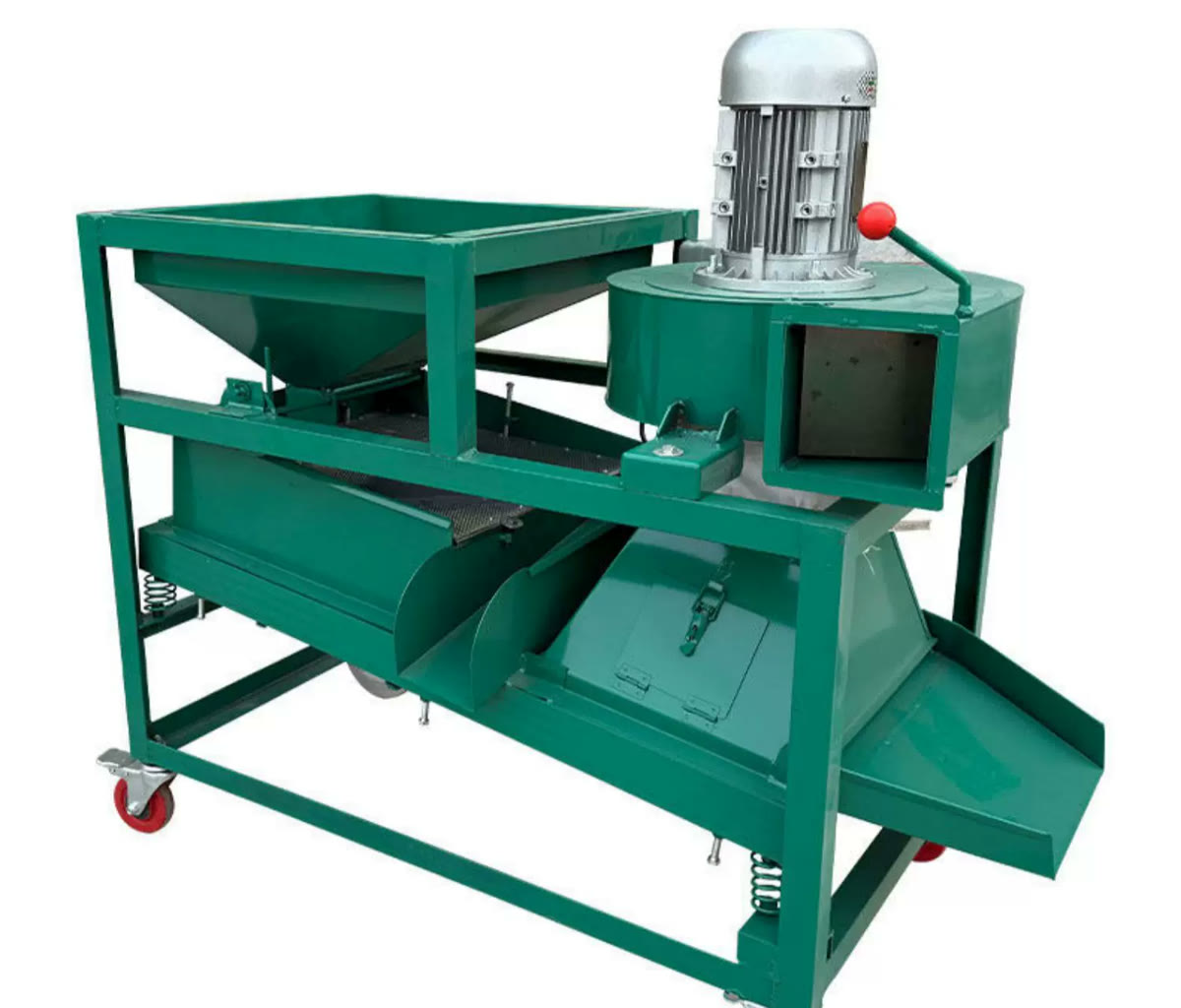
Preparation
Screening, cleaning, crushing, heating, roasting, or conditioning according to the raw material.
Preparation equipment →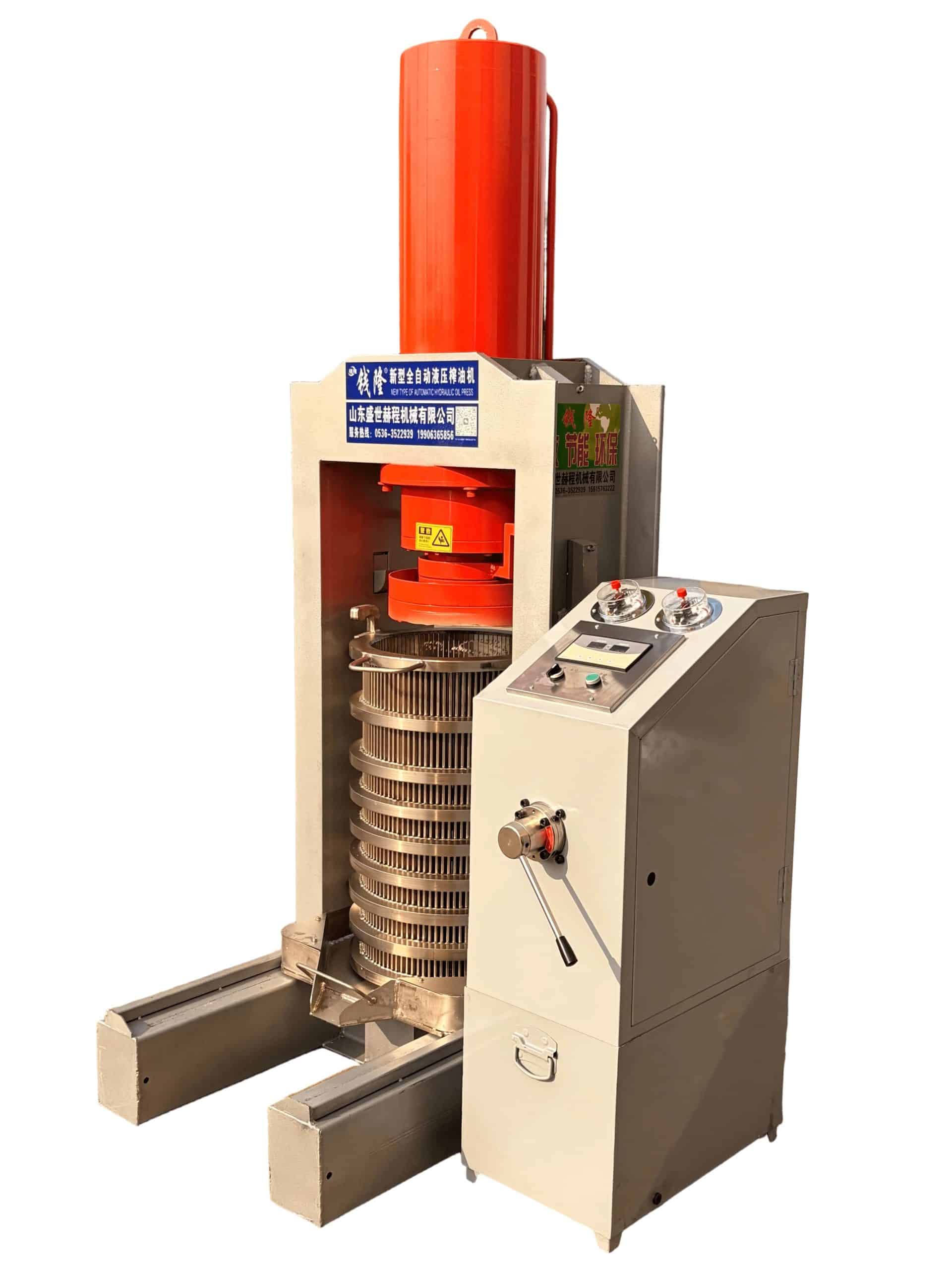
Pressing
Select hot or cold pressing, machine force, barrel diameter, batch volume, and cycle arrangement.
Hydraulic press models →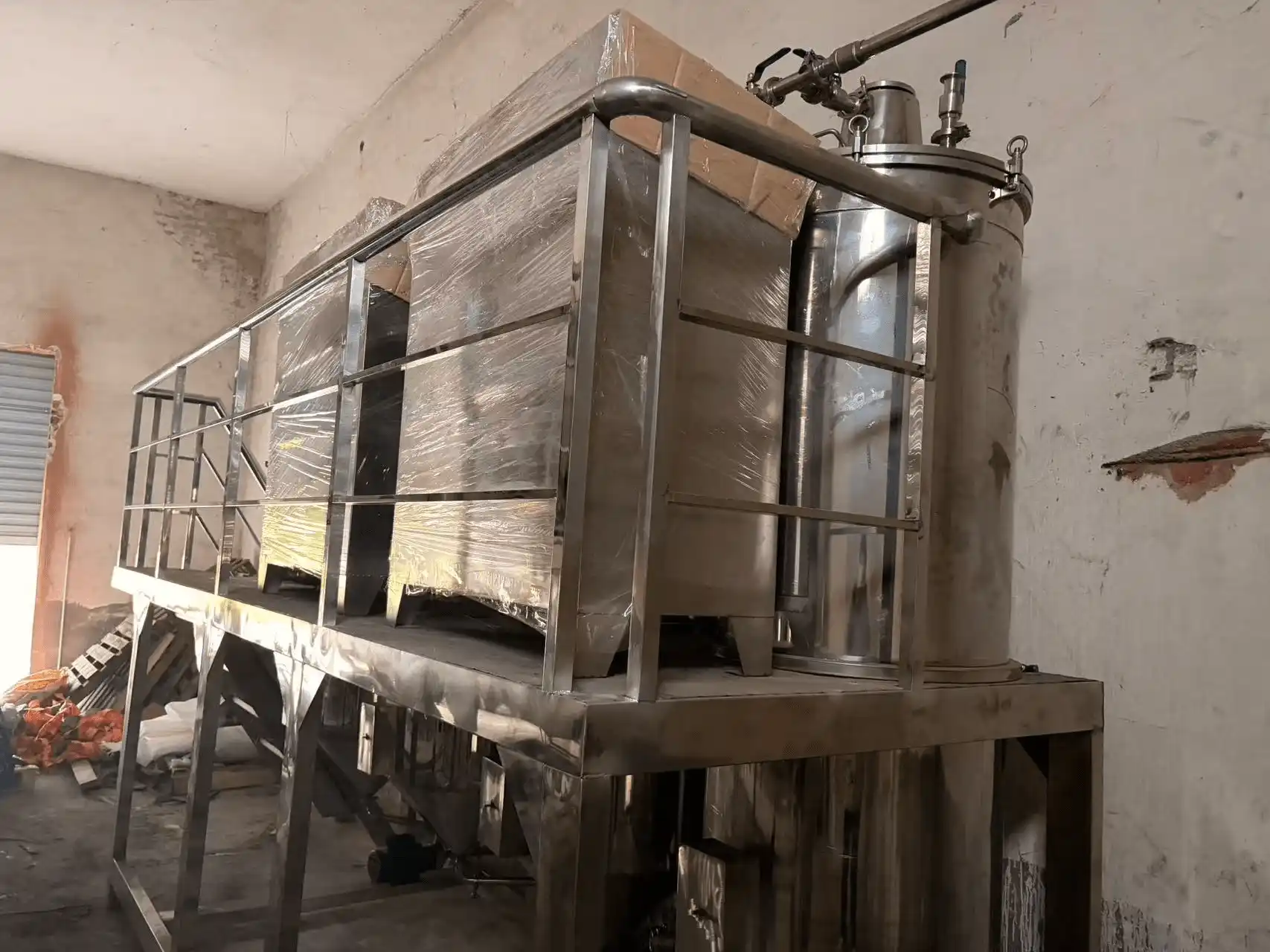
Refining and storage
Add refining and storage tanks where the crude oil must meet a cleaner finished-oil specification.
Refining line options →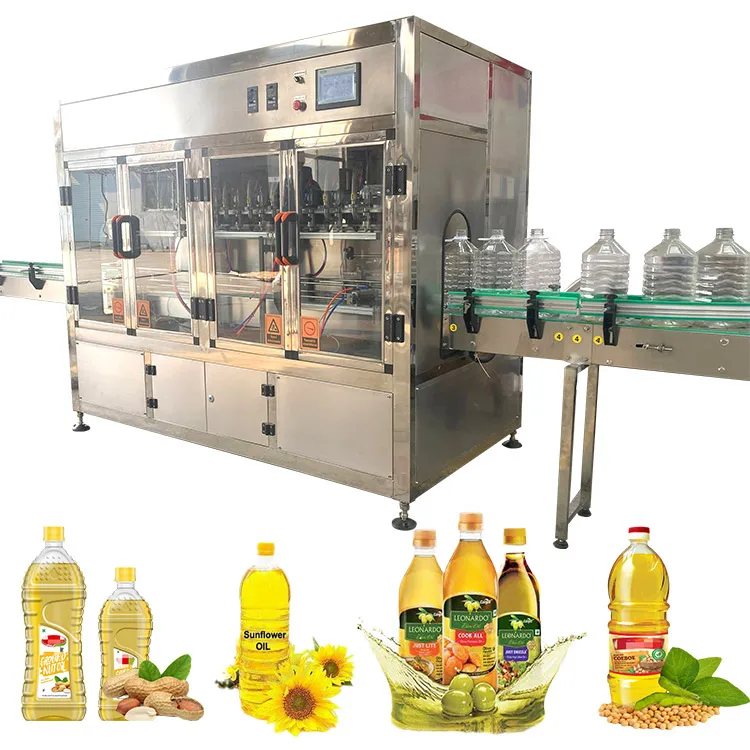
Filling and packaging
Match the filling method to bottle size, line speed, closure, label, coding, and final carton requirements.
Filling equipment →Production lines by oilseed
Open the route closest to your raw material
Project scope
Information needed for a useful line proposal
- Oilseed type, moisture, shell, and incoming cleanliness
- Daily output and planned operating hours
- Hot pressing or cold pressing preference
- Crude, filtered, or refined finished oil
- Bottle size, packaging format, and automation target
- Workshop dimensions, utilities, voltage, and destination
Start small without blocking expansion
A startup line can begin with preparation, pressing, and filtration. Refining and automatic packaging can be added later when the product specification and sales volume justify the next stage.
Original page media
Peanut pressing example from the earlier directory
This short field clip was previously present on the production-line directory. Frame inspection confirms that it shows peanut oil pressing.
Peanut oil at the hydraulic press outlet
Use this clip as one peanut-line example within the wider production-line directory.
Line planning references
Complete the parent-to-child production-line map
These pages cover line modules or industrial routes that should remain discoverable from the production-line hub.
Turn the oilseed and output target into a line layout
Send the raw material, process preference, finished-oil specification, packaging format, workshop size, power supply, and destination country.
Project planning
Configure the right oil press and production line
Send your oilseed, target output, bottle or packaging requirements, power supply, and destination country. We will match the machine, supporting equipment, and line layout.