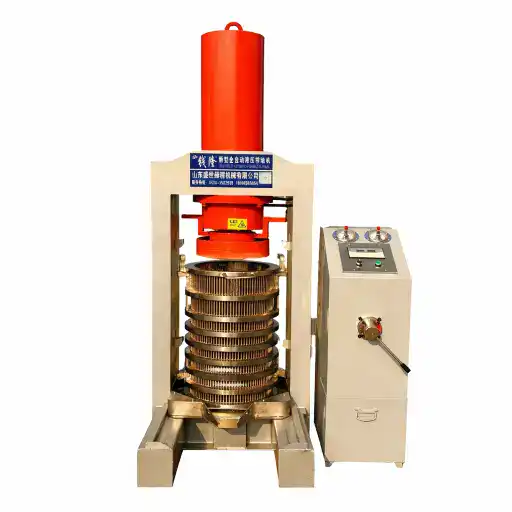
Korean-type small-batch sesame presses
Choose the KHOP model around batch demand and shop workflow
The small sesame oil press family is designed for batch production in sesame oil shops, organic food stores, supermarkets, farmers markets, and small processing businesses. The current range groups 10 kg, 15 kg, and 20 kg options, with sesame as the primary recommended material.
Family comparison
Three source-listed batch sizes for different shop demand levels
The distinctions below follow the current family page. They are selection cues, not substitutes for checking the model page, utilities, material preparation, and planned operating schedule.
| Model | Listed batch capacity | Source-page application | Source-page positioning |
|---|---|---|---|
| KHOP-10KG | 10 kg per batch | Small shop or startup business | Compact size and straightforward operation for small daily production or initial market testing. |
| KHOP-15KG | 15 kg per batch | Established small business or oil store | A middle option described as balancing output and efficiency, with higher productivity than the 10 kg model. |
| KHOP-20KG | 20 kg per batch | Higher-demand shop or small factory | The largest listed family option, positioned for stable demand and continuous daily production. |
Practical fit
Use this family for sesame-led small-batch production
The source page emphasizes soft, oil-rich material and shop-scale batches. It also draws a clear boundary between this family and industrial presses intended for larger-capacity, multi-oilseed production.
Primary use
Sesame oil for retail and small commercial sale
The compact hydraulic format is presented for fresh sesame oil production in customer-facing or small-workshop environments.
- Sesame is the primary recommended raw material
- Small batches support press-and-sell shop workflows
- The family page describes both cold pressing and roasted hot pressing
- Stainless steel body and hydraulic pressing system are listed family features
Selection boundary
Move to an industrial press for broader or heavier duty
The current page does not position the small KHOP family as a universal press for every oilseed or for bulk factory output.
- Do not size a project from model name alone
- Confirm any non-sesame material with a representative sample
- Use an industrial press route for large capacity or multi-seed production
- Balance preparation, pressing, oil collection, and cake handling together
Typical sesame workflow
Preparation determines the oil profile before the press cycle begins
The source describes a simple retail workflow and also notes the difference between low-temperature pressing and roasted sesame used for a fragrant hot-pressed oil.
Reference operating notes
Keep field examples separate from the rated KHOP model choice
These values are retained from the current page as worked references. They are not guaranteed results or specifications for every 10 kg, 15 kg, or 20 kg configuration.
| Source-page reference | Value or observation | How to use it |
|---|---|---|
| Family batch range | 5-20 kg per batch | Use the individual 10 kg, 15 kg, and 20 kg model pages for the actual family choice. |
| Small-barrel field note | A 300 mm barrel is described with roughly 5-40 kg sesame loading. | Treat this as a broader field example, not a KHOP model rating; confirm the supplied chamber and working load. |
| Cake residual-oil reference | About 2-5% in a well-run sesame line. | This is a source-page reference value, not a performance guarantee. Seed condition, preparation, and operation affect the result. |
| Barrel loading method | Sesame is described as being poured directly into the barrel without cake cloth. | Confirm the loading procedure and chamber supplied with the selected model. |
| Oil drainage | The bar-slot barrel provides a large drainage area. | Plan a clean oil tray and collection container beneath the discharge area. |
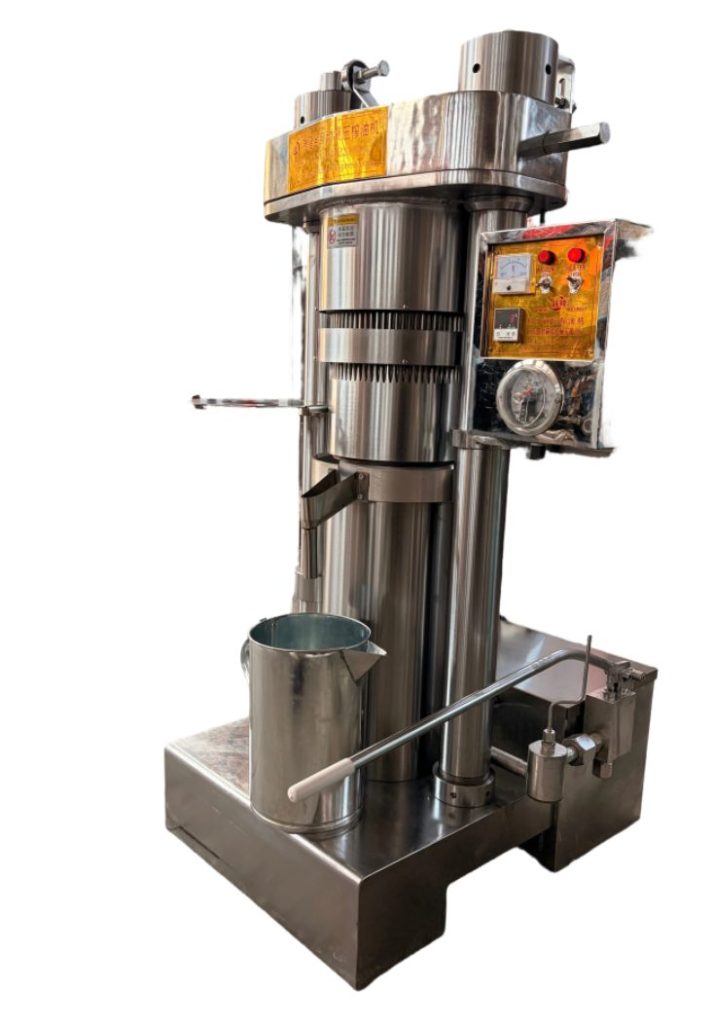
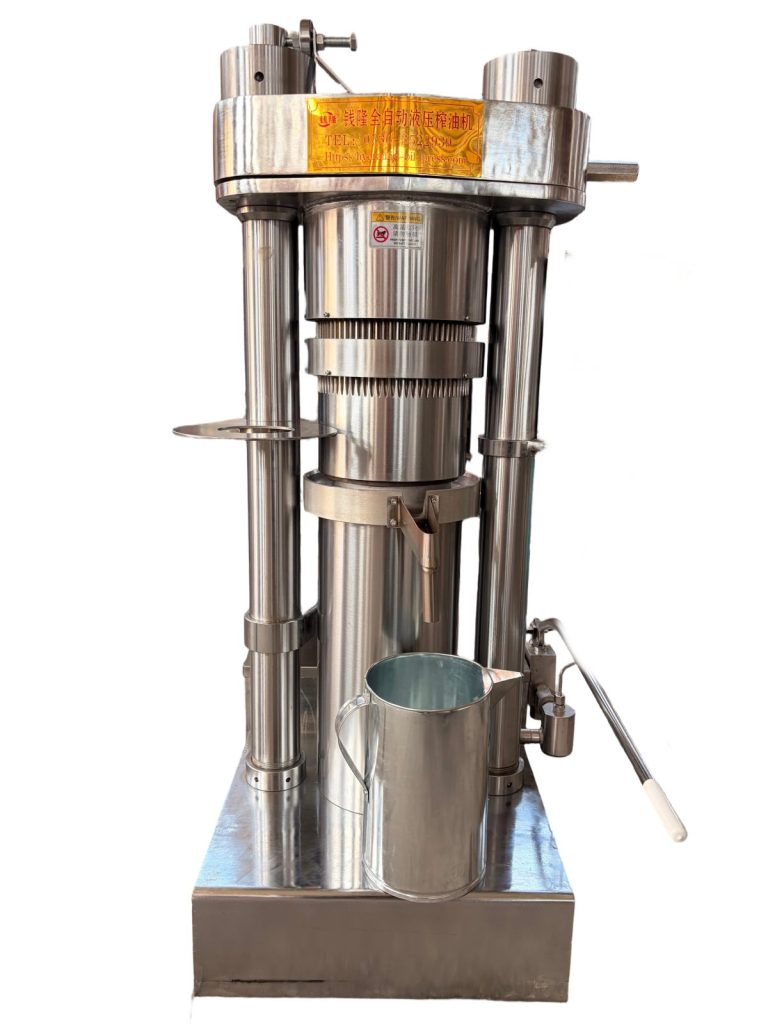
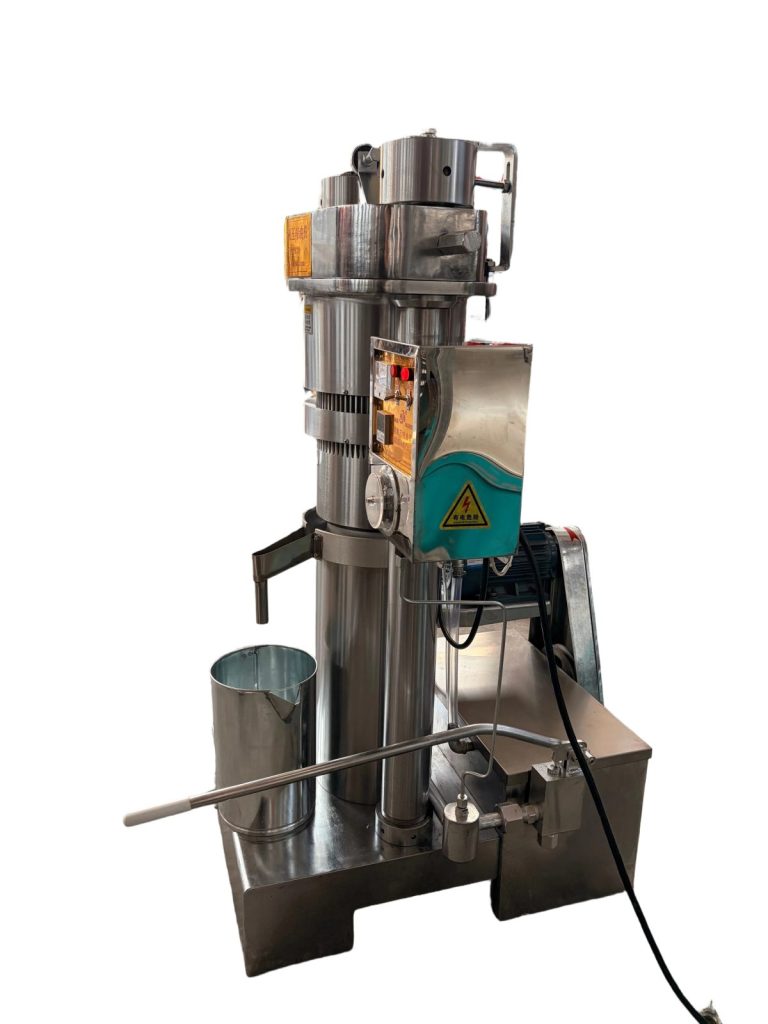
Equipment and material views
Inspect the machine format and the sesame input
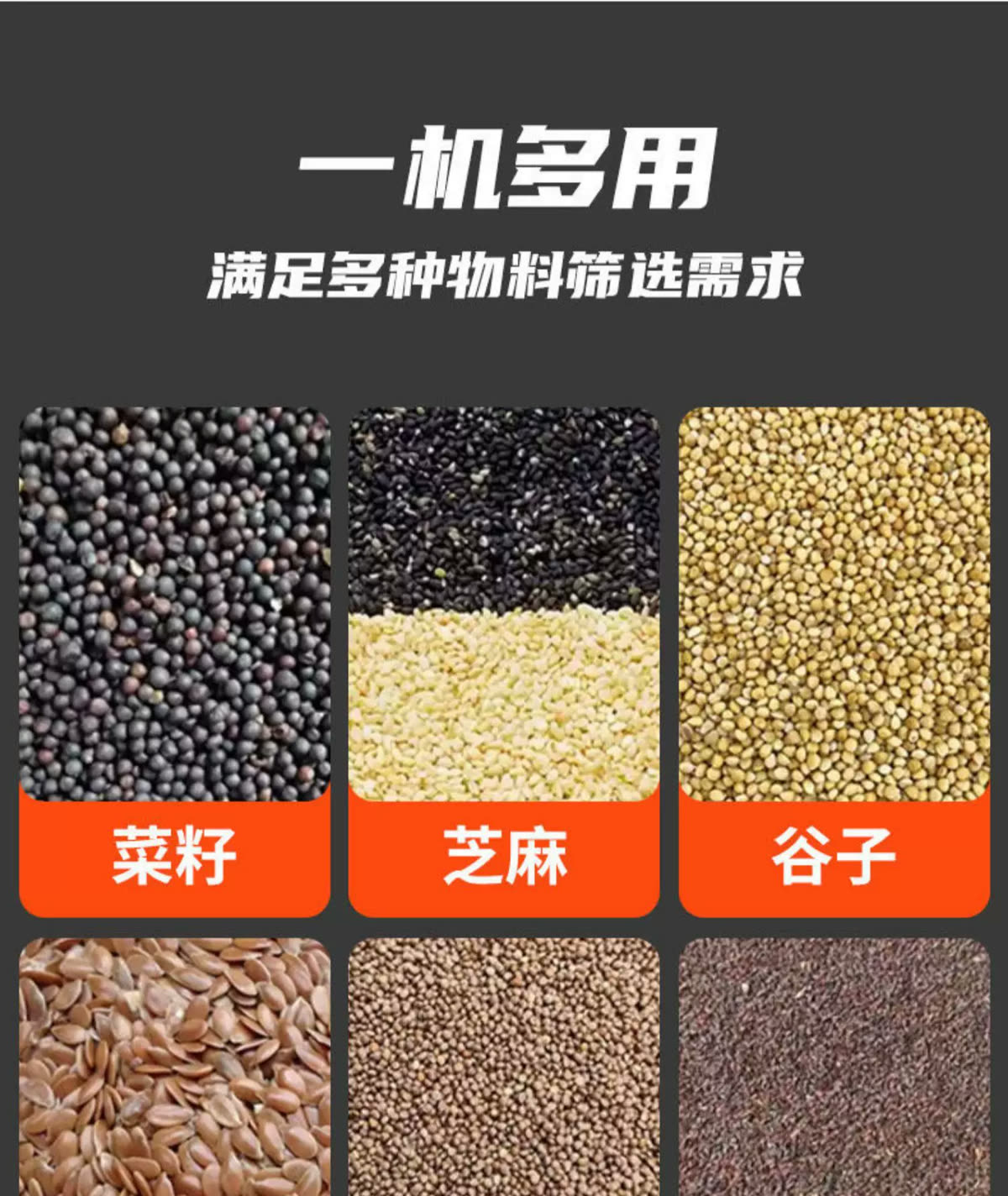
The first three images are equipment media retained from the family page. The final site image shows black and white sesame among other small oilseeds for material identification.
Buyer configuration checklist
Define the shop and sesame process before requesting a model
- Daily sesame input and planned operating hours
- Required batch size: 10 kg, 15 kg, or 20 kg
- Cold-pressed product or roasted hot-pressed sesame oil
- Incoming seed cleanliness, moisture condition, and sample availability
- Upstream cleaning and roasting equipment already available
- Shop or workshop dimensions, door access, and floor position
- Local voltage, phase, frequency, and electrical connection
- Oil collection, clean storage, and direct-sale workflow
- Cake removal and handling plan
- Itemized supply scope, tools, consumables, and recommended spare or wear parts
- Destination country and delivery requirements
Confirm what is included
The current family page does not define a standard accessory or spare-parts package. Ask for a written supply list covering the pressing chamber, oil tray or collection items, controls, tools, documentation, and recommended startup spares.
For any material other than sesame, share the exact seed and a representative sample before treating it as an approved application.
Continue the comparison
Open the matching model or the wider sesame process
Shop business planning
Use the compact machine with a realistic production plan
These pages cover batch output, retail use, and the transition to a larger hot-press model.
Match the KHOP model to the actual shop workflow
Send the sesame type, daily input, preferred batch size, hot or cold process, operating hours, shop dimensions, local power supply, destination country, and the equipment already available.