Avocado oil process selection
Decide between a hydraulic trial and an industrial centrifuge line
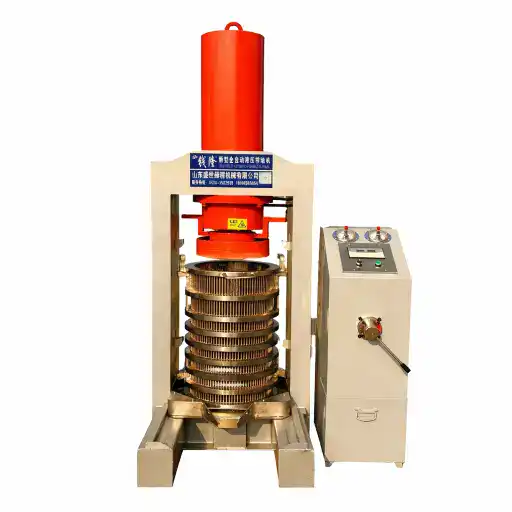
Fresh avocado is a high-moisture fruit with soft pulp, not a dry oilseed. The current page therefore limits hydraulic pressing to prepared, de-stoned material in pilot or small-batch work and recommends a centrifuge-based extraction route for commercial avocado oil factories.
Suitability first
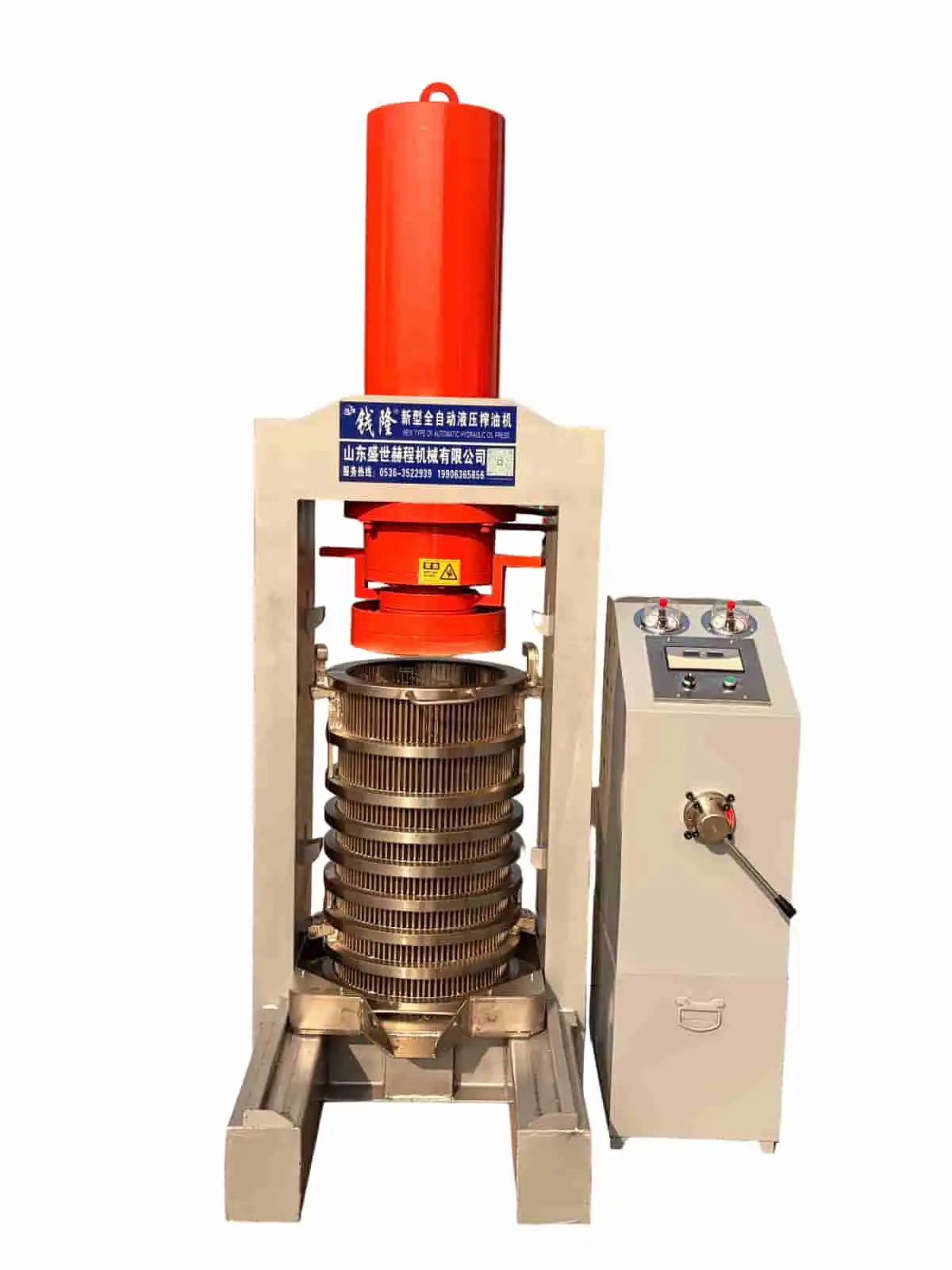
A hydraulic oil press is not the default industrial avocado solution
Whole fresh avocado contains substantial water and soft pulp, so a conventional oilseed pressing assumption does not apply. Pressing can produce a mixture of oil, water, and pulp that still requires separation.
- Do not load whole fruit with the stone intact.
- Define whether skin remains with the pulp.
- Confirm cutting, crushing, and any mild heating before the trial.
- Plan oil-water-solids separation after pressing.
Two project routes
Match the extraction method to the scale and objective
The hydraulic route is a conditional batch option. The industrial route is built around fruit preparation, malaxation, and centrifugal separation.
Conditional use
Hydraulic pilot or artisan route
The existing page allows hydraulic pressing when the avocado is de-stoned and pre-treated. It describes processing skin and pulp together and lists approximately 100-150 kg per batch as the loading reference.
- Remove the stone before size reduction
- Cut or crush the fruit to a consistent prepared feed
- Use a controlled batch trial before selecting equipment
- Collect the oil-water-pulp mixture for separation
- Confirm cleaning between batches
Commercial factory route
Malaxation and centrifuge extraction
For industrial production, the current page recommends washing and sorting, de-stoning and peeling, crushing and malaxation, decanter extraction, vertical centrifuge separation, filtration, and clean storage.
- Control incoming fruit maturity and condition
- Separate stones before pulp preparation
- Define malaxation and transfer requirements
- Use primary and polishing separation stages as specified
- Match filtration and storage to the finished-oil plan
Recommended industrial sequence
Separate fruit preparation from oil polishing
The six-stage sequence below reproduces the process direction on the current page. Equipment and operating settings must be specified against the fruit and target product.
Hydraulic trial boundary
Define what the published 100-150 kg batch reference actually covers
The source page gives a loading range but does not publish the fruit variety, maturity, pulp moisture, preparation method, press model, hold time, recovery, or finished-oil output. Those items must be recorded in a trial.
| Trial item | Current-page position | What the buyer should confirm |
|---|---|---|
| Raw material | De-stoned avocado; skin and pulp processed together | Fruit variety, maturity, damage, storage time, and whether peeling is required. |
| Pre-treatment | Cutting, crushing, or mild heating | Exact particle size, temperature, holding time, and feed consistency. |
| Published loading reference | Approximately 100-150 kg per batch | Selected press and barrel, practical fill volume, cycle, and cleaning time. |
| Press discharge | Mixture of oil, water, and pulp | Expected phase behavior and the required separation and polishing equipment. |
| Intended use | Small-scale, laboratory, pilot, farm-level, or artisan processing | Whether a trial system can meet the required daily output and product consistency. |
Loading is not oil output
The 100-150 kg figure refers to the source page’s prepared-material loading range. It is not a published oil yield, recovery percentage, or daily production figure.
Customer reference video
Observe the batch method before treating it as a production solution
The existing page includes this customer video of a 6YZ-series hydraulic press handling prepared avocado. Use it as a process reference only; it does not establish the capacity, recovery, or configuration of the machine proposed for a new project.
- Ask what fruit preparation occurred before the recorded press cycle.
- Confirm the amount actually loaded and the pressing hold time.
- Document the liquid composition and separation steps after pressing.
- Compare cleaning labor and cycle repeatability with the daily target.
Downstream separation
Pressing is only the first separation step
Because the hydraulic discharge contains water and suspended pulp, the oil side must be designed as a sequence rather than a single filter purchase.
Primary discharge
Oil, water, and pulp mixture
Provide a controlled collection vessel and avoid describing the press discharge as finished avocado oil.
Bulk separation
Centrifuge or gravity separation
The source lists centrifugal separation and gravity oil-water tanks as possible post-press methods.
Oil polishing
Final filtration
Select filtration after the free water and larger pulp fraction have been addressed by the proposed process.
Finished handling
Clean storage and filling
Define storage conditions, container format, and filling scope only after the required oil condition is clear.
Buyer configuration checklist
Information needed for an honest process recommendation
- Fruit variety, maturity, harvest-to-processing time, and incoming condition
- Pilot test, artisan batch production, or industrial factory objective
- Daily fruit input, operating hours, and seasonal availability
- De-stoning, peeling, crushing, and malaxation scope
- Required oil grade and intended edible or cosmetic application
- Water, solids, wastewater, and by-product handling plan
- Storage, filling, and cleaning requirements
- Workshop, utilities, power supply, and destination country
Start with a process decision, not a press model
A hydraulic trial may answer a product-development question, while an industrial factory needs a line built around pulp preparation and centrifugation. State the objective and acceptable oil condition before requesting machinery.
Related planning pages
Continue the avocado project review
Define the avocado process before requesting equipment
Send the fruit condition, project scale, daily input, target oil use, proposed preparation, separation requirement, workshop utilities, and destination so the hydraulic and centrifuge routes can be assessed honestly.