Soybean process decision guide
Define the product and pretreatment before counting presses
A soybean project can use hot pressing after crushing, heating, and steaming, or cold pressing after controlled preparation. The practical choice affects equipment count, utilities, labor flow, filtration, expansion, and the type of test required before a quotation is reliable.
Decision order
Make four choices before selecting a model
This sequence keeps the press from becoming an isolated purchase that the preparation or filtration section cannot support.
Route fit
Hot pressing adds conditioning; cold pressing still needs preparation discipline
Choose from the required product and the site’s operating capability. Do not choose cold pressing only because it has fewer visible machines, or hot pressing only because it appears easier to scale.
Conditioned soybean
Hot-press route
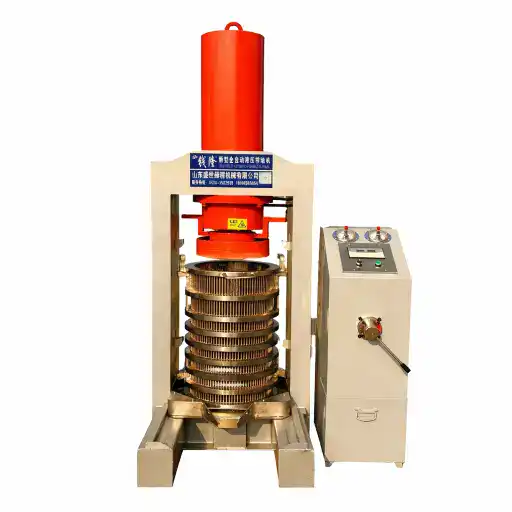
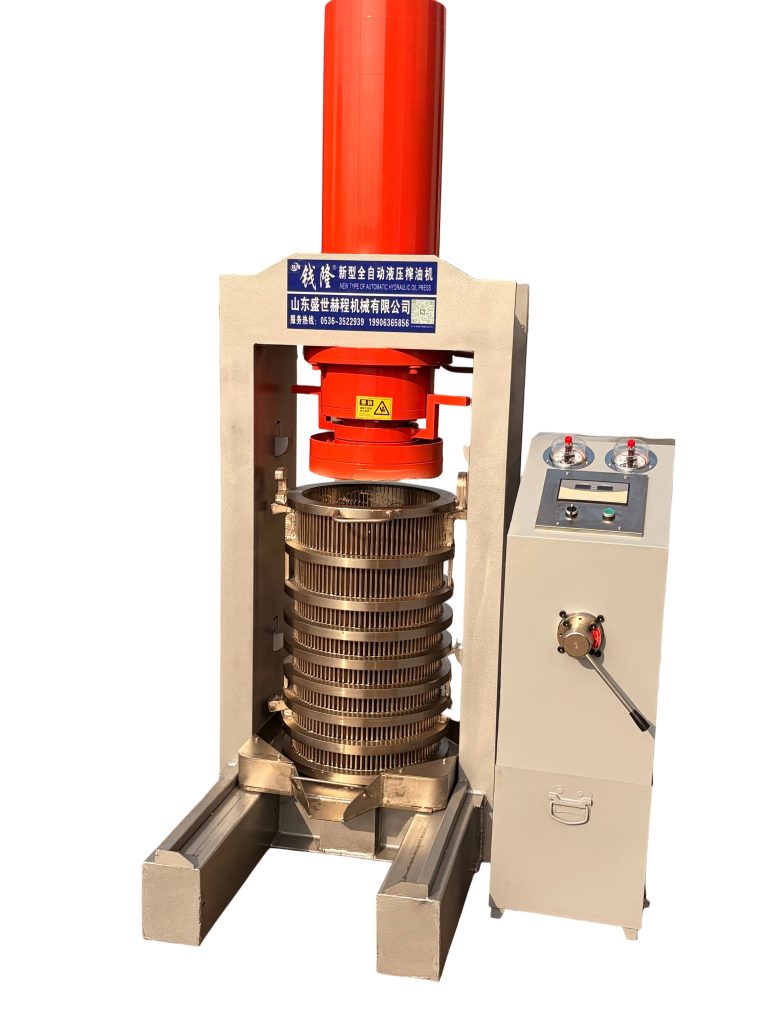
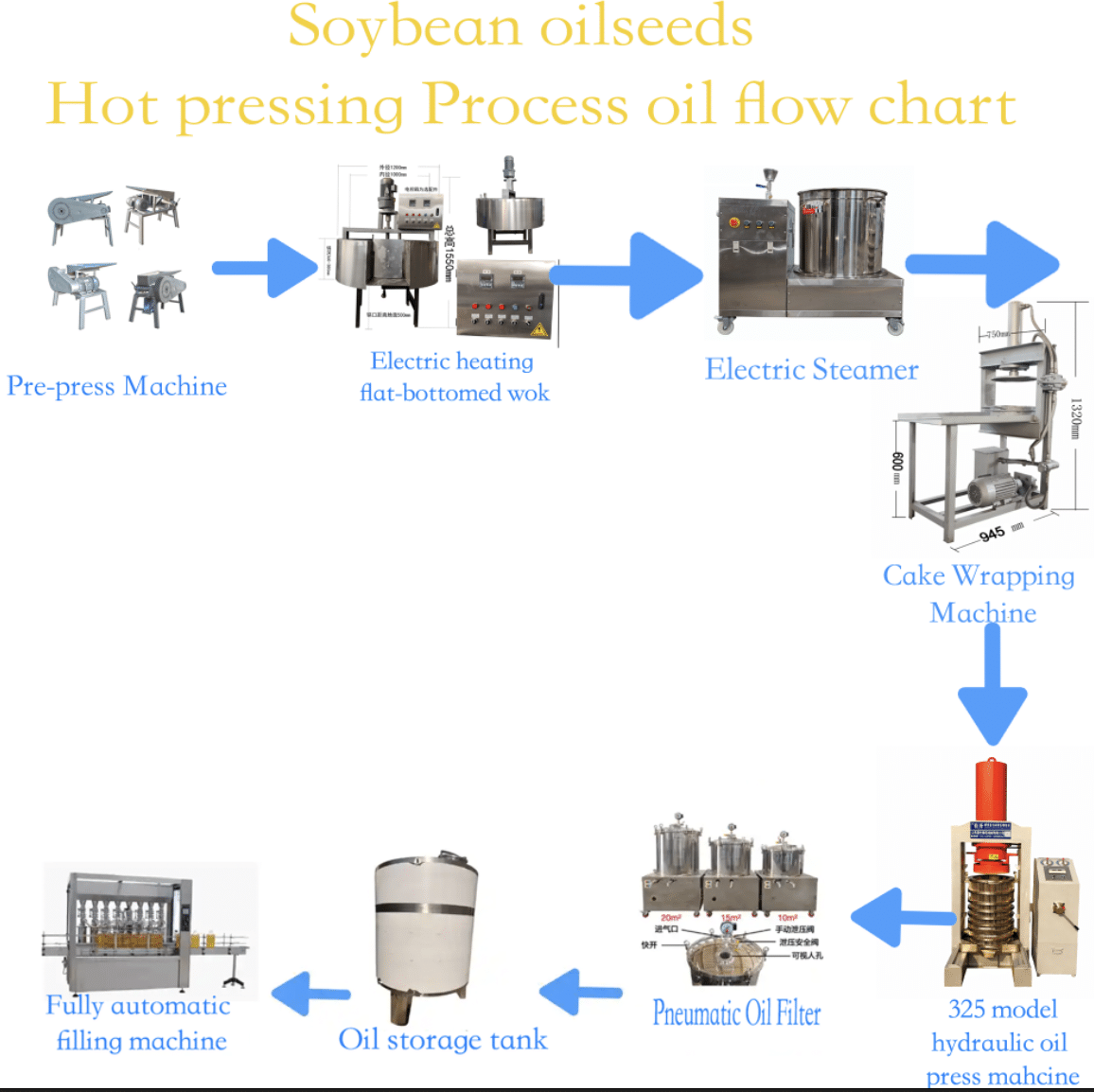
The existing line crushes soybean, uses heating and steam conditioning, then loads a Model 325 hot-press machine before filtration.
- More preparation equipment and transfer points
- Requires coordinated heating and steaming utilities
- Press count must be matched to the conditioning schedule
- Suitable only when the site can control the added steps
Direct after controlled crushing
Cold-press route
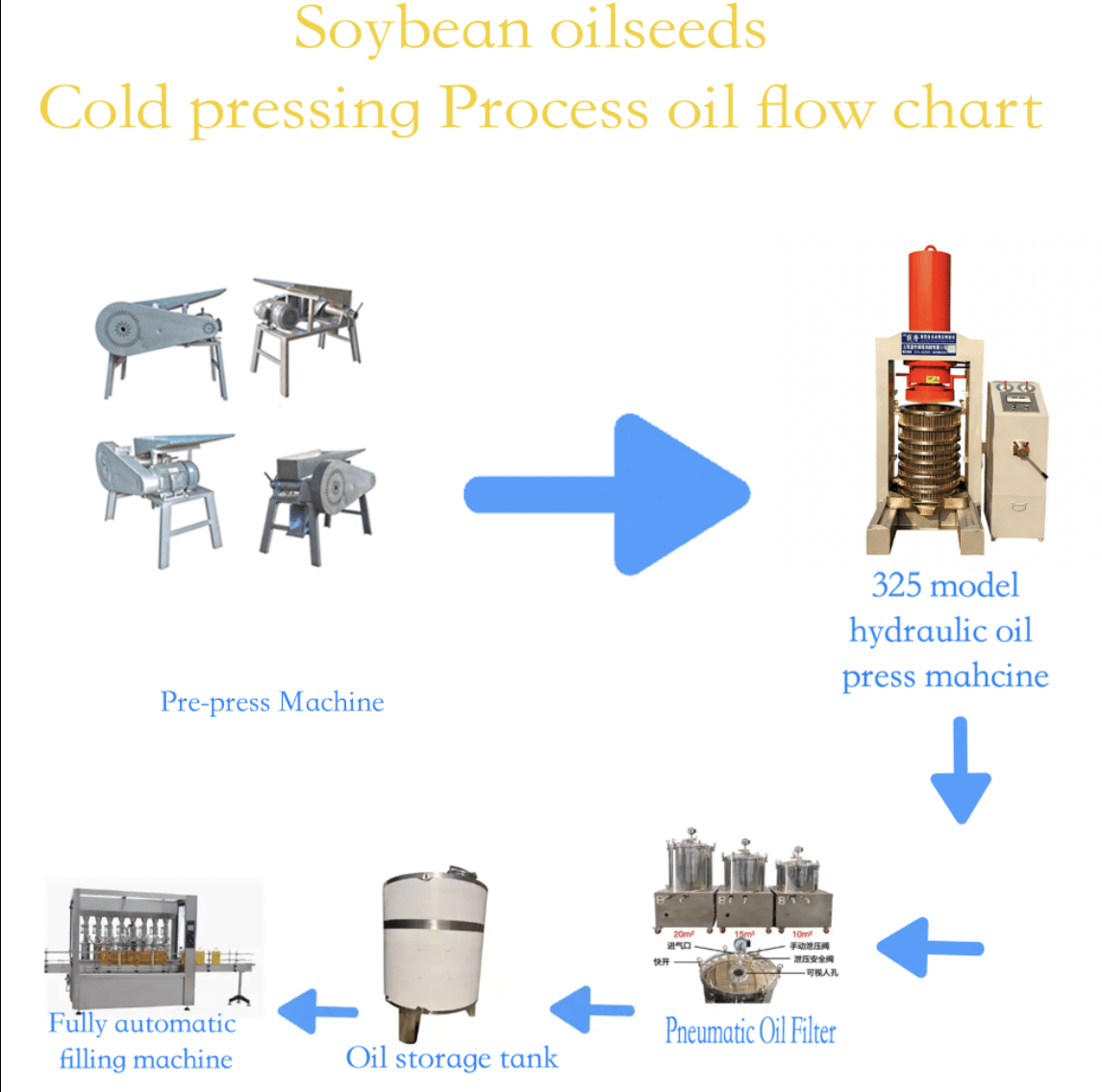
The cold route removes heating and steaming, but still requires cleaning, moisture control where needed, a defined crushed feed, batch handling, filtration, and clean storage.
- Confirm the buyer’s process-temperature requirement
- Trial the crushed soybean in the selected barrel
- Measure full loading-to-unloading cycle time
- Confirm whether the practical output fits the sales plan
Project-fit matrix
Compare the routes against the site’s real constraints
| Decision factor | Hot-press implication | Cold-press implication |
|---|---|---|
| Finished-oil requirement | Define the accepted conditioning and oil result after heating and steaming. | Define the buyer’s maximum process or oil temperature and verify it during trial. |
| Raw soybean condition | Cleaning, crushing, heating, and steam response must be tested. | Cleaning, moisture, crushed feed, compaction, and oil flow must be tested. |
| Utilities | Requires power and operating support for the preparation equipment and steamer. | Removes thermal-conditioning equipment but still needs press, filter, and transfer power. |
| Workshop flow | More hot-material transfers and operator stations must be separated from clean-oil handling. | Fewer stages, but adequate loading, cake unloading, cleaning, and storage space remain necessary. |
| Scale-up | Add preparation and presses in a balanced batch schedule. | Add tested press and filtration capacity without exceeding preparation or handling limits. |
| Primary risk | Under-sizing or poorly coordinating pretreatment. | Assuming a simpler route automatically meets commercial volume or product requirements. |
Visual process comparison
The source page shows different hot- and cold-route flows
Use these existing process diagrams as orientation. The final flow should be redrawn around the actual soybean condition, oil target, equipment scope, utilities, and site layout.
Line-balance checkpoints
Find the slow stage before increasing the number of presses
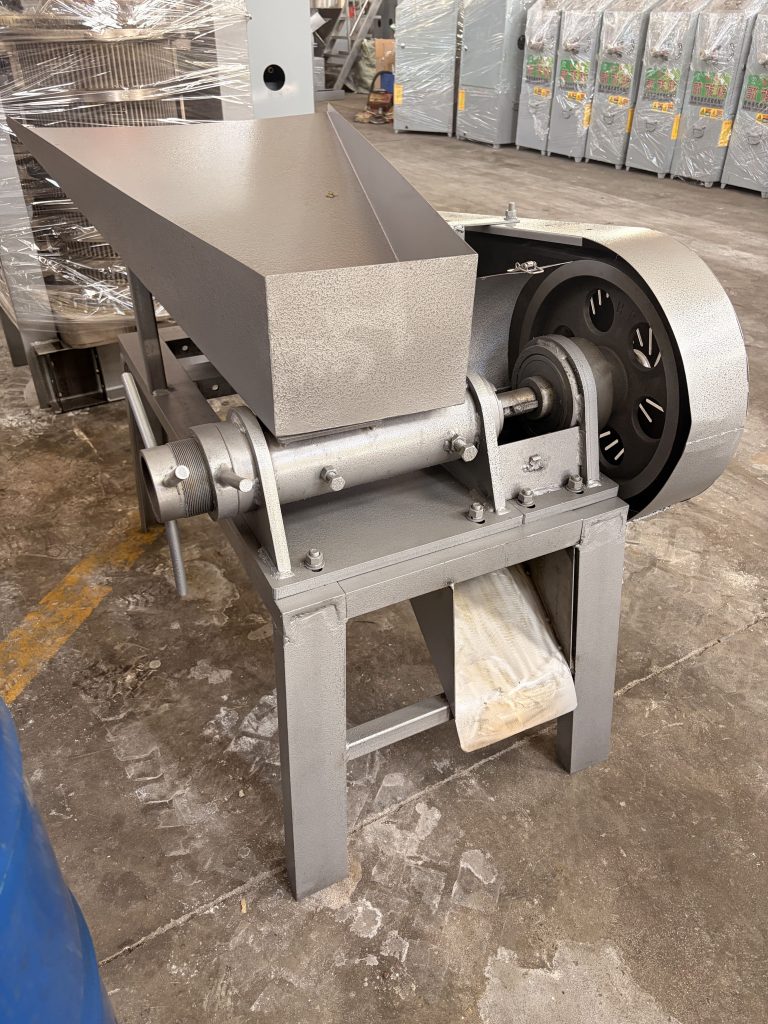
Crushing output
Verify material-specific capacity and discharge form. The source-listed crusher figures do not state soybean test conditions.
Review soybean crushing →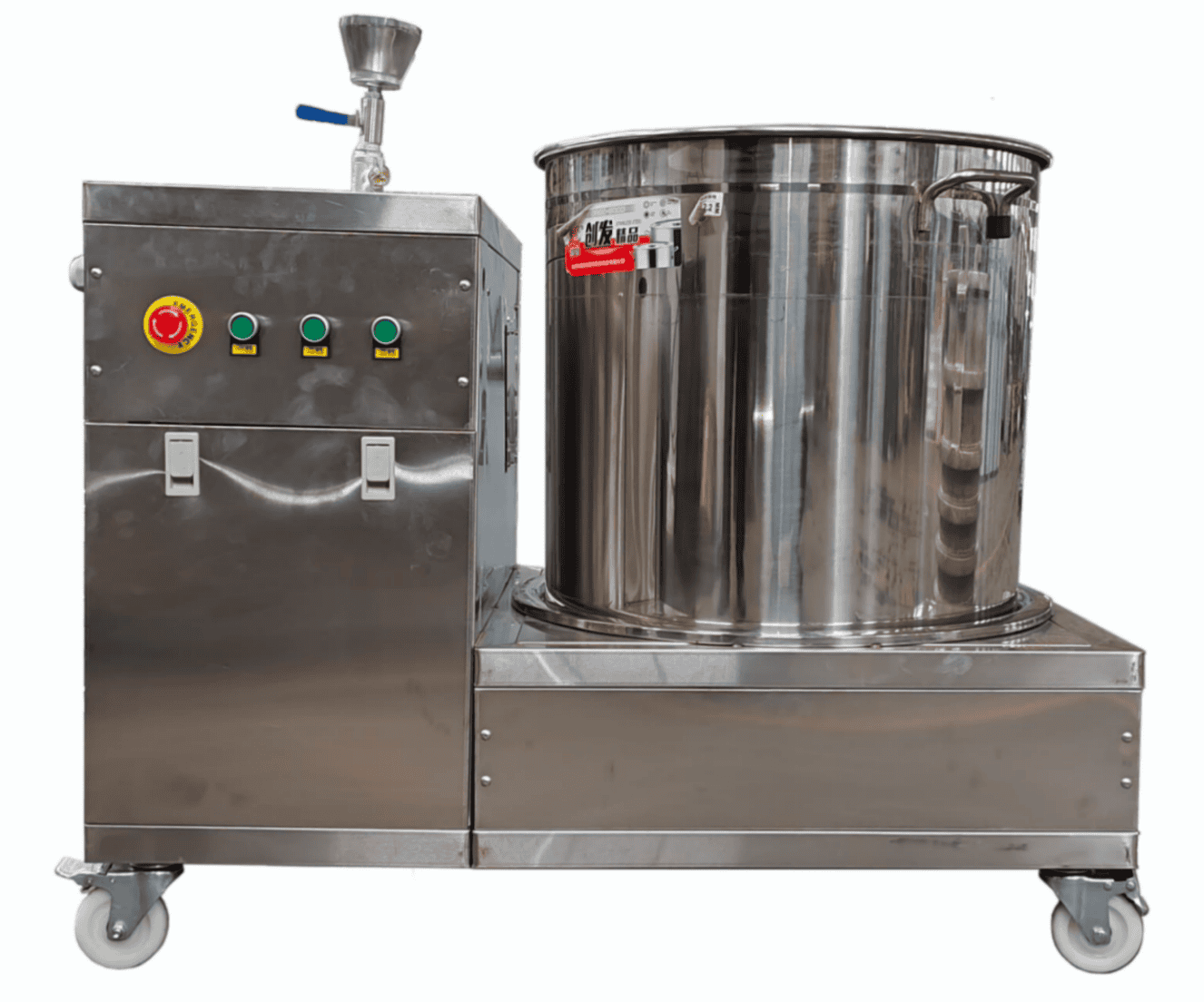
Conditioning rhythm
For hot pressing, record usable batch, heating and steaming time, transfers, and the material condition delivered to the press.
Review the electric steamer →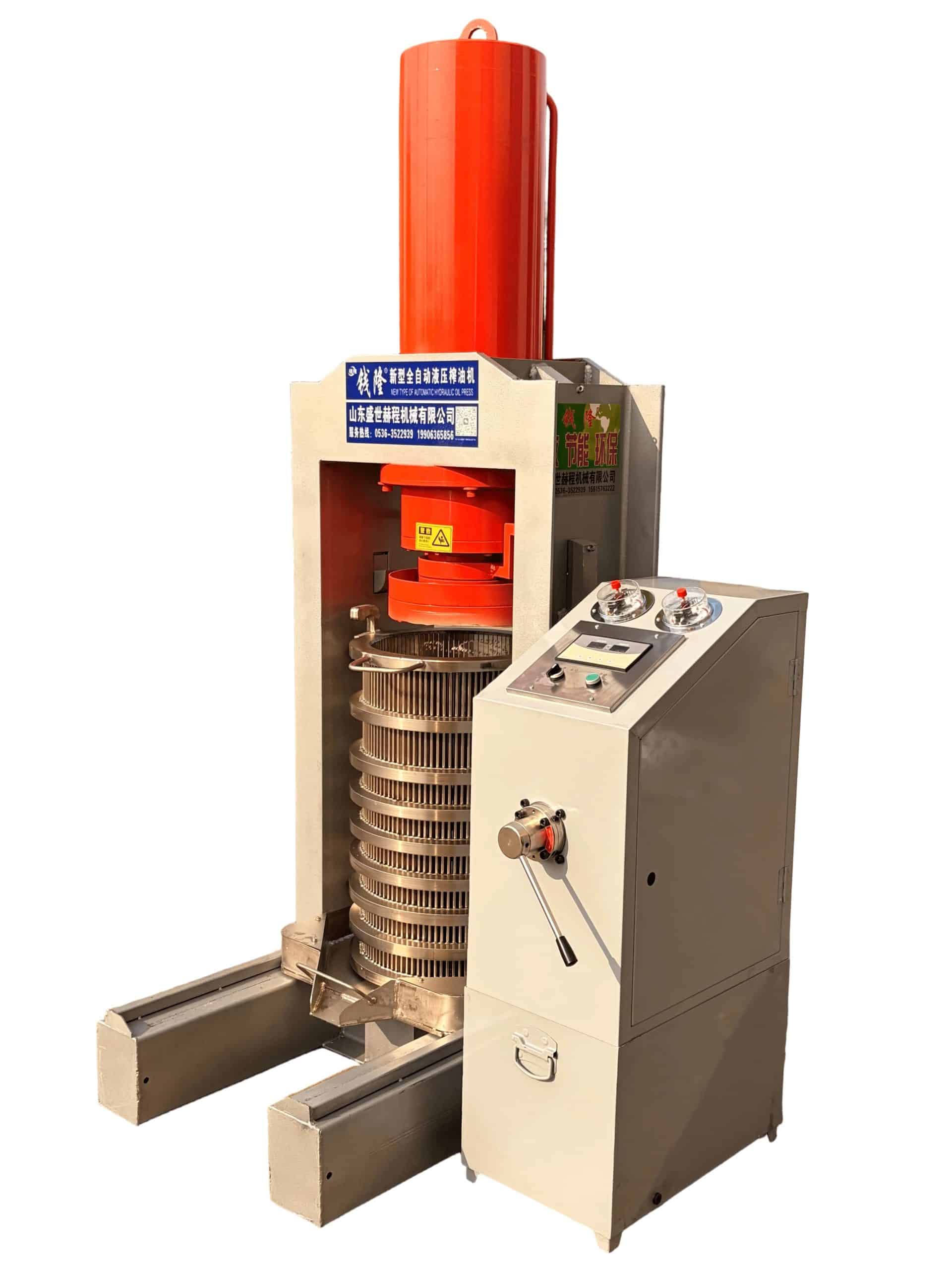
Full press cycle
Include loading, partitions, pressing, pressure release, cake unloading, cleaning, and operator movement.
Compare hydraulic presses →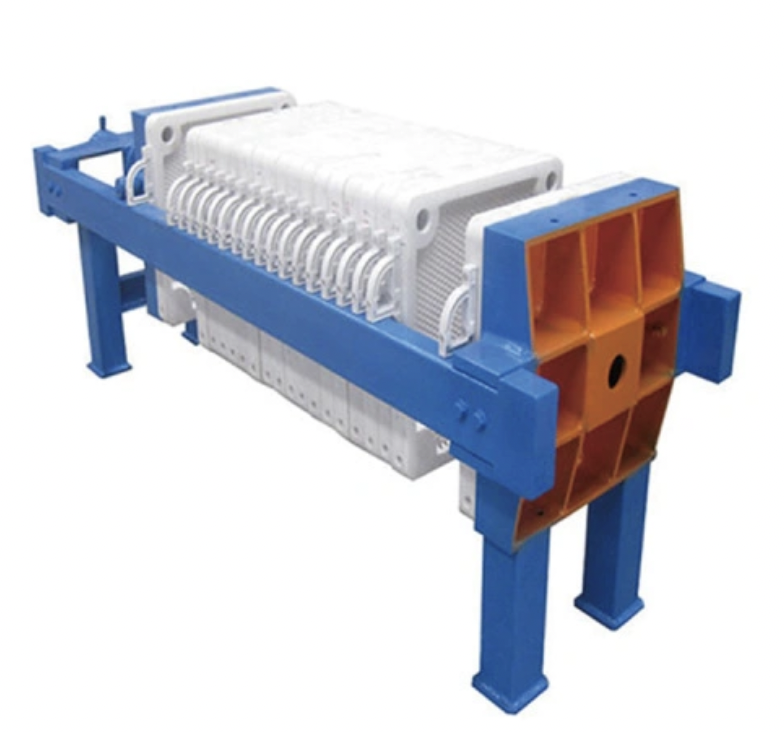
Filtration and storage
Confirm crude-oil solids, filter cycle, paper changes, clean-oil tank volume, and the next refining or filling step.
Review oil filtration →Existing operating reference
Verify what the video demonstrates before using it as evidence
The existing soybean press video helps a buyer review machine operation and material handling. It does not publish the soybean lot, preparation route, batch load, temperature, cycle basis, oil measurement, or cake analysis.
- Ask whether the shown material is hot- or cold-prepared soybean
- Request the model, barrel, partitions, and actual feed weight
- Separate pressing time from total operator cycle
- Agree how filtered oil and residual oil will be tested
Quote-ready information
Provide enough detail to compare complete process routes
- Soybean origin, sample, moisture, impurities, and storage condition
- Required finished oil and any process-temperature limit
- Hot or cold preference, or request a side-by-side trial
- Raw-material input per day or shift and operating hours
- Existing cleaning, crushing, heating, steaming, or storage equipment
- Filtered crude oil, refining, storage, and packaging scope
- Cake outlet and any further processing requirement
- Power, water, workshop dimensions, access, and destination
Keep generic sales claims out of the decision
The existing guide uses qualitative statements about premium positioning and commercial suitability without market or controlled production evidence. Make the route decision from the buyer’s product specification, sample test, operating cost inputs, and actual site constraints.
Related planning pages
Continue from route selection to the equipment scope
Original page media
Soybean oil pressing result
The earlier soybean buyer guide included this soybean-specific operating reference.
Soybean oil after hydraulic pressing
Soybean-specific footage restored instead of the unrelated peanut video found in the same old revision.
Choose the soybean route from evidence, not the machine count
Send the soybean sample or specification, product target, hot or cold preference, daily input, shifts, existing equipment, utilities, workshop layout, oil and cake requirements, packaging scope, and destination.