Rapeseed and mustard oil line planning
Select the pressing route before sizing the equipment
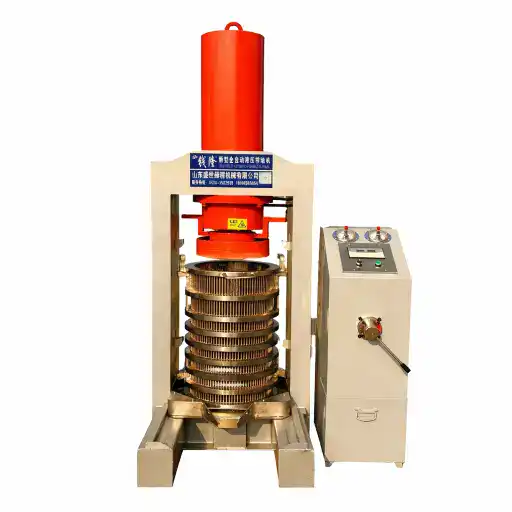
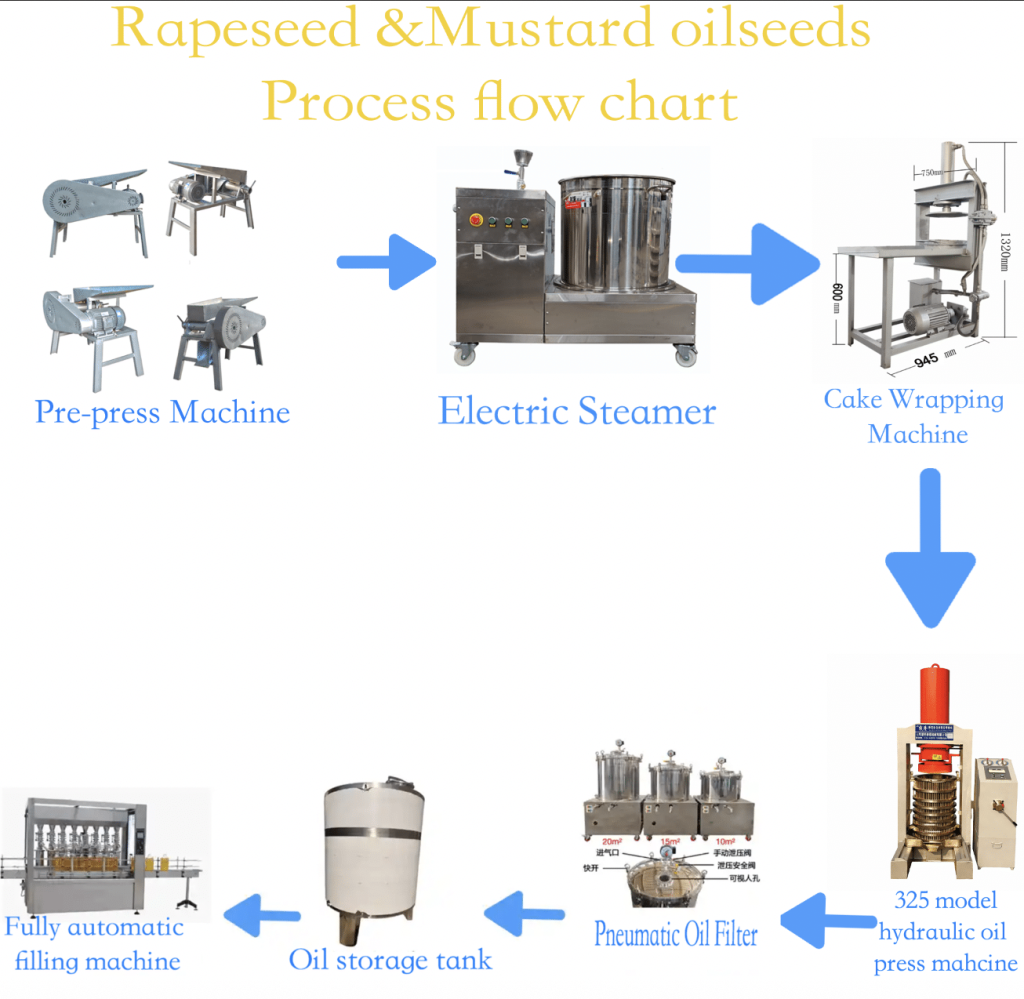
Both routes begin by crushing the seed. Hot pressing adds conditioning and cake preparation before the 325 hydraulic press, while cold pressing sends crushed material to a higher-tonnage hydraulic press before filtration and cake handling.
Material and core machines
The line is built around preparation, conditioning, and hydraulic pressing
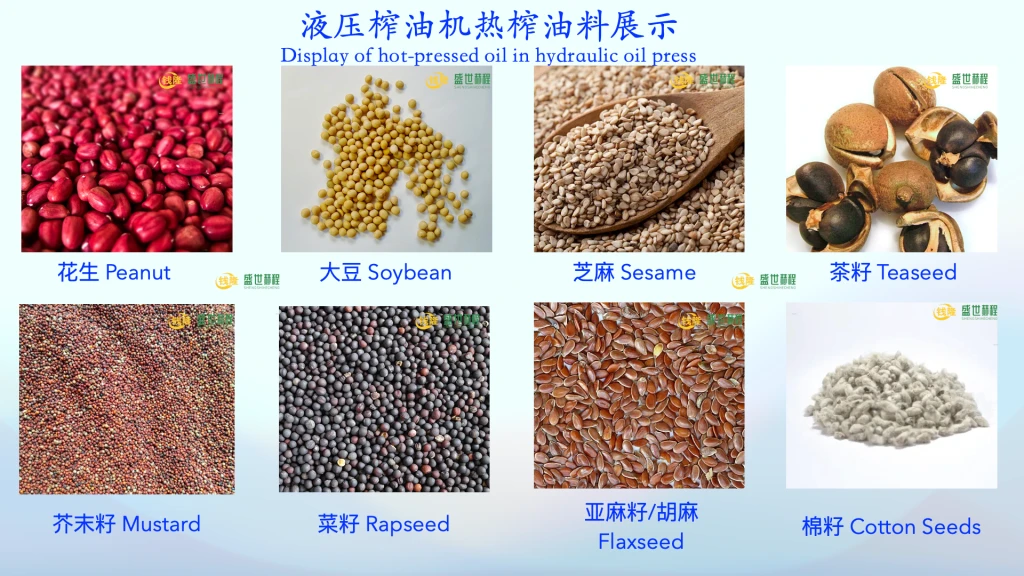
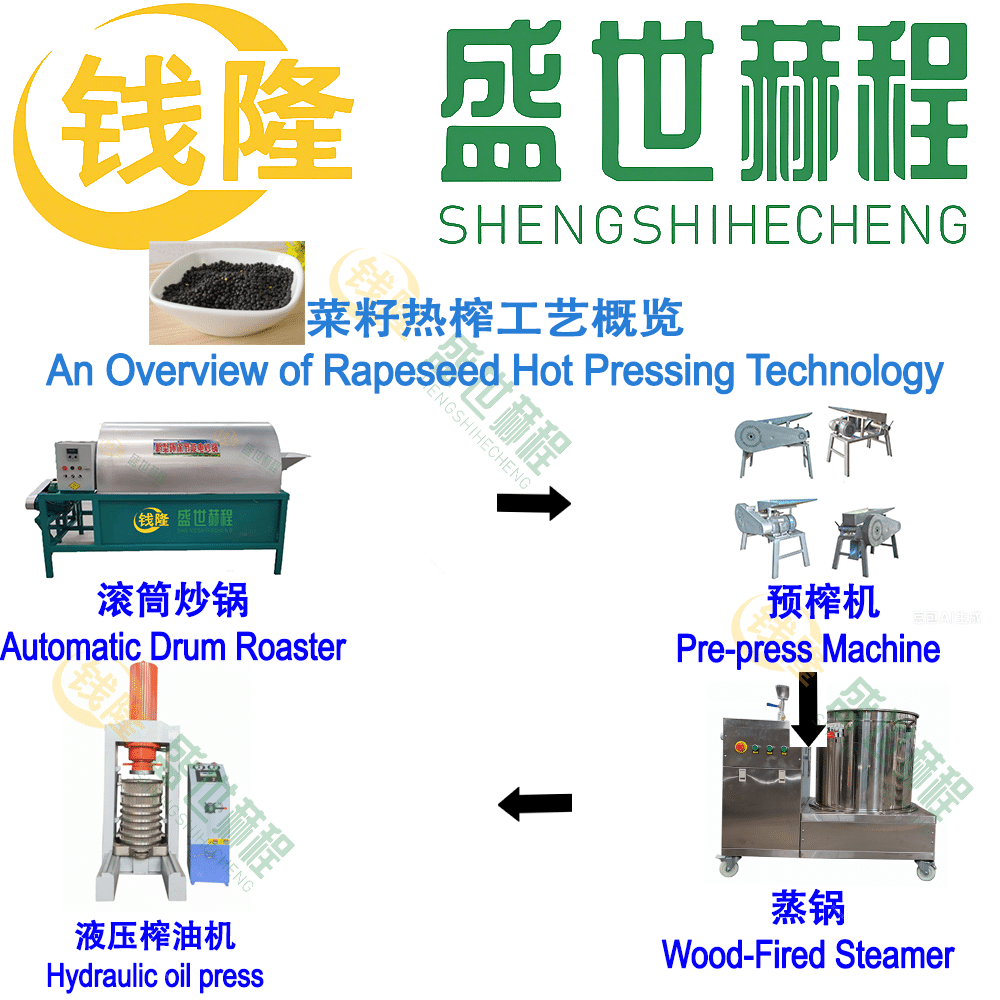
Rapeseed and mustard appear among the materials shown for hot pressing. The machine sequence changes after crushing according to whether the project uses the hot or cold route.
Process routes
Hot pressing and cold pressing use different preparation steps
The practical distinction is what happens after crushing: the hot route conditions and wraps the material before pressing, while the cold route loads crushed material directly into the selected press.
Conditioned material
Hot-press route
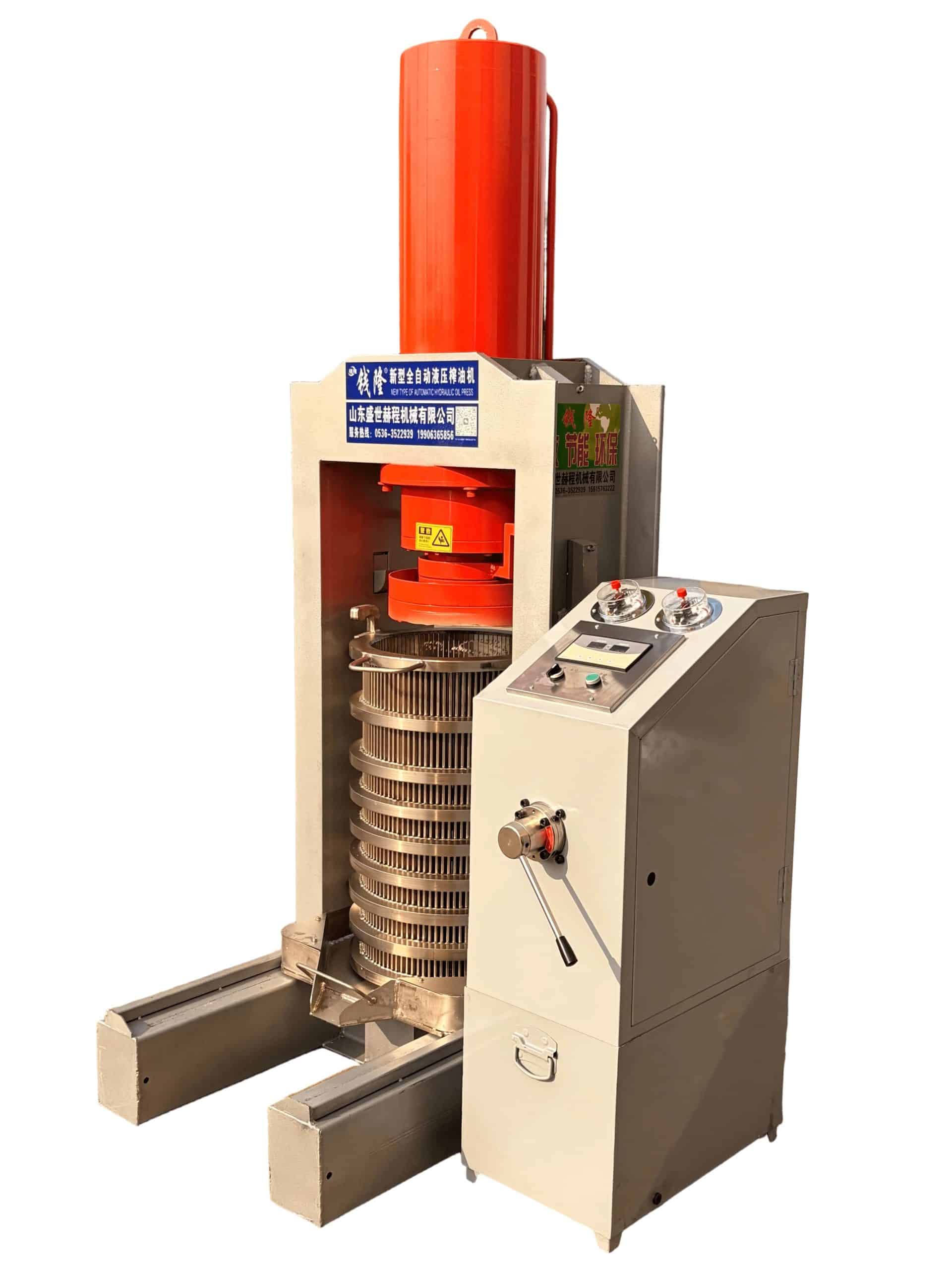
Use the 325 model after crushing, steam conditioning, and cake preparation. If incoming rapeseed is relatively moist, the current process page recommends roasting before crushing.
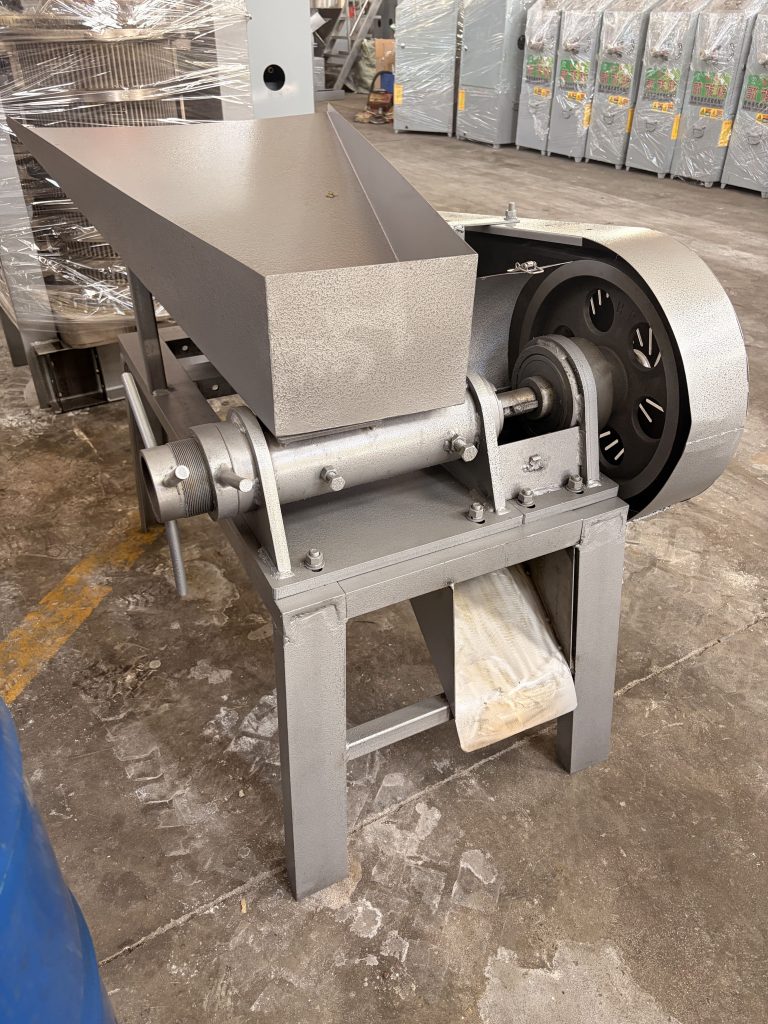
- Crush rapeseed or mustard with the pre-press machine
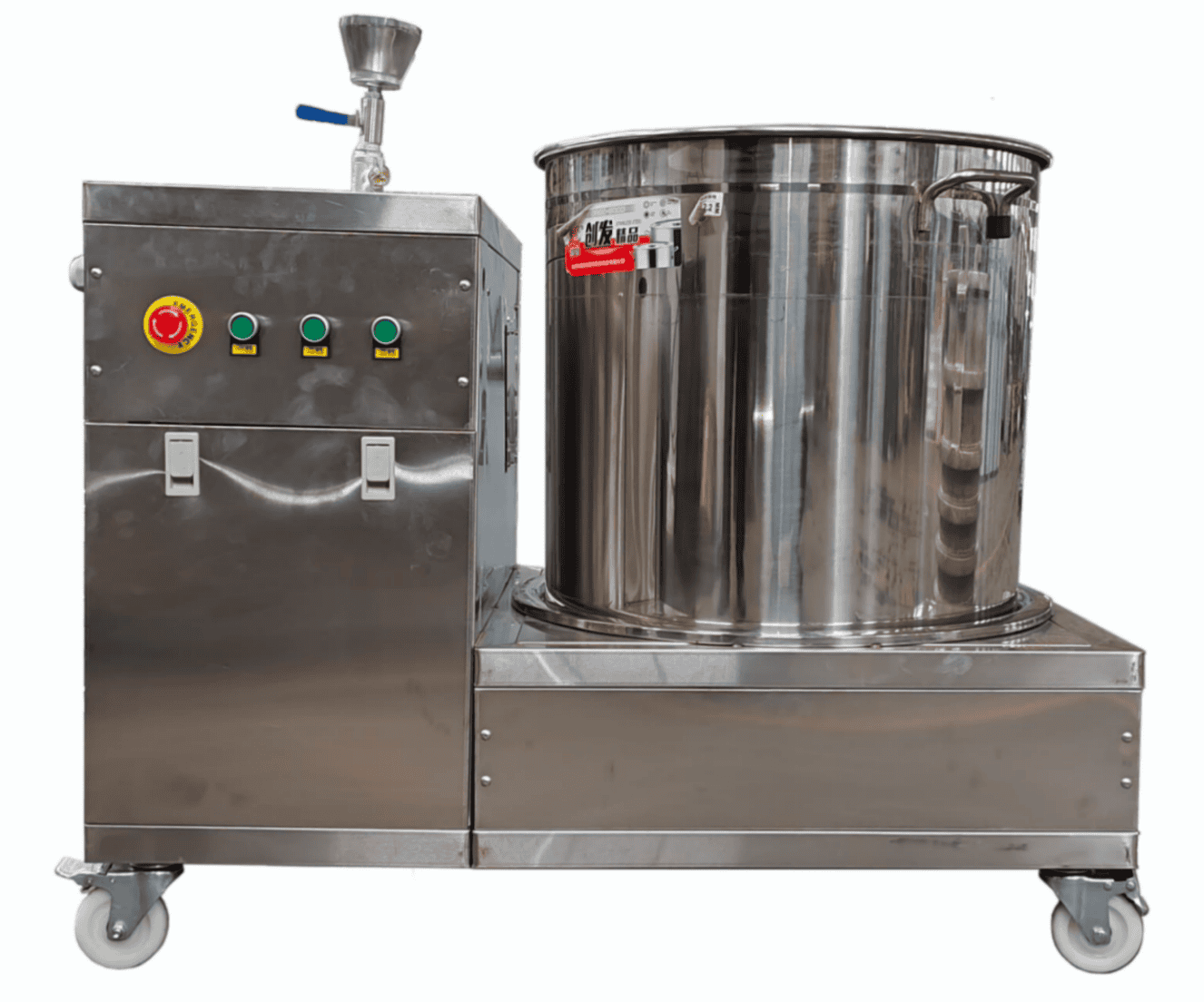
- Condition the crushed material in the 27 kW electric steamer
- Form wrapped cakes and separate them with the press partitions
- Press with the 325 hydraulic oil press
- Filter the collected oil and handle the pressed cake
Direct crushed feed
Cold-press route
Crush the seed, omit the steaming stage, and load the powder directly into a cold-press machine. The current field notes direct rapeseed cold-press projects to the 355-500 model series.
- Confirm seed moisture and incoming cleanliness
- Crush the rapeseed or mustard before loading
- Feed the crushed material directly to the hydraulic press
- Use the 355-500 cold-press model series
- Filter the oil and collect the firm pressed cake
Hot-press process flow
Cold-press process flow
Published hot-line example
Use the current line balance as a reference, not a universal equipment count
The live page describes a 500 kg/hour hot-press example with one pre-press machine, five 27 kW electric steamers, and five 325 hydraulic presses operating in parallel.
| Stage | Equipment | Current-page reference | Role in the line |
|---|---|---|---|
| Crushing | Pre-press machine | One unit at 500 kg/hour | Reduce the seed to the crushed feed used by both process routes. |
| Steam conditioning | 27 kW Electric Steamer | Five units; 100 kg per batch per unit | Condition crushed rapeseed or mustard for the hot-press route. |
| Cake preparation | Cake Wrapping Machine | Prepared cakes are separated by the press partitions | Form consistent wrapped cakes before hot pressing. |
| Hydraulic pressing | 325 model hydraulic oil press | Five presses in parallel | Match the hot-line loading rhythm established by the preparation section. |
| Oil clarification | Pneumatic multi-layer oil filter | Used after pressing | Clarify the collected crude oil before storage or downstream processing. |
Confirm the balance against the real project
The published count is tied to its stated feed rate and batch assumptions. Final quantities should be checked against seed condition, hot or cold route, operating schedule, available power, filtration scope, and workshop flow.
Equipment modules
Open the machine pages used to configure the route
Choose only the modules required by the selected process. The steamer and cake-wrapping stage belong to the hot route; filtration follows either route.
Review the oil cake pulverizer for cake handling or secondary pressing →
Buyer configuration checklist
Information needed before a line can be sized
- Rapeseed, mustard, or a mixed raw-material plan
- Raw seed condition, moisture, cleanliness, and whether it is already crushed
- Hot pressing or cold pressing preference
- Incoming material per hour and planned operating hours
- Required oil stage: crude collection, filtration, storage, or filling
- Pressed-cake plan: direct use, pulverizing, or secondary pressing
- Workshop dimensions and intended material-flow direction
- Local voltage, available power, destination country, and installation constraints
Route decisions change the bill of equipment
Hot pressing requires the conditioning and cake-preparation section. Cold pressing removes the steaming step but requires the press choice to be made around rapeseed’s dense, hard cake.
For moist rapeseed, include the proposed roasting step in the inquiry so the preparation section can be reviewed before the crusher.
Related planning pages
Compare the line, press family, and supporting equipment
Restored original media
Rapeseed and mustard preparation, pressing, and cake footage
Restored media from the earlier production-line page. The clips cover steaming, pre-pressing, hydraulic pressing, and cake condition.
Rapeseed & mustard oilseeds steaming
Original operating reference restored from the earlier page.
Video for Rapeseed & mustard oil Hydraulic Oil Production Line
Original operating reference restored from the earlier page.
Rapeseed & mustard pre-pressing machine
Original operating reference restored from the earlier page.
Rapeseed & mustard pre-pressing machine
Original operating reference restored from the earlier page.
Rapeseed & mustard oil production by hydraulic oil press machine
Original operating reference restored from the earlier page.
Video of Mustard cake by cold pressing from our customer in Pakistan
Original operating reference restored from the earlier page.
Restored photographs
Restored machine detail
Restored machine detail
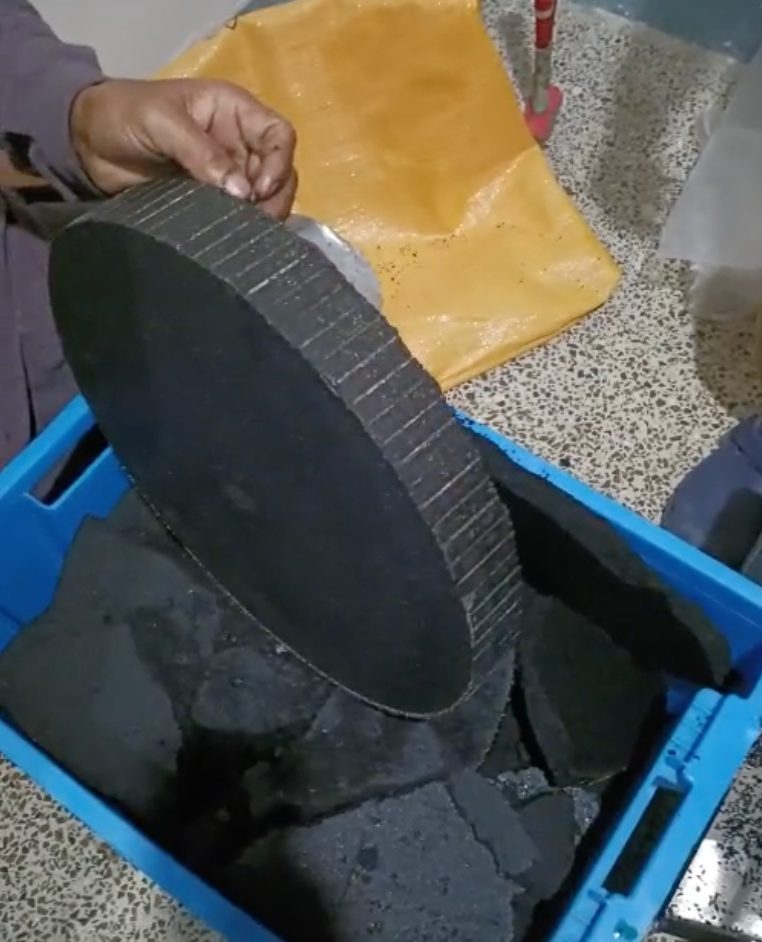
Mustard cake by cold pressing from our customer in Pakistan

Cake wrapping cloth weave
Original material-detail photograph restored from the earlier line page.

Cake wrapping cloth
Original cloth photograph restored for wrapping-material review.
Mustard and rapeseed buying guides
Review the route before choosing the machine
These pages help connect the raw material and finished-oil target to a practical hot- or cold-press setup.
Turn the seed condition and process route into a line configuration
Send the raw material, moisture, target input, operating schedule, hot or cold preference, filtration and filling scope, workshop dimensions, voltage, and destination.