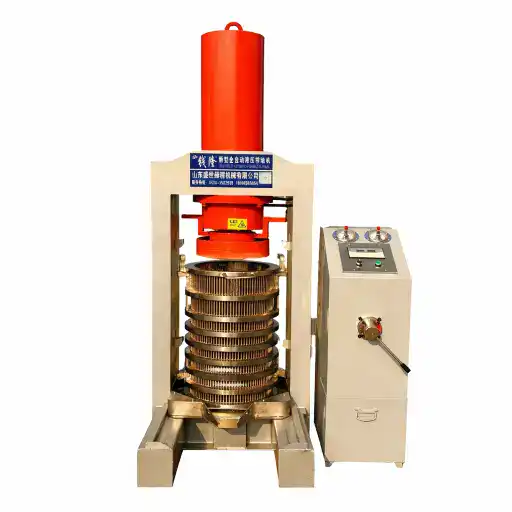
Grape seed hydraulic cold pressing
Configure the line around dry seed preparation and controlled batch pressing
The published grape seed route uses cleaning, crushing, hydraulic cold pressing, and oil filtration without a roasting stage. Select the press only after confirming seed moisture, particle size, practical barrel loading, cycle plan, and the required oil and cake condition.
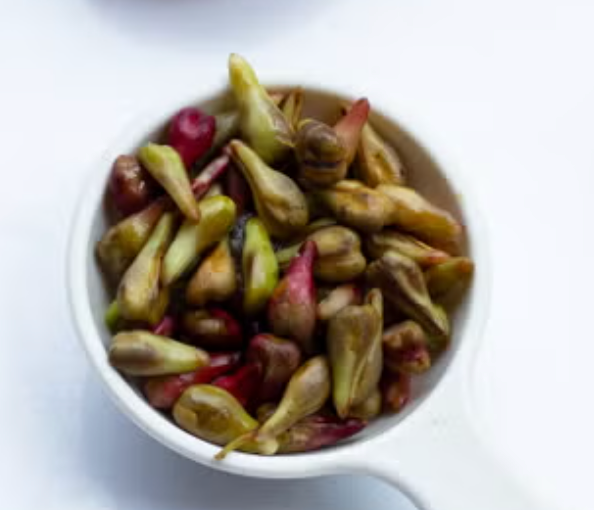
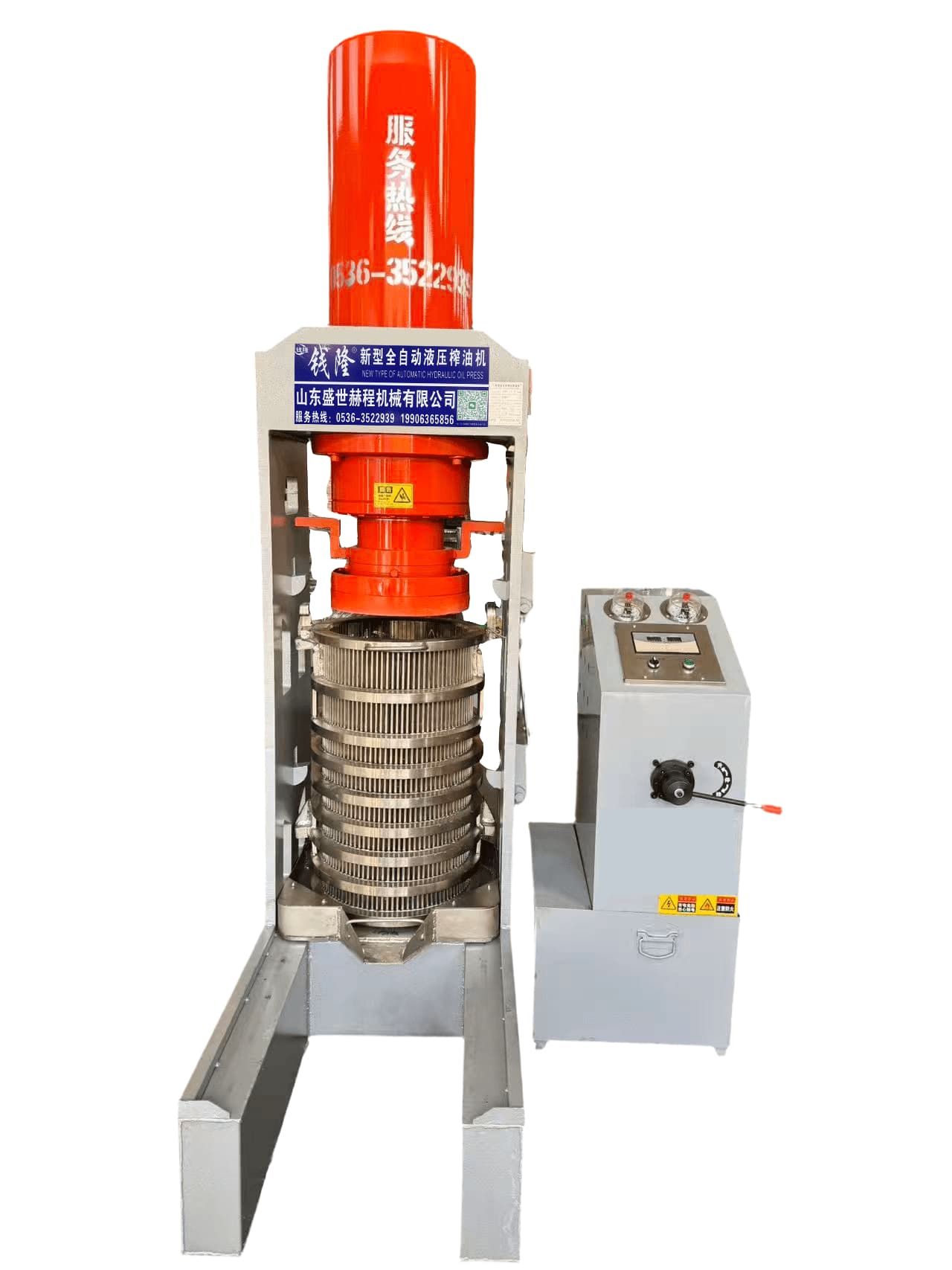
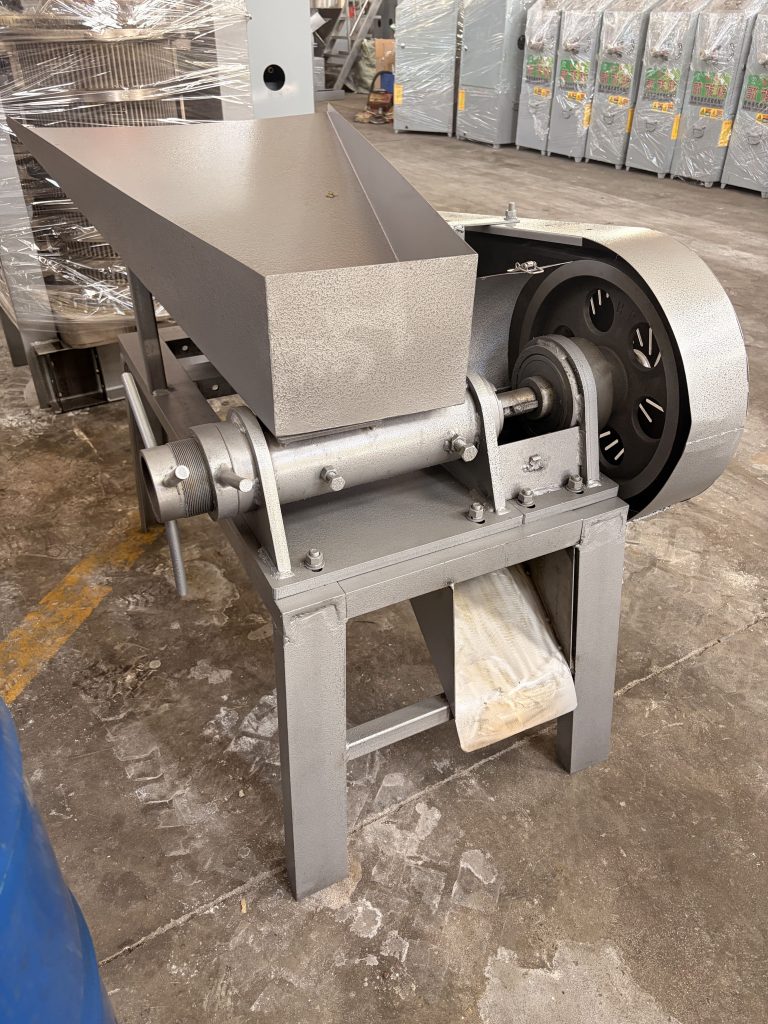
Process flow
Cold press after cleaning and controlled size reduction
The current page directs crushed grape seed to the hydraulic press without roasting. The wider project still needs raw-material control, cake removal, filtration, clean storage, and optional filling.
No roasting in the published route
The existing grape seed page sends crushed material directly to cold pressing. If incoming seed is wet, dirty, or mixed with skins and stems, define the required cleaning and moisture-control steps before the press.
Model family
Five press-force options share the same published model logic
The current page explains that the model number follows hydraulic cylinder diameter rather than press tonnage. The dedicated cold-press page lists a 60 MPa system for all five models.
| Model | Published cylinder diameter | Published down pressure | Selection discussion |
|---|---|---|---|
| 355 | 355 mm | 370 tons | Start with the material test and batch requirement; do not assume startup scale from the model name alone. |
| 400 | 400 mm | 410 tons | Compare required cake pressure, machine size, weight, and site access. |
| 426 | 426 mm | 500 tons | The current grape page commonly recommends this model for commercial work, but final selection still requires test data. |
| 480 | 480 mm | 600 tons | Higher force does not automatically create a larger barrel load or a faster cycle. |
| 500 | 500 mm | 630 tons | Confirm transport, floor loading, ceiling height, and maintenance access with the final drawing. |
Model number and tonnage are different values
Use the cylinder diameter and published down pressure as separate technical fields. Ask for the selected barrel drawing, cake-pressure calculation basis, machine dimensions, and weight in the quotation.
Barrel loading
Reconcile the general machine range with the grape seed working reference
The dedicated cold-press page lists a 5-100 kg press-volume range for the 390 mm by 800 mm barrel. The current grape seed page separately recommends 60 kg as a working reference for stable cold pressing.
Machine-family reference
390 mm barrel: 5-100 kg listed range
This range applies to crushed or powdered oilseed on the product page. It is not a guaranteed grape seed load for every moisture, particle size, or bulk density.
- 390 mm internal diameter reference
- 800 mm barrel height
- Same listed range across Models 355-500
- Practical fill must be verified with the prepared seed
Grape seed page reference
60 kg recommended working load
The existing grape seed page uses 60 kg as a conservative working reference within the theoretical 100 kg maximum. Confirm whether the quoted line uses this figure and what preparation and cycle assumptions support it.
- Document seed moisture and cleaning
- Record the crushing screen or particle-size result
- Measure actual fill volume and cake height
- Include loading and unloading in the shift schedule
Core modules
Build the complete route around four connected sections
Every section should be matched to the same seed input and operating schedule. The press alone does not define daily oil output.
01 / Raw material
Cleaning and moisture control
Remove dust and foreign material, then confirm whether the recovered grape seed requires drying or conditioning before crushing.
02 / Preparation
Pre-press crushing
Reduce the cleaned seed to the agreed feed form without adding the roasting stage used in hot-press lines.
03 / Extraction
Hydraulic cold pressing
Select the model, barrel, practical load, and number of presses from the tested batch cycle and shift target.
04 / Oil finishing
Filtration and clean transfer
Clarify collected oil with the selected filter, then transfer it to clean storage or the appropriate packaging section.
Buyer configuration checklist
Information needed before model and machine count are fixed
- Seed source, cleaning method, moisture, storage, and representative sample
- Whether seed arrives separated from skins, stems, and other winery residue
- Target material input per shift or day and planned operating hours
- Maximum acceptable process temperature
- Required practical barrel load and number of batches per shift
- Oil clarity, storage, further treatment, and filling requirements
- Pressed-cake handling and intended downstream use
- Workshop access, dimensions, power supply, and destination country
Ask for a witnessed material trial
A useful trial records incoming seed condition, crushing, exact load, pressing settings, cycle, oil collected, filtration behavior, and cake condition. Use those observations to set the practical line balance rather than relying on tonnage alone.
Related equipment
Continue the grape seed line specification
Structured inquiry
Send the grape seed and line requirements
Include photos or a sample of the recovered seed, the daily input target, intended operating hours, required oil use, workshop dimensions, electrical supply, filtration and packaging scope, and destination country.
The form below is retained from the current page so the project details can be submitted in one place.
Configure the grape seed line from tested material data
Confirm cleaning, moisture, crushing, practical barrel load, cycle, filtration, cake handling, site constraints, and packaging before fixing the model and machine count.