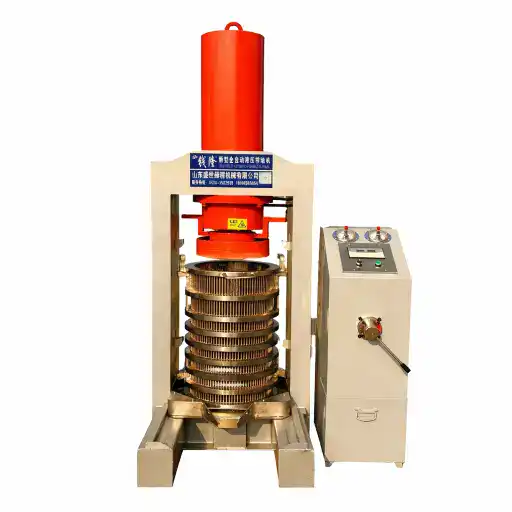
Spent bleaching earth recovery project
Qualify the refinery residue before selecting steaming and hydraulic pressing equipment
The published reference combines a 27 kW electric steamer with a Model 325 hydraulic press for oil-bearing spent bleaching earth. Recovery depends on the source oil, clay type, moisture, temperature, contaminants, storage history, and the required outlets for both liquid and pressed solids.
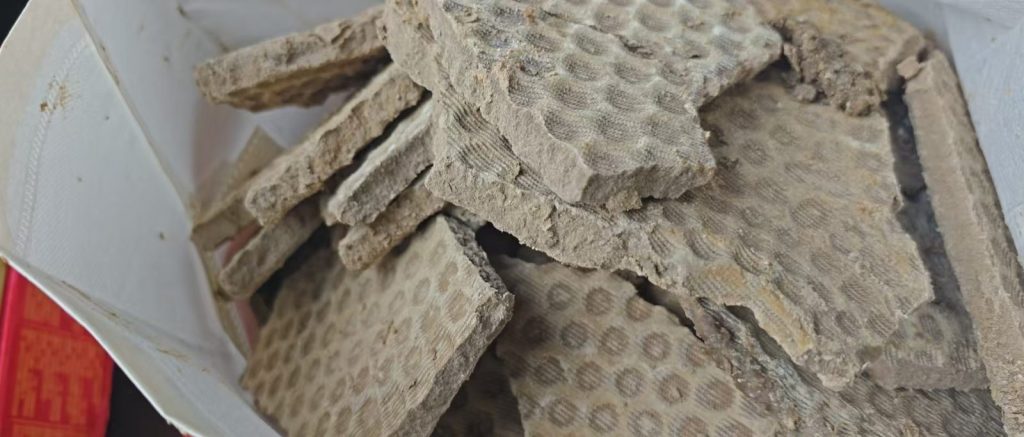
Incoming material
Spent bleaching earth is a refinery residue, not a standard oilseed
Bleaching earth retains oil after the adsorption and filtration stage of edible-oil refining. Its physical condition can range from loose powder to compact filter cake, and the retained liquid may contain components that prevent direct reuse.
- Identify the source oil and refining process that generated the material
- Measure moisture, retained oil, solids, and any relevant contaminants
- Provide representative samples from normal and worst-case production
- Confirm local waste classification, storage, transport, and fire-control requirements
Application fit
Separate a pressable refinery residue from materials that need another treatment route
A sample review or trial is required before equipment selection. Similar-looking filter cakes can behave differently under heating and static pressure.
Candidate feed
Oil-bearing spent bleaching earth
The current page targets used bleaching clay and oil-refinery filter cake that can be conditioned and loaded into a batch hydraulic press.
- Known vegetable-oil or edible-fat source
- Consistent enough for controlled batch loading
- No hard foreign objects that could damage the press
- Defined outlet plan for recovered liquid and pressed solids
Engineering review required
Mixed, hazardous, or chemically contaminated residue
Do not assume the same equipment is suitable for petroleum sludge, solvent-bearing waste, unknown chemicals, reactive material, or residue subject to hazardous-waste controls.
- Provide a safety data sheet and laboratory analysis
- Identify flash point, solvents, metals, and other regulated components
- Obtain written process acceptance before sending material
- Use the locally approved treatment and disposal route
Reference process flow
Condition, batch press, collect, and test each outlet
The page describes steaming before hydraulic pressing. The exact heating method, loading amount, cycle, and filtration route should be established from the actual SBE sample.
Published equipment reference
The current configuration centers on steaming and batch hydraulic pressure
These are source-page references, not a universal bill of equipment. Pumps, filters, tanks, material handling, ventilation, and cleaning provisions depend on the tested process.
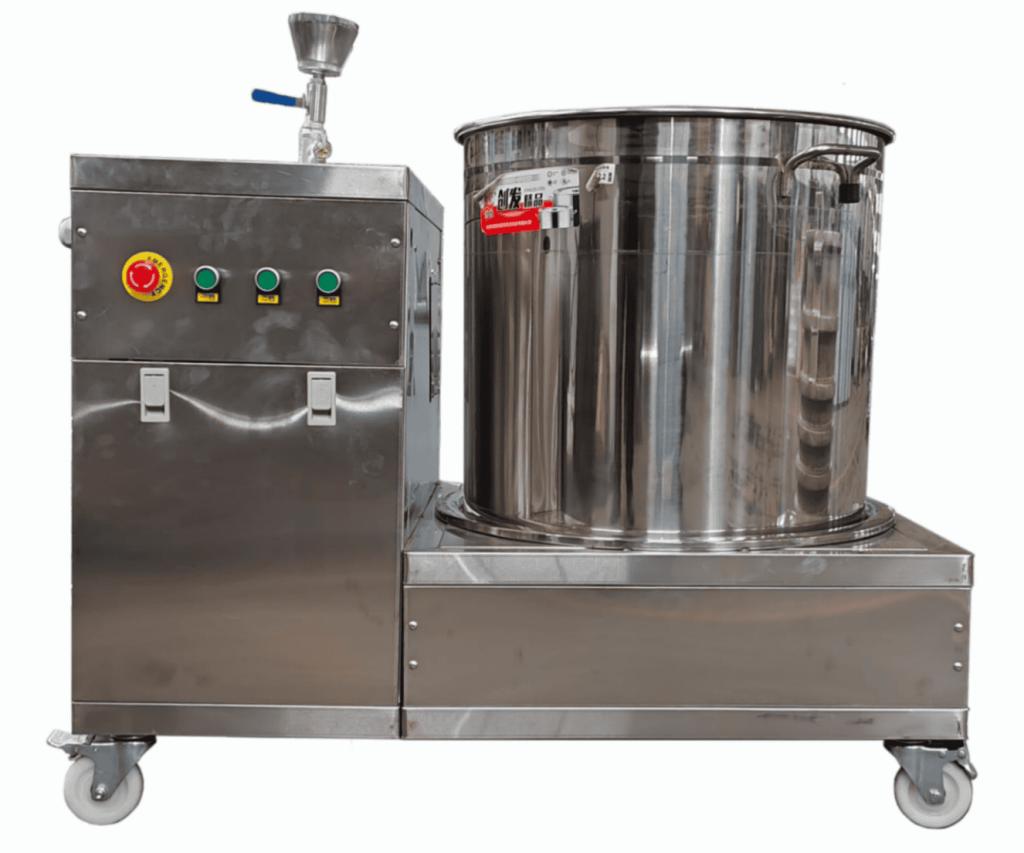
27 kW electric steamer
The live page lists this steamer for heating the bleaching-earth residue before pressing. Confirm vessel size, recipe, batch time, controls, and condensate handling.
Review the electric steamer →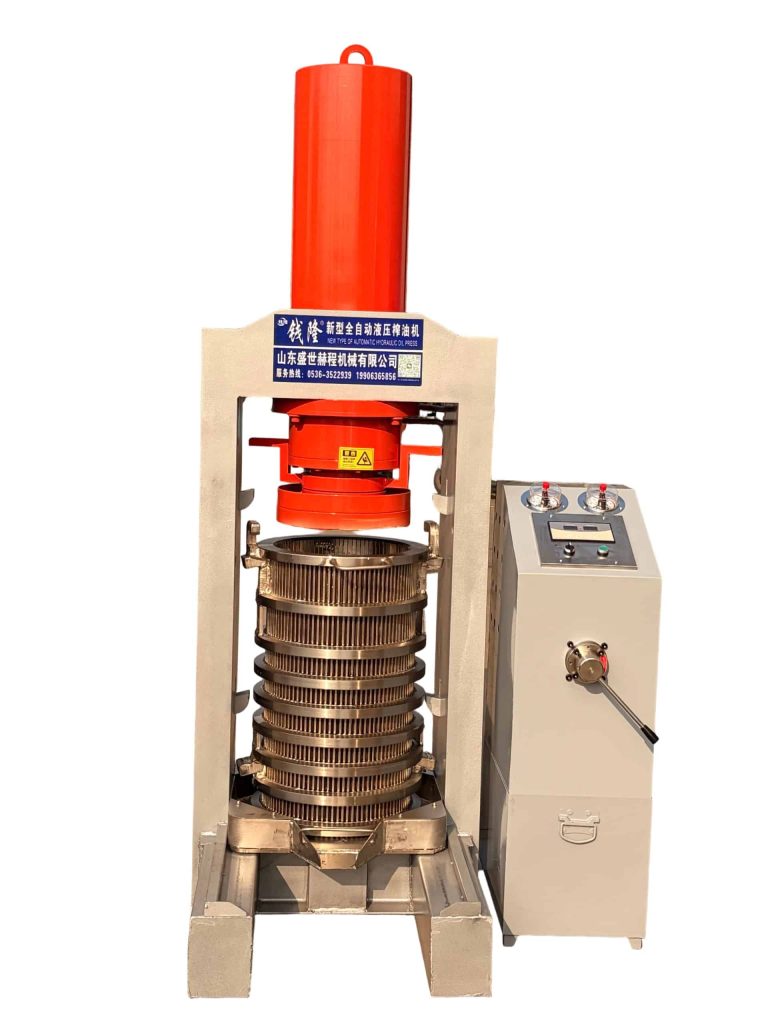
Model 325 hydraulic press
The source identifies a Model 325 press and a 60 MPa hydraulic-system reference. Final loading, cycle, plates, cloth, and discharge method require sample confirmation.
Review the 300 / 325 press family →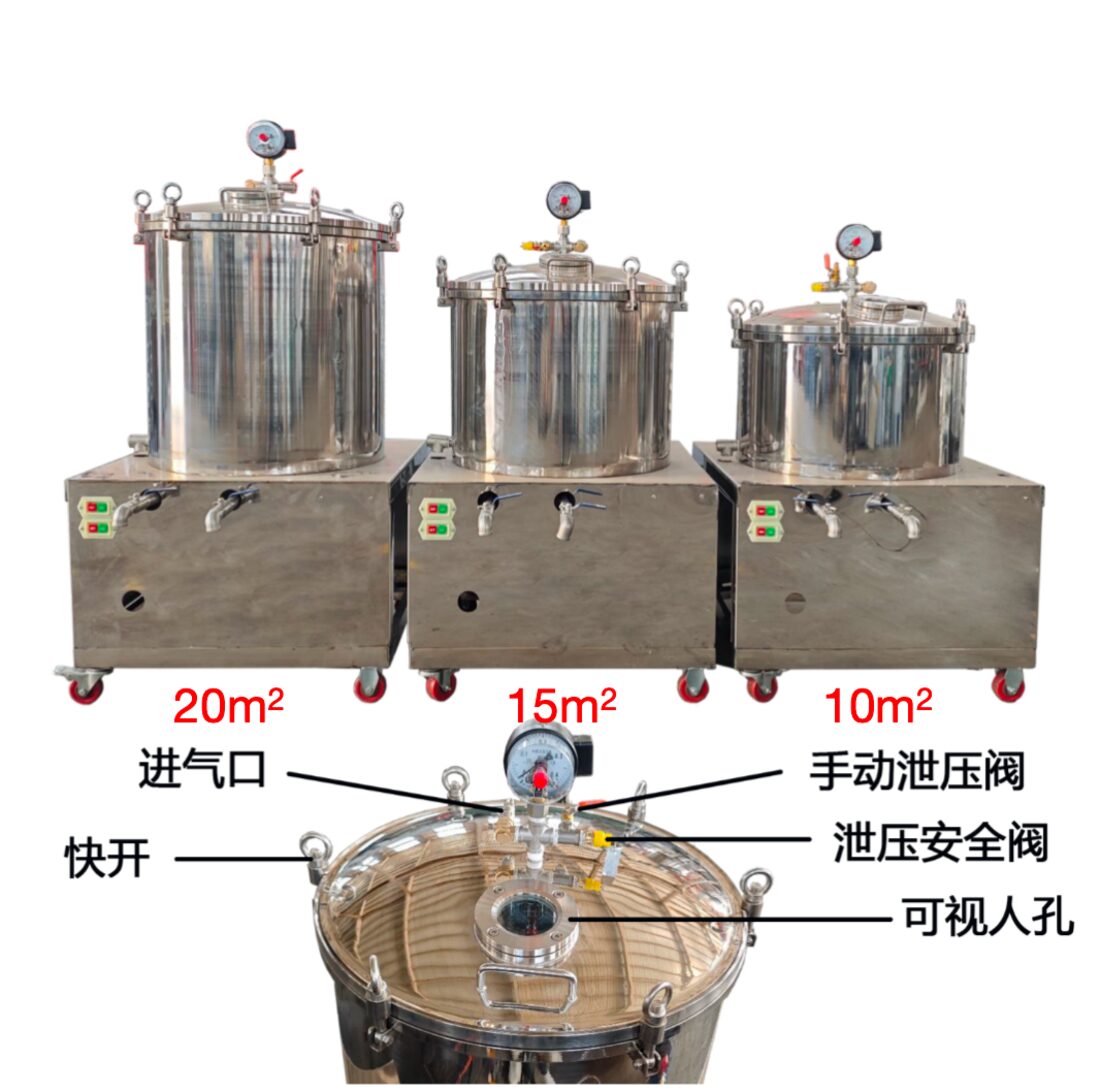
Collection and clarification
Expressed liquid may still contain water and fine solids. Specify the receiving tank, transfer method, settling or filtration, sampling point, and final destination.
Review pneumatic filtration →Outputs and responsibility
Mechanical recovery does not certify either outlet for reuse or disposal
The line changes the physical distribution of liquid and solids. It does not remove every contaminant, refine the recovered liquid, or replace the buyer’s testing and legal obligations.
| Outlet | What leaves the recovery section | What the buyer must define |
|---|---|---|
| Expressed liquid | An oil-rich liquid that may also contain moisture, fines, pigments, or other components from the refining residue. | Clarification, laboratory testing, permitted use, storage, further treatment, and traceability. It is not automatically food-grade. |
| Pressed bleaching earth | A lower-liquid solid cake whose remaining oil and physical condition depend on the feed and pressing trial. | Cooling, enclosed storage, fire controls, transport, reuse approval, or disposal under local rules. |
| Condensate and washings | Water generated by steaming, drainage, and equipment cleaning where those operations are included. | Collection, analysis, treatment, discharge permission, and separation from clean drainage. |
No fixed recovery rate is stated here
Retained oil varies widely with refinery operation and storage. A representative sample trial is the appropriate basis for discussing recoverable liquid, pressed-cake condition, batch loading, and cycle time.
Existing process footage
Review material behavior during hydraulic pressing
These two videos are retained from the current page. They are application examples; the observed result should not be treated as an acceptance value for a different refinery residue.
Request an SBE process review
Include the source process, analysis, photos, required outlets, and local handling constraints in your inquiry.
Related technical pages
Compare adjacent equipment and residue applications
Start with the SBE analysis and the required outlets
Send representative material data, source process, daily quantity, local classification, utilities, desired liquid route, pressed-solid plan, and destination before equipment is selected.