
On this page
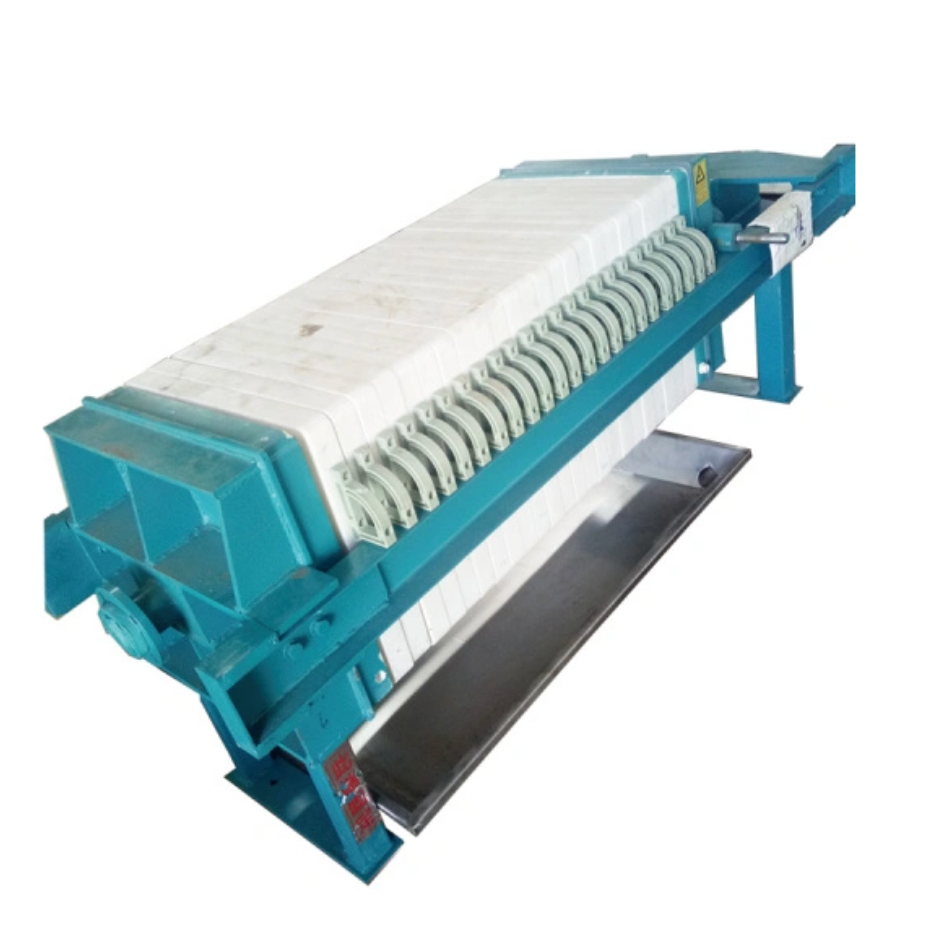
An Oil Press Filter is an essential piece of equipment used in edible oil production lines for solid–liquid separation. It is designed to remove fine impurities, suspended solids, and residual meal particles from crude oil after pressing, ensuring cleaner oil and higher product quality.
This filtration system is widely used in vegetable oil plants, seed oil processing lines, and small to medium-scale oil factories.
What Is an Oil Press Filter?
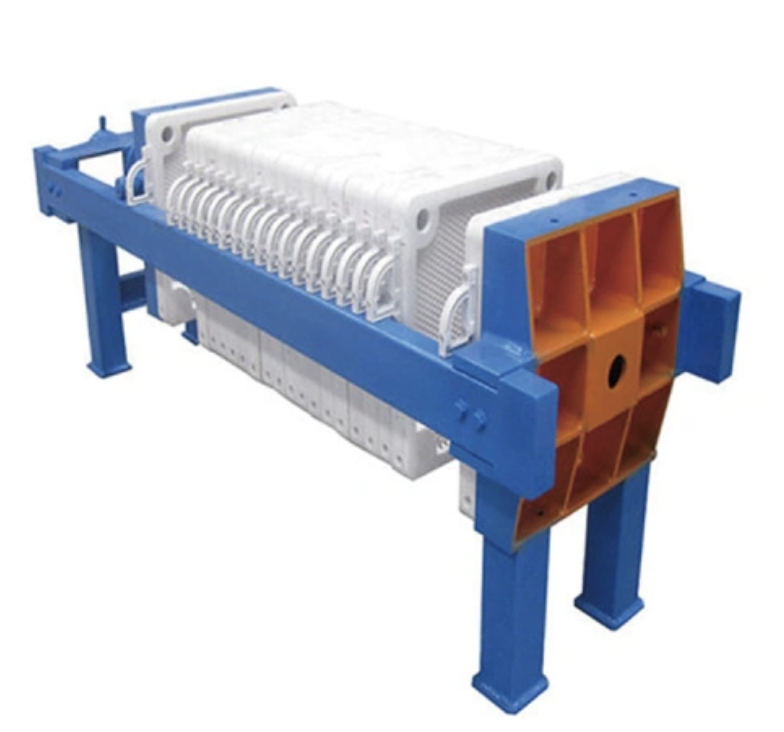
The Oil Press Filter works by pumping crude oil into multiple filter chambers. Solid particles are trapped by filter cloths or filter plates, while clean oil flows out through the filtration channels.
This process helps to:
- Improve oil clarity and transparency
- Reduce impurities and sediment
- Increase final oil quality
- Protect downstream equipment such as separators and storage tanks
Suitable Applications
The Oil Press Filter can be used for filtering:
- Peanut oil
- Soybean oil
- Sunflower oil
- Sesame oil
- Rapeseed oil
- Cottonseed oil
- Palm oil (small scale)
- Other vegetable and edible oils
It is suitable for:
- Small oil mills
- Medium oil processing plants
- Farm-level oil production
- Pilot oil processing projects
Product Description
The Filter Press Equipment is widely used for solid-liquid separation in various industries, including mineral processing, petroleum, chemical, dyestuff, metallurgy, pharmaceutical, food processing, coal and carbon, inorganic salts, alcohol production, light industry, textile, environmental protection, and energy sectors.
A filter press is a simple and efficient machine designed to separate solids from liquid mixtures. It enables the recovery and reuse of filtrate (liquid) in the production process while producing solid filter cakes that are easy to handle and dispose of. Thanks to its simple structure and mature technology, the filter press offers high filtration efficiency, stable performance, and long service life.
The entire filter press system is easy to operate, safe, and labor-saving. It is fully automated and controlled by a PLC electrical system. All major components—including the feeding pump, hydraulic power unit, plate shifting device, valves, and conveyors—are coordinated through PLC logic control, ensuring stable operation and high working efficiency.
Additional automatic functions can be integrated according to customer requirements, such as:
- Filter cloth washing system
- Filtrate collecting system
- Filter cloth vibration or shaking system
- Automatic drip tray system
Advantages
- PLC automatic control system for stable and reliable operation.
- Automatic plate shifting, reducing manual labor.
- Fully automated operation with minimal human intervention.
- Hydraulic pressing system with automatic pressure maintaining function. Operators only need to control the buttons on the electrical cabinet to start or stop the entire system.
- Equipped with multiple safety protection devices to ensure safe and stable operation.
Filtration Process
The filtration process works as follows:
The feeding pump delivers slurry into the filter press through the feeding head. The slurry is distributed into multiple chambers formed by the filter plates. Under high pressure, the liquid passes through the filter cloth while the solid particles are retained inside the chambers, forming compact filter cakes.
The clean filtrate is discharged through drainage channels and can be reused in the production process. Once filtration is completed, the plates are opened automatically, and the dry filter cakes are discharged, making disposal or further processing convenient.
This process ensures high filtration efficiency, low moisture content of the cakes, and excellent recovery of valuable liquids.
Key Features
High Filtration Efficiency
Removes fine suspended solids and impurities effectively, producing clearer and more stable oil.
Stable and Reliable Operation
Simple mechanical structure ensures long service life and low maintenance cost.
Easy Operation
Manual or semi-automatic operation available, suitable for operators without complex technical training.
Wide Compatibility
Can be integrated with hydraulic oil presses, screw oil presses, and complete oil production lines.
Customizable Design
Filter size, filtration area, and processing capacity can be customized according to customer requirements.
Typical Technical Parameters (Customizable)
| Item | Description |
|---|---|
| Processing Capacity | 200 – 2000 L/hour |
| Filtration Precision | 5 – 50 microns |
| Filter Plate Material | PP / Stainless Steel |
| Operation Mode | Manual / Semi-automatic |
| Working Pressure | 0.3 – 0.6 MPa |
| Power | 1.5 – 4 kW |
| Application | Edible & Industrial Oils |
(All specifications can be customized based on actual production needs.)
Position in the Oil Production Line
The Oil Press Filter is usually installed after the oil press machine and before:
- Oil-water separator
- Centrifuge system
- Refining system
- Storage tanks
Typical flow:
Oil Press → Oil Press Filter → Oil Separation / Storage → Bottling / Refining
Why Use an Oil Press Filter?
Without filtration, crude oil usually contains:
- Fine meal powder
- Fiber residues
- Water droplets
- Solid impurities
These impurities will:
- Reduce oil quality
- Affect taste and appearance
- Cause sediment in storage
- Block pipelines and pumps
Using an Oil Press Filter is the most cost-effective way to improve oil quality in small and medium oil factories.
Conclusion
The Oil Press Filter is a practical and essential solution for improving oil quality in edible oil production. It is especially suitable for customers who want:
- Clean and clear oil
- Simple operation
- Low investment cost
- Stable long-term performance
For commercial oil processing plants, the Oil Press Filter plays a key role in building a complete and reliable oil production line.
Project planning
Configure the right oil press and production line
Send your oilseed, target output, bottle or packaging requirements, power supply, and destination country. We will match the machine, supporting equipment, and line layout.