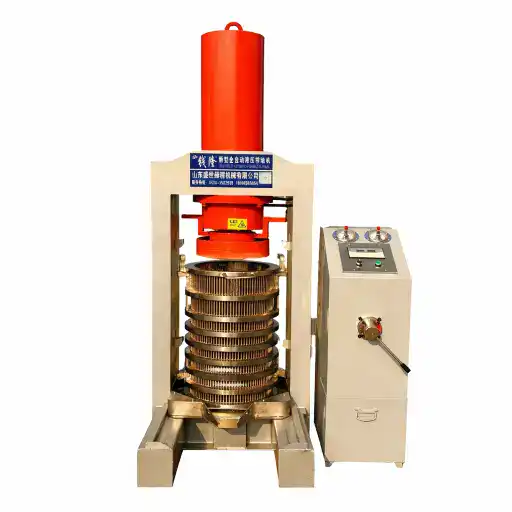
Tea seed / camellia oil cold pressing
Build the line around controlled kernel preparation and batch pressing
The current tea seed page centers a cold-press route: prepare and crush the kernels, load a hydraulic press, collect the oil and cake separately, clarify the oil, and transfer it to clean storage or filling. Model selection should follow the material test and required batch schedule.
Practical process flow
Keep the route short, clean, and easy to control by batch
The published route moves from kernel preparation directly to hydraulic pressing without a roasting stage. Final preparation settings still need to be confirmed against the actual tea seed variety and condition.
Press selection
Compare the dedicated cold-press family with the current smaller-batch reference
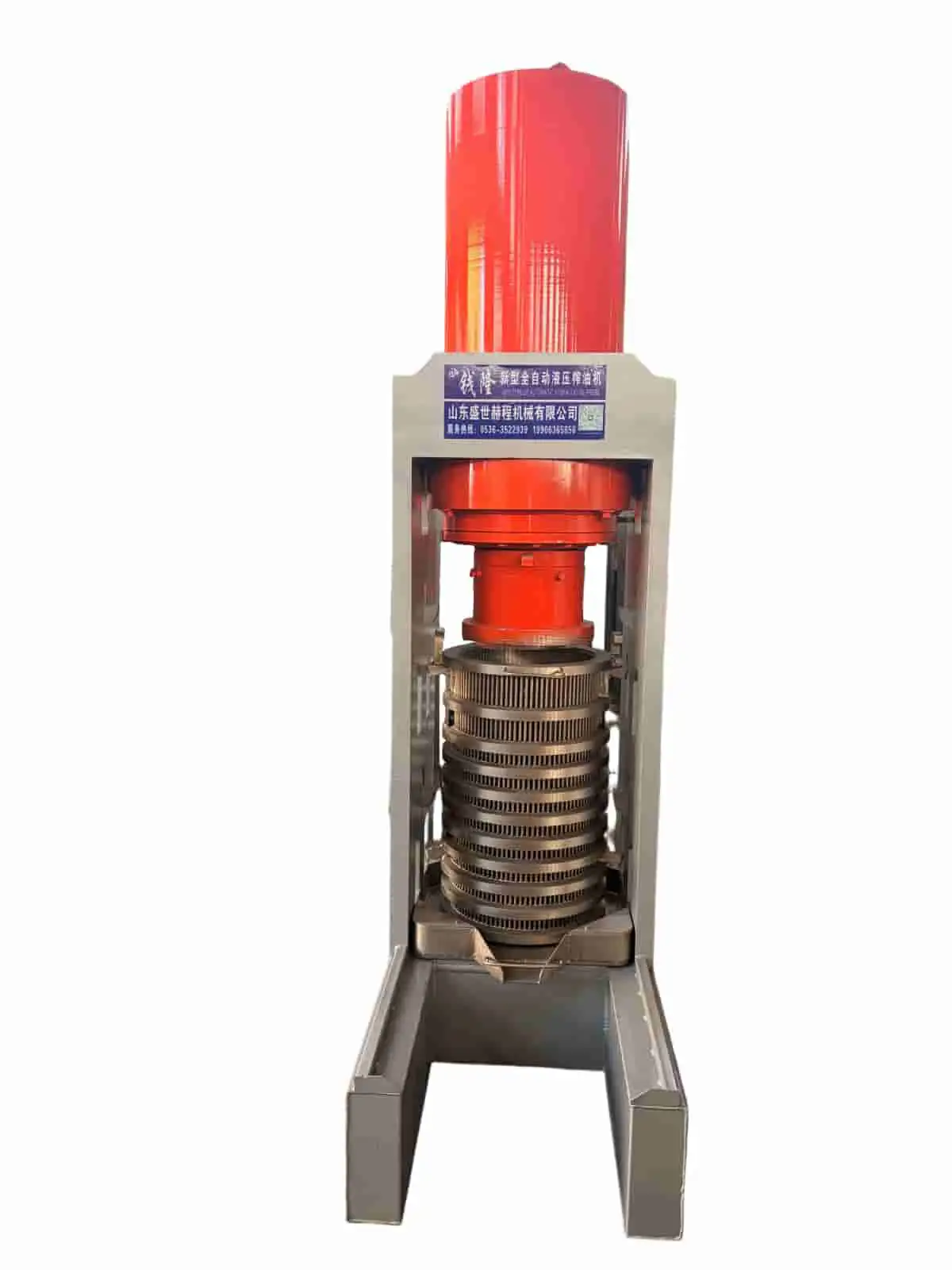
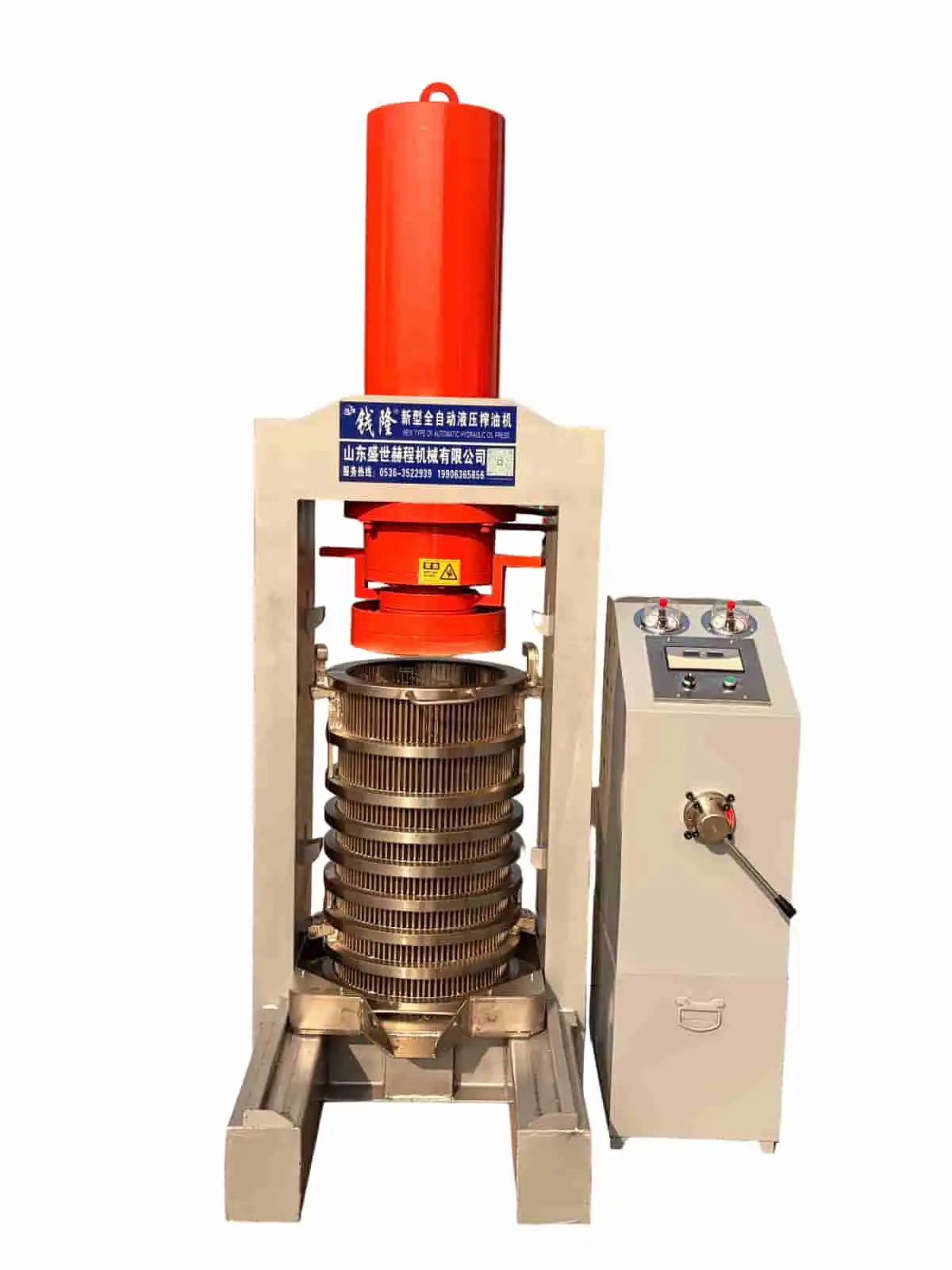
The existing page presents two machine paths. The 355-500 family is the main cold-press route; Model 325 is shown as a smaller workshop or pilot reference. Confirm the intended process and barrel before treating either as the final selection.
Main cold-press route
Models 355, 400, 426, 480, and 500
The dedicated product page lists down pressure from 370 to 630 tons. Its standard 390 mm by 800 mm barrel has a source-listed 5-100 kg press-volume range for crushed or powdered oilseed.
- Select the barrel before comparing model force
- Confirm practical feed volume with the actual kernel
- Allow for loading, pressing, unloading, and filtration in the schedule
- Do not assume a higher model automatically increases batch volume
Current-page alternative
Model 325 smaller-batch reference
The tea seed page also lists the 325 press for smaller workshops or pilot projects. Because the dedicated Model 300 / 325 page is positioned as a hot-press family, request written confirmation of the tea seed process, barrel, partitions, and cycle before ordering.
- Published 325-ton down pressure and 60 MPa system pressure
- Published 390 mm by 800 mm barrel
- Published maximum reference of 100 kg crushed material
- Destination-specific electrical configuration required
Tea seed operating details
Use the current field notes as confirmation points for a material trial
The existing page describes a cloth-free tea seed process using a slotted barrel, reusable separator plates, and bottom-up cake ejection. Confirm these details for the selected model and prepared material.
Feed preparation
Crushed tea seed kernel
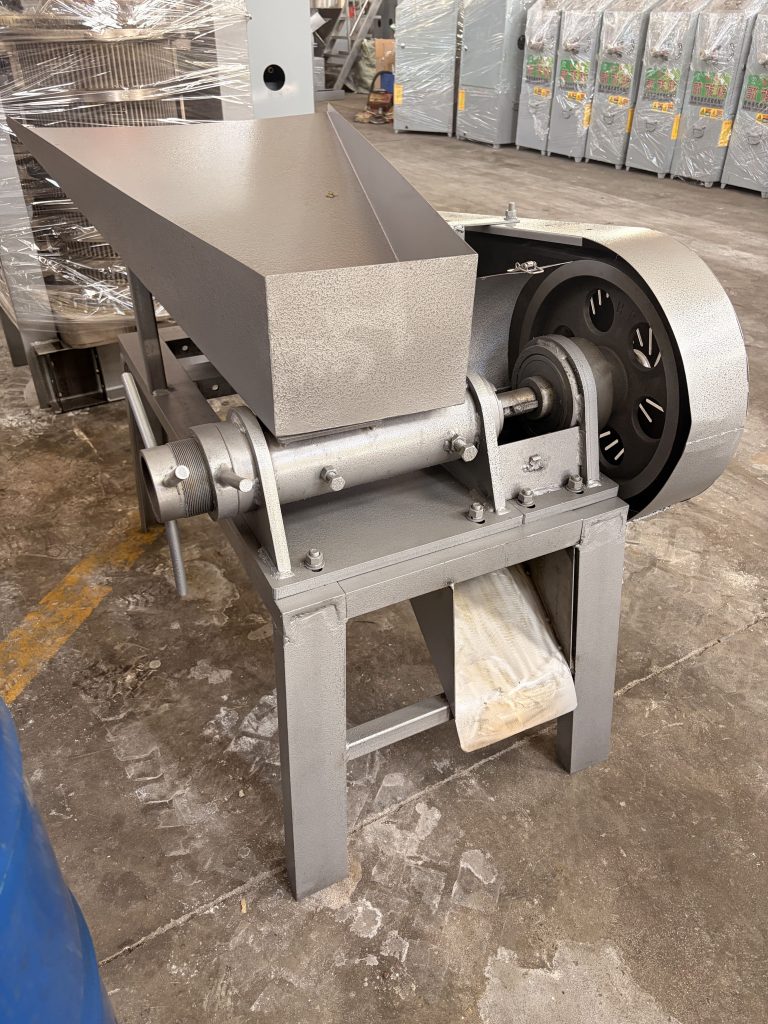
The published line uses a pre-press machine before hydraulic pressing. Send the whole seed, shell condition, moisture, and desired particle size so the preparation route can be tested.
Oil drainage
Bar-slot pressing barrel
The source describes oil leaving through the gaps in the pressing barrel while carbon-steel separator plates divide the load and support drainage.
Cake handling
Bottom-up cake ejection
The existing operating notes describe the compressed cake being pushed upward from the bottom after pressing. Confirm clearance and operator access around this unloading path.
Oil finishing
Paper filtration before storage
Collect crude tea seed oil separately and clarify it with the pneumatic multi-layer paper filter before clean storage or bottling.
Model 325 source data
Published machine reference for the smaller-batch option
These are machine-level values from the current tea seed page, not a guaranteed tea seed capacity or output. Confirm the selected process and model in the proposal.
| Item | Published value | Project check |
|---|---|---|
| Model | 325 hydraulic oil press | Confirm suitability for the intended tea seed cold-press route. |
| Total pressing force | 325 tons | Evaluate with the selected barrel and prepared kernel. |
| System pressure | 60 MPa | Confirm operating and safety settings. |
| Motor power | 2.2 kW | Confirm electrical load and local supply. |
| Published power supply | 380 V / 50 Hz / 3 phase | Specify destination voltage, phase, and frequency. |
| Oil cylinder | 325 mm outer / 260 mm inner; 27SiMn steel | Request the final model drawing. |
| Barrel | 390 mm diameter x 800 mm high | Confirm barrel and separator configuration. |
| Maximum feed reference | 100 kg crushed material per batch | Confirm the working load with actual tea seed kernel. |
| Equipment weight | 1.4 tons | Confirm shipping and floor-loading data. |
Buyer configuration checklist
Information needed before the line can be sized
- Tea seed variety, whole seed or kernel, shell condition, and moisture
- Representative material sample or clear photos
- Required batch input, daily target, and operating hours
- Maximum acceptable material and oil temperature
- Single press or multiple presses working in parallel
- Required oil clarity, storage, and filling scope
- Pressed-cake plan and required unloading arrangement
- Workshop dimensions, access, power supply, and destination country
Test the prepared kernel, not only the whole seed
Shell content, moisture, particle size, loading density, and cycle settings affect oil flow and cake formation. A useful trial should document the exact preparation and resulting oil and cake, then use that result to set the practical batch schedule.
Related equipment
Continue the tea seed line specification
Turn the tea seed sample into a tested batch configuration
Send the seed and kernel condition, target batch and daily input, temperature requirement, oil and cake targets, workshop dimensions, electrical supply, packaging plan, and destination.