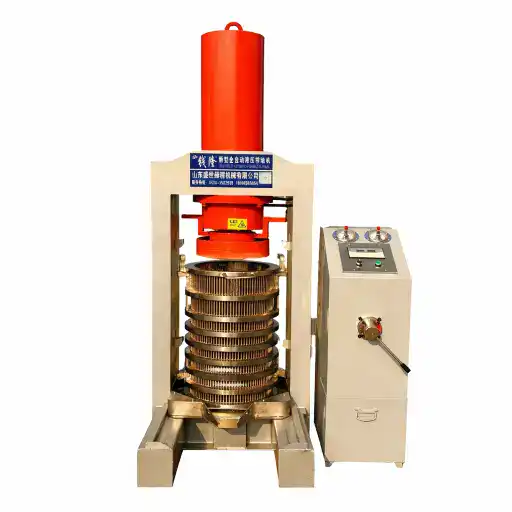
Dry cocoa press-cake grinding
Reduce prepared cocoa cake through an impact mill and selected screen
This stainless steel powder grinder is positioned after hydraulic cocoa butter pressing. It uses high-speed impact, shear, friction, and a replaceable screen to turn prepared dry or conditioned press cake into powder. It is a different process from wet cocoa-nib grinding in a colloid mill.
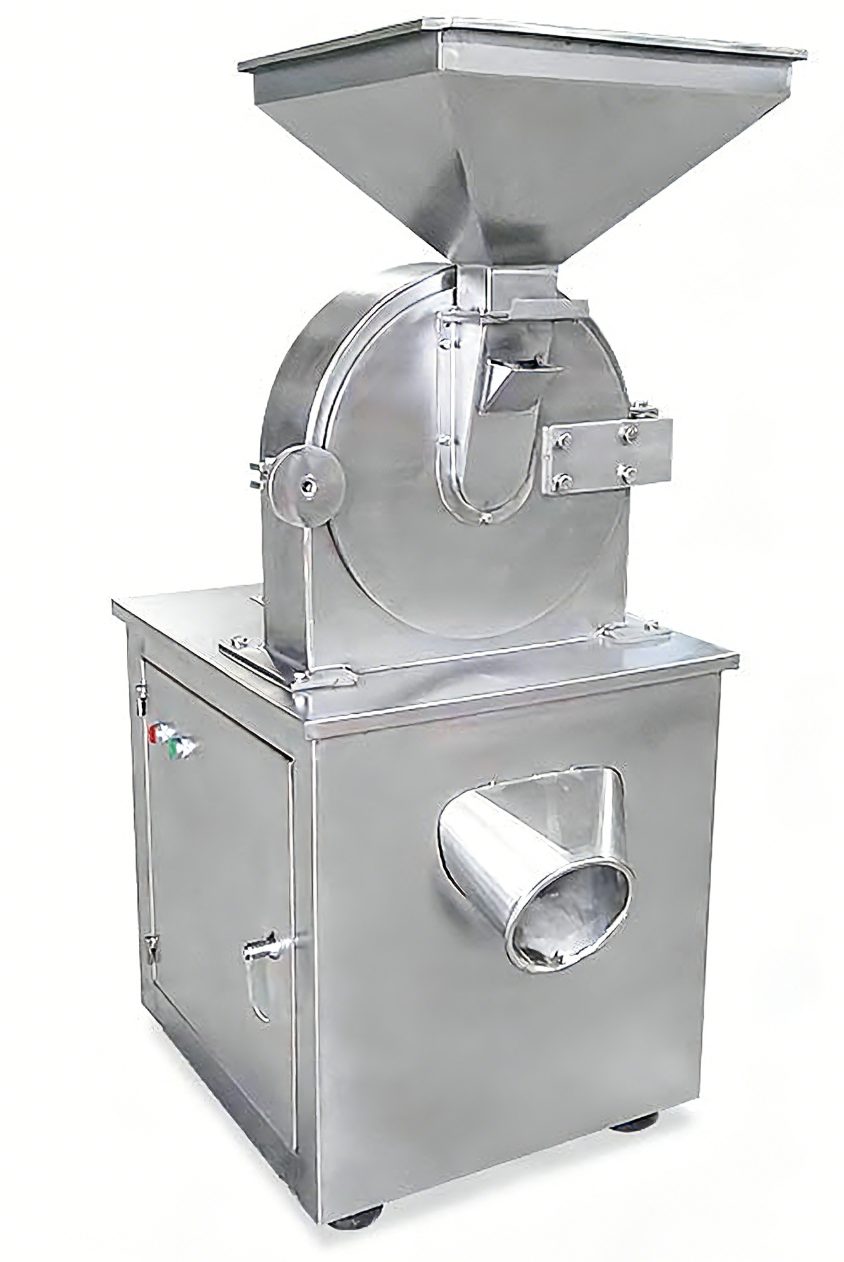
Application boundary
Define the feed as cocoa press cake, not beans or cocoa liquor
The product overview and process flow place this grinder after butter pressing. The current FAQ also mentions cocoa beans, which conflicts with that process position. Approve the machine against prepared cake with known moisture, residual fat, temperature, and feed size.
Dry grinding route
Cocoa press cake to screened powder
- Condition or cool the press cake as required
- Pre-crush large cake pieces to the approved inlet size
- Feed the dry grinder at a controlled rate
- Select and verify the screen for the required powder result
Wet grinding route
Cocoa nibs to pumpable cocoa liquor
Roasted and winnowed nibs are ground into liquor before hydraulic pressing. A wet colloid mill handles that stage; the dry powder grinder does not replace it.
- Prepared nib feed and controlled liquor temperature
- Wet rotor-stator grinding and circulation
- Liquor transfer to the hydraulic butter press
Practical operating sequence
Stabilize cake condition before selecting screen and feed rate
Grinding performance changes with residual fat, moisture, temperature, cake hardness, inlet size, screen, and the powder test. Record these conditions during every trial.
Machine details
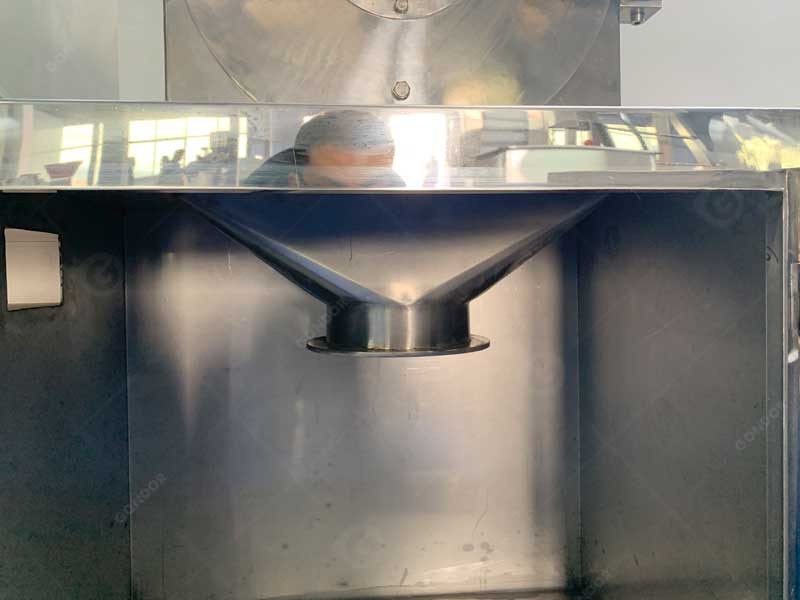
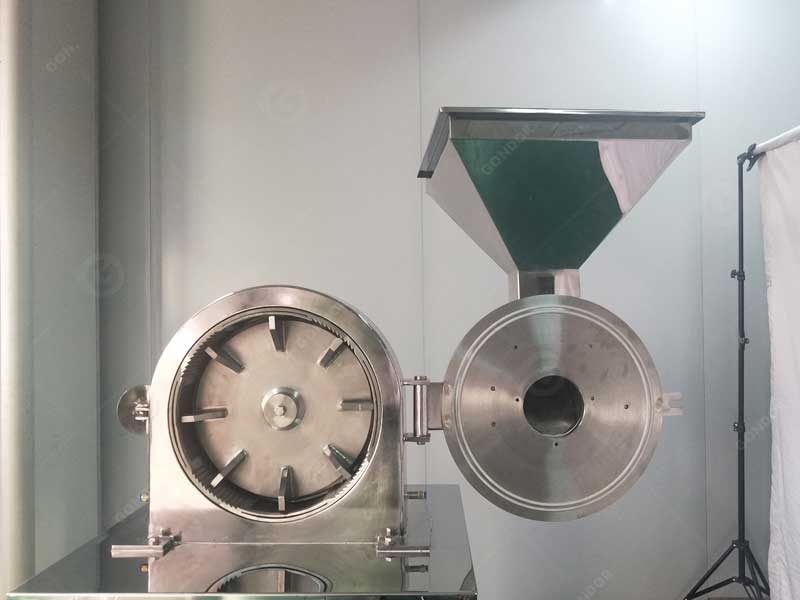
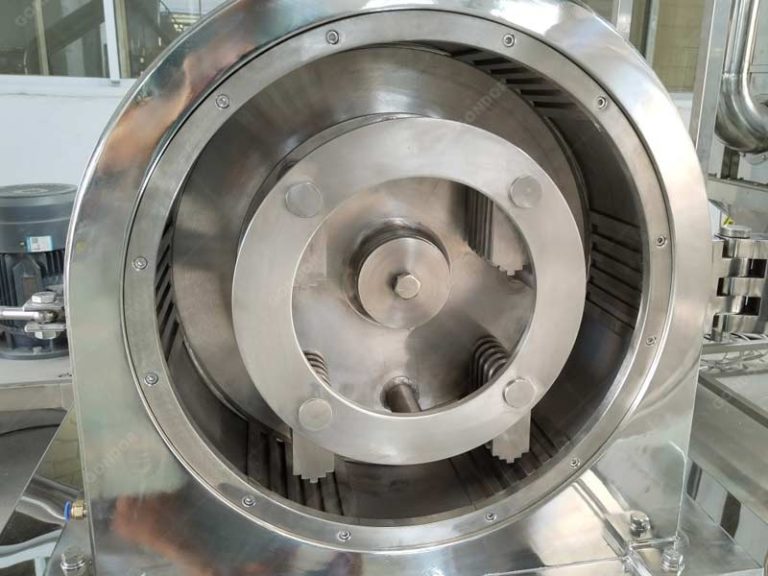
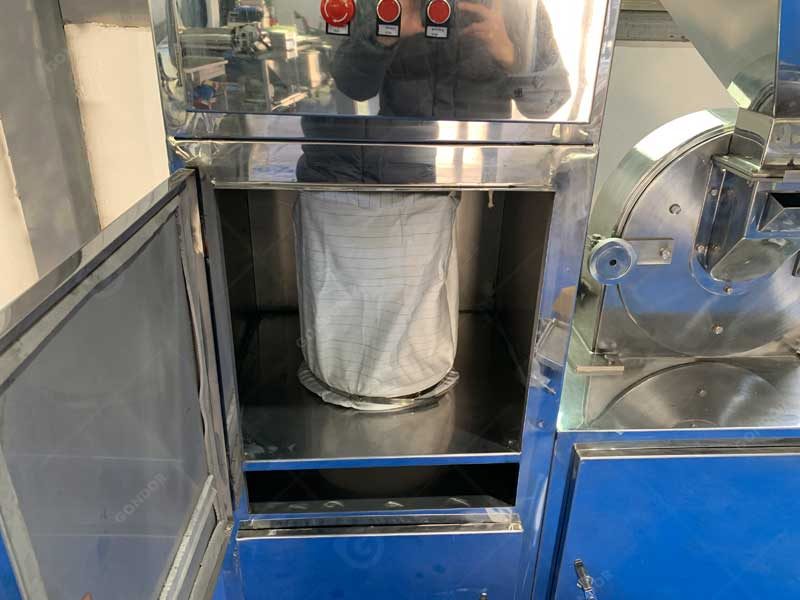
Inspect the feed opening, grinding chamber, screen, and collection path
These existing site photographs show the machine family and accessible internal areas. Confirm which features, doors, collection parts, and cooling connections belong to the quoted model.
Source-listed model references
Use the published table to shortlist models, then test real cocoa cake
The current page lists the following values. Capacity, fineness, and temperature behavior are not guaranteed because the source does not define cocoa cake moisture, residual fat, feed temperature, screen details, test duration, or sampling method.
| Model | Source-listed capacity | Feed size | Powder fineness | Power | Speed | Weight |
|---|---|---|---|---|---|---|
| 15B | 20–150 kg/h | <10 mm | 20–120 mesh | 2.2 kW | 6000 r/min | 150 kg |
| 20B | 40–200 kg/h | <10 mm | 20–120 mesh | 4 kW | 4500 r/min | 280 kg |
| 30B | 80–400 kg/h | <12 mm | 20–120 mesh | 7.5 kW | 3800 r/min | 340 kg |
| 40B | 100–800 kg/h | <15 mm | 20–120 mesh | 11 kW | 3400 r/min | 450 kg |
| 50B | 150–1000 kg/h | <18 mm | 20–120 mesh | 15 kW | 3000 r/min | 600 kg |
| 60B | 250–1500 kg/h | <20 mm | 20–120 mesh | 22 kW | 2800 r/min | 900 kg |
| 80B | 350–2000 kg/h | <25 mm | 20–120 mesh | 30 kW | 2400 r/min | 1250 kg |
| 100B | 500–3000 kg/h | <28 mm | 20–120 mesh | 37 kW | 2000 r/min | 1580 kg |
Mesh range does not prove finished cocoa powder quality
A replaceable screen controls which particles can leave the chamber, but the finished distribution also depends on cake preparation, residual fat, moisture, temperature, rotor condition, feed rate, recirculation or rework, and the laboratory method. Define a sieve or particle-size test and a product-temperature limit for acceptance.
Source-described construction
Confirm each product-contact and collection component
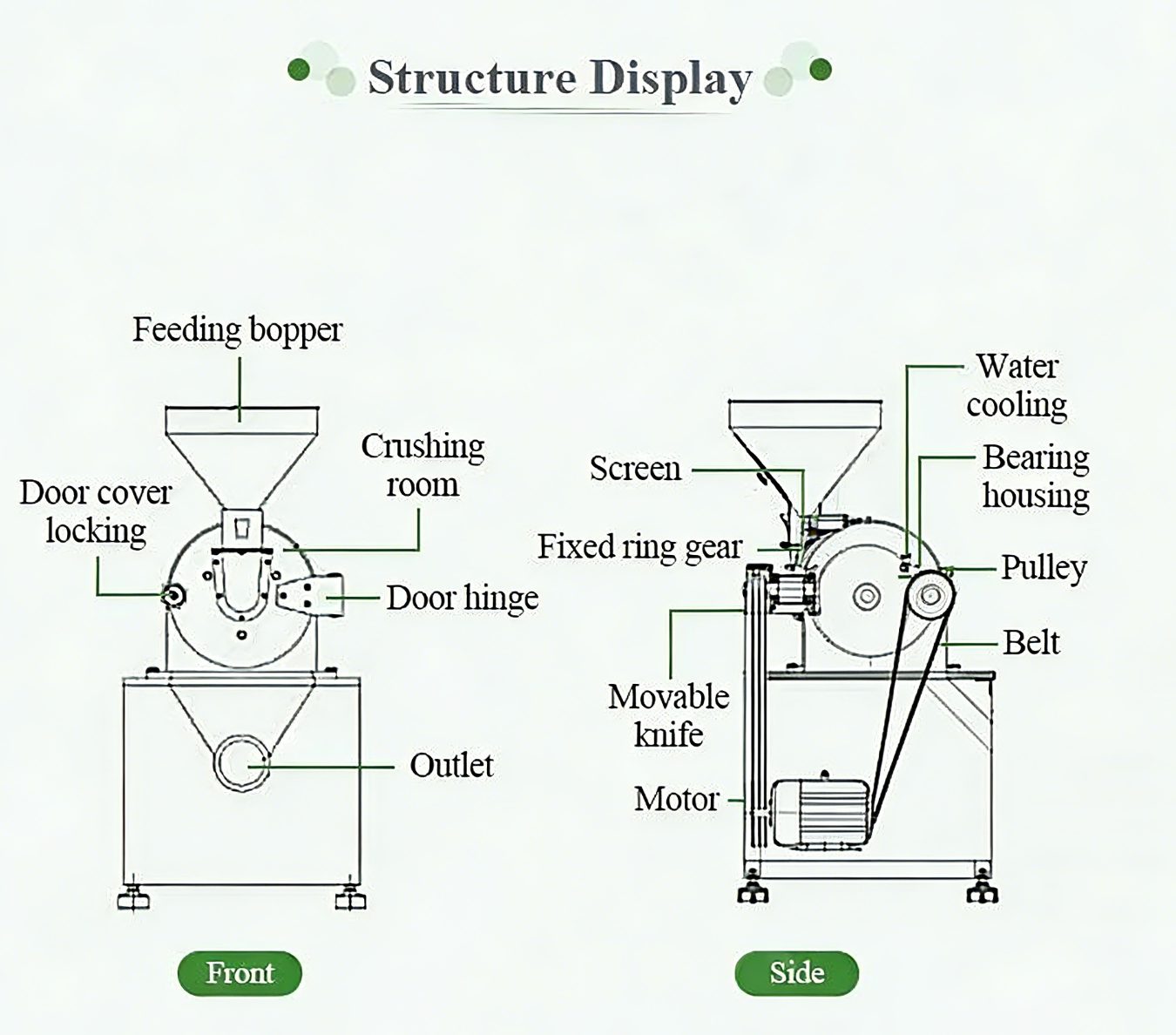
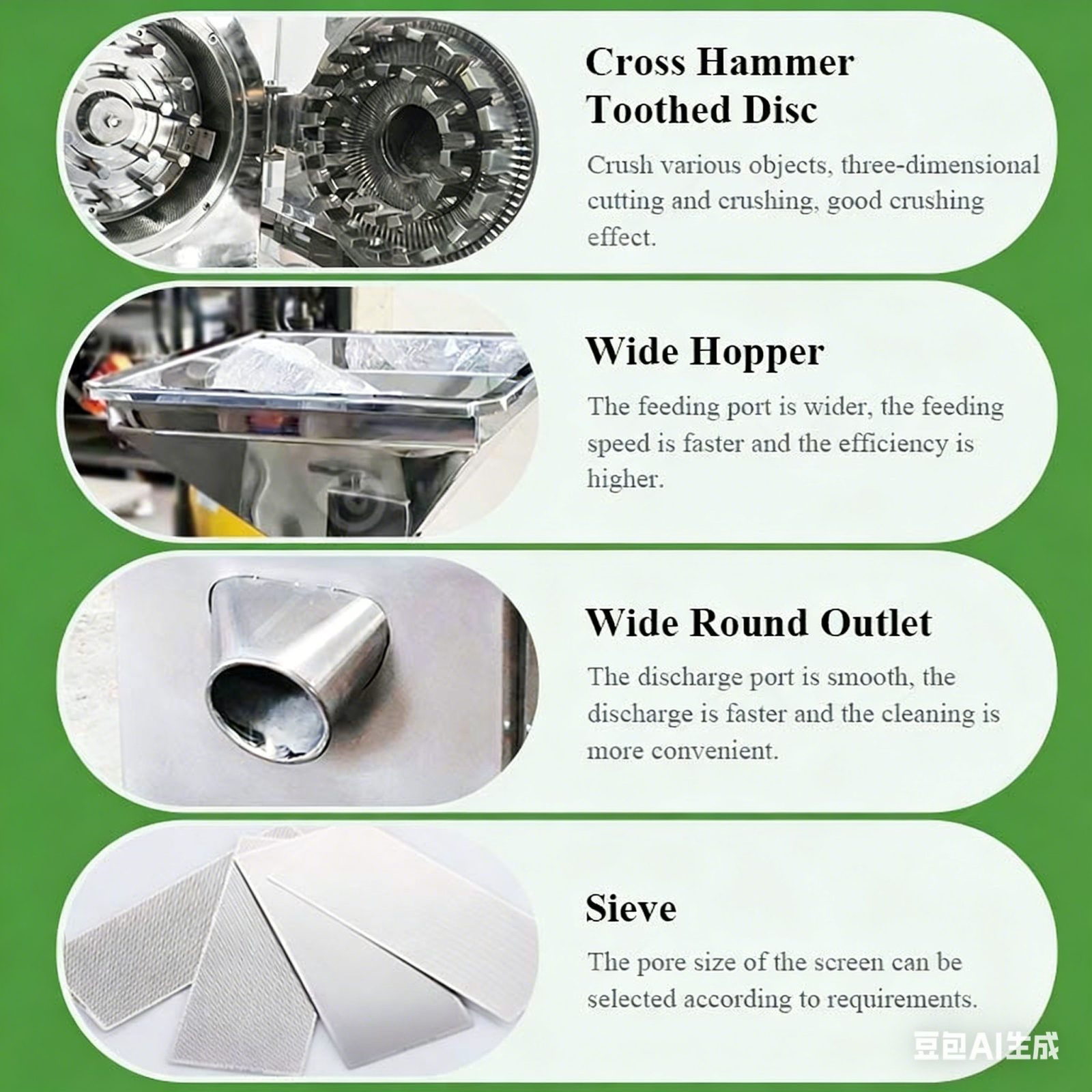
- The page describes a feeding hopper, grinding chamber, moving and fixed toothed elements, replaceable screen, motor drive, and discharge outlet.
- It calls the machine food-grade stainless steel but does not identify alloy grade, surface finish, weld treatment, or certificates.
- Confirm hopper, chamber, rotor, fixed elements, screen, outlet, collection bag or vessel, seals, fasteners, and downstream transfer materials.
- Approve door interlocks, fasteners, screen retention, guard construction, and inspection access on the final model.
Screen and collection scope
Specify how powder leaves the grinder and reaches packaging
- Identify supplied screen sizes, screen material, spare quantity, and change procedure.
- Confirm whether discharge is by gravity, fabric bag, sealed container, pneumatic transfer, or another project-specific arrangement.
- Define any cyclone, dust collector, rotary valve, sifter, magnet, metal detector, cooling conveyor, or buffer hopper separately.
- Set a sampling point before final packing and a method for managing off-spec powder.
Heat management
Control grinding temperature around residual cocoa butter
- Provide cake temperature, moisture, residual-fat target, hardness, and pre-crushed feed size.
- The source states that some models may use water cooling; confirm whether it is included, where it acts, and its connection requirements.
- Record inlet, chamber, discharge, and powder temperatures during the sample trial as appropriate to the supplied controls.
- Confirm whether cake or powder needs intermediate cooling, short runs, staged grinding, or a separate cooling conveyor.
Dust and workplace safety
Treat enclosed grinding as a dust-control starting point
- Perform a project-specific combustible-dust and ignition-risk assessment for cocoa powder and any other intended material.
- Define extraction airflow, collection, housekeeping, grounding, electrical area requirements, and safe disposal of collected dust.
- Do not rely on the source claim of “dust-free” operation without an agreed leakage and extraction test.
- Use lockout before opening the chamber, screen, drive, collection cabinet, or electrical enclosure.
Cleaning and allergen control
Validate access beyond the polished exterior
- Confirm safe removal of screens, grinding elements, hopper, collection parts, and retained powder.
- Define dry cleaning, controlled wet cleaning, drying, inspection, and release before restart.
- Document allergen, flavor, color, pharmaceutical, or chemical changeover requirements where applicable.
- Inspect door seals, screen seating, fasteners, rotor wear, bearings, drive, and collection connections on schedule.
Utilities and controls
Confirm the complete connected load and control boundary
- Specify voltage, phase, frequency, motor enclosure, starter, overload protection, emergency stop, and interlocks.
- Confirm cooling-water requirements where fitted, plus extraction, compressed air, and downstream transfer utilities.
- Identify included controls for feeder, grinder, collector, sifter, cooling, and packaging interfaces.
- Request a layout showing foundation, lifting, service access, product route, dust ducting, and maintenance space.
Cocoa line integration
Balance powder grinding from the verified press-cake flow
Bean input is not powder-mill input. Calculate this stage from nib recovery, liquor production, butter separation, cake output, residual-fat target, rework, operating hours, cleaning, and packaging demand.
Quotation checklist
Information needed to test and size the powder stage
- Cake source, cocoa type, moisture, residual fat, temperature, hardness, and representative sample
- Incoming piece size, pre-crusher scope, required powder test, and packaging specification
- Required powder quantity, hours, batch schedule, rework, and cleaning allowance
- Temperature limit, cooling, dust collection, sieving, metal control, and transfer method
- Contact materials, cleaning standard, utilities, workshop drawing, destination, and documents
Request a cake-specific trial report
The report should identify cake moisture, residual fat, temperature, feed size, model, screen, feed rate, run time, motor load, powder temperature, finished-powder test, yield basis, retained material, and cleaning observations.
Related cocoa equipment
Complete the route before fixing grinder capacity
Restored original media
Cocoa powder mill photographs
Three original machine views restored for construction and cleaning review.
Cocoa Powder Grinding Machine
Cocoa Powder Grinding Machine
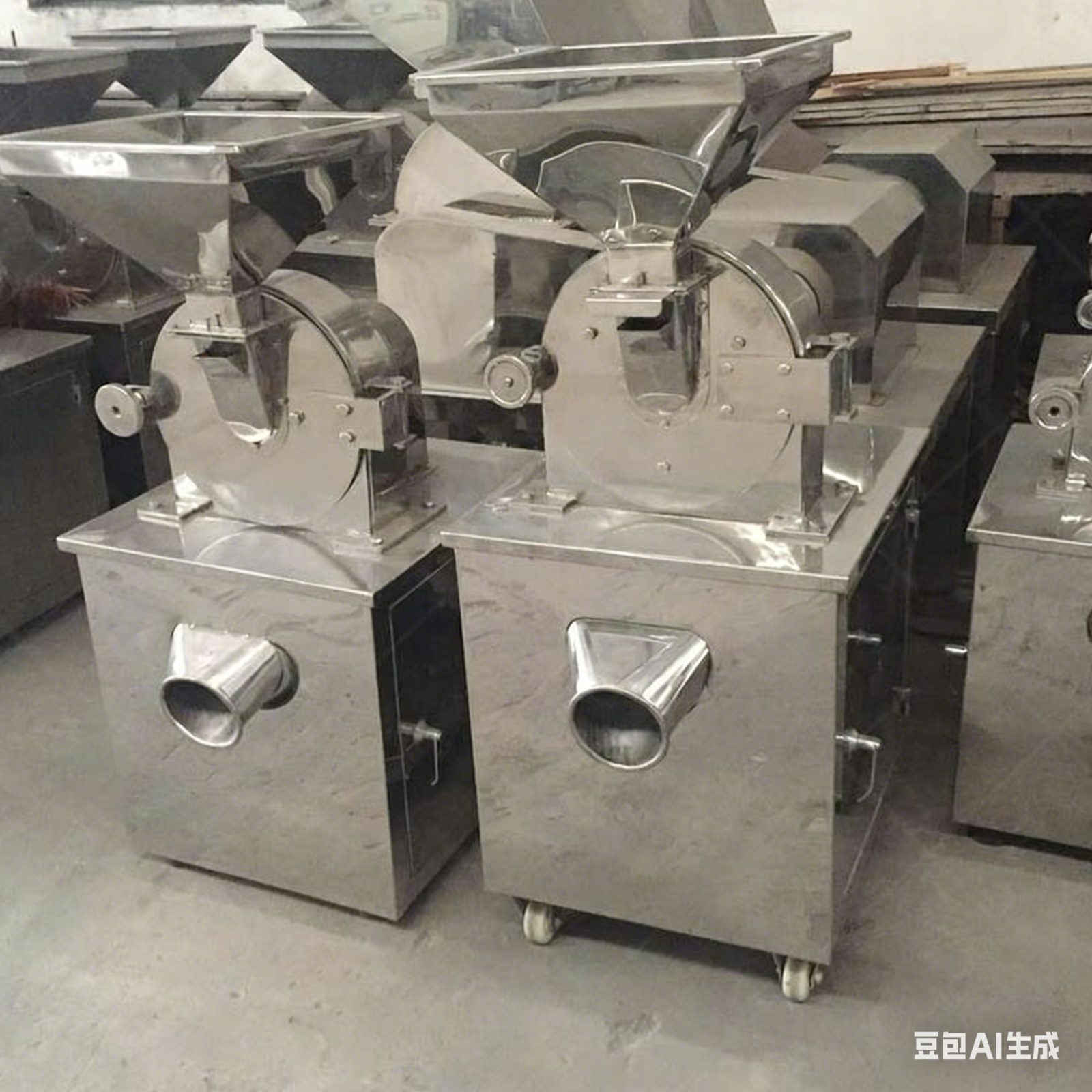
Cocoa Powder Grinding Machine
Test the powder mill with the actual cocoa press cake
Send the cake sample and condition, required powder test, hourly or batch demand, temperature limit, dust-control scope, utilities, packaging, workshop layout, and destination.