Complete fresh coconut processing
One project scope for coconut water, milk, desiccated coconut, and oil
The published line starts with fresh mature coconuts and combines dehusking, manual shell removal, water filtration, meat washing and crushing, hydraulic milk pressing, drying, screw oil pressing, centrifugal separation, optional refining, and packaging. Final equipment must be balanced around the products the factory will actually make.
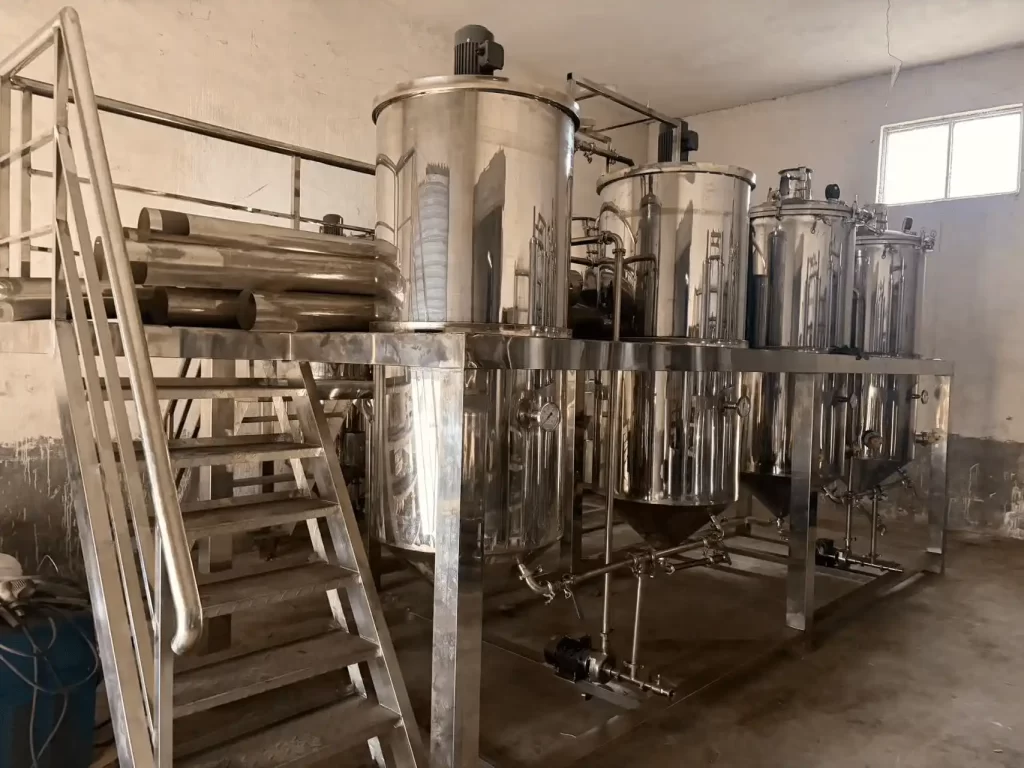
Published full-line video
Review the physical sequence before fixing the factory layout
The current page includes this complete coconut water and coconut oil line video. Use it to discuss material movement, operator stations, wet and dry areas, cleaning access, tank placement, ventilation, and packaging flow.
- Separate raw-coconut handling from clean liquid and packaging zones.
- Keep wet coconut-water and milk operations away from the drying section.
- Allow service access around presses, centrifuge, tanks, and refining vessels.
- Confirm floor drainage, wastewater handling, ventilation, and washdown scope.
Product routes
Choose which commercial outputs the project must support
The source page combines two connected branches. A buyer may use the full route or define a smaller scope, but shared preparation, utilities, storage, cleaning, and packaging still need to be coordinated.
Wet processing branch
Coconut water and coconut milk
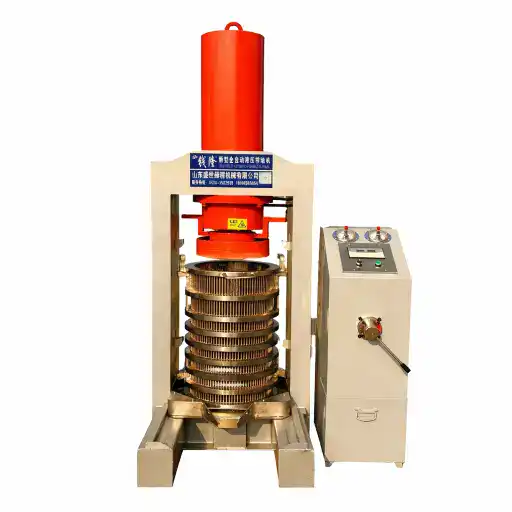
Collect and filter coconut water during preparation. Wash and crush the meat, then use the listed hydraulic press for coconut milk extraction before storage or filling.
- Coconut water collection and plate-and-frame filtration
- Dedicated clean-water and liquid-storage plan
- Meat washing and crushing before milk pressing
- Model 325CG-A hydraulic milk press in the current scope
- Single-head filling machine for the listed milk section
Drying and oil branch
Desiccated coconut and coconut oil
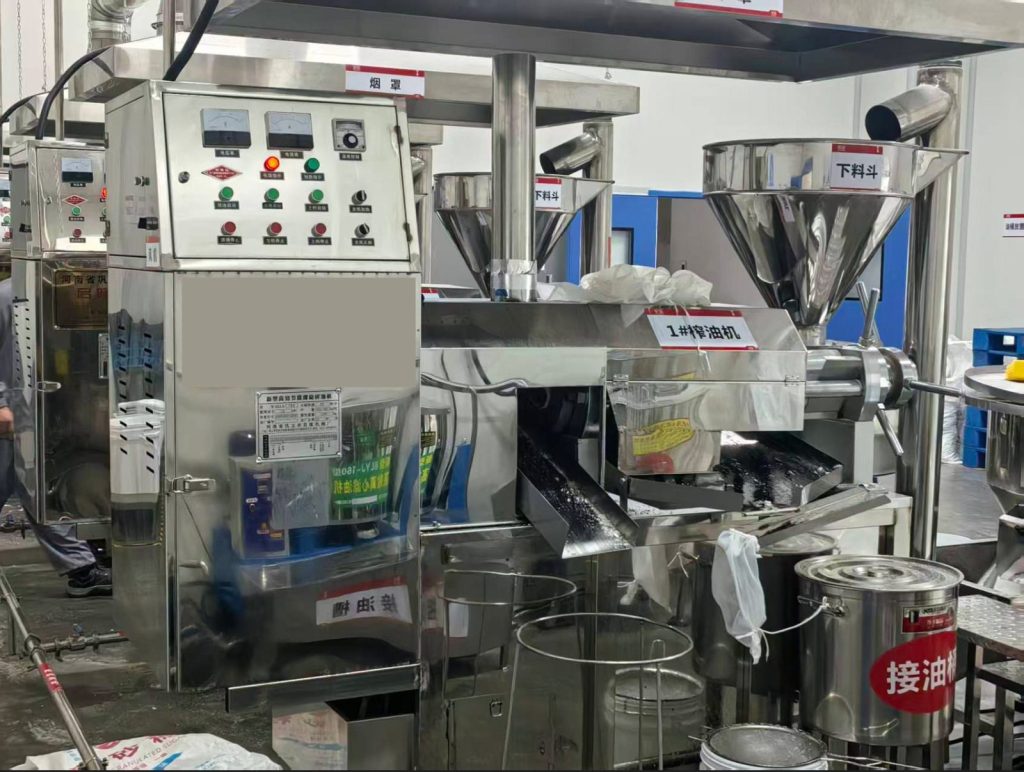
Dry the pressed coconut material, mix and elevate it, extract oil with the listed screw presses, then separate, store, refine if required, and package the oil.
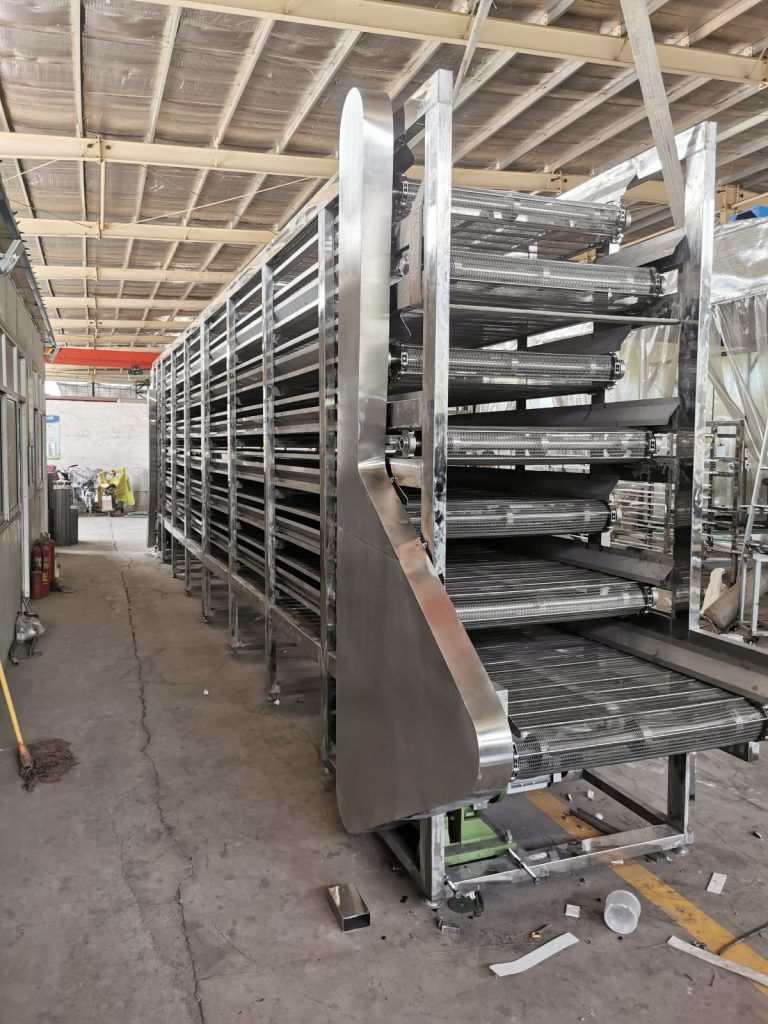
- Controlled drying of wet coconut material
- Mixing and stainless-steel elevation to the press section
- Model 128 screw oil presses in the current scope
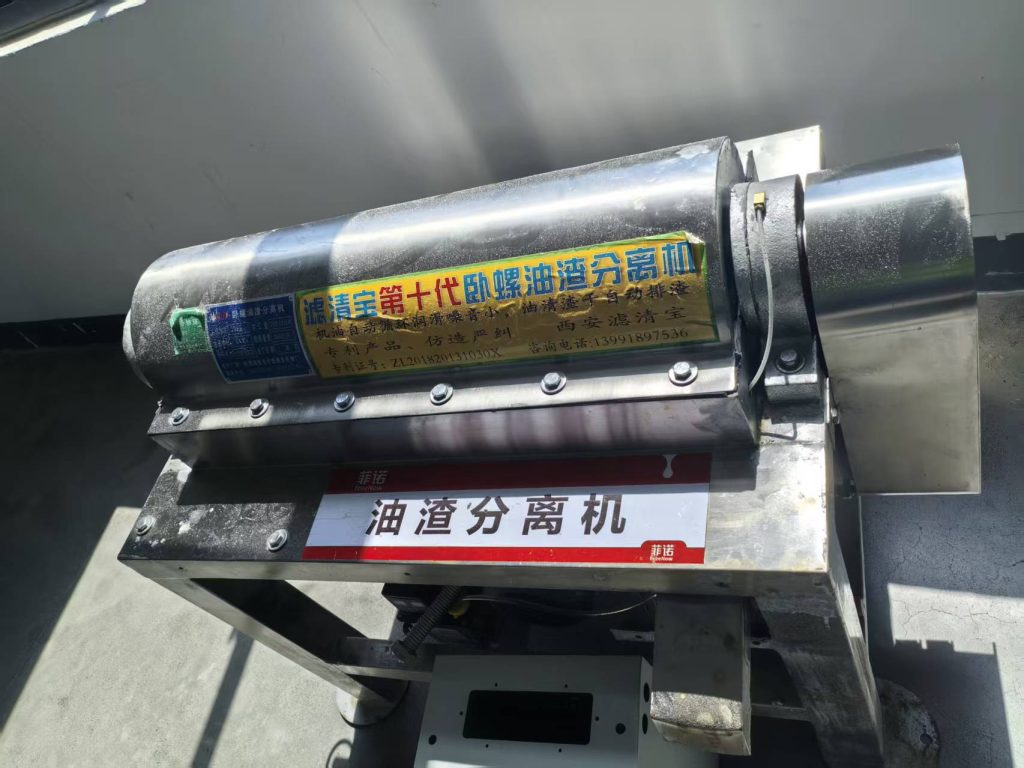
- Centrifugal separation and crude-oil storage
- Optional refining and final filling, capping, labeling, and coding
Macro process flow
Plan the line as six connected factory zones
The current equipment list contains 23 modules. Grouping them by factory function makes capacity, hygiene, utilities, and transfer responsibilities easier to review.
Original process footage
Watch the individual coconut-processing stages
These videos were retained in the media library from the earlier page. They show individual machines and transfers; use the full-line video above for the overall sequence and the quotation for model-specific capacity.
Coconut defluffing
Remove loose outer fiber before the coconut enters the downstream handling route.
Coconut conveyor
Transfer prepared coconuts between the raw-material workstations.
Shell removal
Open the coconut and separate the hard shell before meat washing.
Coconut meat washing
Wash coconut meat before crushing and hydraulic milk extraction.
Cleaning and crushing
Prepare washed coconut meat at a controlled size for the next extraction stage.
Crushed coconut meat
Inspect the prepared coconut feed before pressing or further processing.
Coconut milk extraction
Press prepared coconut meat and collect the liquid product for storage or filling.
Screw pressing dried coconut
Mix and feed the dried coconut material before oil extraction in the screw press.
Finished coconut oil packaging
Reference footage of the packaged coconut oil at the finished-product stage.
Restored factory photographs
Inspect the equipment and finished products from the earlier page
These photographs show the material, storage, drying, transfer, and packaging details that were present before the page redesign.
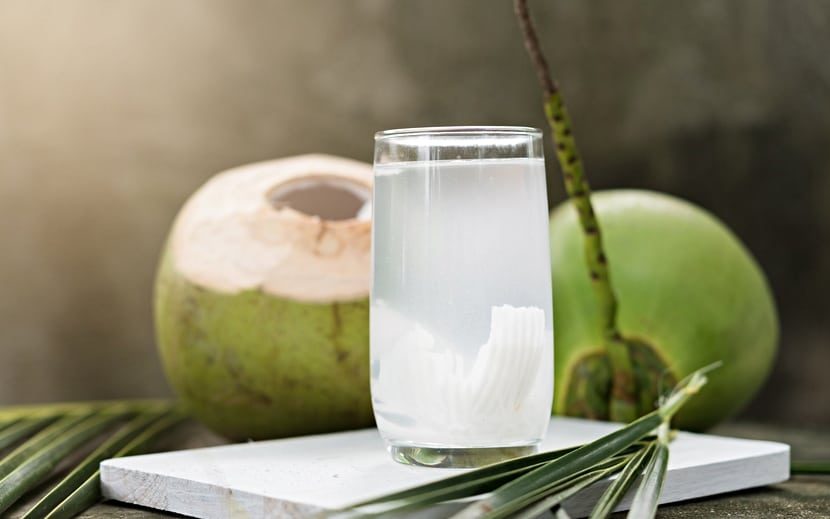
Coconut water
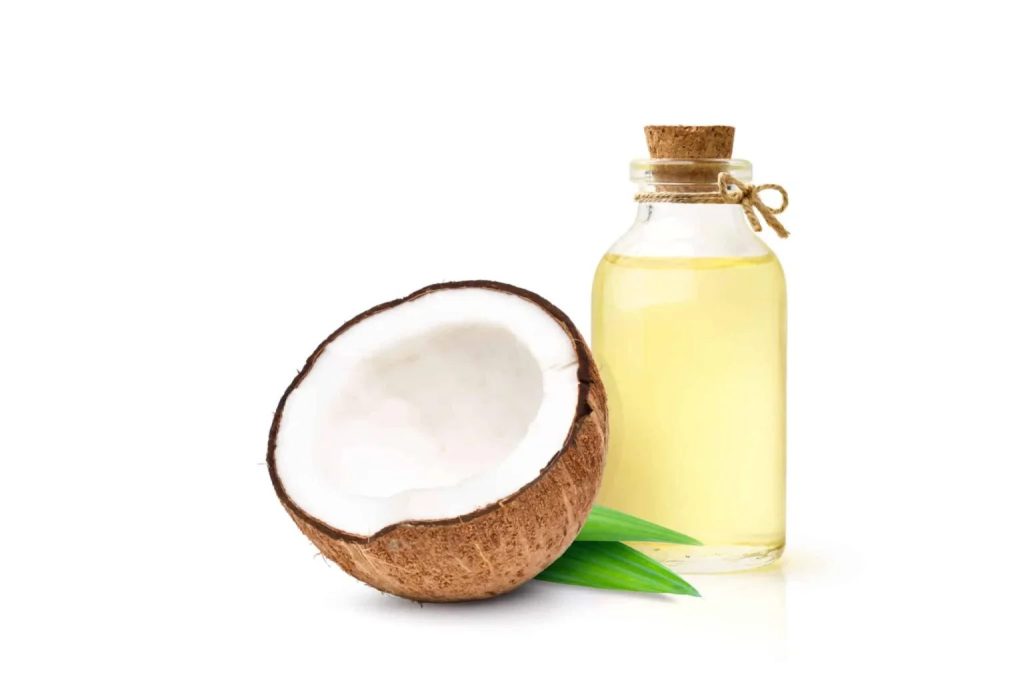
Coconut oil
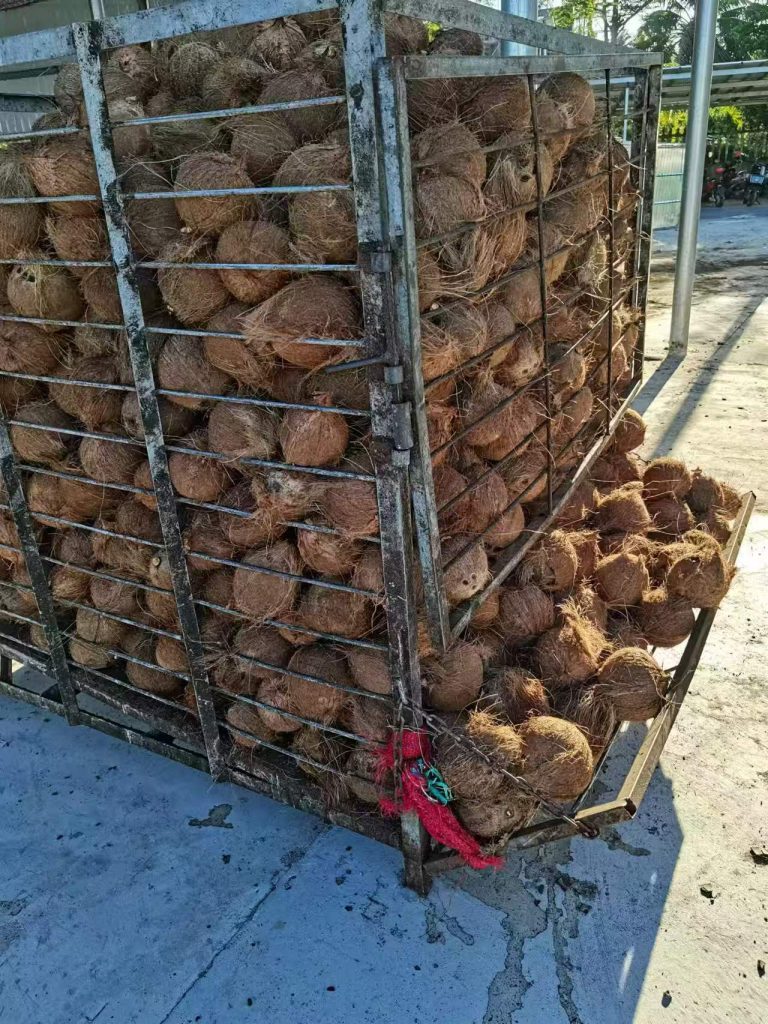
Defluffing equipment
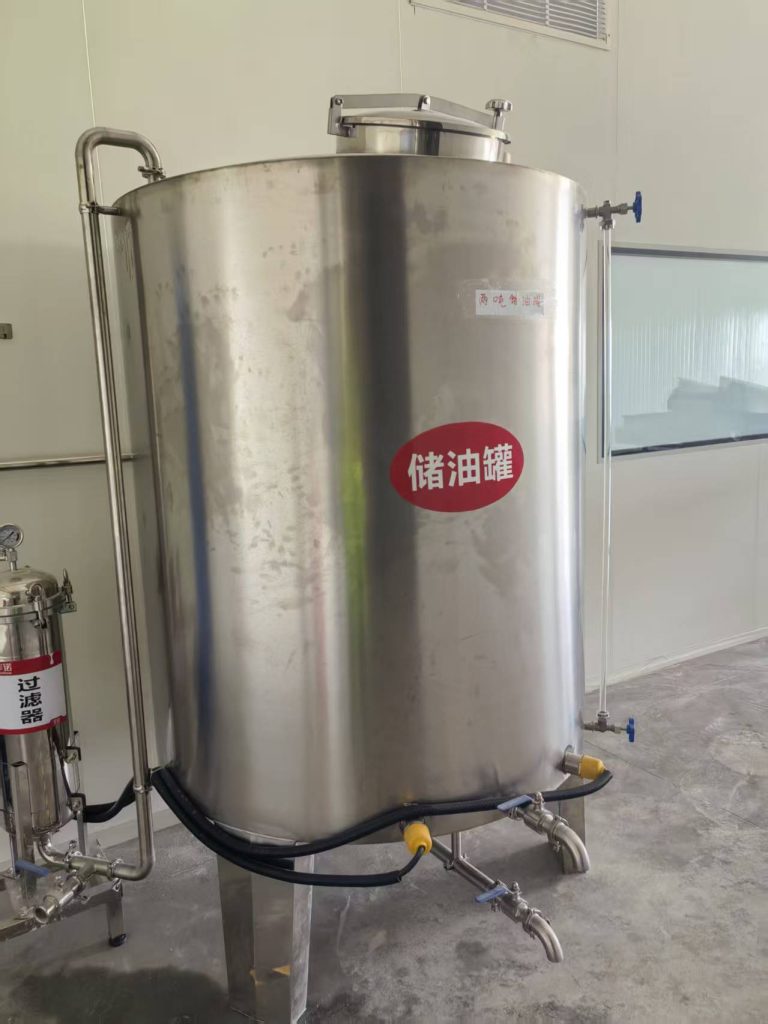
Oil storage tank
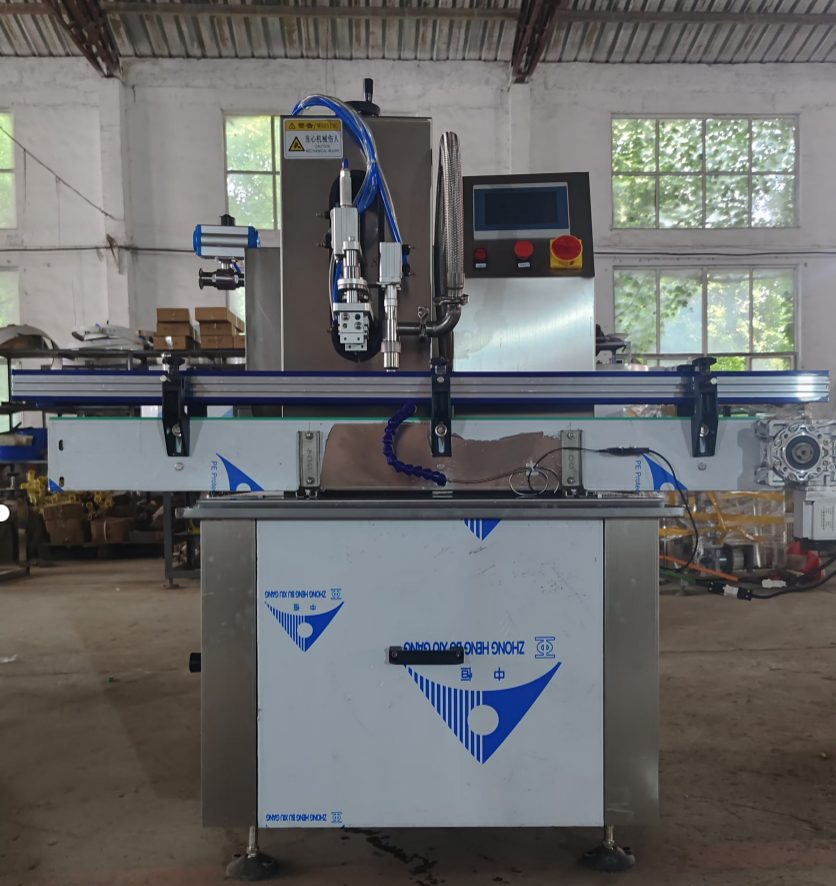
Coconut milk filler
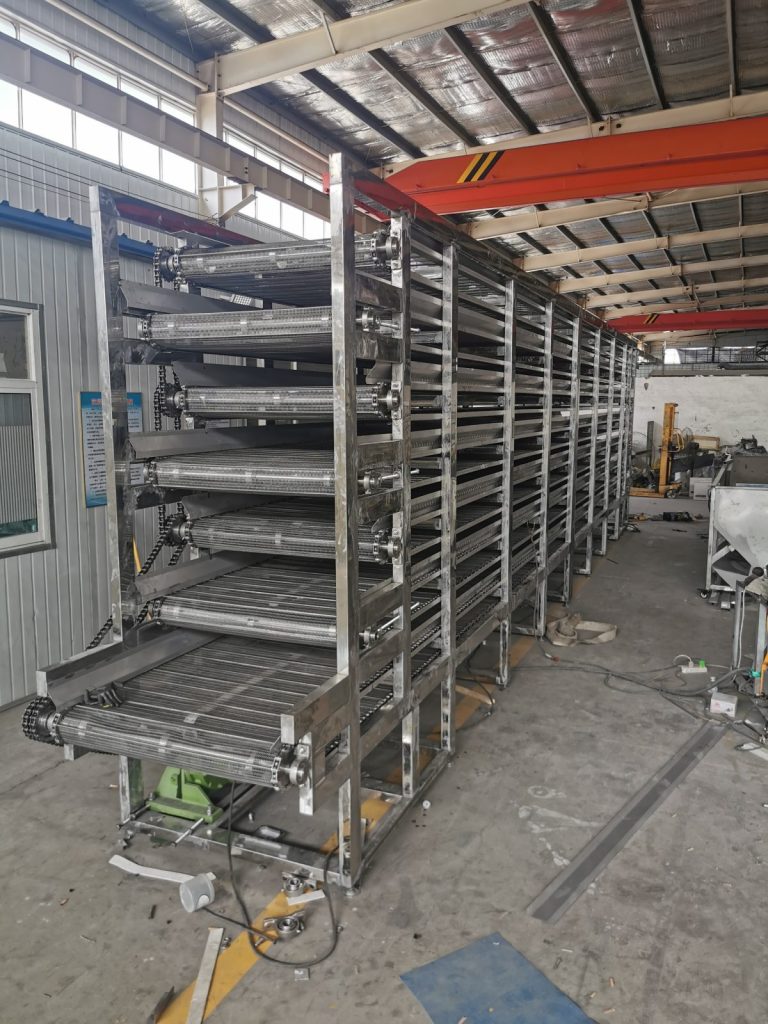
Dryer detail 1
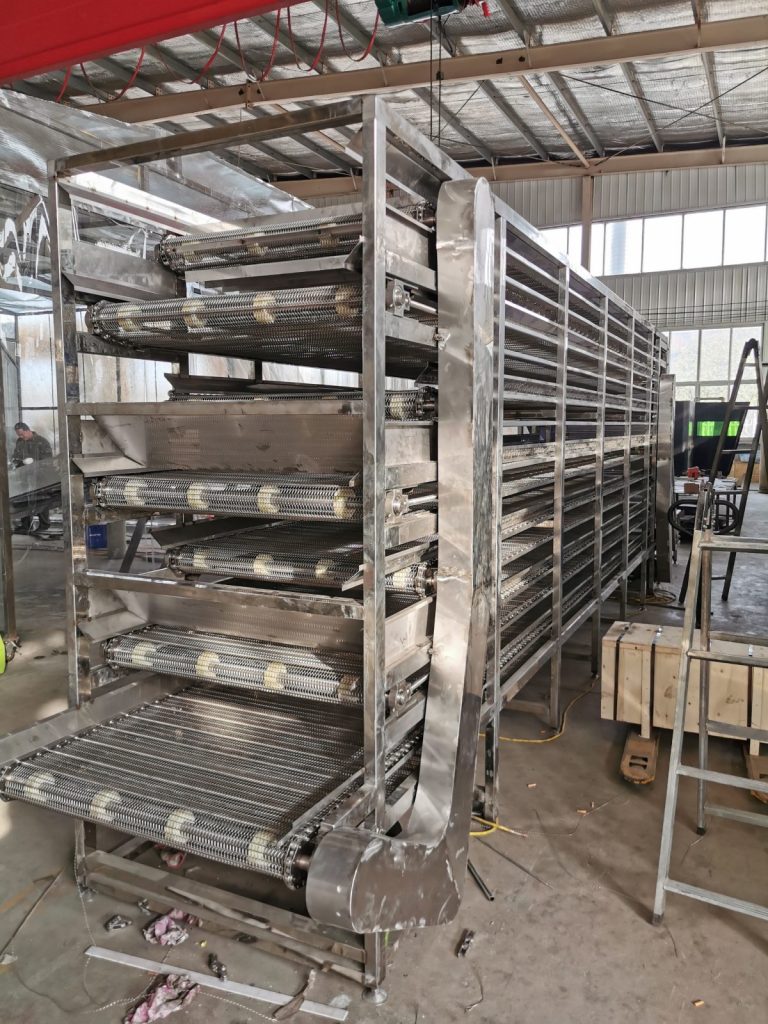
Dryer detail 2
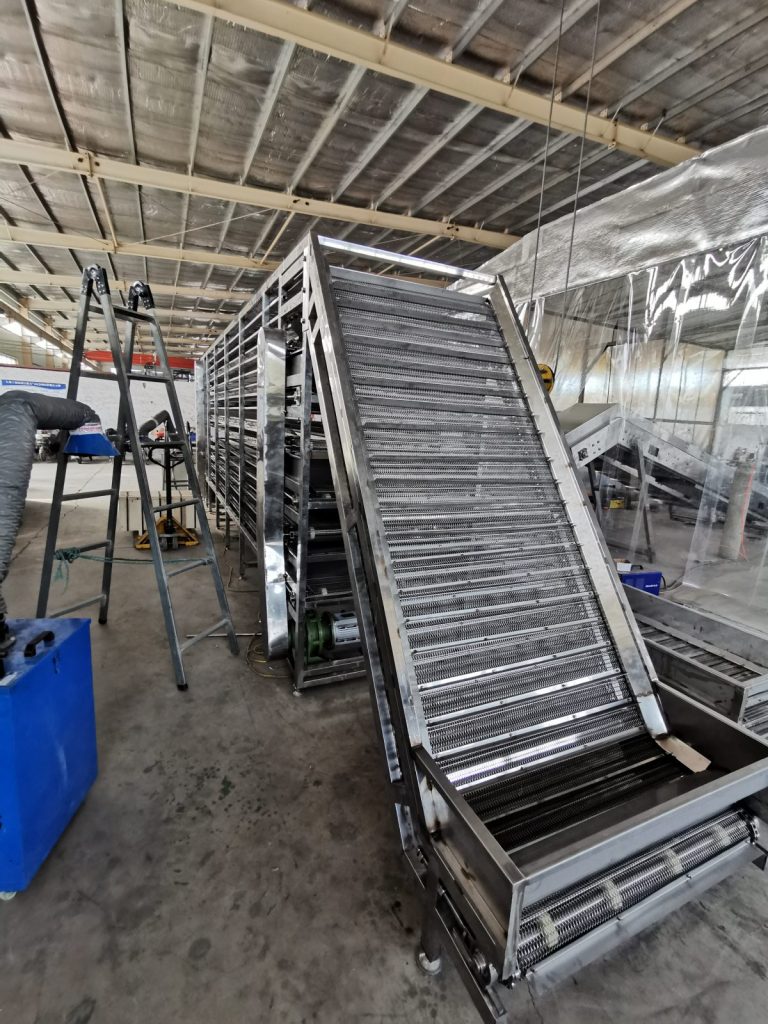
Dryer detail 3
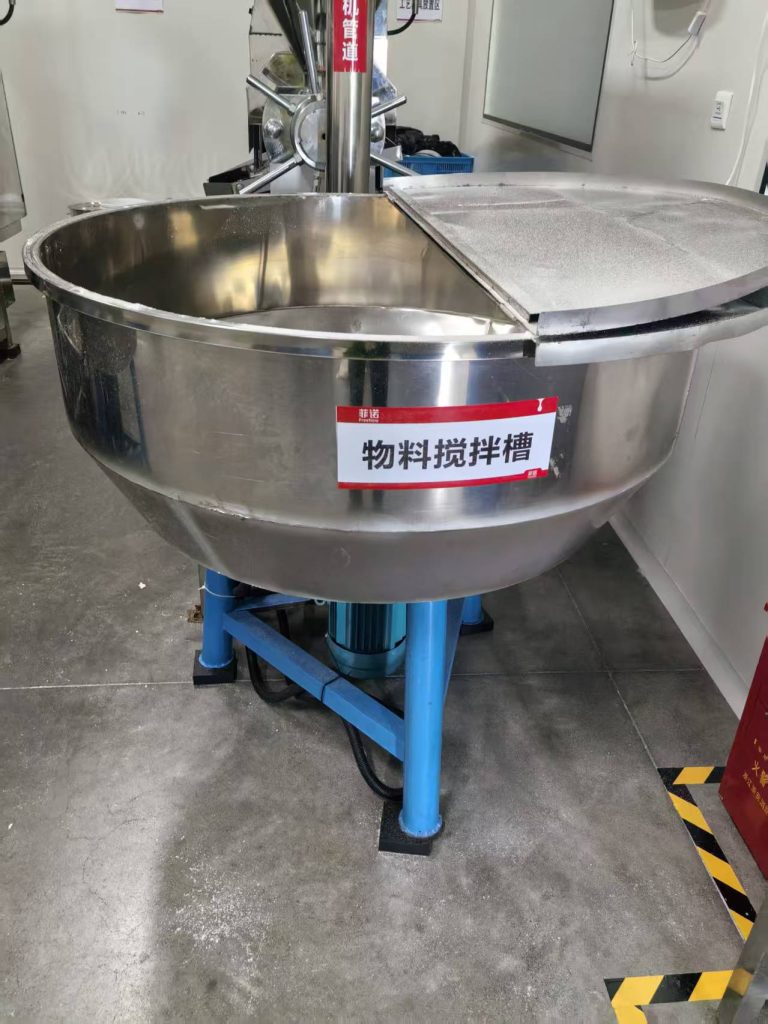
Coconut mixer
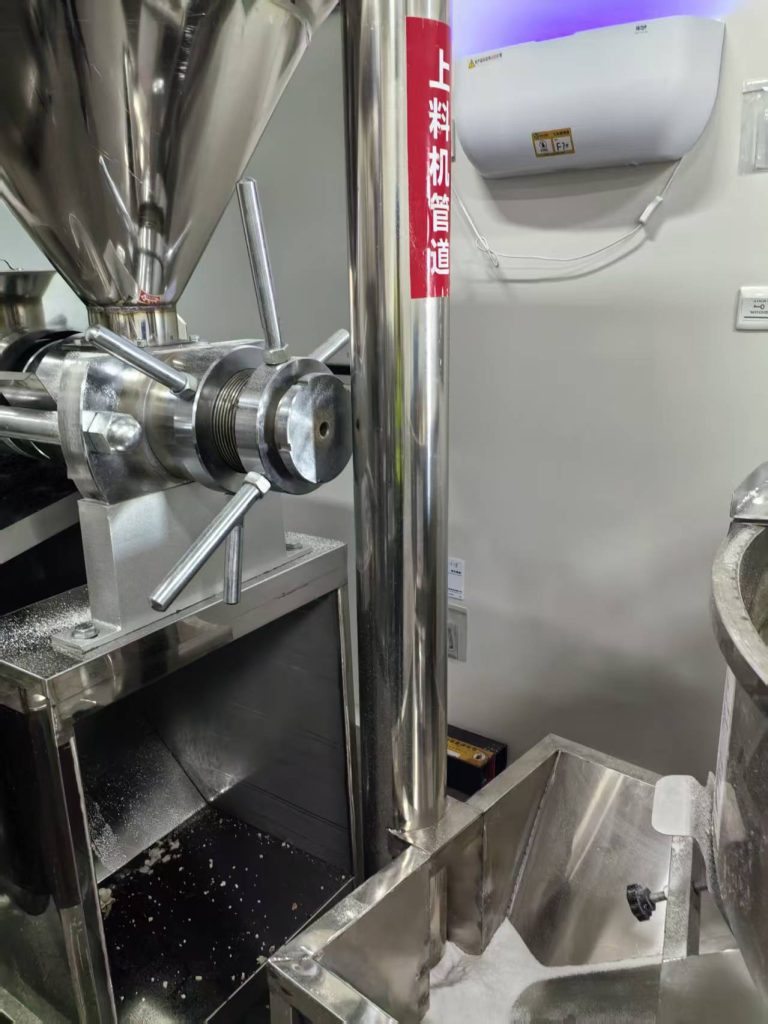
Stainless-steel elevator
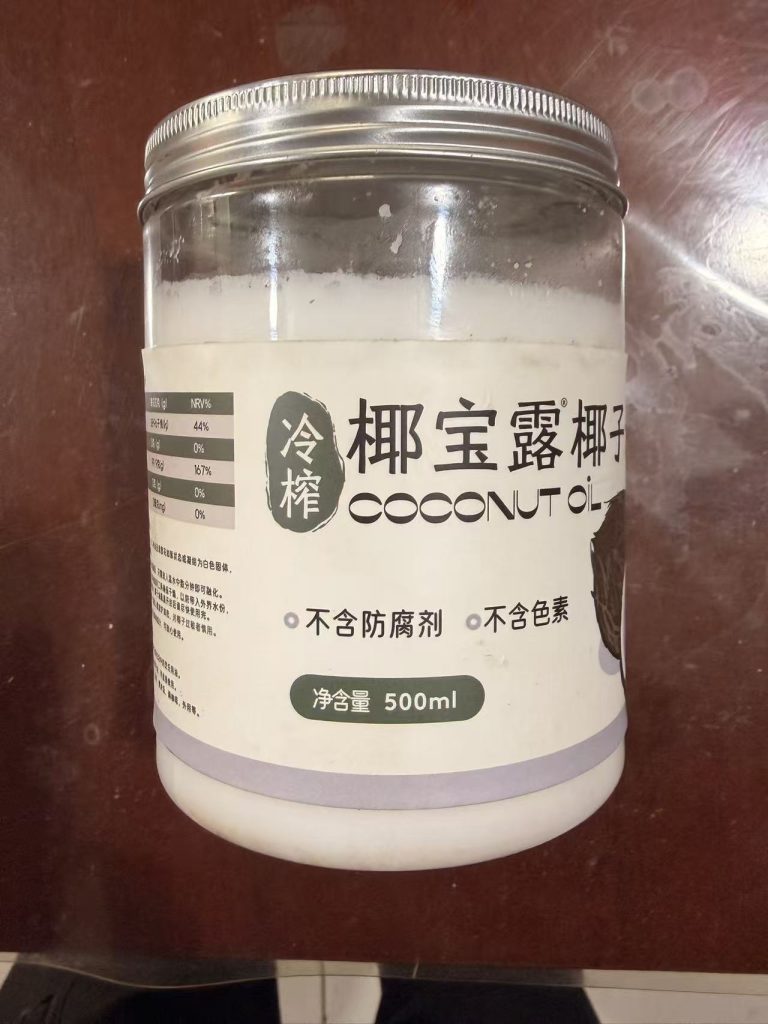
Packaged coconut oil 1
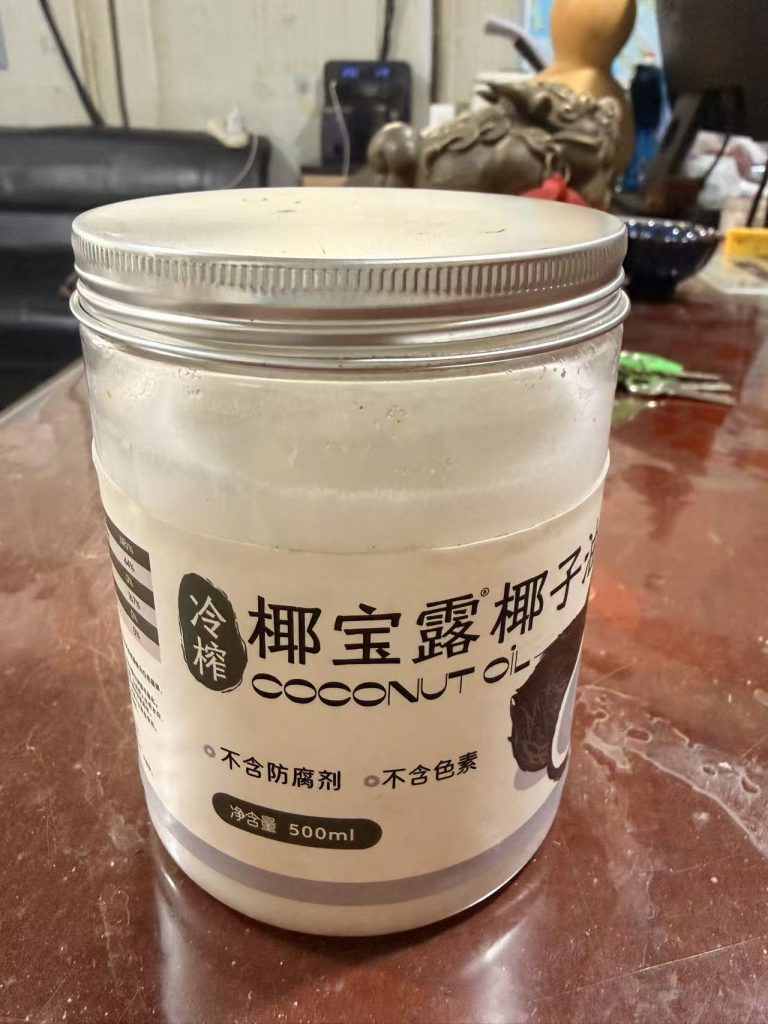
Packaged coconut oil 2
Modules 1-7
Raw coconut, water collection, and meat preparation
Values below are reproduced from the current page as a reference scope. Confirm quantities, material grades, dimensions, motor basis, and actual duty in the technical quotation.
| No. | Equipment | Published reference | Role and confirmation point |
|---|---|---|---|
| 1 | Dehusking machine | 1 unit; 3 kW | Remove the outer fiber. Confirm feed method, guarding, discharge, and operator requirement. |
| 2 | S500 conveyor | 10 m; 3 kW | Transfer coconuts between stages. Confirm width, height, supports, cleaning, and final route. |
| 3 | Peeling tables | 20 units; 600 x 600 mm | Manual hard-shell removal stations. Confirm staffing, tools, waste collection, and ergonomic layout. |
| 4 | Coconut water filter | Plate-and-frame filter press | Remove shell residue, fiber, and suspended solids. Confirm filter area, media, pump, cleaning, and beverage-process requirements. |
| 5 | Coconut water storage tank | 1 unit; source states 1.65 x 3 m | Hold filtered water before the next step. Confirm whether the figures are diameter and height, plus volume and material grade. |
| 6 | Coconut meat washer | 10 tons/day; 5 kW | Remove shell fragments and impurities. Confirm hours per day, water demand, drainage, and discharge cleanliness. |
| 7 | Coconut meat crusher | 1 unit; 3 kW | Reduce washed meat before hydraulic milk pressing. Confirm particle size, feed rate, and cleanability. |
Modules 8-15
Coconut milk, drying, and screw oil extraction
This section changes wet crushed meat into milk and then prepares the remaining coconut material for the oil branch. The published values need a shared mass-balance and operating-hour basis.
| No. | Equipment | Published reference | Role and confirmation point |
|---|---|---|---|
| 8 | Hydraulic coconut milk press | Model 325CG-A; 4 units; 2.2 kW each; 80% extraction reference | Batch milk extraction. Confirm how the percentage is calculated, material condition, batch load, cycle, and cleaning. |
| 9 | Single-head coconut milk filler | 1 unit; 0.35 kW | Fill the selected milk container. Confirm filling range, accuracy basis, sanitation, closure, and line speed. |
| 10 | Desiccated coconut dryer | 30 kW; source lists 5 tons/day and 350 kg wet material/hour | Dry material after milk pressing. Reconcile both capacity references with inlet and outlet moisture and operating hours. |
| 11 | Coconut mixer | 2 units; 1.2 mm stainless steel; 3 kW | Prepare dried material before oil pressing. Confirm capacity, grade, thickness scope, and whether power is per unit. |
| 12 | Stainless-steel elevator | 2 units; 1.5 kW | Lift prepared material to the screw presses. Confirm lift height, capacity, contact material, and per-unit power. |
| 13 | Screw oil press | Model 128; 2 units; 18.5 kW; 160 kg/hour per machine; 40% oil-yield reference | Extract oil from dried coconut. Confirm feed moisture, preparation, yield basis, cake target, and actual duty. |
| 14 | Pipeline and oil-pump system | 100 m; includes coconut-water collection system | Transfer liquids between sections. Confirm route, pipe sizes, pumps, hygienic connections, drainability, and scope boundaries. |
| 15 | Exhaust hood and ventilation | 2 fans; 2 kW | Remove heat and air from drying and pressing areas. Confirm airflow, duct route, make-up air, and whether power is total or per fan. |
Modules 16-23
Oil separation, optional refining, and final packaging
The downstream section must accept oil from both listed screw presses without overloading separation, storage, refining, or packaging. Several source labels require clarification before a contract specification is issued.
| No. | Equipment | Published reference | Role and confirmation point |
|---|---|---|---|
| 16 | Decanter centrifuge | 90 mm diameter; 100 kg/hour; 6 kW | Separate solids, fine residue, and moisture. Confirm the stated diameter, feed basis, separation target, and cleanout method. |
| 17 | Crude-oil transfer tank | 1 unit; source specification “90#” | Buffer oil before refining. Confirm volume, dimensions, material, heating, agitation, and what “90#” denotes. |
| 18 | Oil refining equipment | Model S600; 500 kg/24 h; 30 kW | Published stages are degumming, deacidification, decolorization, and deodorization. Confirm crude-oil data and required stages. |
| 19 | Finished-oil tank | 1 unit; source specification “165 x 3” | Store refined oil before packaging. Confirm units, dimensions, working volume, material, and transfer method. |
| 20 | Double-head oil filler | Manual; 0.35 kW | Confirm container range, dosing method, accuracy basis, operator count, and oil temperature. |
| 21 | Capping machine | Manual; 0.75 kW | Confirm cap type, bottle compatibility, torque control, and operator sequence. |
| 22 | Labeling machine | Automatic; 0.75 kW | Confirm bottle shape, label type, application position, and connection to the filling flow. |
| 23 | Coding machine | Automatic; 0.35 kW | Confirm code content, print technology, consumables, and packaging-line integration. |
Published capacity summary
These module figures do not yet describe one balanced continuous output
The current page lists capacities from different sections and operating bases. Use them to identify bottlenecks and questions, then request a mass-balance and shift calculation for the selected products.
| Section | Published reference | Line-balance question |
|---|---|---|
| Coconut meat washing | 10 tons/day | What operating hours, water use, and prepared-meat output support this figure? |
| Coconut milk pressing | 80% extraction-rate reference | Is this mass yield, liquid recovery, or another basis, and for what prepared material? |
| Desiccated coconut dryer | 5 tons/day and 350 kg wet material/hour | What inlet moisture, outlet moisture, and hours reconcile the two values? |
| Two Model 128 screw presses | 160 kg/hour per machine | Can the dryer and elevators supply both presses continuously at the specified feed condition? |
| Decanter centrifuge | 100 kg/hour | How will this section receive the combined oil flow and what does the feed-rate unit represent? |
| S600 refining | 500 kg per 24 hours | How much crude oil is buffered, and how often will the batch refining section operate? |
| Total installed power | Approximately 130-150 kW depending on configuration and load | Request the final motor list, simultaneous-load estimate, and utility schedule for the selected scope. |
Request a product-by-product mass balance
The factory may sell water, milk, desiccated coconut, crude oil, refined oil, or several products together. The equipment count and storage plan should show where coconut mass, water, solids, oil, and waste move during one operating day.
Buyer configuration checklist
Information needed before the complete line can be engineered
- Fresh coconut size, maturity, husk condition, and daily seasonal supply
- Required products: water, milk, desiccated coconut, crude oil, refined oil, or bottled products
- Operating hours, shifts, cleaning windows, and staffing assumptions
- Incoming and finished-product quality requirements and local regulations
- Water, steam or heat, compressed air, cooling, power, drainage, and wastewater provisions
- Required contact-material grades and hygienic connection standard
- Container sizes, closures, labels, coding, and packaging automation level
- Building dimensions, floor loading, access, ventilation, and destination country
Separate fixed scope from optional scope
State whether refining and each packaging module are required in the first phase. Also identify buyer-supplied tanks, utilities, pipework, installation work, laboratory equipment, and wastewater treatment so the quotation boundary is clear.
The current page links to a password-protected coconut oil process specification and states that access is provided with an order.
Related equipment and planning
Continue the coconut factory specification
Turn the coconut product plan into a balanced factory scope
Send the coconut supply, required products, daily input, operating schedule, target packaging, site drawing, utilities, destination, and which modules must be included in the first phase.