Soybean oil line planning
Choose the process route before setting the machine count
Cold and hot pressing are both available for soybean oil. The hot route adds crushing, heating, and steaming before hydraulic pressing; the cold route moves from crushing to a dedicated cold-press machine. Both routes need matched filtration and a clear plan for oil, cake, storage, and filling.
Route selection
Two practical soybean processing routes
Match preparation, press selection, and downstream handling to the finished-oil target and the operating rhythm of the complete line.
Conditioned soybean
Hot-press line
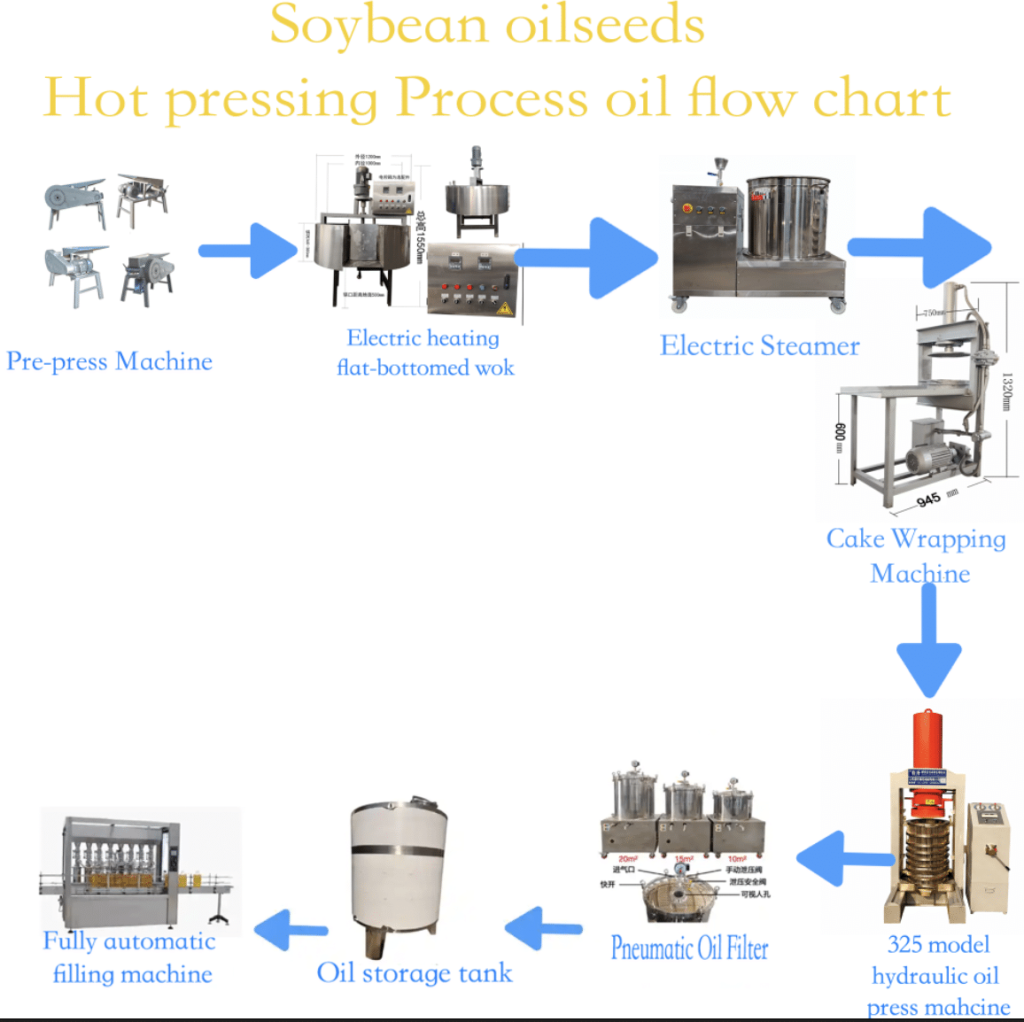
The existing hot-press route is built around preparation and thermal conditioning before the soybean enters the hydraulic press.
- Crush the soybean with a pre-press machine.
- Condition the crushed material with an electric heating flat-bottomed wok and electric steamer.
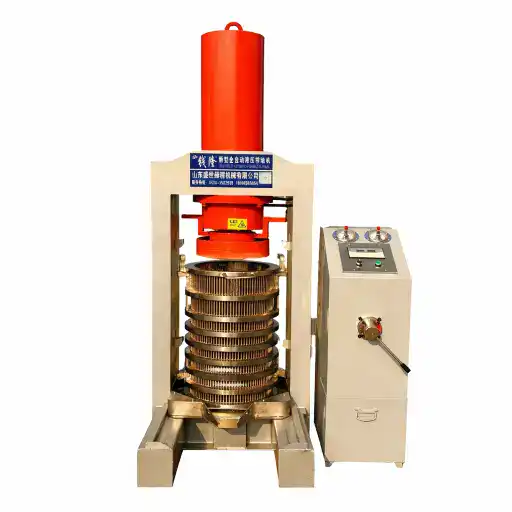
- Load material between partitions and press with the 325 hot-press hydraulic oil press.
- Filter the collected oil and direct the discharged cake to its planned next use.
Lower-heat route
Cold-press line
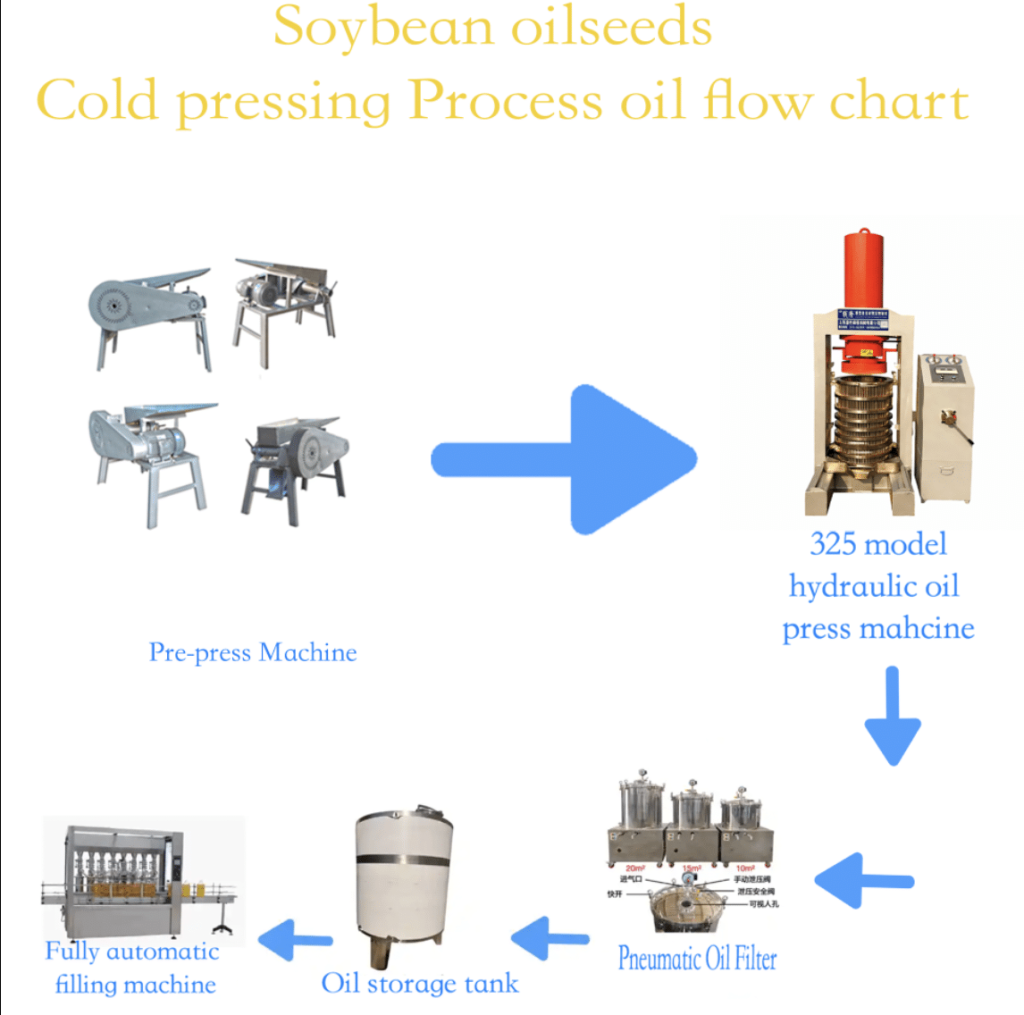
The cold route removes the heating and steaming stage, but crushing, batch handling, filtration, and cake management still need to be coordinated.
- Crush or pre-press the soybean into a workable feed.
- Select a machine from the cold-press hydraulic range for the planned batch arrangement.
- Include loading, pressing, unloading, and filtration time when matching the number of machines.
- Store filtered oil in clean, food-grade containers and add filling equipment when the project requires packaged oil.
Working sequence
Plan the complete flow, not only the press
Hot pressing uses every stage below. Cold pressing follows the same material-control logic while omitting the heating and steaming stage.
Line modules
Key equipment from soybean preparation to clear oil
Machine count should be balanced across preparation, conditioning, pressing, and filtration instead of being calculated from a standalone press.
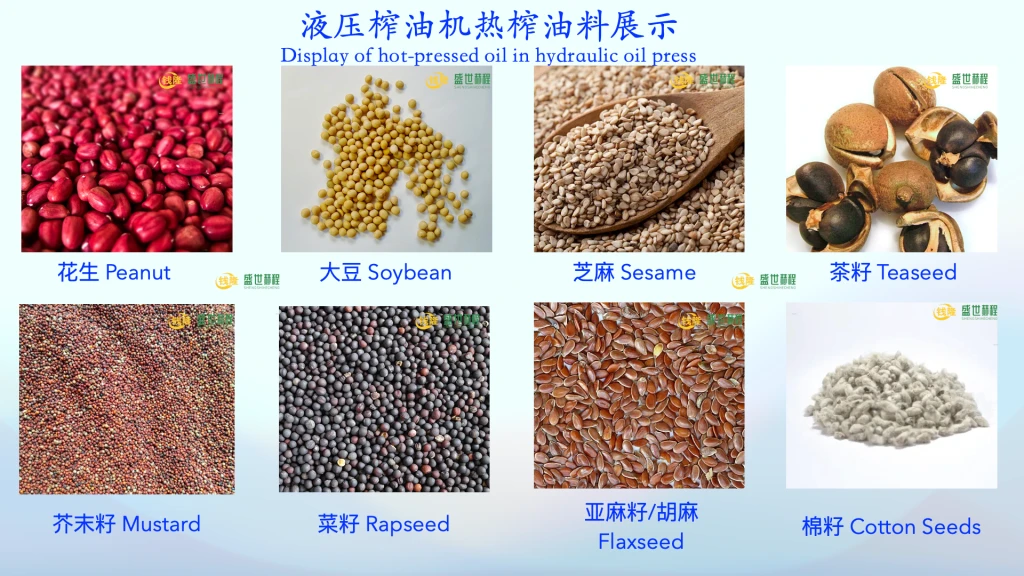
Soybean preparation
Confirm the incoming soybean condition, then crush or pre-press it into a consistent feed for the selected route.
Pre-press machine →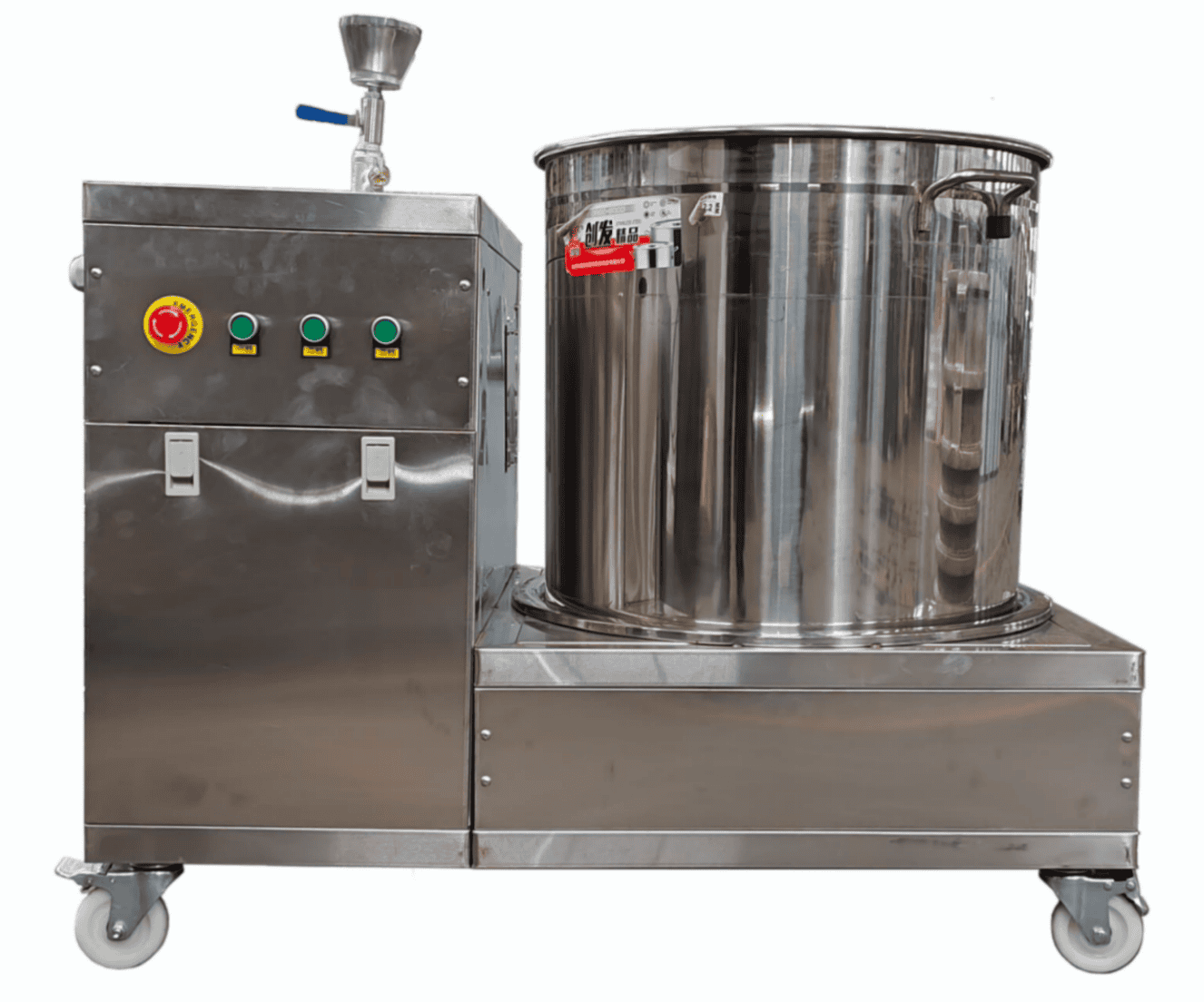
Heating and steaming
The hot route conditions crushed soybean with electric heating equipment and a steamer before press loading.
Electric steamer →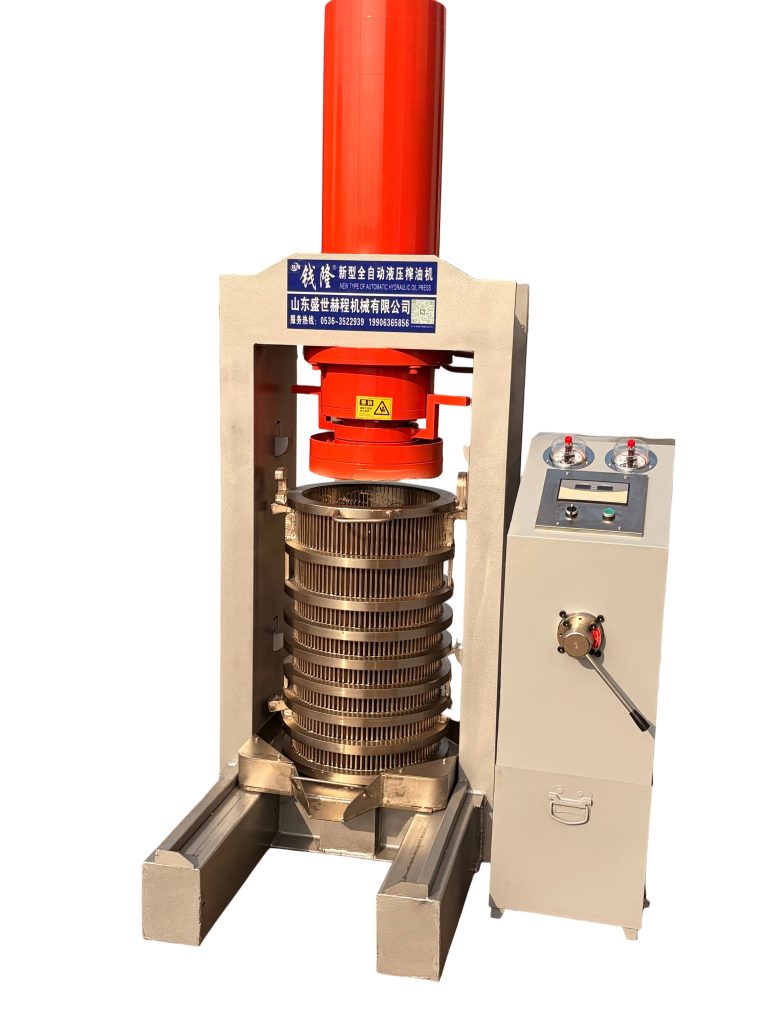
Hydraulic pressing
The current hot route uses the 325 press. Cold-press projects use the dedicated cold-press range and should be sized around the full batch cycle.
Hot-press machines →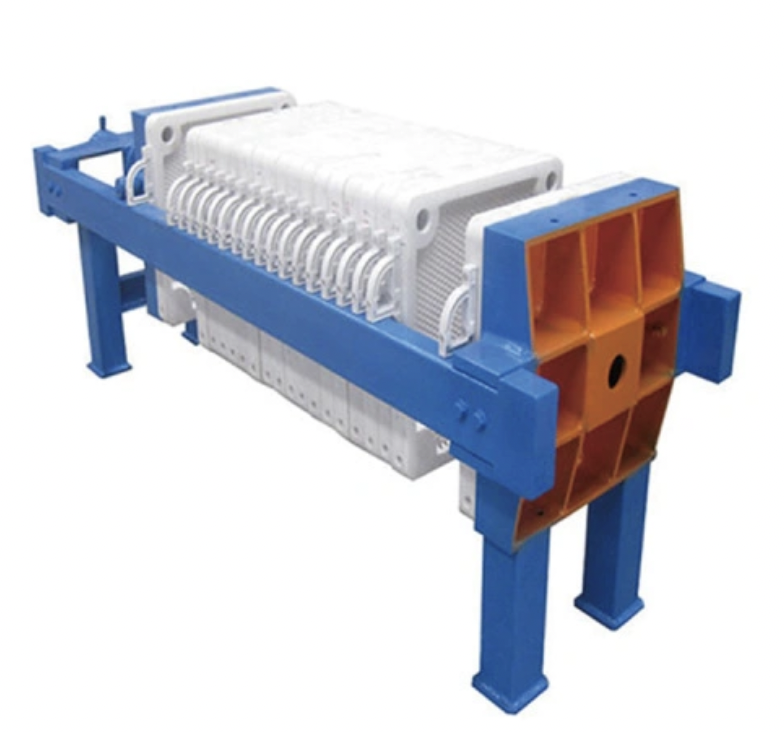
Oil filtration
Collect pressed soybean oil in the filtration section before clean storage, further refining, or bottle filling.
Pneumatic oil filter →Buyer configuration checklist
Details needed to match the soybean line
- Incoming soybean condition, cleanliness, moisture, and storage method
- Cold pressing or hot pressing preference and finished-oil target
- Target output, operating hours, and expected batch rhythm
- Available workshop dimensions and material-transfer route
- Local power supply and utilities available for heating and steaming
- Filtered oil only, or additional storage, refining, filling, and packaging
- Pressed-cake plan: direct use, pulverizing, or further processing
Limited workshop space
The site also lists a feeding, crushing, and roasting integrated machine. It combines lift-feeding, crushing, and roasting in one preparation unit for layouts where floor space and material transfer need tighter control.
Confirm that the integrated preparation output, press loading rhythm, filtration section, and operator access can work together before fixing the layout.
Oil and cake handling
Define both outputs after pressing
Filtered soybean oil can move to clean storage, further refining when required, or a filling section. Pressed cake can be collected for direct use or processed with a cake pulverizer before another planned use.
Oil side
- Collect oil from the press without mixing it with discharged solids.
- Clarify it with the pneumatic filter.
- Move filtered oil to clean storage.
- Add suitable filling equipment according to the container and production plan.
Cake side
- Remove and collect cake after each pressing cycle.
- Keep cake handling clear of the oil collection area.
- Use an oil cake pulverizer when the next step requires smaller material.
- Set the final cake route before equipment placement.
Related equipment and guidance
Continue the soybean line specification
Restored original media
Soybean process diagrams and pressing video
The earlier soybean page included process diagrams. A soybean-specific pressing reference is used instead of the unrelated peanut links found in the old content.
Soybean hydraulic oil pressing reference
Use this video as a soybean process reference; confirm the final preparation route and machine model separately.
Restored photographs
Restored machine detail
Original photograph restored from the earlier page.
Overview of Soybean oil cold pressing process using Hydraulic Oil Press in an hour(Based on the material crushed)
Original photograph restored from the earlier page.
Soybean planning guides
Check the extraction route and equipment list
Use the buyer guide for overall route selection and the equipment guide for the required processing sections.
Turn the soybean process choice into a workable line layout
Send the soybean condition, hot or cold route, output target, operating schedule, workshop dimensions, power supply, finished-oil requirement, filling plan, and destination.