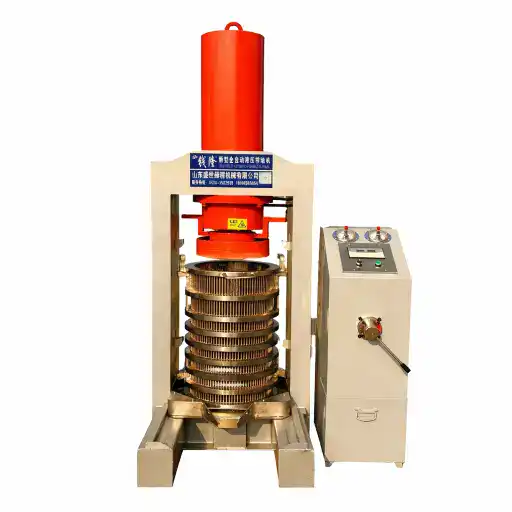
Cocoa bean flavor development
Roast and cool cocoa beans to an approved profile before cracking
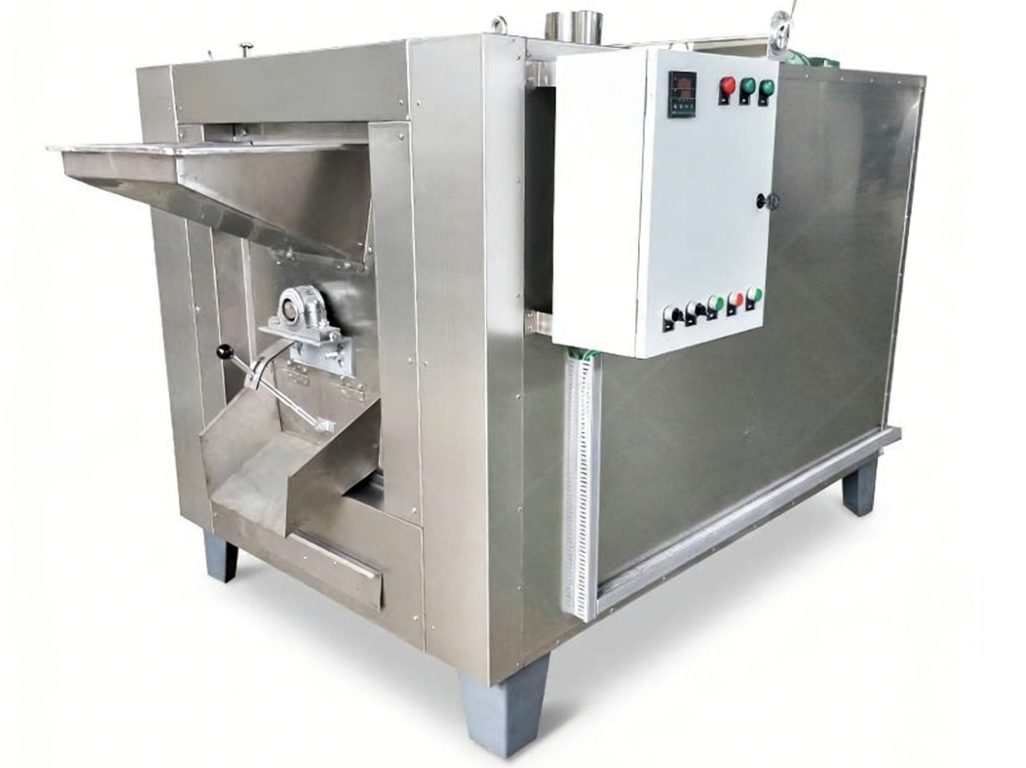
The rotating-drum roaster provides electric or gas-heated configurations for granular materials. Cocoa temperature, time, airflow, load, and cooling must be developed from the actual bean and product target; the machine temperature range is not a universal cocoa recipe.
Core roasting stage
Move the beans continuously through a controlled heat environment
The drum rotates to mix the load while the selected heat source raises bean temperature. The source describes hot-air circulation and infrared heat transfer, but does not publish airflow, burner arrangement, exhaust volume, cooling capacity, or a cocoa acceptance protocol.
- Input: cleaned and graded cocoa beans with known moisture
- Output: beans roasted to the approved flavor and process condition
- Immediate need: controlled discharge and cooling before winnowing
- Acceptance: recorded bean, air, time, load, color, moisture, and sensory data
Capability versus process recipe
Do not treat 300°C machine capability as the cocoa setpoint
The page lists a control range from room temperature to 300°C and separately describes 120–160°C as a typical cocoa roasting range. Neither statement defines bean-core temperature, roast duration, load, airflow, endpoint, cooling, or food-safety validation.
Profile development
Start with the bean and finished flavor
- Origin, variety, fermentation, moisture, bean size, and defect level
- Batch load, preheat condition, exhaust, and drum speed where adjustable
- Approved flavor, color, moisture, shell behavior, and microbial controls
- Rapid cooling method and maximum hold time before cracking
Machine controls
Record the process, not only the display temperature
- Sensor location, calibration, controller logic, and over-temperature protection
- Heating power or fuel rate, exhaust route, and room ventilation
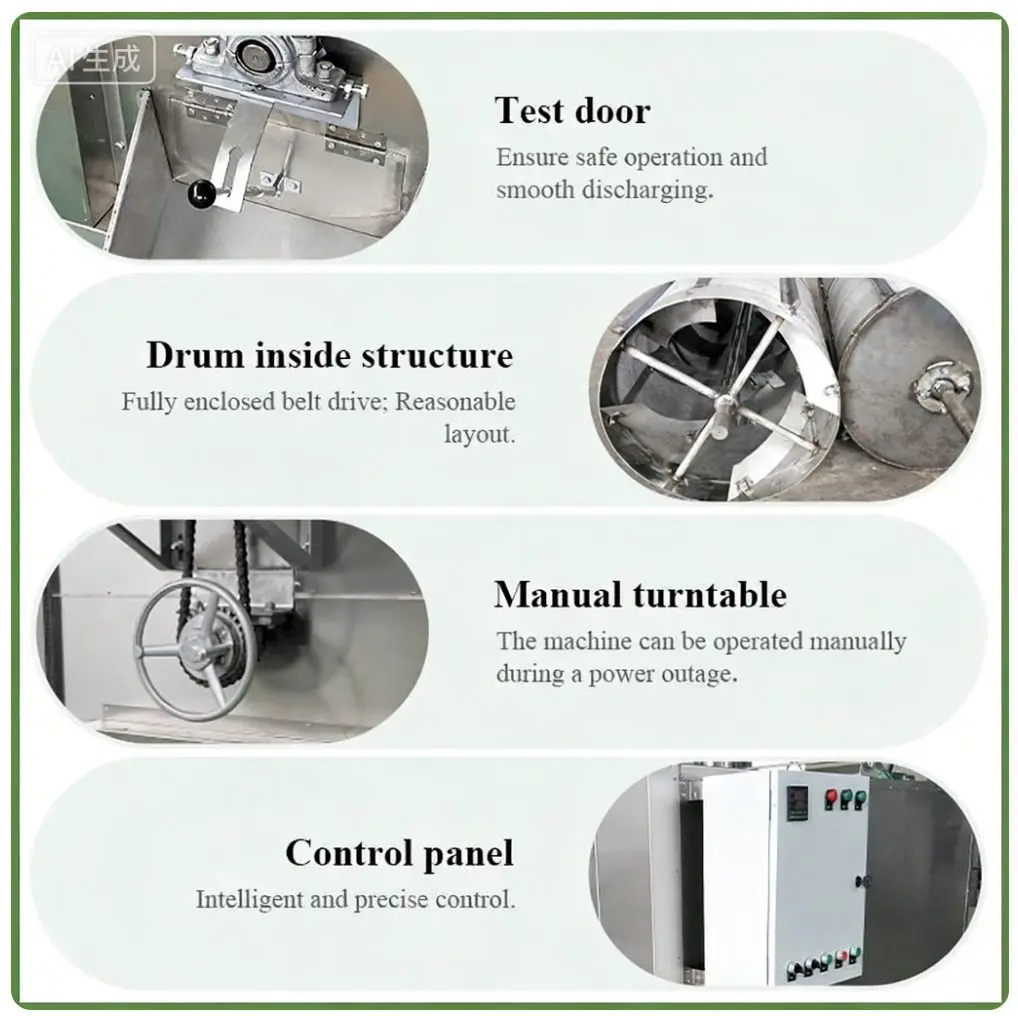
- Drum drive, discharge, guarding, sampling, and emergency stop
- Cleaning access and allergen changeover for other nuts or seeds
Reference operating flow
Connect receiving, roasting, cooling, and winnowing
Electric heating references
Source-listed ESS configurations
Capacity figures lack bean and roast-profile test conditions. The separate power and motor-power columns appear to distinguish heating load from drum drive, but this must be confirmed on the final electrical schedule.
| Model | Voltage | Heating power | Motor power | Source capacity | Size | Weight |
|---|---|---|---|---|---|---|
| ESS-1 | 380 V | 22.5 kW | 1.1 kW | 100 kg/h | 2900 × 1450 × 1650 mm | 700 kg |
| ESS-2 | 380 V | 36–44 kW | 2.2 kW | 200 kg/h | 2900 × 2100 × 1650 mm | 1300 kg |
Gas heating references
Source-listed GSS configurations
The page does not identify LPG, natural gas, calorific value, inlet pressure, burner rating, combustion controls, flue requirements, or whether the listed consumption is measured at full load.
| Model | Source gas consumption | Motor power | Source capacity | Size | Weight |
|---|---|---|---|---|---|
| GSS-1 | 2–3 kg/h | 1.1 kW | 100 kg/h | 2900 × 1250 × 1750 mm | 700 kg |
| GSS-2 | 4–5 kg/h | 2.2 kW | 200 kg/h | 2900 × 2100 × 1700 mm | 1300 kg |
Installation review
Confirm discharge, cooling, exhaust, and operator access
- Heat source, connected load, fuel train, shutoff, and destination compliance
- Exhaust temperature, duct diameter, fan need, emissions, and room ventilation
- Discharge height, hot-product handling, cooling tray or cooler, and burn protection
- Drum cleaning, access doors, inspection points, fire controls, and lockout
- Machine footprint plus service, lifting, and material-flow clearance
Connected cocoa stages
Release roasted beans into the correct downstream route
Restored original media
Cocoa roaster construction photographs
Six original machine-detail images restored from the earlier cocoa roasting page.
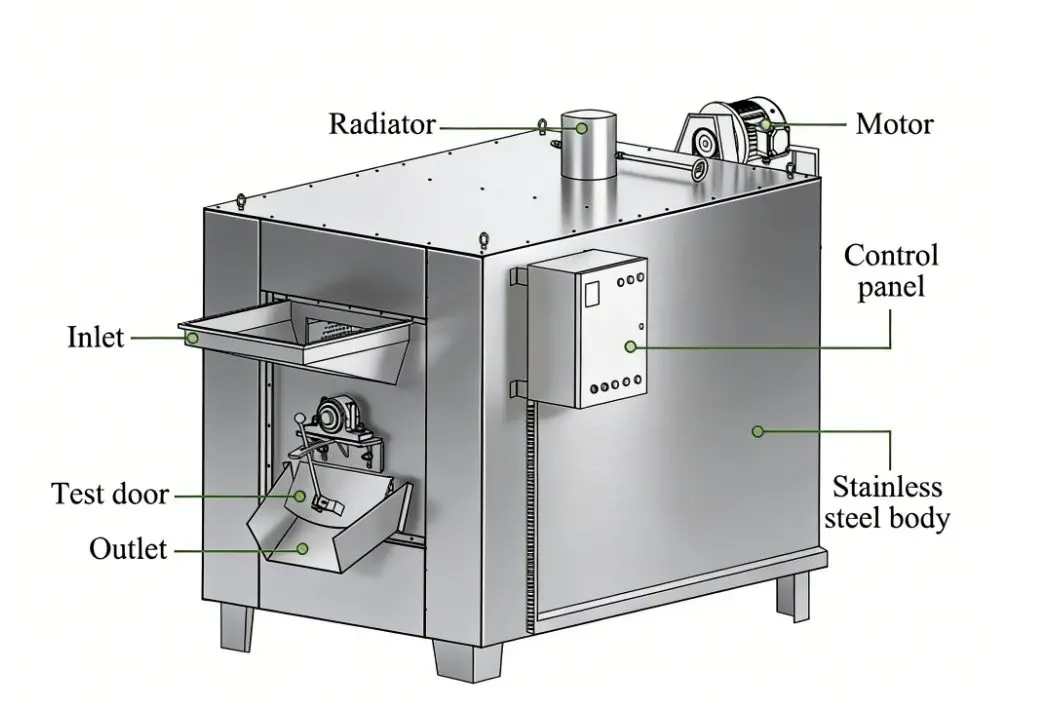
Introduction
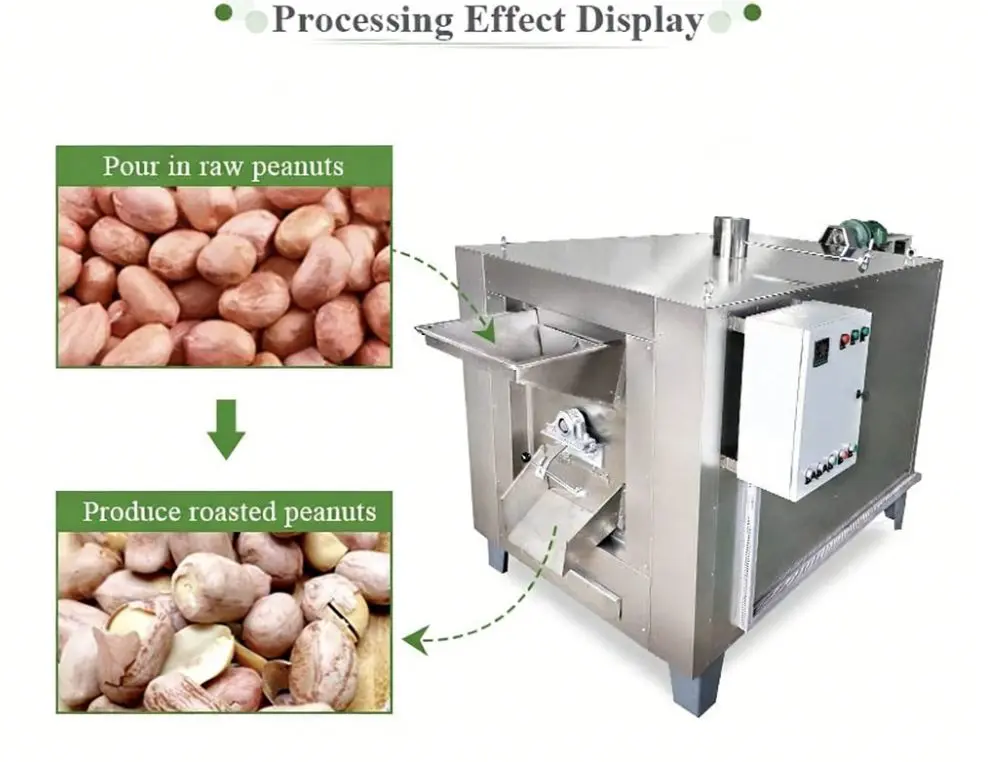
Working Principle
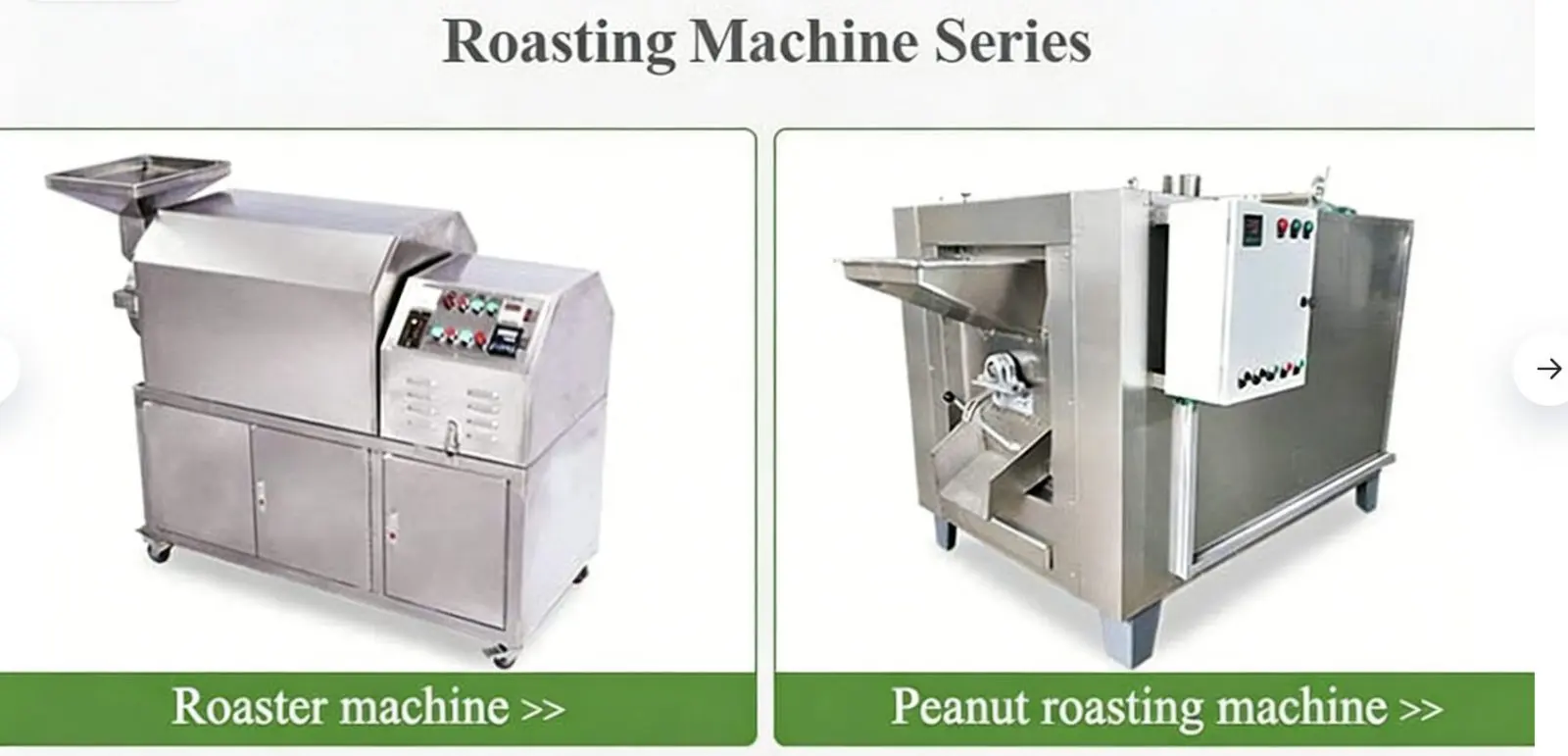
Key Features
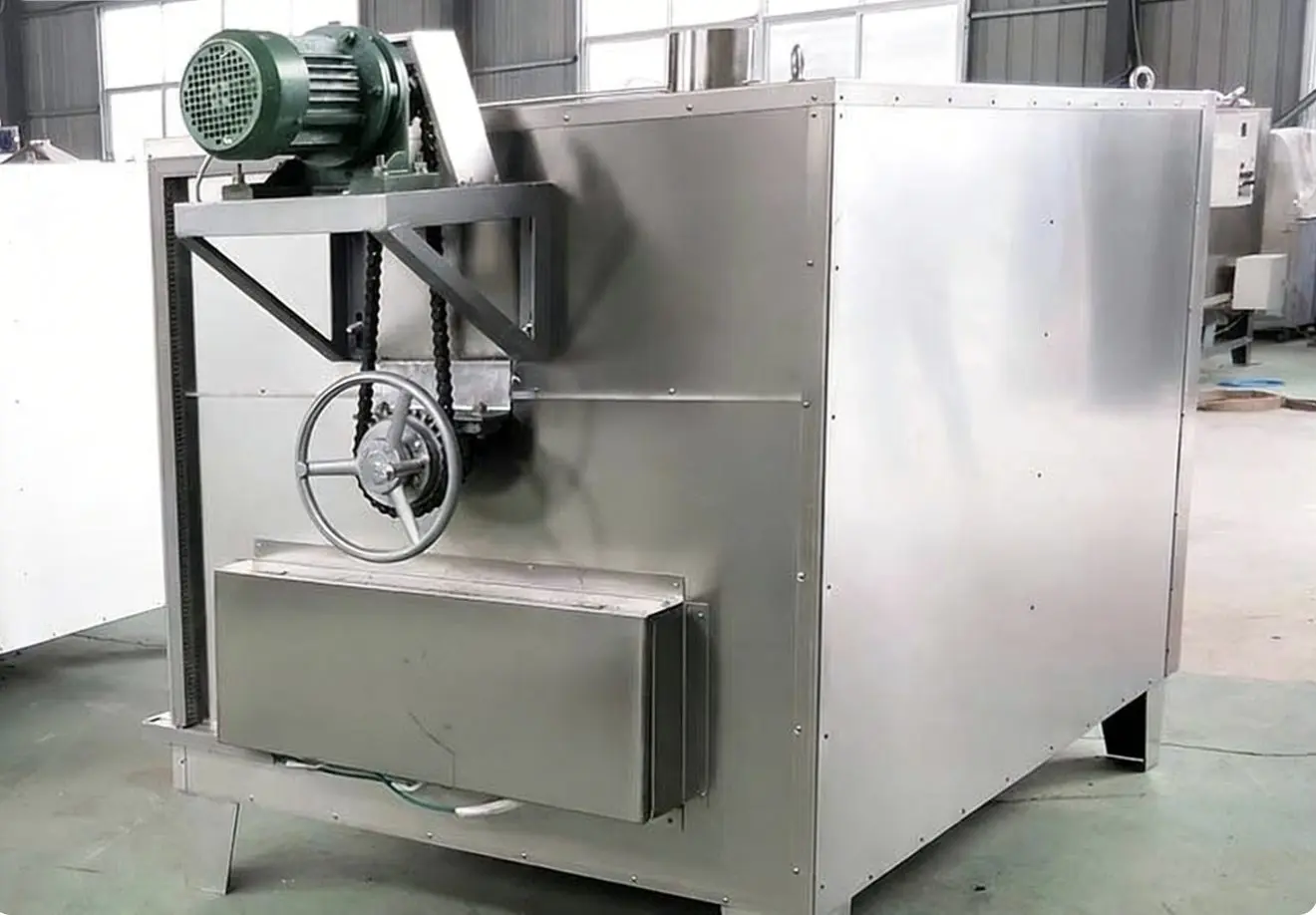
Dual Heating Options
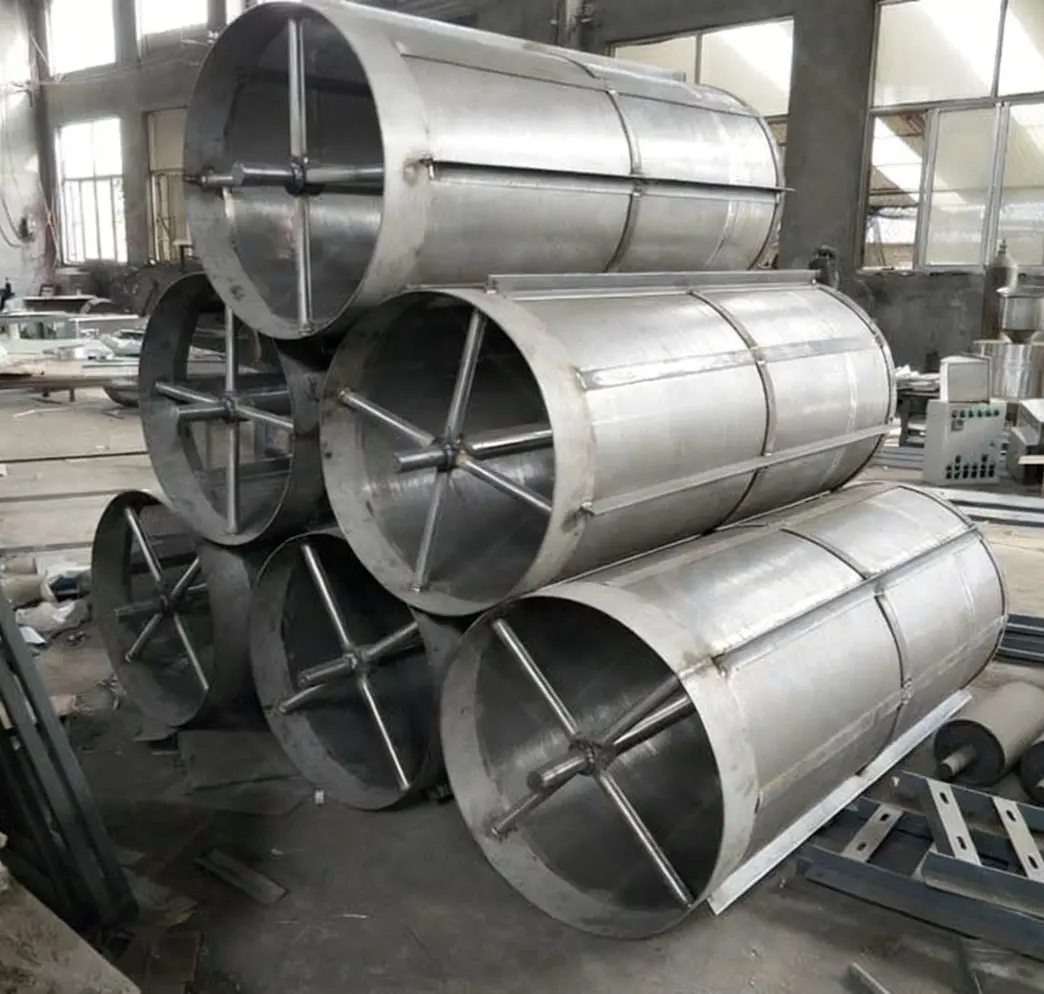
Rotating Drum Design
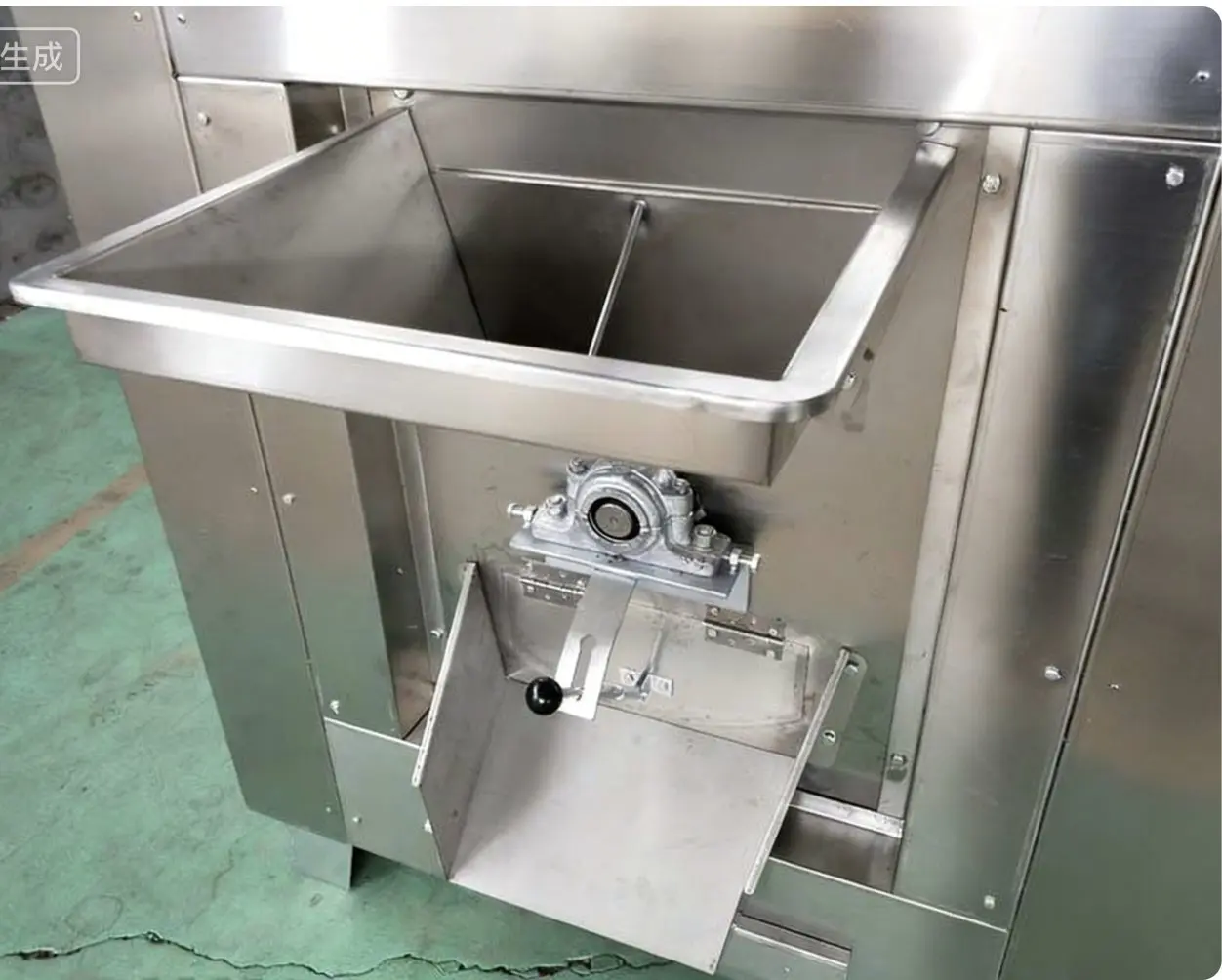
Food-Grade Stainless Steel
Build the roaster specification around your cocoa profile
Send bean origin, moisture, batch size, target roast and cooling result, operating hours, heat source, exhaust conditions, utilities, workshop layout, and destination.