Cocoa press-cake pre-crushing
Reduce cooled cocoa cake to a controlled feed size before powder milling
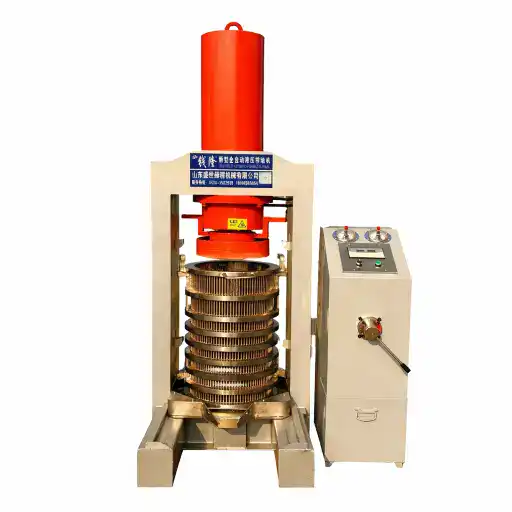
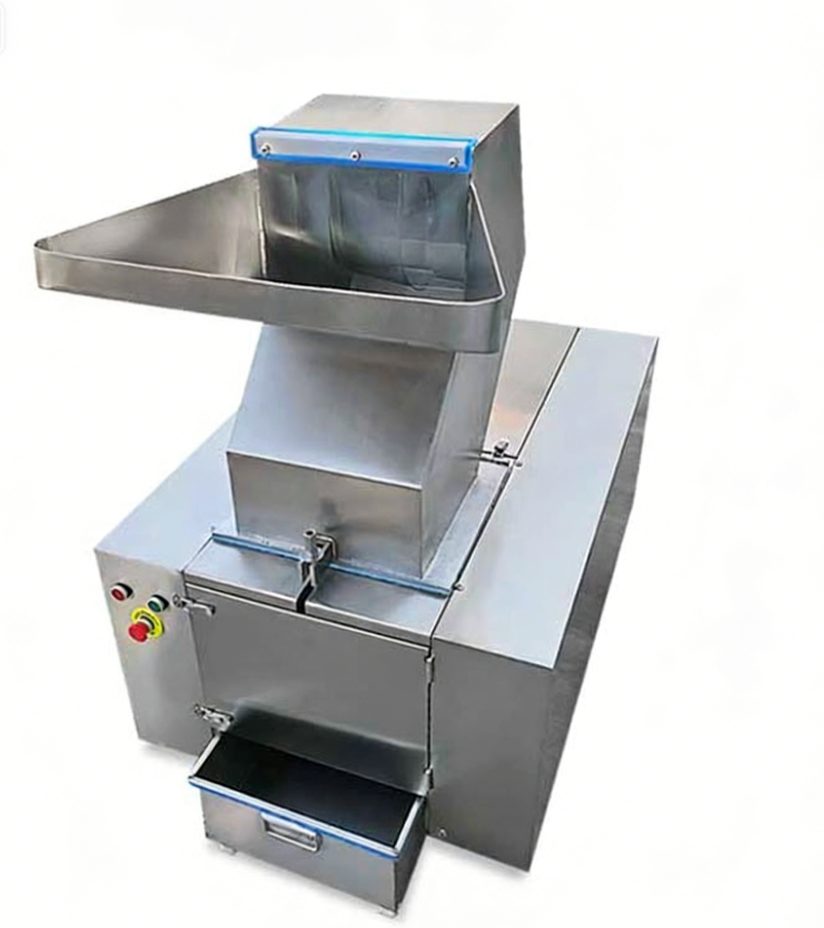
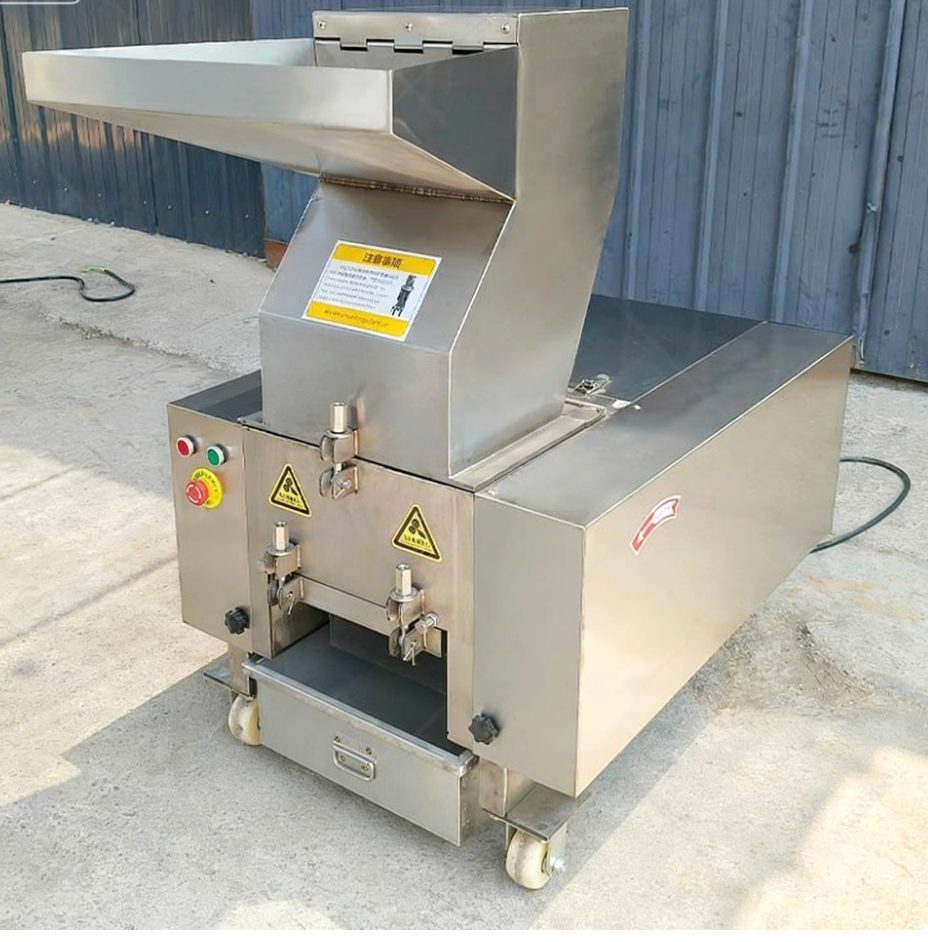
The hosted machine and its source table describe a screened coarse crusher. On this cocoa route it is positioned after hydraulic butter pressing and before the fine cocoa powder mill. It is not the winnower used to crack roasted beans, and it does not produce cocoa liquor.
Process boundary
Break brittle press cake without pretending it is the fine mill
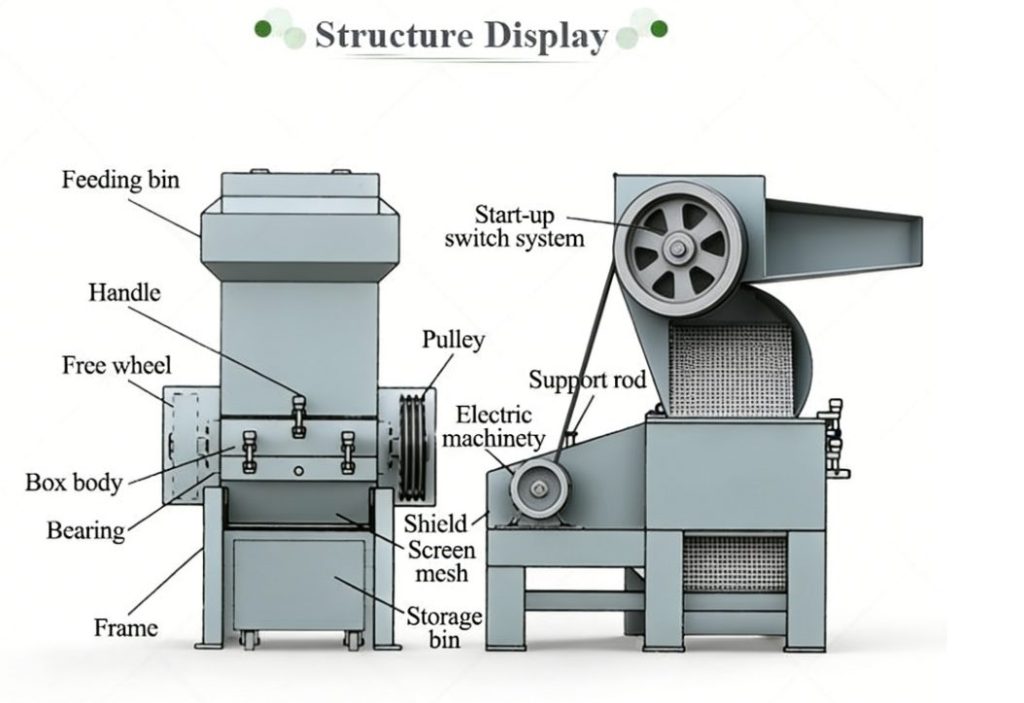
Large, cooled cake pieces enter the hopper and are reduced by the rotor and selected screen. The resulting granules should be sized for stable feeding into the downstream cocoa powder mill.
- Input: identified cocoa press cake at the approved temperature and condition
- Output: coarse cake granules, not final cocoa powder
- Key controls: feed-piece size, residual fat, moisture, temperature, screen, and feed rate
- Acceptance: safe feeding, target coarse size, low blockage, temperature, and dust behavior
Source-content correction
The original page mixes three different cocoa duties
Its text alternates between roasted-bean cracking, liquor grinding, and post-press cake crushing. The machine images and screen-based model table fit coarse dry size reduction; bean-shell separation belongs to the winnower, while cocoa liquor belongs to the colloid mill.
Correct upstream duty
Bean cracking and shell removal
Roasted beans are cracked and separated by classification and airflow before the nibs enter wet grinding.
Correct downstream duty
Cocoa cake coarse crushing
Press cake is cooled or conditioned, reduced to a manageable feed size, then passed to the dry powder mill and selected screen.
Reference operating flow
Condition the cake before feeding the screened crusher
Source-listed crusher range
Treat the model table as a generic crusher reference
The source does not state cocoa cake temperature, moisture, residual fat, feed-piece geometry, target granule size, screen used during the capacity test, duty cycle, or dust-collection condition. The labels “Feed Size” and “Material Size” are also ambiguous.
| Model | 180 | 300 | 400 | 500 | 600 | 800 | 1000 |
|---|---|---|---|---|---|---|---|
| Source “Feed Size” (mm) | 180 × 190 | 310 × 210 | 420 × 230 | 520 × 250 | 620 × 320 | 820 × 650 | 1100 × 800 |
| Source “Material Size” (mm) | 4–30 | 4–50 | 4–50 | 4–50 | 4–50 | 4–50 | 4–50 |
| Source capacity (kg/h) | 20–60 | 80–200 | 150–400 | 200–600 | 300–900 | 800–2500 | 1000–4000 |
| Power (kW) | 3 | 5.5 | 7.5 | 11 | 15 | 30 | 45 |
| Voltage (V) | 380 | 380 | 380 | 380 | 380 | 380 | 380 |
| Weight (kg) | 160 | 340 | 420 | 600 | 800 | 2000 | 3800 |
| Screen aperture (mm) | 5–50 | 5–80 | 5–80 | 5–100 | 5–100 | 5–100 | 5–100 |
Clarify whether “Feed Size” is the inlet opening
The listed values increase with model size and resemble hopper or feed-opening dimensions. Request a controlled drawing that defines every row, the installed screen, rotor type, rotation speed, overall dimensions, and the specific cocoa-cake test result.
Construction choices
Specify the complete product-contact path and dust enclosure
The source presents carbon-steel and stainless-steel variants but does not define which components change, stainless grade, surface finish, coating, rotor material, screen material, seals, bearings, or certificates.
- Identify hopper, chamber, rotor, blades, screen, discharge, and fastener materials
- Confirm whether painted carbon steel can contact the product
- Define guarding, interlocks, emergency stop, and safe screen access
- Provide dust pickup points, collection method, grounding, and cleaning procedure
- Check motor load and product temperature with the actual residual-fat level
Connected cocoa stages
Place coarse crushing between butter pressing and fine powder milling
Restored original media
Cocoa crusher materials and machine photographs
Original crusher and material images restored from the earlier page.
Cocoa Crushing Equipment for Chocolate Production
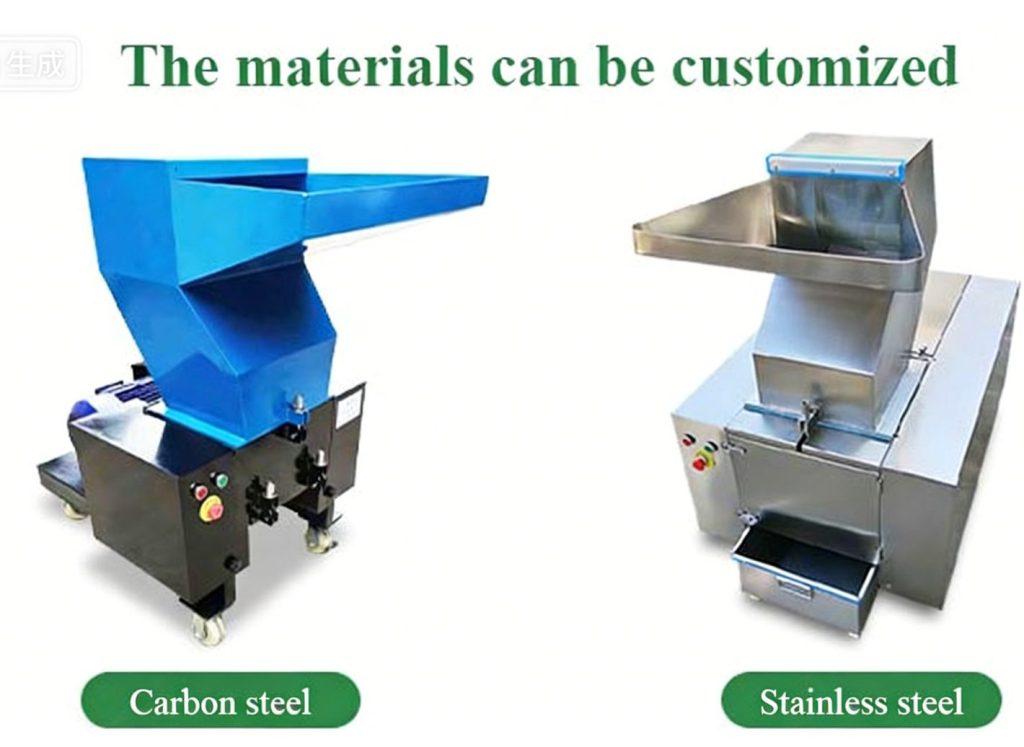
Cocoa Crusher Materials
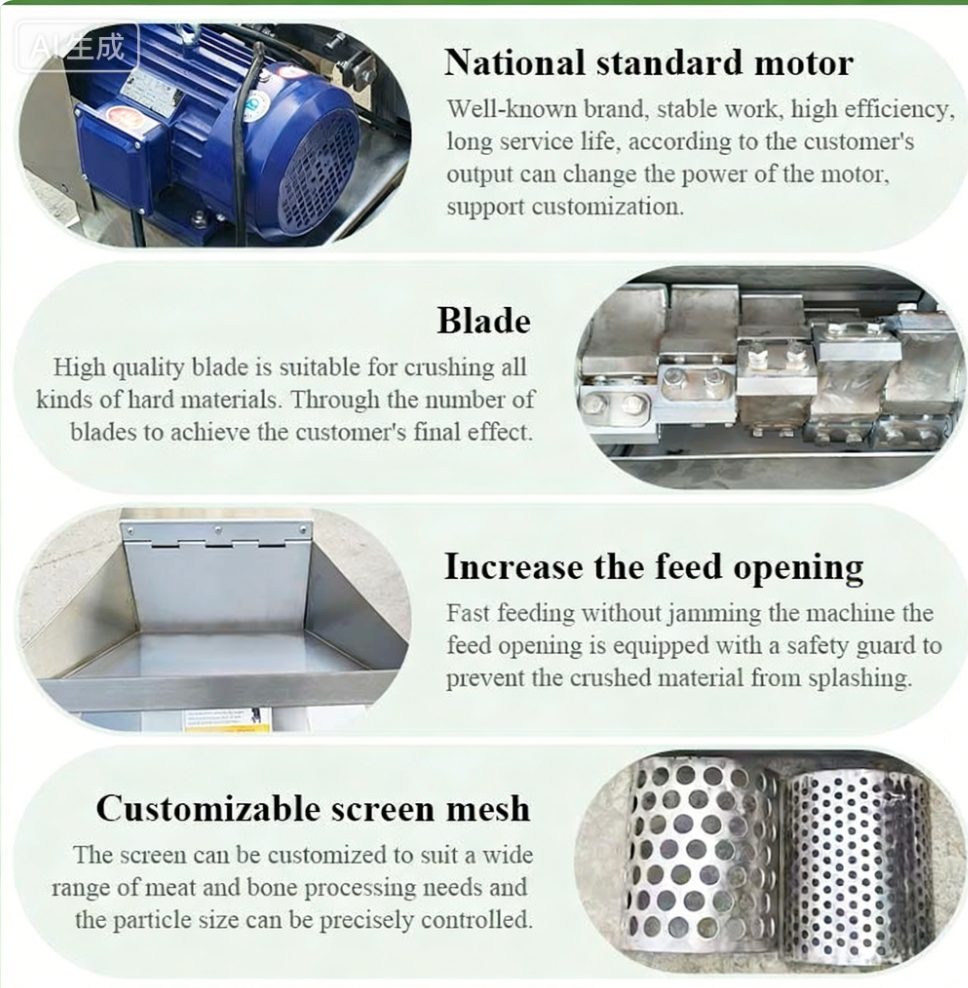
Cocoa Crushing Equipment for Chocolate Production
Test the crusher with the actual cocoa press cake
Send cake dimensions, temperature, moisture, residual fat, required coarse size, downstream mill, hourly demand, dust-control scope, utilities, layout, and destination.