Hydraulic oil press FAQ
Short answers, with the detailed source one click away
Use these answers to identify the next decision. Final model selection still depends on the material, preparation route, workload, finished-oil requirement, site, electrical supply, and exact configuration shown in the technical quotation.
Machine
Type, model, and pressure
Understand batch hydraulic pressing, compare machine families, and avoid reading MPa or tonnage as hourly output.
Read machine answers →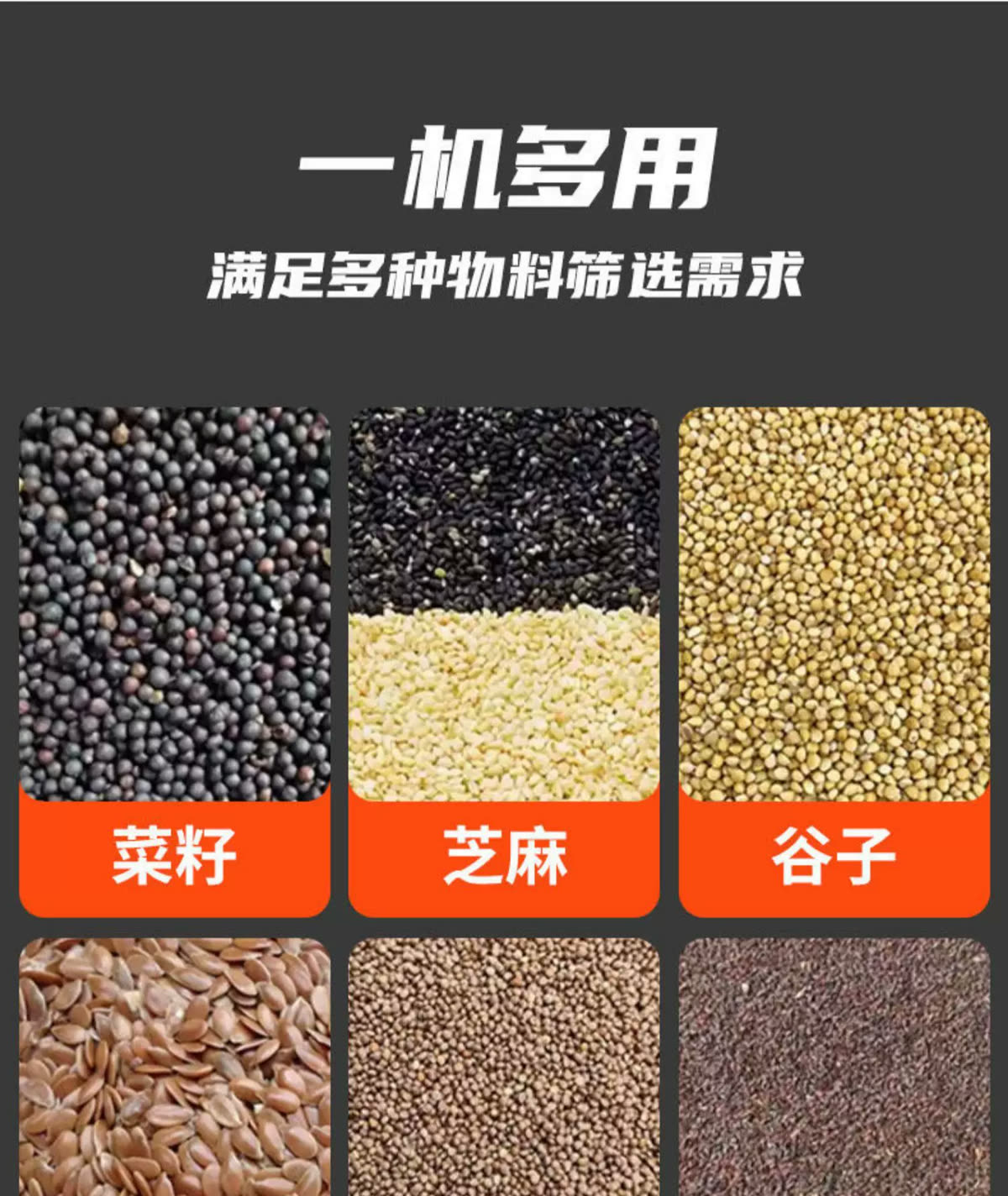
Process
Oilseed and production route
Choose preparation, hot or cold pressing, filtration, optional refining, and packaging around the actual feed material.
Read process answers →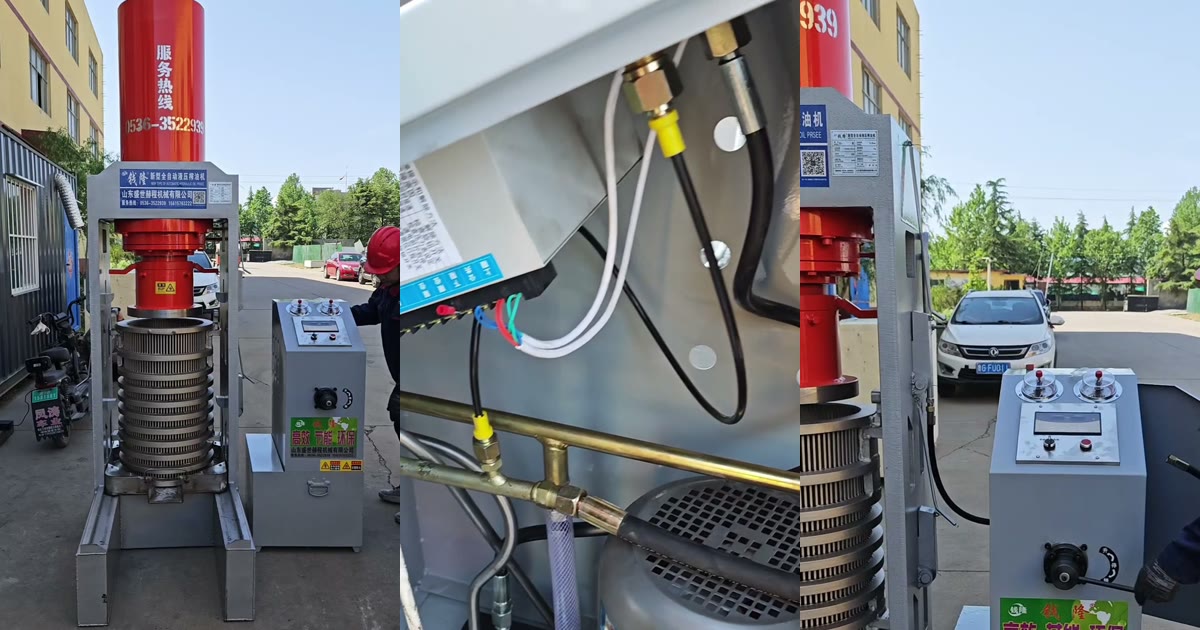
Project
Quotation, installation, and service
Prepare the inquiry, site, electrical details, support-equipment scope, maintenance questions, and project files.
Read project answers →Machine questions
Working principle, comparison, and model choice
What is a hydraulic oil press?
It is a batch press that uses a hydraulic cylinder to apply force to prepared material in a pressing chamber. Oil exits through the chamber’s drainage path and the compressed cake is removed after the cycle.
How is it different from a screw press?
A hydraulic press normally works in batches with static force. A screw press continuously conveys and compresses material. The better fit depends on oilseed preparation, required production pattern, product target, labor, and line design; neither type is automatically best for every project.
Does a higher MPa or tonnage number mean more output?
No. MPa describes pressure in the hydraulic system, while ton-force is calculated from pressure and piston area. Batch mass and hourly output also depend on chamber, material, preparation, loading, cycle time, unloading, and stoppage.
Do larger machines make better oil?
Machine size does not define oil quality by itself. Raw material, cleaning, storage, particle size, temperature, moisture, pressing procedure, filtration, oxidation control, and finished-product specification all matter.
Which model family should I start with?
Compact Korean-type and KHOP machines serve small batch and shop discussions; the 300 / 325 family is the site’s full-size hot-press route; the cold-press family covers larger press-force choices. Confirm the oilseed and work schedule before choosing.
Can one press process every oilseed?
No universal suitability should be assumed. Many seed and kernel materials can be evaluated for hydraulic pressing, but preparation changes by oilseed. Palm fruit, fresh coconut, avocado, sludge, and animal-fat residues use dedicated process discussions.
Process questions
Preparation, pressing route, and finished oil
What is the difference between hot pressing and cold pressing?
A hot-press route includes roasting, heating, steaming, or conditioning before pressing. A cold-press route avoids that roasting stage but can still require cleaning, shelling, crushing, moisture control, and temperature management. Choose from the material and product requirement.
What equipment is needed before the press?
The upstream section may include screening, destoning, washing, drying, shelling, crushing, steaming, roasting, or pre-pressing. The required combination depends on the material form and chosen route.
Does pressed oil always need refining?
No single answer applies. Some projects sell settled or filtered oil; others require refining to meet a defined finished-oil specification. Clarify the target product and local requirements before adding a refining section.
Can the site supply a complete line?
The published line scope covers combinations of preparation, pressing, filtration, optional refining, storage, filling, capping, labeling, and packing. The exact supplied boundary must be confirmed in the project quotation.
Project and ownership questions
Quotation, installation, maintenance, and records
What information is needed for a quotation?
Send the exact material and condition, target batch or daily workload, operating hours, process preference, finished-oil stage, existing equipment, local voltage and frequency, workshop details, destination, and required equipment scope.
Why is there no single public price for every project?
The commercial scope changes with model, chamber, electrical package, control configuration, support equipment, line automation, spare parts, documentation, packing, and destination. Confirm the technical scope before comparing quotations.
What should be prepared before installation?
Confirm access, floor and ceiling constraints, machine position, local electrical work, hydraulic-oil requirement, numbered connections, motor rotation, operator clearance, and the supplied manual and diagrams.
What maintenance does the press require?
Cleaning and inspection normally cover the chamber and oil paths, hydraulic fluid, filters, hoses, seals, gauges, valves, fasteners, electrical components, and moving or loaded areas. Intervals and fluid grades must come from the exact machine documentation.
How long will a hydraulic oil press last?
A fixed service life cannot be promised from the page alone. It depends on design, materials, duty cycle, pressure settings, installation, hydraulic-fluid condition, cleanliness, maintenance, environment, parts availability, and repair history.
How should I send photos, video, or drawings?
Use the contact form for the structured inquiry, then send larger project files through WhatsApp, WeChat, or email. Identify the name and country used in the form so the messages can be matched.
Before relying on a number
Ask for the measurement basis
- Which oilseed, variety, moisture, cleanliness, and particle size were used?
- Is the value rated, calculated, tested, or measured during normal production?
- Does cycle time include loading, unloading, cleaning, and downstream handling?
- Which model, chamber, pressure setting, and electrical configuration were tested?
- Are the units and drawing values internally consistent?
Use the delivered documentation
General website answers do not replace the manual, drawing, electrical diagram, hydraulic diagram, packing list, safety information, or technical quotation for the delivered machine.
Restored original media
Machine views used by the buyer FAQ
Original open-basket and control-side photographs restored below.
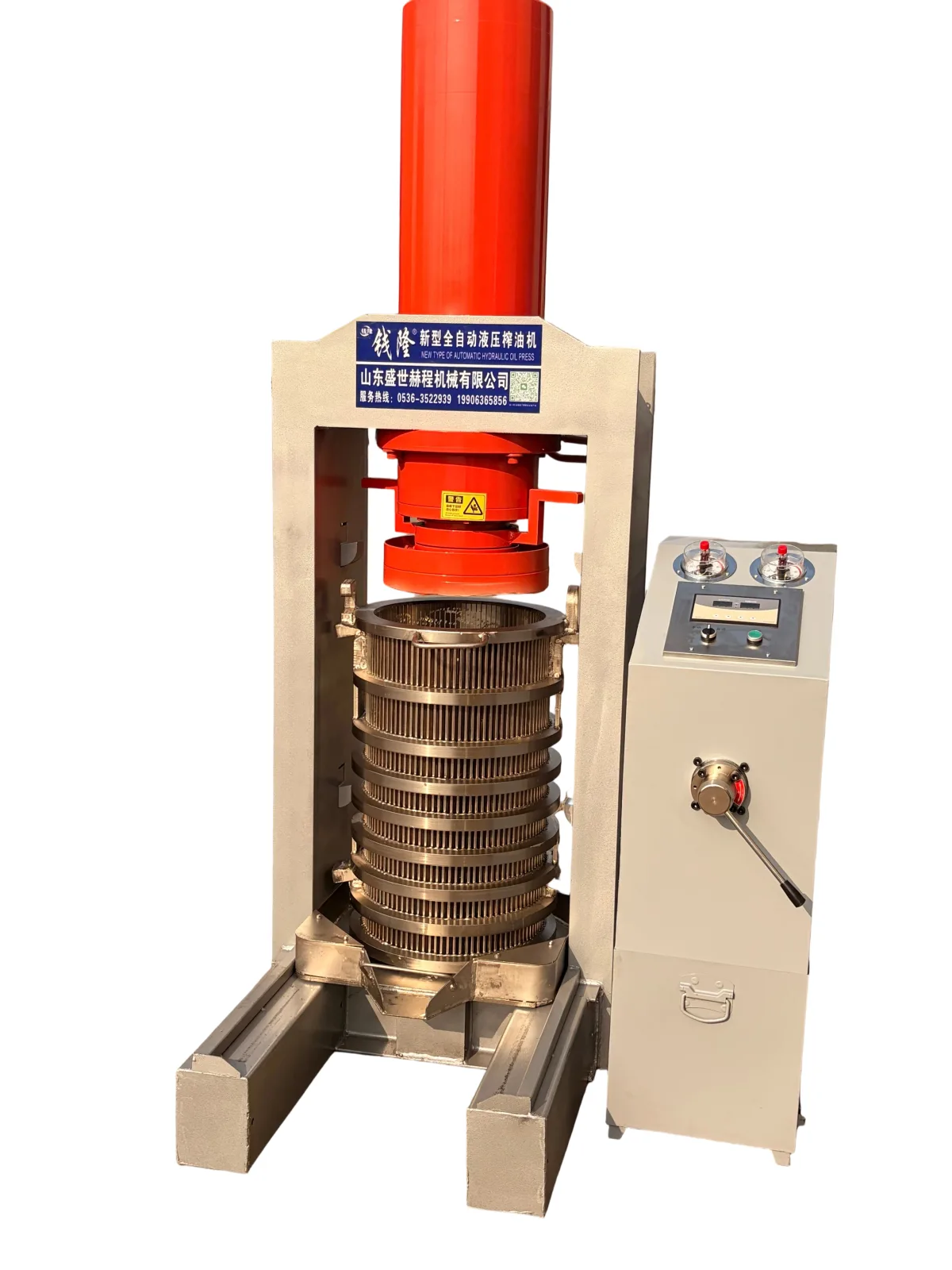
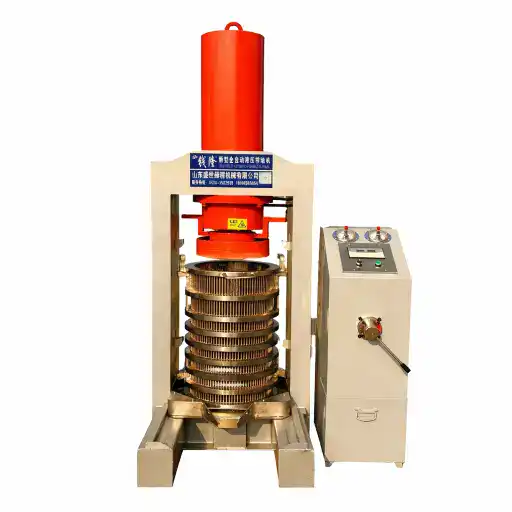
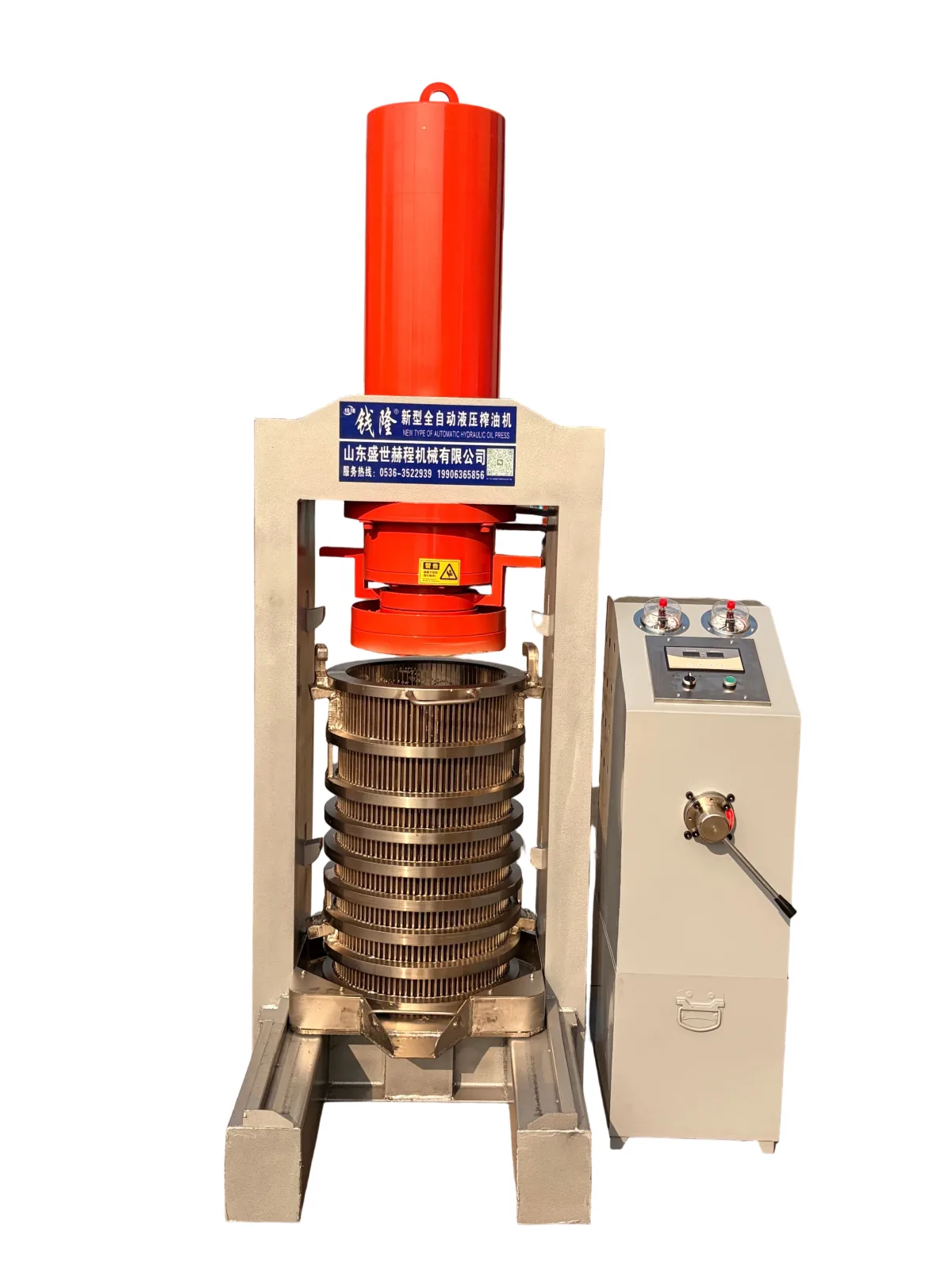
Open basket and pressing-head view for checking loading, cake removal and cleaning access.
Original photograph restored from the earlier page.
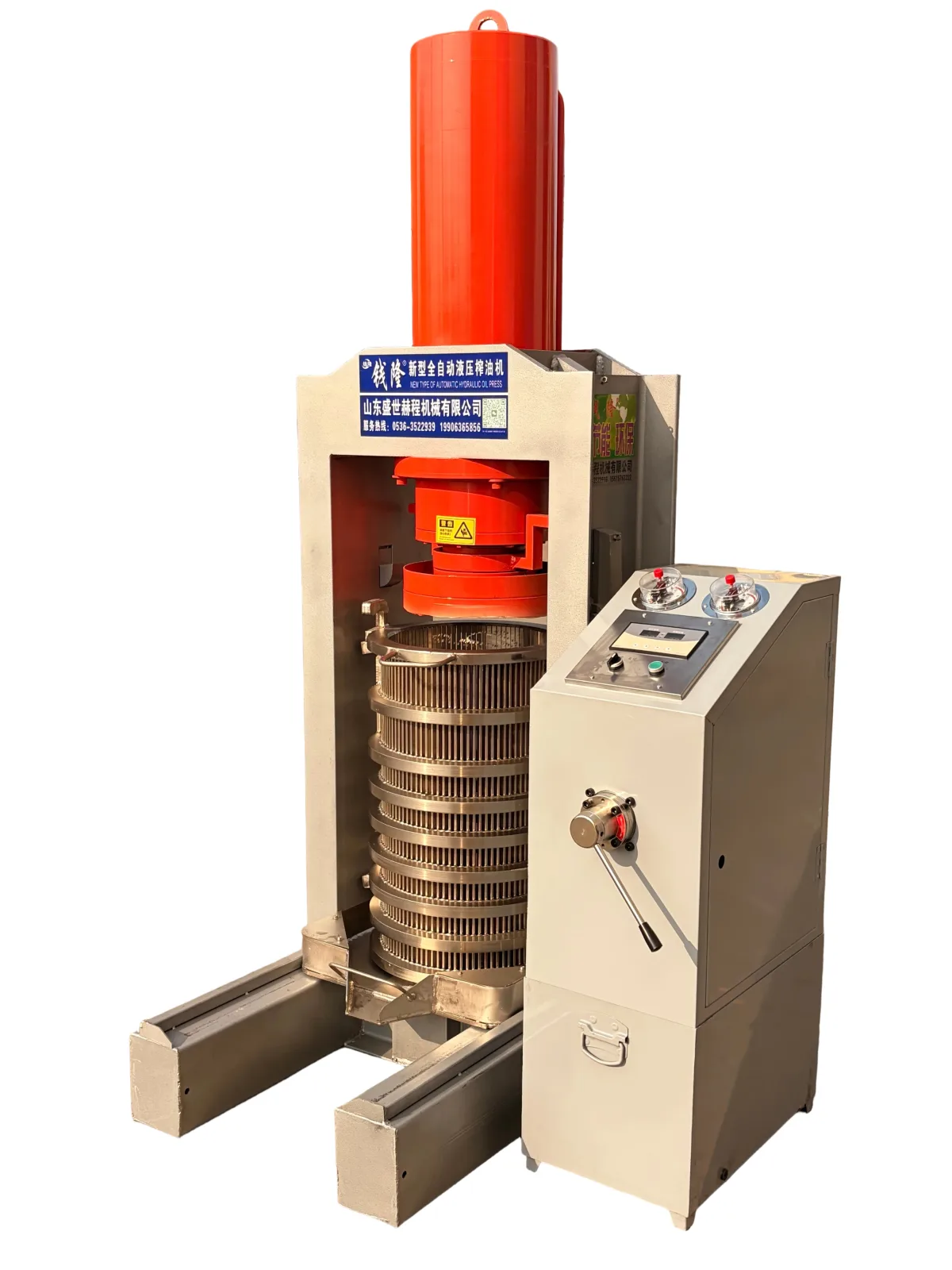
Control-cabinet side view for confirming gauges, controls and electrical configuration before ordering.
Original photograph restored from the earlier page.
Ask one project-specific question
Include the material, machine or line URL, exact specification or operating issue, current conditions, and the evidence available. A focused question produces a more useful technical reply.