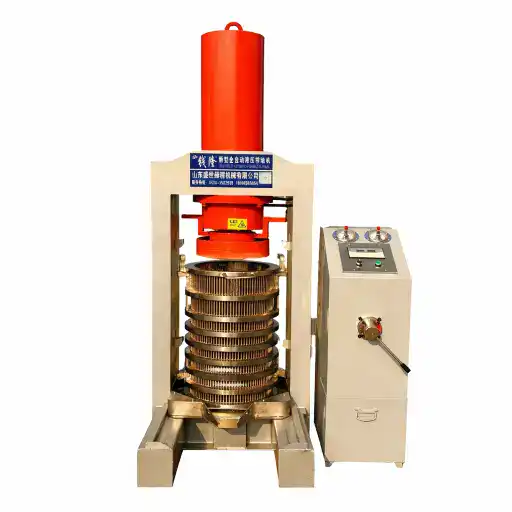
Sesame hot-press buyer guidance
Balance roasting and small-batch pressing around the sesame
The current sesame route uses roasted material and a Model 325 hydraulic press with a 300 mm barrel reference. The key planning issue is not press tonnage alone: seed preparation, roast condition, practical batch load, partitions, filtration, and operator timing must work as one sequence.
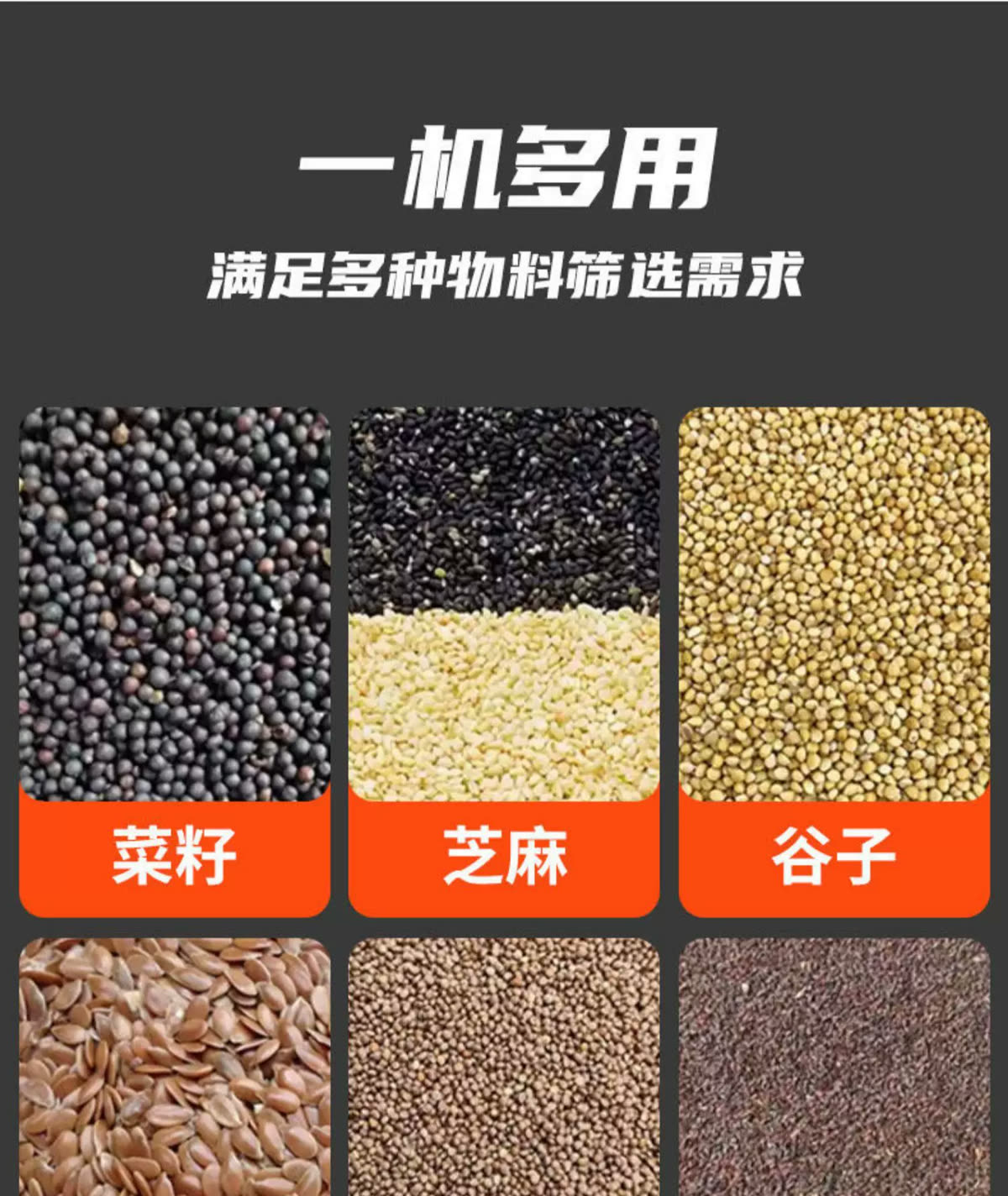
Working route
Prepare the seed before fixing the roasting and press schedule
The source guide recommends hot pressing for sesame. Cleaning requirements still depend on the incoming seed: use dry screening, washing, draining, and drying only where the raw material and selected process require them.
Source-page batch logic
The 30 kg sesame reference conflicts with the generic model table
The narrative and the specification table on the existing page do not agree. The safer approach is to treat 30 kg as the page’s sesame-specific worked reference and confirm the final safe load through a sample test and written technical scope.
| Published item | Existing page states | How to use it |
|---|---|---|
| Sesame barrel | 300 mm diameter barrel designed for sesame. | Confirm the final barrel drawing, height, partition arrangement, and product-contact finish. |
| Sesame batch | The narrative limits each sesame load to 30 kg and requires one barrel at a time. | Use only as an initial planning reference until seed and roast trials confirm the load. |
| Roasting reference | One automatic drum roaster or heated wok at a stated 100 kg per batch. | Confirm usable load, cycle, heat source, discharge temperature, and roast target. |
| Press count example | Three Model 325 presses are listed to receive successive 30 kg sesame batches. | Recalculate from actual roasting time, loading, pressing, unloading, and filtration. |
| Conflicting table entry | The generic technical table lists a 300 x 800 mm barrel but also states a 100 kg maximum feed. | Do not use 100 kg as a sesame load without written model-specific confirmation. |
Why the conflict matters
Sesame type, moisture, cleaning route, roast condition, compaction, and partition use can change practical loading and oil flow. The page does not publish the test conditions behind either figure.
Roast and press trial
Define the accepted oil and cake result before scale-up
- Sesame type: white, black, mixed, hulled, or unhulled
- Incoming moisture, impurities, stones, dust, and storage condition
- Dry screening only or washing followed by adequate drying
- Roasting equipment, batch load, time, and target condition
- Press barrel, number of partitions, feed weight, and actual cycle
- Collected oil before and after filtration on an agreed measurement basis
- Cake thickness, release, residual oil test method, and intended use
Do not transfer soybean data into the sesame project
The original page labels part of its generic parameter section as soybean data while discussing sesame. Use the dedicated hot-press product page for machine specifications and the sesame trial for process results.
Core equipment
Match cleaning, roasting, pressing, and filtration as one batch system
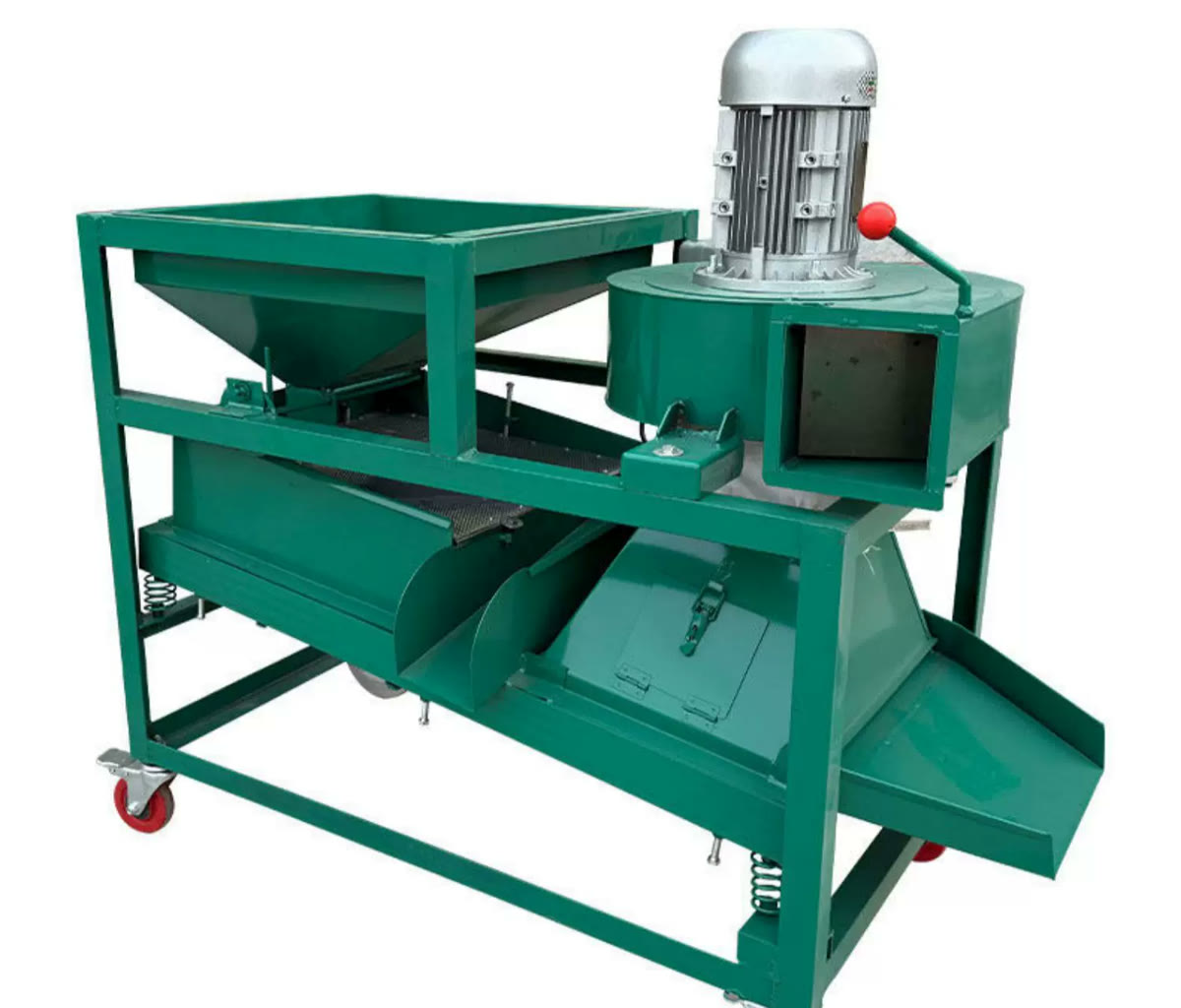
Sesame screening
Remove coarse debris, fines, and light dust before deciding whether washing and drying are also required.
Review the screening machine →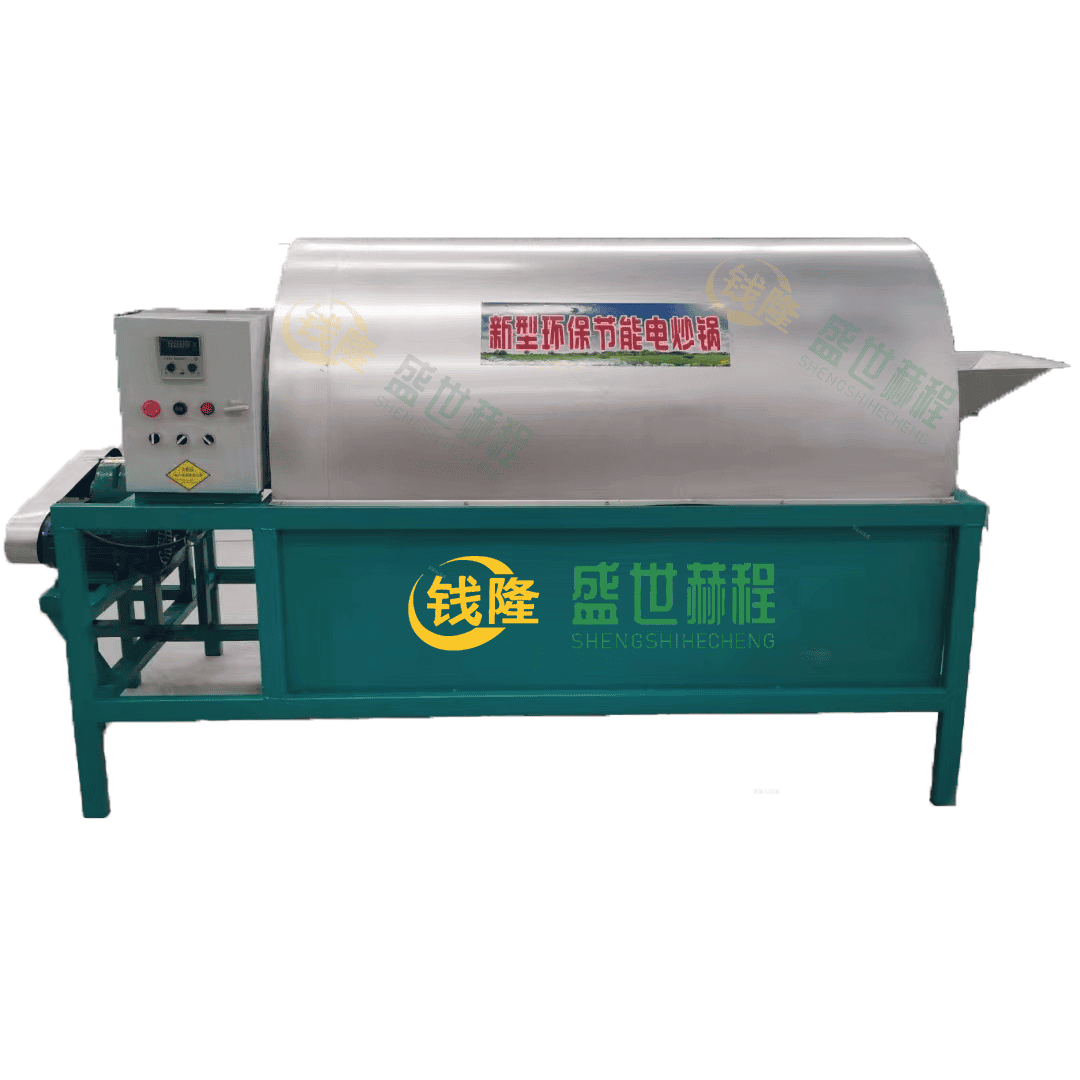
Sesame roasting
Choose the automatic drum roaster or heated wok around the sample, available utilities, batch rhythm, and required roast result.
Review the automatic drum roaster →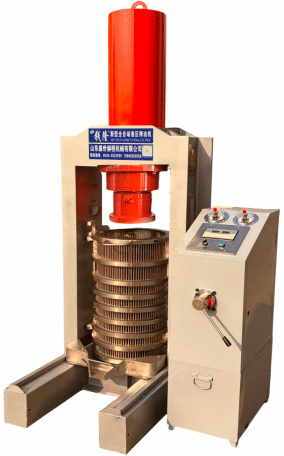
Small-batch hydraulic pressing
Confirm the 300 mm barrel, partitions, working batch, cycle, and cake removal before calculating machine count.
Review the hot-press machines →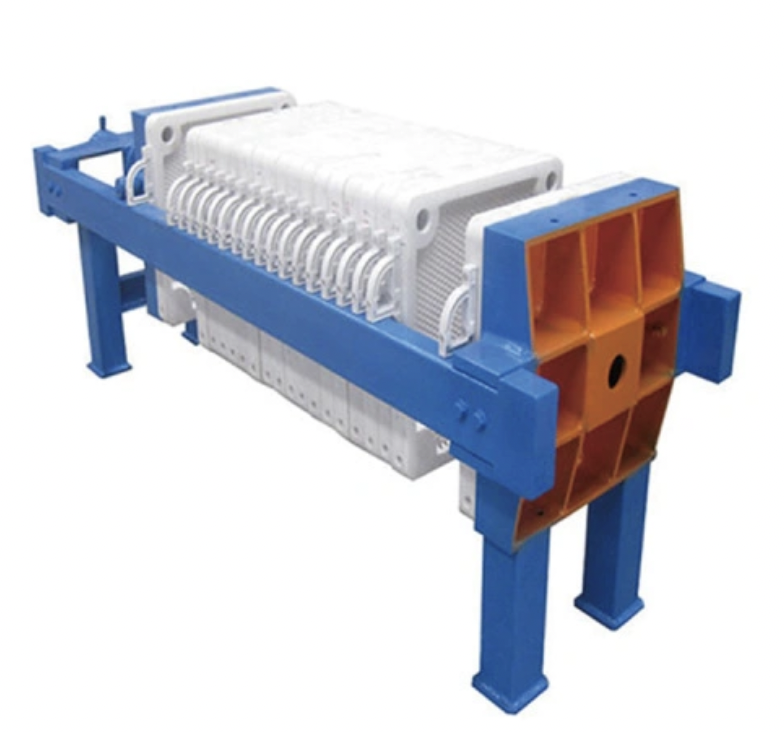
Oil filtration
Size the filter from actual crude-oil flow, solids load, required clarity, paper-change routine, and storage schedule.
Review pneumatic oil filtration →Existing process reference
Use the video to understand workflow, not to guarantee output
The existing video shows a sesame pressing reference. Final equipment count still depends on the tested roasting and pressing schedule, including material transfer, loading, unloading, cleaning, and filtration.
Related planning pages
Continue from hot-press guidance to the complete project scope
Restored original media
Additional sesame hot-pressing footage
This second sesame video was present in the earlier guide and complements the current operating reference.
Sesame Oil Hot Pressing Process | Hydraulic Oil Press | Pure & Aromatic Sesame Oil#hydraulicoilpress
Original operating reference restored from the earlier page.
Confirm the sesame batch before multiplying the machine count
Send the sesame type, sample or photos, moisture and impurity information, cleaning route, roast target, daily input, operating hours, power supply, workshop dimensions, oil and cake requirements, filling scope, and destination.