Peanut / groundnut processing
Choose the process route before sizing the equipment
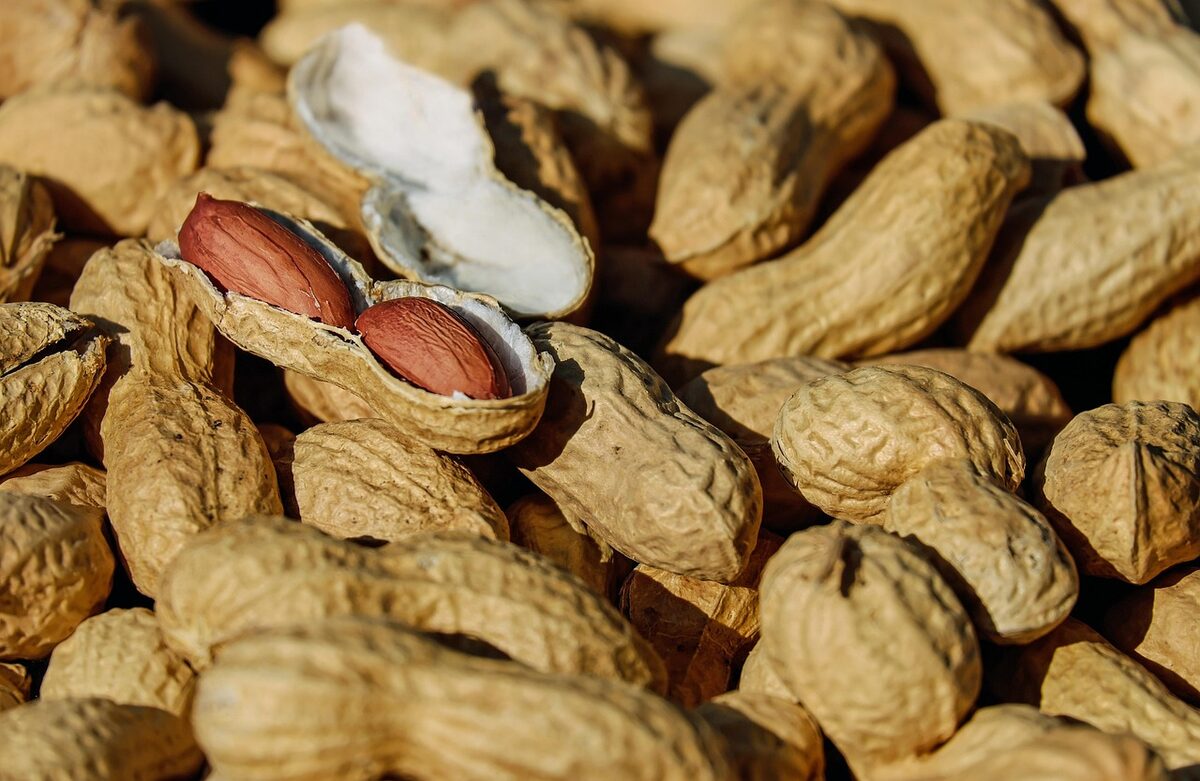
Peanut can enter the line in-shell or as pre-shelled kernel. Hot pressing adds roasting between crushing and hydraulic pressing; cold pressing sends crushed peanut directly to the press. Both routes continue through oil filtration, cake handling, storage, and optional refining or filling.
Route selection
Hot pressing and cold pressing use different preparation
The current page supports both routes. Select the route around the required product, raw-material condition, and practical line balance.
Roasted material
Peanut hot-press route
Clean and shell the peanut when required, crush it with the pre-press machine, roast the crushed material, and then load the hydraulic oil press.
- Remove hard pods before crushing when the supply is in-shell
- Use the electric heating flat-bottomed wok after crushing
- Plan hot-water provision for the roasting step
- Use Model 325 as the source page’s hot-press reference
Direct after crushing
Peanut cold-press route
Clean, shell when needed, and crush the peanut, then feed the crushed material directly into the hydraulic press without the roasting stage.
- Keep the pre-press crushing stage
- Skip the electric roasting equipment
- Compare the Model 325 and 355-500 press routes
- Continue with the same filtration and downstream handling
Practical process flow
From incoming peanut to oil ready for the next commercial step
Shelling depends on the purchased material, while roasting is specific to the hot-press route. The remaining stages are shared.
Key equipment
Core modules in the peanut line
These modules cover material preparation, the hot-process branch, hydraulic pressing, and oil clarification.
Pre-press crushing
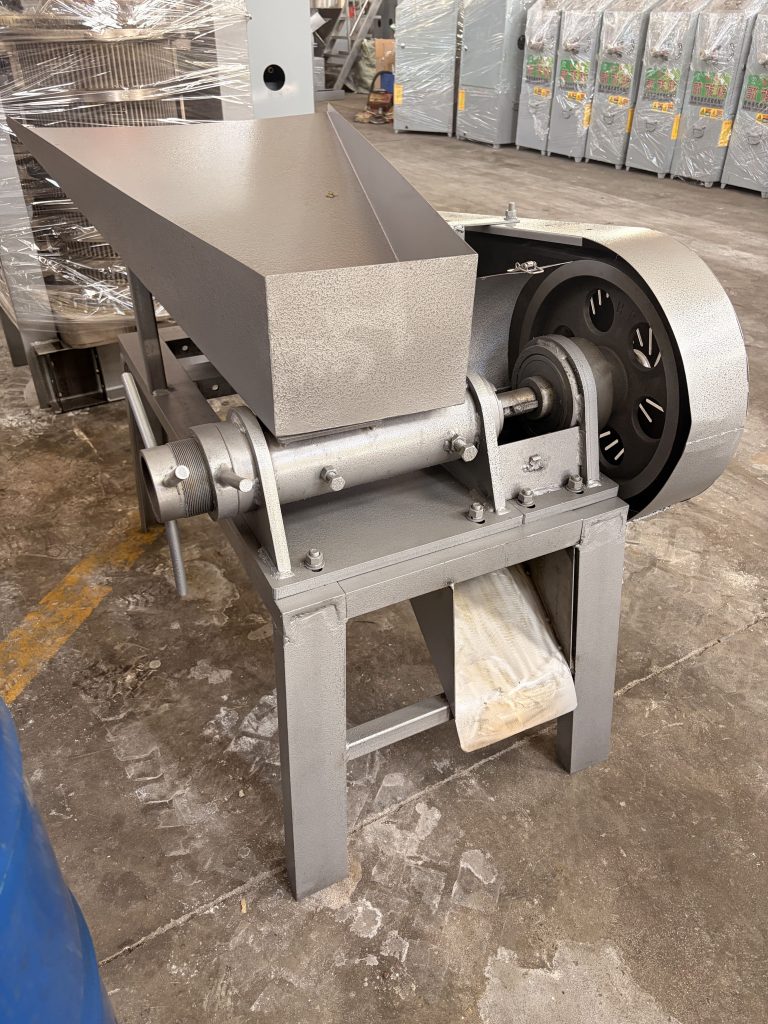
The spiral-crushing pre-press machine prepares shelled peanut for either the hot or cold route.
Open the pre-press machine →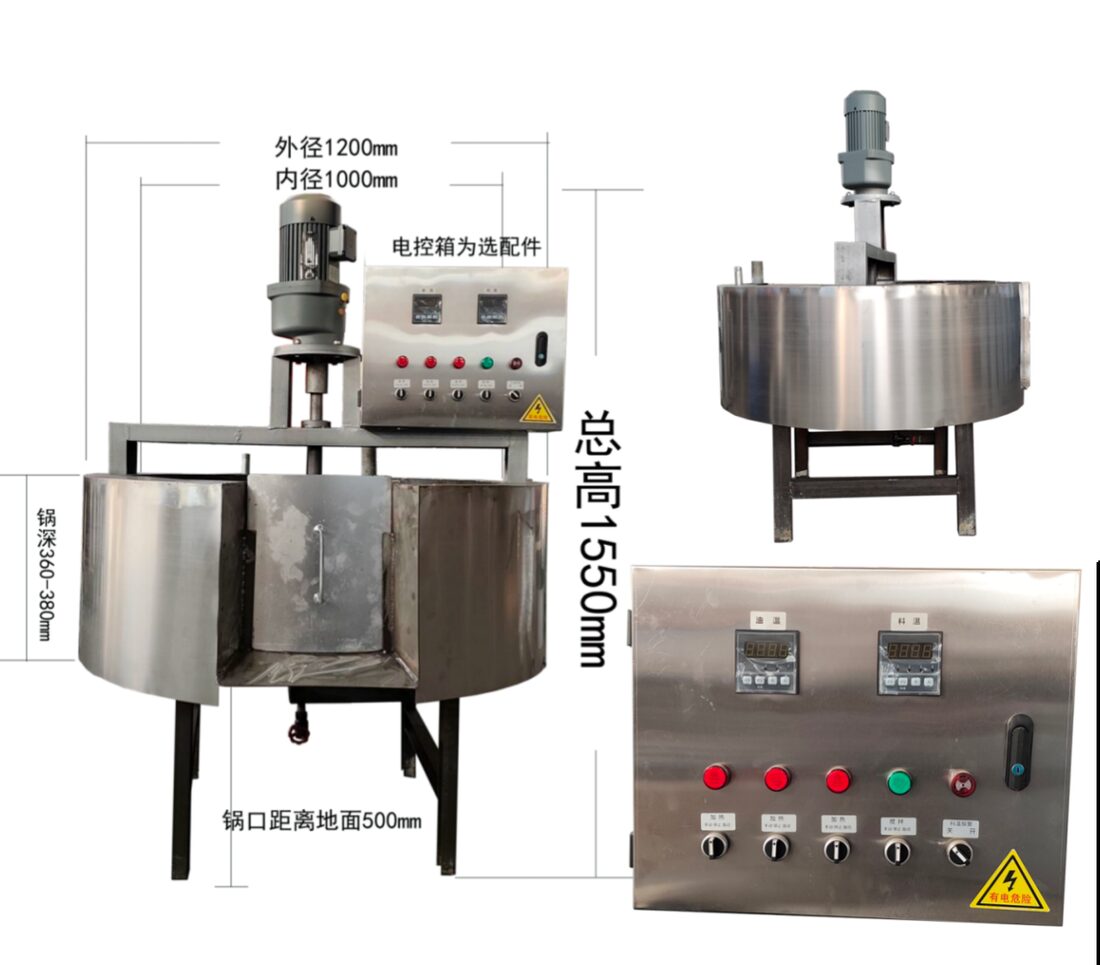
Electric roasting wok
The hot-press route roasts crushed peanut before it moves to the hydraulic press.
Open the roasting equipment →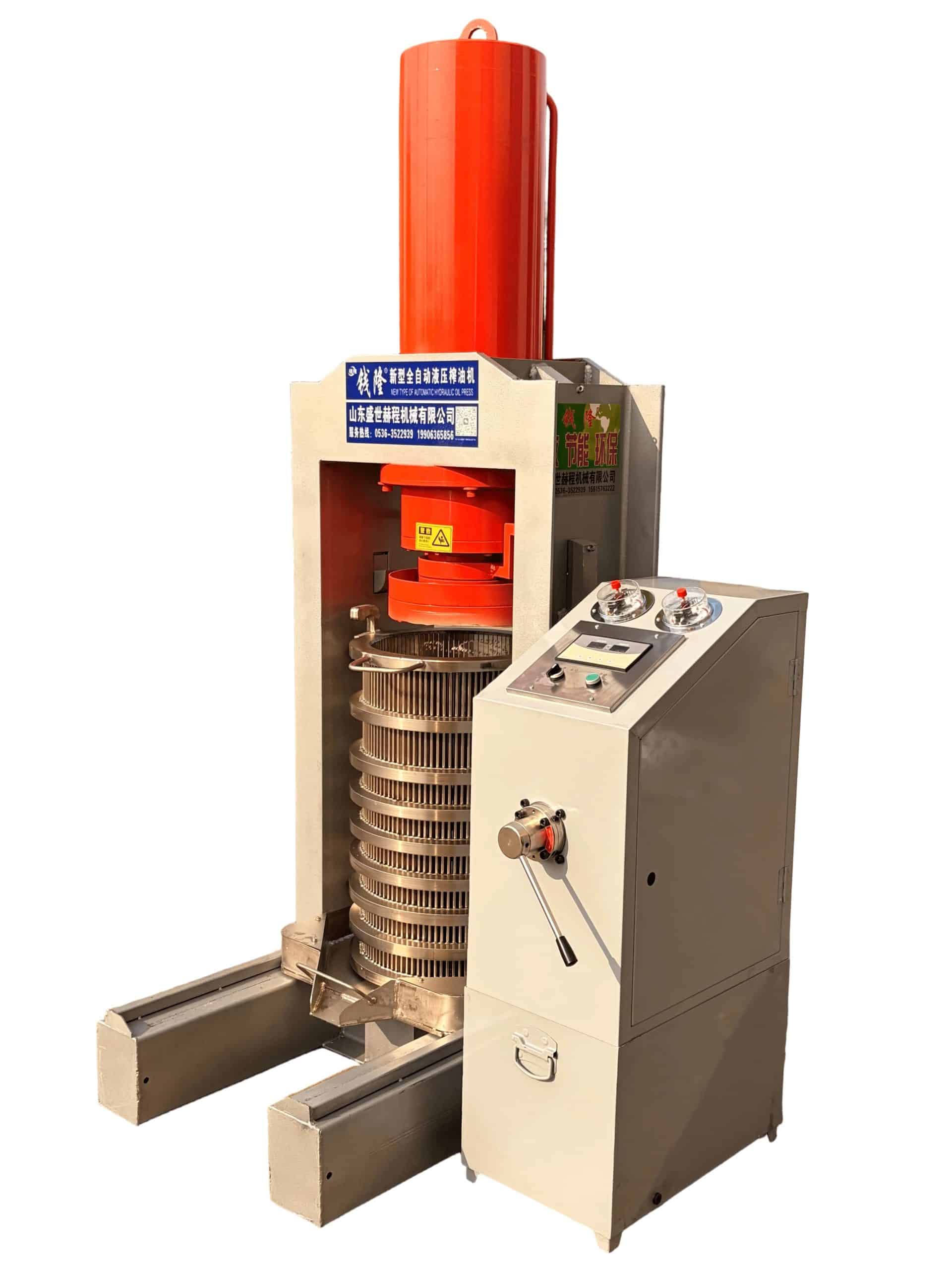
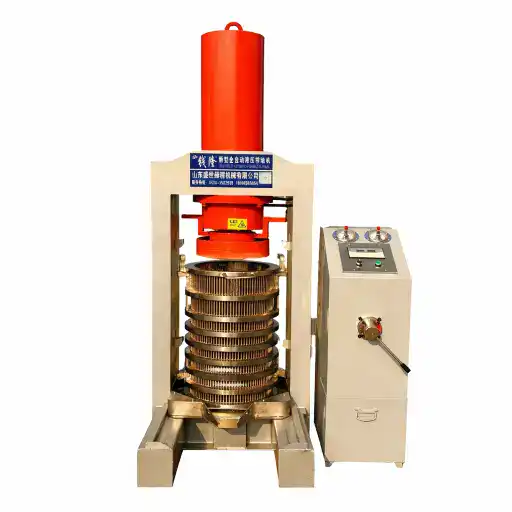
Hydraulic oil press
The source page centers the hot-press example on Model 325 and also identifies higher-force 355-500 models for a cold-press option.
Compare hydraulic press families →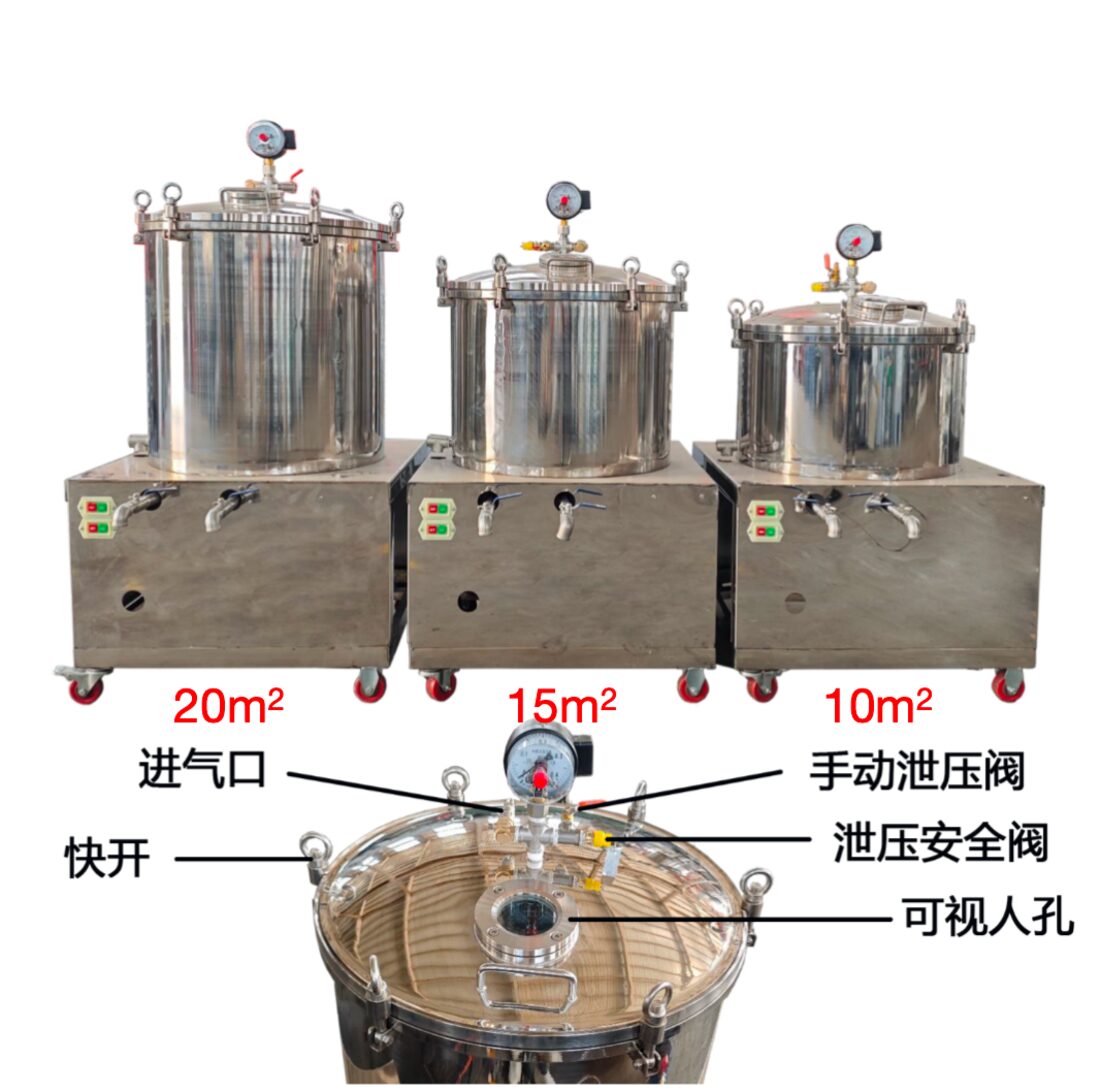
Pneumatic oil filter
Collect crude oil from the press and clarify it through the multi-layer paper filter before storage or downstream processing.
Open the pneumatic filter →Reference line balance
Worked equipment matching from the current page
The figures below preserve the current page’s reference scenarios. They are a starting point for line balancing, not a universal configuration for every peanut supply or operating schedule.
| Route stage | Reference equipment | Source-page basis |
|---|---|---|
| Crushing | 1 pre-press machine | Reference input of 500 kg peanut per hour. |
| Hot-route roasting | 5 electric heating flat-bottomed woks | 100 kg per unit per batch in the worked example; hot water is required during roasting. |
| Hot-route pressing | 5 Model 325 hydraulic presses | Standard 390 mm diameter by 800 mm barrel, 100 kg crushed-powder load, and 14 partitions. The page allows about 1.5 hours for two barrels including feeding and unloading. |
| Cold option A | 8-10 Model 325 presses | 300 mm barrel with a stated maximum feed of 60 kg. |
| Cold option B | 5-6 presses from the 355-500 range | 390 mm barrel with a stated maximum feed of 100 kg. |
| Shared downstream | Pneumatic filter, oil storage, cake handling, optional filling | Filter the pressed oil, collect the cake, store in clean food-grade containers, and add filling equipment to suit the production demand. |
Buyer configuration checklist
Information needed to turn the reference flow into a project scope
- In-shell peanut or pre-shelled kernel
- Incoming cleanliness, shell content, and moisture condition
- Hot pressing or cold pressing route
- Daily input target and planned operating hours
- Preferred press family, barrel arrangement, and number of presses
- Hot-water and electrical provision for roasting equipment
- Filtered crude oil or further refining requirement
- Cake plan: direct use or pulverizing for further processing
- Storage volume, bottle format, and filling scope
- Workshop dimensions, destination country, and local voltage
Balance every stage around the selected presses
The crushing and roasting sections must keep the presses supplied, while filtration, storage, and filling must accept the oil leaving the press section. Recalculate the worked example around the actual peanut condition and work schedule.
Pressed peanut cake can be collected for direct use or processed with an oil cake pulverizer before further handling.
Related planning pages
Continue with the part of the project that needs definition
Restored original media
Peanut production-line process media
The original peanut pressing videos and process image are restored below.
Peanut oil pressing with the hydraulic oil press machine — real production footage
Original operating reference restored from the earlier page.
Peanut oil at the hydraulic press outlet
This short on-site close-up was present on the earlier peanut production-line page.
Restored photographs
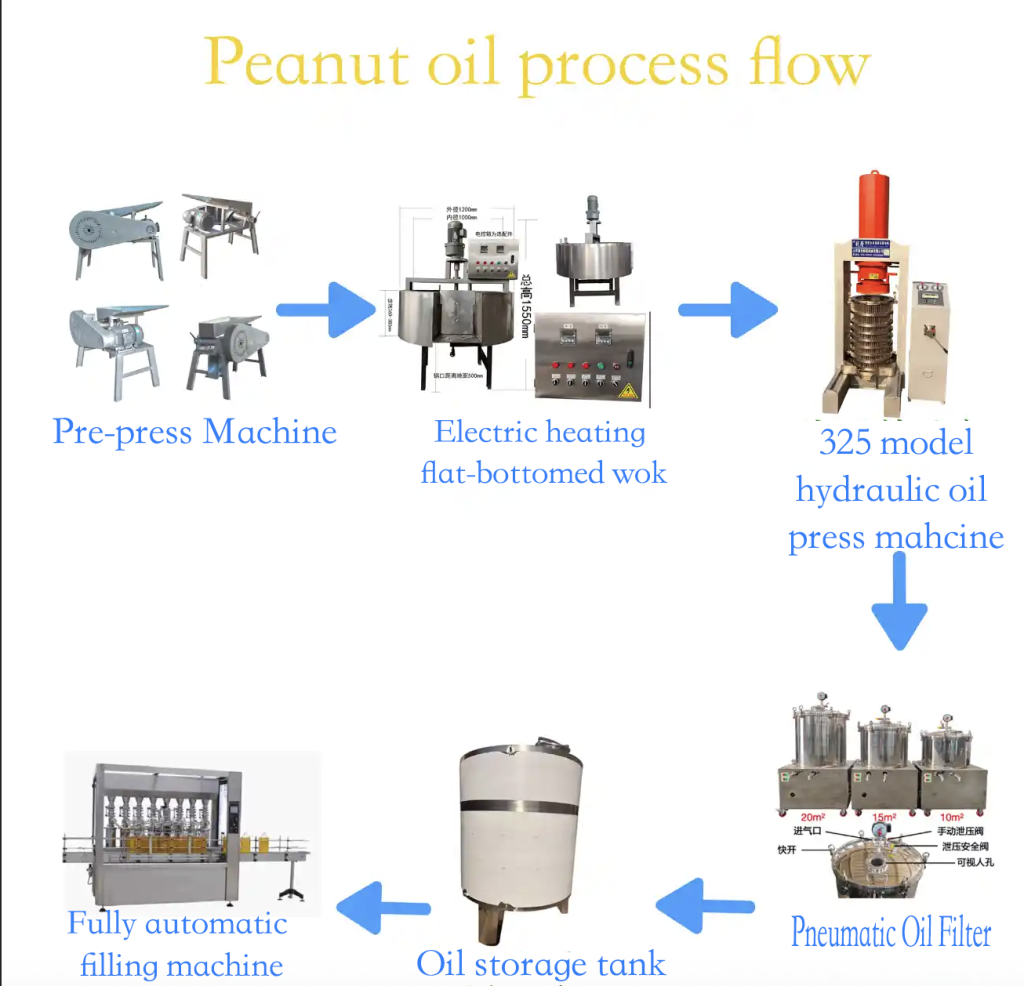
Reference video from a peanut hydraulic oil production line.
Original photograph restored from the earlier page.
Peanut project guides
Match preparation, pressing, and the business route
Use the machine guide for model choice, the line guide for the complete route, and the sheller guide for preparation.
Configure the peanut line around the actual material and work schedule
Send whether the peanut is in-shell or pre-shelled, the hot or cold process preference, daily input target, operating hours, finished-oil requirement, workshop dimensions, utilities, and destination country.