Turnkey oil mill project planning
Specify the oil mill as one connected production system
A turnkey scope can coordinate raw-material preparation, hydraulic pressing, filtration, optional refining and dewaxing, and filling and packaging. The final line should be defined by the oilseed, operating target, hot- or cold-press route, finished-oil requirement, site, and delivery responsibilities.
Material to packaged oil
Use one scope to connect the core production sections
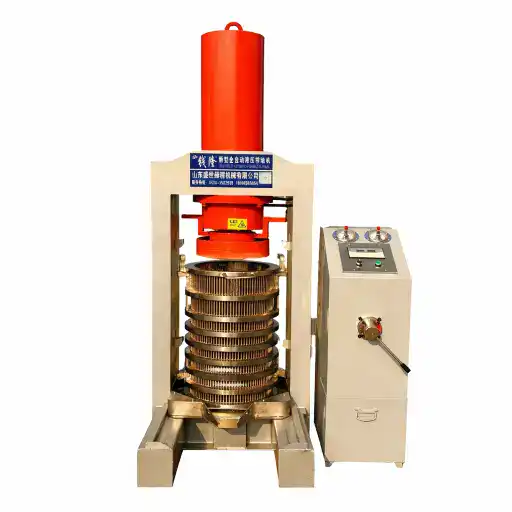
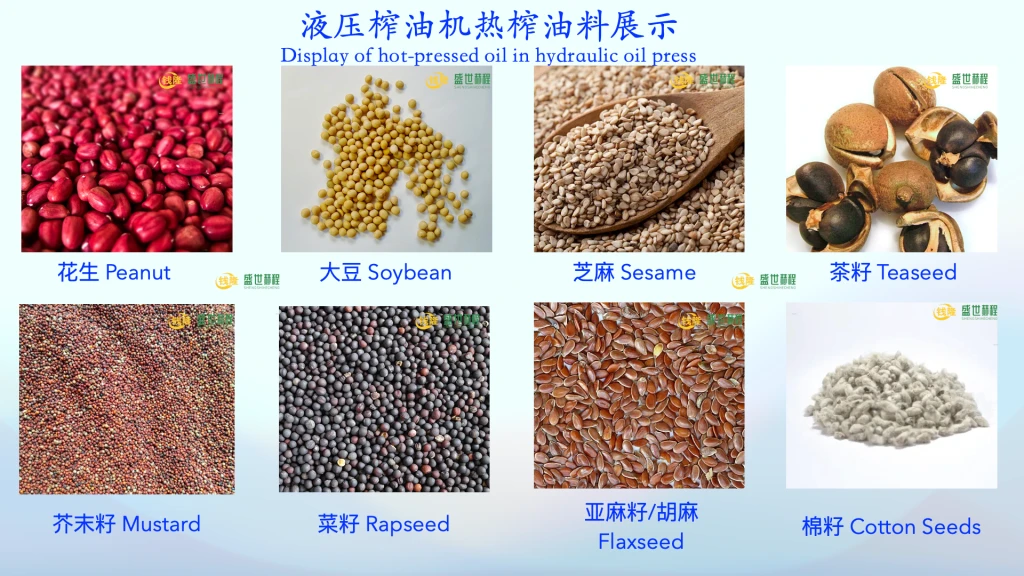
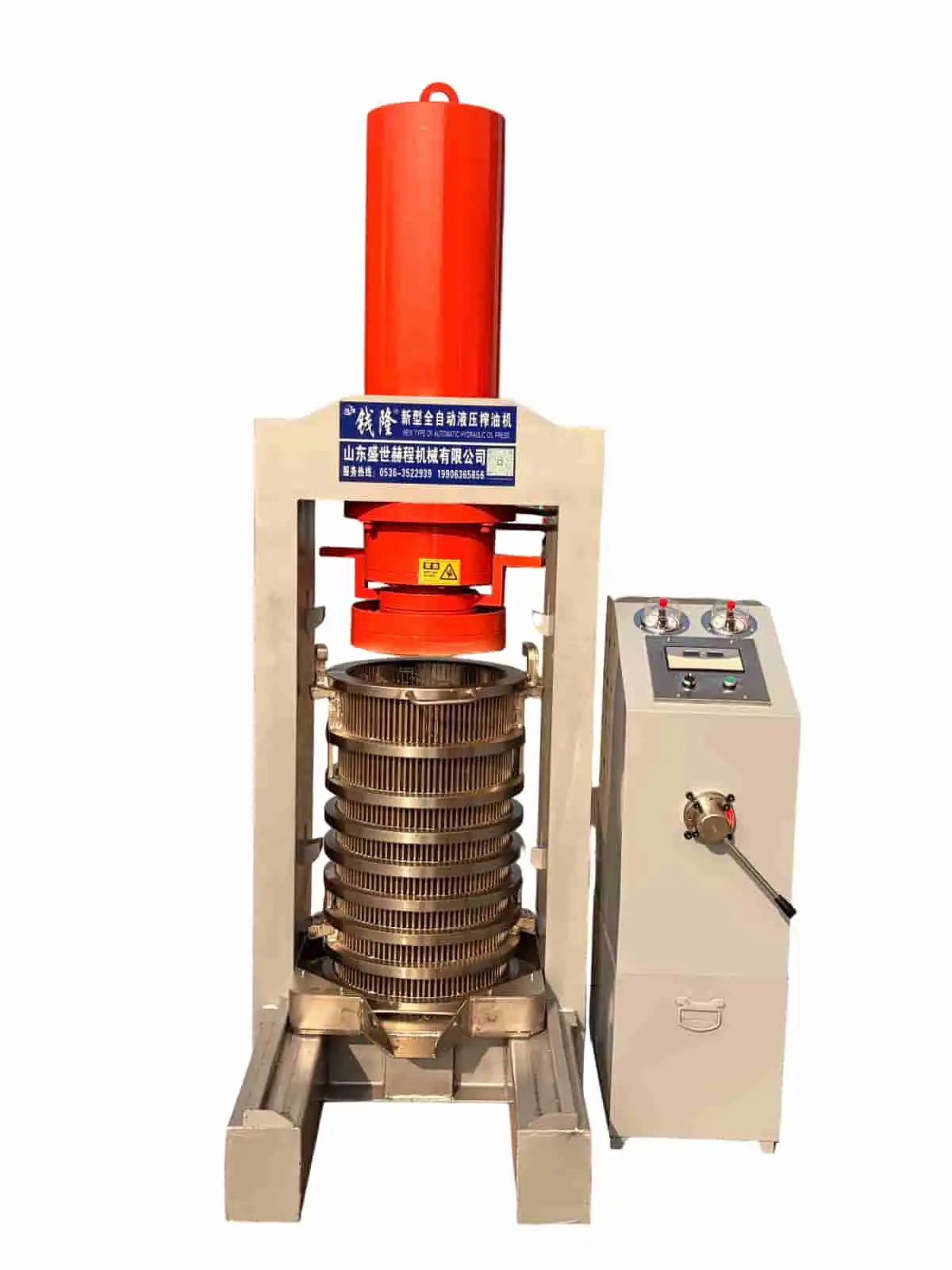
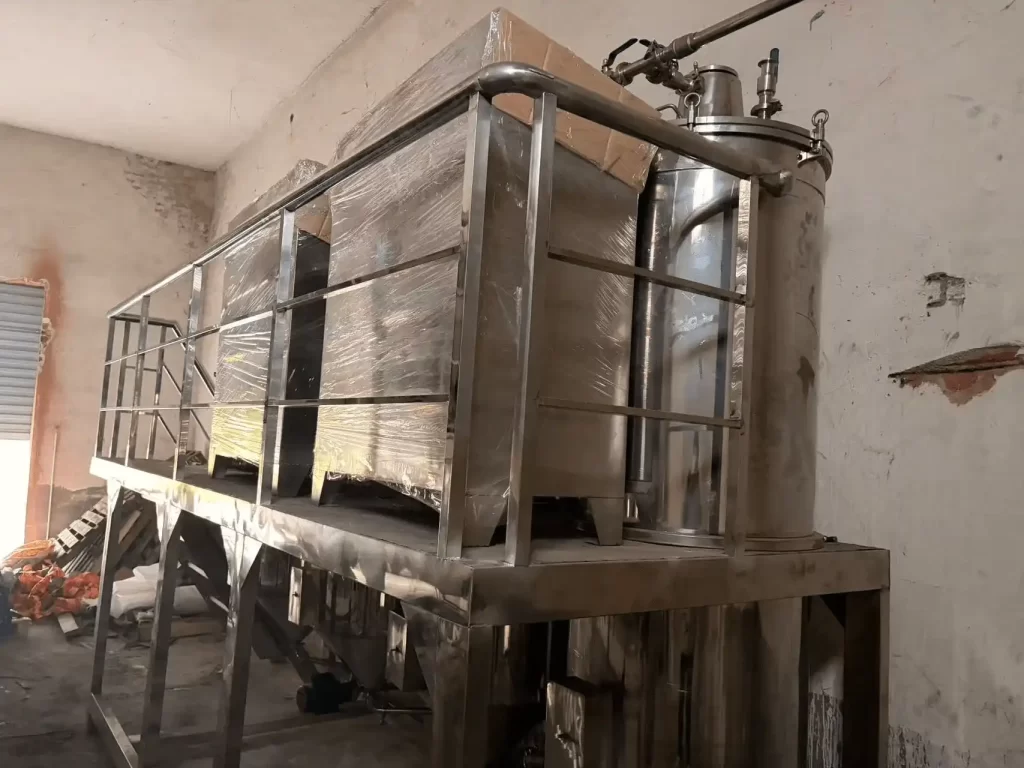
These existing site images show the raw-material context and representative equipment used across pressing, refining, and filling projects. They do not define a fixed machine list.
Project requirements
Resolve the production basis before counting machines
The live page starts line planning with the oilseed, daily output, process route, and refining requirement. A useful turnkey inquiry also needs the operating schedule, product format, site, utilities, and destination.
| Decision | Information to provide | Why it changes the line |
|---|---|---|
| Oilseed and incoming condition | Seed type or mix, cleanliness, shell, moisture, whether it is whole or pre-processed, and planned storage. | Determines cleaning, shelling, crushing, pre-pressing, and conditioning requirements. |
| Output and operating schedule | Target material or oil per day, shifts, operating hours, and expected seasonal variation. | Sets the basis for machine count, batch rhythm, line balance, and storage between sections. |
| Hot or cold pressing | Preferred route and any product-temperature or process restrictions. | Hot routes can require heating or steaming modules; cold routes use a different preparation and press selection. |
| Finished-oil scope | Crude, filtered, refined, dewaxed, stored in bulk, or packaged oil. | Determines whether the project stops after filtration or continues into refining, storage, and filling. |
| Package format | Container sizes, cap and label format, coding, carton plan, and required level of automation. | Controls filling, capping, labeling, conveying, and change-part scope. |
| Site and destination | Workshop dimensions, access, local voltage and frequency, available utilities, destination, and installation constraints. | Shapes the floor plan, power requirements, export preparation, documentation, and commissioning plan. |
Line scope
Build the proposal module by module
Not every project needs every stage. The process route should show which modules are included, optional, future, or supplied by the buyer.
| Line section | Source-page scope | Configuration decisions | Equipment page |
|---|---|---|---|
| Raw-material preparation | Cleaning, shelling, crushing, and pre-pressing as required. | Incoming condition, removal targets, transfer method, storage, and output balance into conditioning or pressing. | Pre-press machine → |
| Heating or steaming | Electric steamers for hot-press routes. | Confirm whether the oilseed needs conditioning, the batch rhythm, heat and water inputs, and material transfer to the presses. | Electric steamer → |
| Hydraulic pressing | Core hydraulic oil press machines sized around the required output. | Hot or cold family, press model, machine count, loading and unloading cycle, oil collection, and cake route. | Hydraulic oil presses → |
| Filtration | Pneumatic paper-leaf filtration for collected oil. | Required clarity, filter count, batch timing, compressed-air supply, filter-paper consumables, and clean-oil storage. | Pneumatic oil filter → |
| Refining and dewaxing | Optional downstream treatment when the finished-oil target requires it. | Crude-oil data, included process stages, batch or continuous basis, utility needs, by-product handling, and storage. | Refining line planning → |
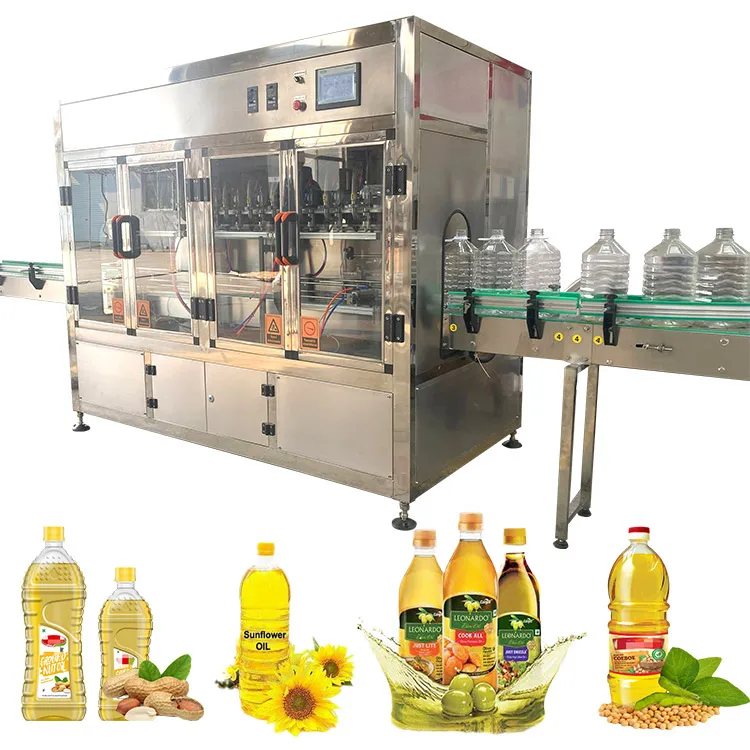
| Filling and packaging | Bottling, capping, and labeling equipment. | Container formats, changeovers, coding, conveyors, inspection points, carton handling, and finished-goods space. | Filling machine series → |
Layout and utilities
Make the floor plan and utility schedule part of the equipment scope
The source page identifies line balance, floor planning, power requirements, and destination voltage as core design tasks. Site data must be verified before the layout is treated as final.
Layout inputs
- Internal workshop length, width, clear height, columns, doors, and floor levels
- Raw-oilseed receiving, storage, and preparation route
- Forward material flow through pressing, filtration, storage, and packaging
- Separate handling paths for oil, pressed cake, treatment by-products, and finished goods
- Operator working space, cleaning access, maintenance removal space, and safe circulation
- Vehicle, crate, and lifting access for delivery and installation
- Reserved footprint and connection points for later expansion
Utility inputs
- Voltage, frequency, phase, available connected load, and location of electrical distribution
- Heating or steam arrangement for the selected hot-press or refining route
- Water source, pressure, treatment needs, drainage, and wastewater route where applicable
- Compressed-air availability for pneumatic filtration and selected packaging equipment
- Oil-transfer, clean-storage, ventilation, cooling, and cleaning provisions required by the chosen modules
- Local electrical, fire, food-production, environmental, and building requirements supplied by the buyer
Line balance is more than total installed capacity
Preparation must keep the presses supplied, filtration must accept the press output, storage must absorb batch differences, and packaging must match the available finished-oil flow. Ask for the assumptions used to balance each section.
Delivery and installation inputs
Clarify the handoff from approved design to operating support
The live page describes manufacturing and testing of core equipment, export packing and documentation, and remote commissioning support. The proposal should state the exact service boundary and buyer responsibilities.
Supplier scope to clarify
Equipment, documents, and support
- Final machine list, included accessories, controls, and interconnections
- Equipment testing scope and records provided before shipment
- Export packing method, shipping marks, packing list, and equipment documents
- Layout, utility information, installation guidance, and remote commissioning deliverables
- Support language, time-zone plan, communication method, and any separately priced service
Buyer inputs to clarify
Site readiness and local resources
- Permits, local compliance information, foundations, building work, and utility connections
- Port or site access, unloading plan, lifting equipment, temporary storage, and crate protection
- Local electricians, mechanics, pipe fitters, operators, and translation support where needed
- Oilseed, process consumables, containers, and test materials for commissioning
- Stable internet and safe camera access when remote commissioning support is used
Staged expansion
Start with the core route without blocking later modules
The current page serves both new projects and existing mills expanding from a single machine. A staged plan should reserve space, power, transfer points, controls, and storage for the next section.
Core-line launch
Preparation, pressing, filtration, and clean storage can form the first operating scope when the planned product does not initially require refining or automatic packaging.
- Balance preparation and press batches
- Keep oil and cake handling separate
- Document actual utility use and operating rhythm
Future-ready interfaces
Expansion is easier when the first layout allows clean transfer into future treatment, storage, and packaging sections without rebuilding the core material route.
- Reserve floor area and maintenance access
- Plan electrical and utility capacity for later stages
- Identify future tank, pipe, conveyor, and control connection points
Accessories, consumables, and spares
Make supporting items visible in the commercial scope
Turnkey should not mean that every small item is assumed to be included. Ask for an itemized list that separates supplied equipment, machine accessories, consumables, recommended spares, and locally sourced installation materials.
| Scope group | Items to define | Buyer check |
|---|---|---|
| Machine accessories | Model-specific loading, unloading, collection, connection, control, and adjustment items required to operate each selected machine. | Confirm quantity, compatibility, whether each item is packed with its machine, and whether local fabrication is expected. |
| Filtration consumables | Filter paper and other replaceable media used by the selected filtration section. | Confirm specification, startup quantity, replacement frequency basis, and local or future supply route. |
| Packaging change parts | Container-, cap-, and label-specific parts needed for each approved package format. | Submit physical samples or controlled drawings and identify which formats are included in factory setup. |
| Startup and wear spares | Seals, wear items, electrical components, and other machine-specific parts recommended for the selected operating plan. | Request part numbers, quantities, storage guidance, lead times, and a separately priced longer-term option if required. |
| Installation materials | Piping, hoses, valves, cable, trays, fasteners, supports, insulation, and utility connection materials between modules. | Mark each item as supplier-supplied or buyer-supplied on the layout and interconnection list. |
| Operating documents and tools | Machine manuals, electrical information, maintenance lists, troubleshooting guidance, and any special service tools. | Confirm language, file format, revision status, and delivery timing before commissioning. |
Buyer project checklist
Send one complete requirement pack
- Oilseed type, incoming condition, available samples, and seasonal supply plan
- Daily target, shifts, operating hours, hot or cold route, and planned product mix
- Required line boundary from receiving through pressing, filtration, refining, storage, and packaging
- Pressed-cake route, separated-material handling, wastewater plan, and storage requirements
- Container formats, cap and label samples, coding, carton, and automation requirements
- Dimensioned workshop drawing, access route, floor information, and future-expansion area
- Voltage, frequency, phase, available power, water, heat or steam, compressed air, drainage, and cooling
- Destination, port or inland delivery point, unloading resources, local labor, and commissioning preference
- Required documentation language, spare-parts period, consumable plan, and locally supplied interconnections
- Target schedule and decision dates for scope approval, site readiness, shipment, and startup
Use a responsibility matrix before ordering
For every machine, utility, pipe, cable, foundation, lifting task, document, spare part, and commissioning activity, identify whether it is included by the supplier, supplied locally, optional, or planned for a later stage.
This prevents the term “turnkey” from hiding important project interfaces and keeps the layout, delivery plan, and startup scope aligned.
Equipment and planning links
Review the source pages behind each line section
Turn the requirements into a line scope, layout, and responsibility matrix
Send the oilseed, output and schedule, hot or cold route, finished-oil and packaging scope, workshop drawing, utilities, destination, local installation resources, spare-parts needs, and expansion plan.