
On this page
- Cold Pressed Oil vs Hot Pressed Oil: The Real Industrial Difference (Engineering View)
- Same Working Principle, Different Structural Grade
- Small Models (300 / 325)
- Large Models (355 – 500)
- Power and Barrel Are Still the Same
- Why Structural Grade Matters for Cold Pressing
- Process Difference Summary (Real Factory View)
- Which One Should You Choose?
- Profit Difference (Important)
- FAQ
- Final Industrial Conclusion (Very Important)
- Get Expert Advice
Cold Pressed Oil vs Hot Pressed Oil: The Real Industrial Difference (Engineering View)
In the edible oil industry, “cold pressed oil” and “hot pressed oil” are often described as two completely different machines.
From an engineering perspective, this is not accurate.
The truth is:
Cold pressing and hot pressing use the same hydraulic working principle, but different machine structural grades.
The difference is mainly in machine strength and frame structure, not in basic working logic.
Same Working Principle, Different Structural Grade
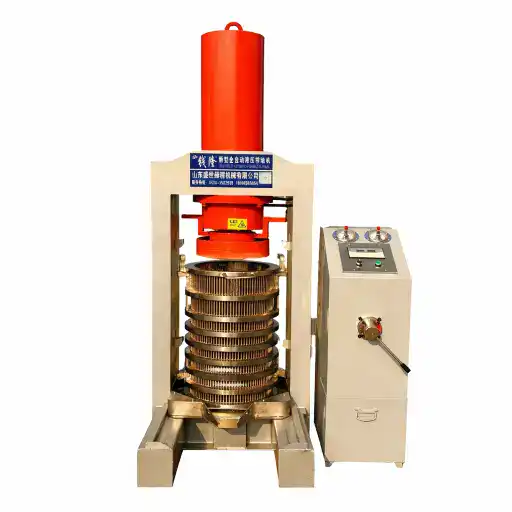
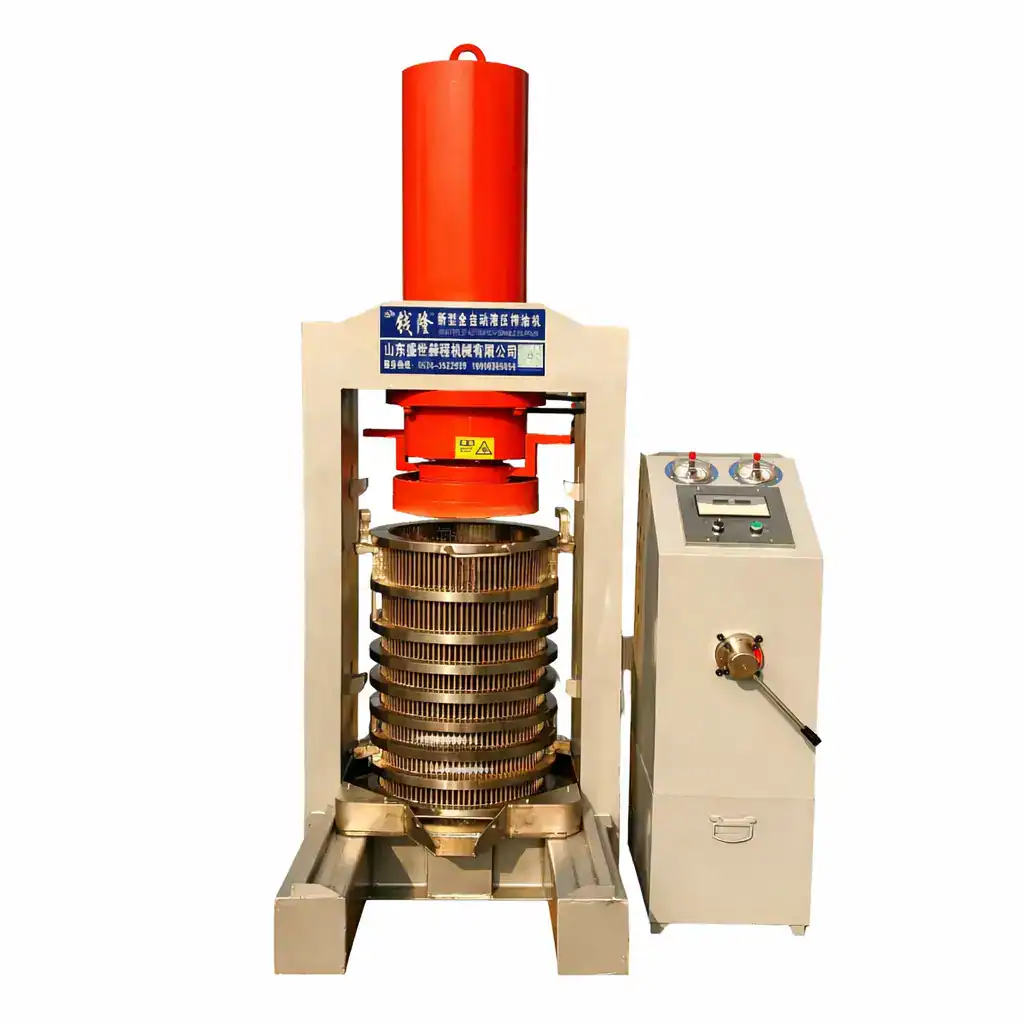
All hydraulic oil press machines work on the same principle:
- Hydraulic cylinder generates pressure
- Pressure compresses raw material
- Oil is squeezed out through pressing barrel
- No built-in heating system
However, machine models are divided into different structural strength levels.
Small Models (300 / 325)
Small hydraulic models such as 300 and 325 use:
- H-type channel steel frame
- Welded steel structure
- Compact body
- Lower overall weight
These structures are sufficient for:
- Hot pressing
- Small batch cold pressing
- Standard oil seeds
They are designed for:
- Medium pressure
- Shorter pressing cycles
- Budget-sensitive users
Large Models (355 – 500)
Large hydraulic models such as 355, 380, 400, 426, 480, 500 use:
- Integrated one-piece steel frame
- Thicker steel plates
- Higher overall rigidity
- Much heavier machine body
These machines are designed for:
- Higher hydraulic pressure
- Long continuous pressing cycles
- Cold pressing dense raw materials
- Industrial-level stability
Power and Barrel Are Still the Same
Even though the structure is different:
All models still use the same standard 390mm pressing barrel and 2.2kW motor.
So:
- Electricity consumption is the same
- Barrel diameter is the same
- Hydraulic system logic is the same
The upgrade is in mechanical strength, not power system.
Why Structural Grade Matters for Cold Pressing
Cold pressing requires:
- Higher pressure
- Longer pressing time
- Slower oil release
- More mechanical stress on the frame
This is why:
- Small models can do cold pressing
- Large models do it more safely and efficiently
- Large frames resist deformation
- Pressure stability is much better
Process Difference Summary (Real Factory View)
| Factor | Hot Pressing | Cold Pressing |
|---|---|---|
| Working Principle | Same | Same |
| Barrel Size | 390mm | 390mm |
| Motor Power | 2.2 kW | 2.2 kW |
| External Heating | Raw material heated | No heating |
| Pressure Level | Lower | Higher |
| Pressing Time | Short | Long |
| Machine Frame | H steel OK | Heavy integrated frame preferred |
| Structural Stress | Low | High |
Which One Should You Choose?
Choosing between cold press and hot press depends on your business goal:
Choose Cold Press If:
- You want to sell premium oil
- You target health-conscious customers
- You focus on quality over volume
👉 Recommended machine:
355–500 hydraulic oil press (heavy-duty frame)
Choose Hot Press If:
- You want faster production
- You focus on volume and efficiency
- You have a limited budget
👉 Recommended machine:
300 / 325 hydraulic oil press (medium-duty frame)
Profit Difference (Important)
- Cold-pressed oil → higher selling price
- Hot-pressed oil → lower price but faster production
👉 In most markets:
- Cold press = higher profit margin
- Hot press = higher output volume
👉 This is why many small businesses start with hot press and upgrade to cold press later.
FAQ
Is cold press better than hot press?
Cold press produces higher quality oil, while hot press is more efficient. The best choice depends on your business model.
Can one machine do both?
Yes. Hydraulic oil press machines can perform both processes depending on the raw material and setup.
Which machine is best for beginners?
300 or 325 models for hot press, and 355 model for cold press.
Final Industrial Conclusion (Very Important)
From a real factory engineering view:
Cold press and hot press are not different machines,
but different load conditions on the same hydraulic system.
Small machines (300 / 325):
- Can do both
- Best for hot press
- Cold press with limited capacity
Large machines (355–500):
- Built specifically for cold press stress
- Much more stable
- Long-term industrial solution
So the real classification is not:
Cold press machine vs Hot press machine
But:
Medium-duty hydraulic press vs Heavy-duty hydraulic press.
Of course, for clearly get your demands, we can also sort the 300 / 325 hot pressing model and 355–500 cold pressing model
Get Expert Advice
Still not sure which method is right for you?
👉 Tell us:
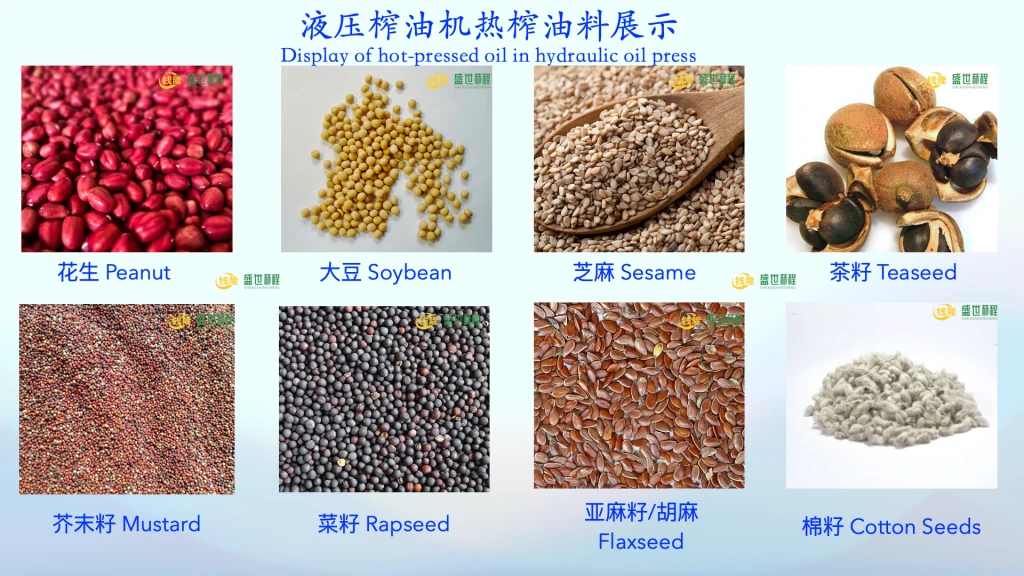
- Your raw material
- Production target
- Budget
We will recommend the best solution for your business.
Project planning
Configure the right oil press and production line
Send your oilseed, target output, bottle or packaging requirements, power supply, and destination country. We will match the machine, supporting equipment, and line layout.