
On this page
- Quick answer: what is the most practical first route for packaged oil business?
- Why packaged oil business is different from fresh-oil retail
- What should be included in the first packaged-oil route?
- Why filtration is usually one of the first essentials
- When should a buyer choose the 325 route directly?
- When can packaging be basic at first?
- How different buyer types should plan the route
- What are the most common mistakes when building a packaged oil business?
- How should buyers stage investment?
- How should buyers compare two quotations fairly?
- What information should be prepared before asking for a quote?
- Quick recommendation by business type
- FAQ about building a packaged oil business with a hydraulic oil press machine
- Tell us your packaged-oil plan for a route recommendation
How to build a packaged oil business with a hydraulic oil press machine should be treated as a route-design question, not a simple equipment question. Many buyers begin by asking which machine can produce oil, but a packaged oil business is not selling pressing alone. It is selling a finished edible-oil product that must look commercially acceptable, fit the target market, and be repeatable enough for ongoing sales. Once the business model includes bottled oil, the buyer has to think about filtration, packaging timing, product positioning, process stability, and whether the first route should be designed for validation or for stronger commercial operation.
This is why packaged oil planning often goes wrong. One buyer underbuys by focusing only on the main press, then discovers that the route is too weak for finished packaged sales. Another buyer overbuys by trying to install a full packaged-oil line before the market has even been validated. A stronger approach is to choose the route according to business stage and finished-product standard, then add support sections in a controlled order.
Quick answer: what is the most practical first route for packaged oil business?
| Business stage | Practical route | Why |
|---|---|---|
| Early packaged-oil validation | Main press + filtration + basic packaging logic | Lets the buyer test the commercial route without overbuilding too early. |
| Premium batch packaged oil | 325 hydraulic oil press machine + process support + filtration | Usually stronger for premium positioning and more stable commercial output. |
| Growing packaged-oil business | 325 route + filtration + filling / packaging sections | Supports cleaner finished oil, better repeatability, and scaling. |
Why packaged oil business is different from fresh-oil retail
Fresh-oil retail is often built around immediate pressing, direct customer experience, and a simpler local selling scenario. Packaged oil business is different because the finished product must stand on its own after pressing. The bottle has to look commercially ready. The product has to feel more stable and more professionally presented. This changes the equipment logic immediately. Filtration becomes more important. Packaging timing becomes more important. Route consistency becomes more important. The buyer therefore needs a setup that supports product sales, not only oil extraction.
That is why the best planning method is to work backward from the packaged product. Ask what standard the final bottle must meet, which market it is meant for, and whether the route needs to be low-risk or already more commercially complete. The equipment decision becomes much easier after that.
What should be included in the first packaged-oil route?
- the main pressing route
- filtration or other logic that improves finished-oil usability
- a realistic packaging plan, even if the first stage uses a simpler format
- enough process stability to repeat the product commercially
- clear thinking about what will be added later and what must exist now
This does not mean every startup needs a full packaging line immediately. It means the first route must already be designed around packaged sales logic instead of a pressing-only mindset.
Why filtration is usually one of the first essentials
For packaged oil, finished-oil appearance matters quickly because the bottle becomes part of the sales promise. Buyers and end customers notice product cleanliness, usability, and presentation. This is why filtration is often one of the first support sections to justify early investment. Even when the buyer is controlling budget tightly, delaying filtration too long can weaken the product route more than expected.
When should a buyer choose the 325 route directly?
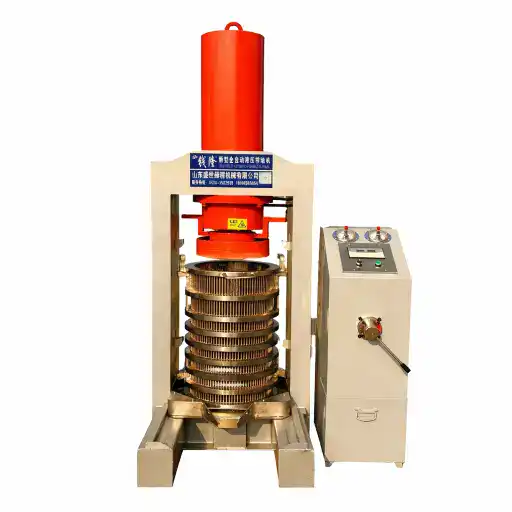
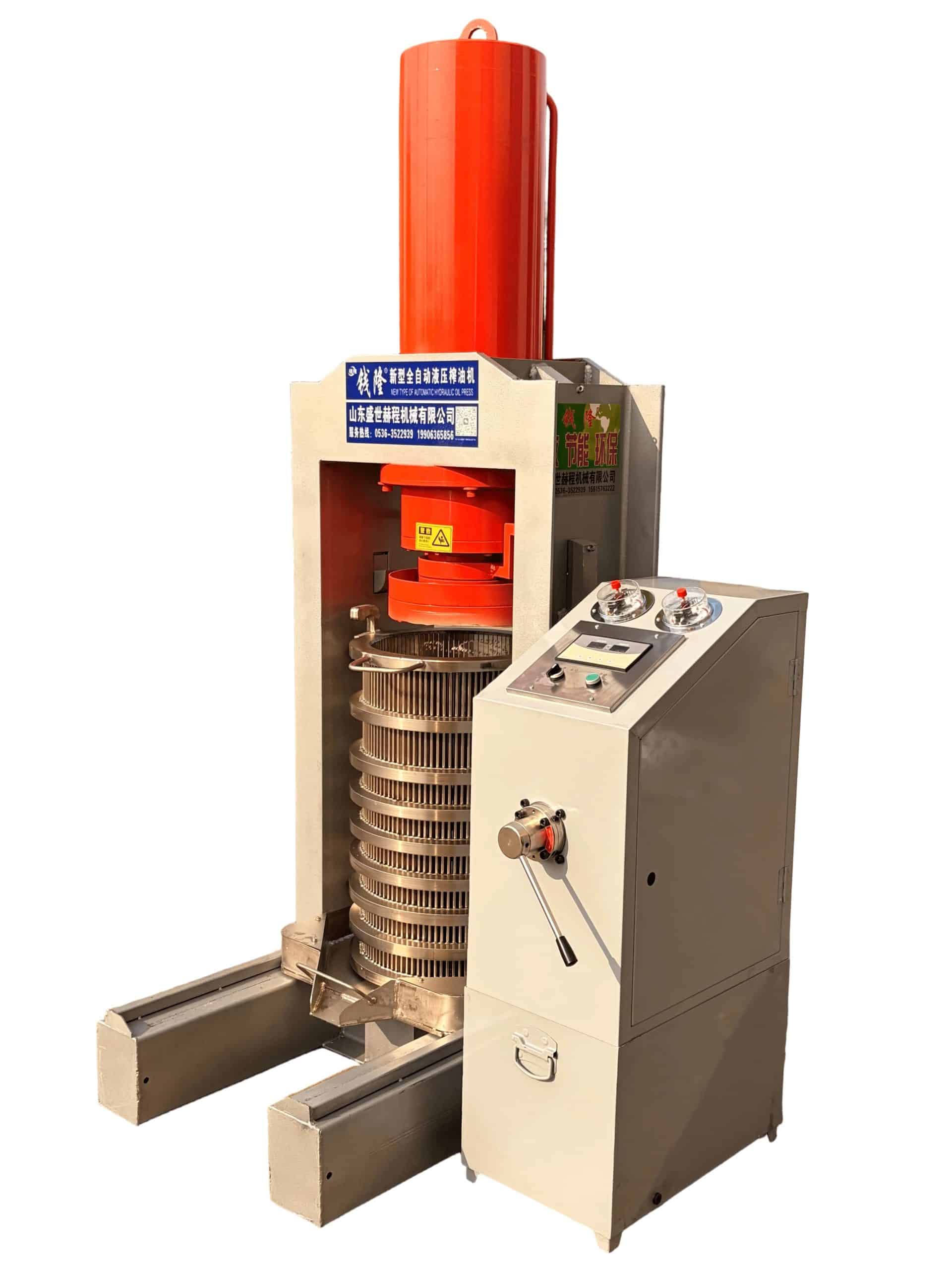
If the project is meant for premium packaged oil, stronger batch logic, or a more serious commercial route from the beginning, the 325 hydraulic oil press machine is often the stronger direct recommendation. That does not automatically mean the buyer is overspending. In many cases it means the buyer is matching the route to a more commercial target instead of pretending a smaller validation route can do the same job.
The 325 route becomes even more reasonable when the buyer already knows that packaged sales are central, not optional, and when the business is being built around a stronger finished-product standard.
When can packaging be basic at first?
Packaging can begin more simply when the market is still being validated and the buyer wants to reduce first-stage capital pressure. But even in this case, packaging should never be treated as a vague future idea. The buyer should know whether packaging is an immediate requirement, a near-term upgrade, or a later expansion step. A packaged oil business becomes fragmented when packaging is postponed without a plan.
How different buyer types should plan the route
| Buyer type | Best first move | Main caution |
|---|---|---|
| Startup packaged-oil seller | Build a practical route without full-line overbuild | Do not ignore filtration and product presentation |
| Premium batch oil brand | Choose a stronger route earlier, often 325-based | Do not decide only by the smallest initial quote |
| Small factory moving into bottled sales | Add packaging and filtration as deliberate route layers | Do not compare machine-only and full-route offers directly |
| Distributor-backed packaged-oil project | Plan for more stable finished output earlier | Do not confuse early validation route with repeat commercial route |
What are the most common mistakes when building a packaged oil business?
- treating packaged oil like a simple pressing-only project
- choosing the smallest route even when the product is meant to be premium
- delaying filtration too long
- failing to define when packaging will be added
- comparing supplier quotes without separating machine, filtration, and packaging layers
- trying to solve a commercial packaged-oil problem with a pure validation-stage setup
These mistakes usually happen because the buyer compares price faster than route logic. But packaged-oil success is often determined more by route fit than by the first headline number.
How should buyers stage investment?
Stage 1: build a practical route that can already support packaged-oil selling logic.
Stage 2: strengthen filtration, process stability, and packaging consistency.
Stage 3: expand filling, packaging, and broader production structure after demand is clearer.
This staged approach is often safer than either extreme. It avoids installing a weak route that cannot support real sales, while also avoiding a full-line investment before the business is ready to justify it.
How should buyers compare two quotations fairly?
The buyer should ask whether both quotations are meant to solve the same business problem. If one quote is for a simple startup route and another is for a more serious packaged-oil route with stronger support sections, the lower price does not automatically mean better value. Fair comparison means checking machine scope, filtration, packaging timing, process depth, and business stage together.
What information should be prepared before asking for a quote?
- raw material type
- target output
- whether the packaged product is mass-market or premium
- whether packaged sales begin immediately
- whether filtration and filling are required from the first stage
- country, voltage, and installation conditions
- target sales channel such as retail, distributors, gift market, or food business
- whether the priority is lowest startup risk or stronger first-stage commercial completeness
With these inputs, the recommendation becomes commercial and route-based. Without them, the answer usually stays too generic to be useful.
Quick recommendation by business type
Testing a new packaged-oil product: start with a practical route plus filtration and define packaging timing clearly.
Building a premium packaged-oil brand: choose a stronger route early, often centered on the 325 hydraulic oil press machine.
Expanding from pressing into bottled sales: separate the investment into machine, filtration, and packaging layers instead of buying blindly.
Unsure how much to buy first: define the finished product standard first, then choose the route backward from that target.
FAQ about building a packaged oil business with a hydraulic oil press machine
Can I start a packaged oil business with only the main press?
You can start with a simple route, but a packaged-oil business usually needs more than pressing alone if the final product must look commercially ready.
Is filtration usually necessary for packaged oil?
In most practical cases, yes. Filtration is often one of the first essentials because packaged oil is judged by finished appearance and usability.
When should I choose the 325 route directly?
When the business is aimed at premium packaged oil, stronger batch consistency, or a more serious commercial route from the beginning.
Should packaging equipment always be bought first?
Not always in full form, but packaging logic should be planned from the beginning instead of being ignored until later.
What is the biggest planning mistake?
Thinking only about the pressing machine and not about the route needed to sell a packaged oil product commercially.
What should I send to get a practical recommendation?
Send your raw material, output target, product positioning, packaging timing, and target sales channel.
Tell us your packaged-oil plan for a route recommendation
Send your raw material, target output, bottle plan, and whether the product is premium or mass-market. We can help you choose a more practical packaged-oil route step by step.
- View the 325 hydraulic oil press machine
- View the edible oil production line cost guide
- Send your inquiry
Project planning
Configure the right oil press and production line
Send your oilseed, target output, bottle or packaging requirements, power supply, and destination country. We will match the machine, supporting equipment, and line layout.