
On this page
- Quick answer: what should buyers calculate separately?
- Why buyers confuse machine budget and line budget
- Why the business stage should be defined before comparing quotes
- What does a machine-only budget really cover?
- What does a production-line budget usually add?
- Three common quotation misunderstandings buyers make
- When a machine-only budget makes more sense
- When a full production-line budget makes more sense
- What budget items are most often forgotten?
- Three realistic comparison scenarios
- How should buyers compare two quotes fairly?
- Why staged budgeting is often the safest strategy
- When NOT to compare machine and line budgets directly
- What should buyers prepare before asking for a serious budget comparison?
How to compare oil press machine and production line budget is a critical buying question because many buyers compare two different project scopes as if they were the same thing. A machine quote may answer the question, “How do I start pressing oil?” A production-line quote may answer the question, “How do I build a broader commercial oil route?” Those are not the same question, so the budgets should not be judged in the same way.
This is why some buyers feel confused after receiving quotations. One number looks low, another looks high, and both seem to describe the same industry. But the real issue is scope. If one quote includes only pressing and another includes preparation, filtration, packaging, and more complete process logic, then the difference is not simply price. The difference is the route being bought.
Quick answer: what should buyers calculate separately?
| Budget layer | What it includes | Why separate it |
|---|---|---|
| Main machine budget | Only the core press machine | Useful for startup or first-stage validation decisions. |
| Support-equipment budget | Pretreatment, roasting, filtration, and related sections | Shows how much process capability is being added beyond pressing. |
| Packaging budget | Filling and packaged-oil sections | Relevant only when bottled sales are part of the business route. |
| Installation and utility layer | Voltage, layout, and setup conditions | Prevents unrealistic comparisons across countries and sites. |
| Full line budget | Integrated route from process to packaging | Useful only when the buyer is actually planning that broader commercial scope. |
Why buyers confuse machine budget and line budget
They confuse them because both are often called project cost. But a machine-only route usually represents the minimum route needed to begin pressing, while a line route includes more of the commercial process. The larger price is not automatically overpriced, and the smaller price is not automatically a bargain. Each quotation may simply be answering a different stage of the project.
That is why the first step in comparison should always be to define what stage the project is in. Without that step, even a technically correct quotation can look misleading.
Why the business stage should be defined before comparing quotes
A startup, a workshop, and a factory do not need to compare budget in the same way. A startup may only need the most practical route to begin. A workshop may need more stable batch-processing support. A factory may need a broader integrated route because the business model is already proven. Once the stage is clear, the right budget structure becomes easier to understand.
What does a machine-only budget really cover?
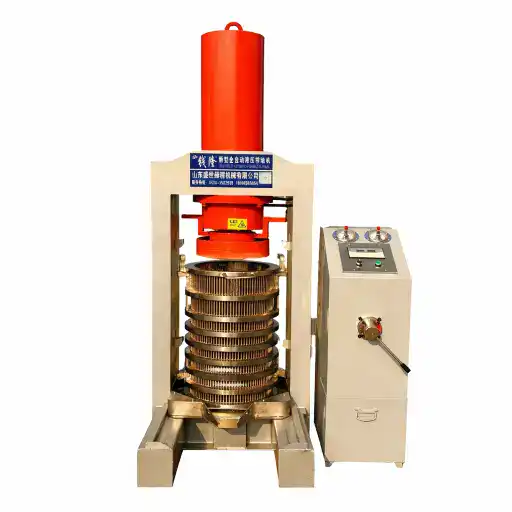
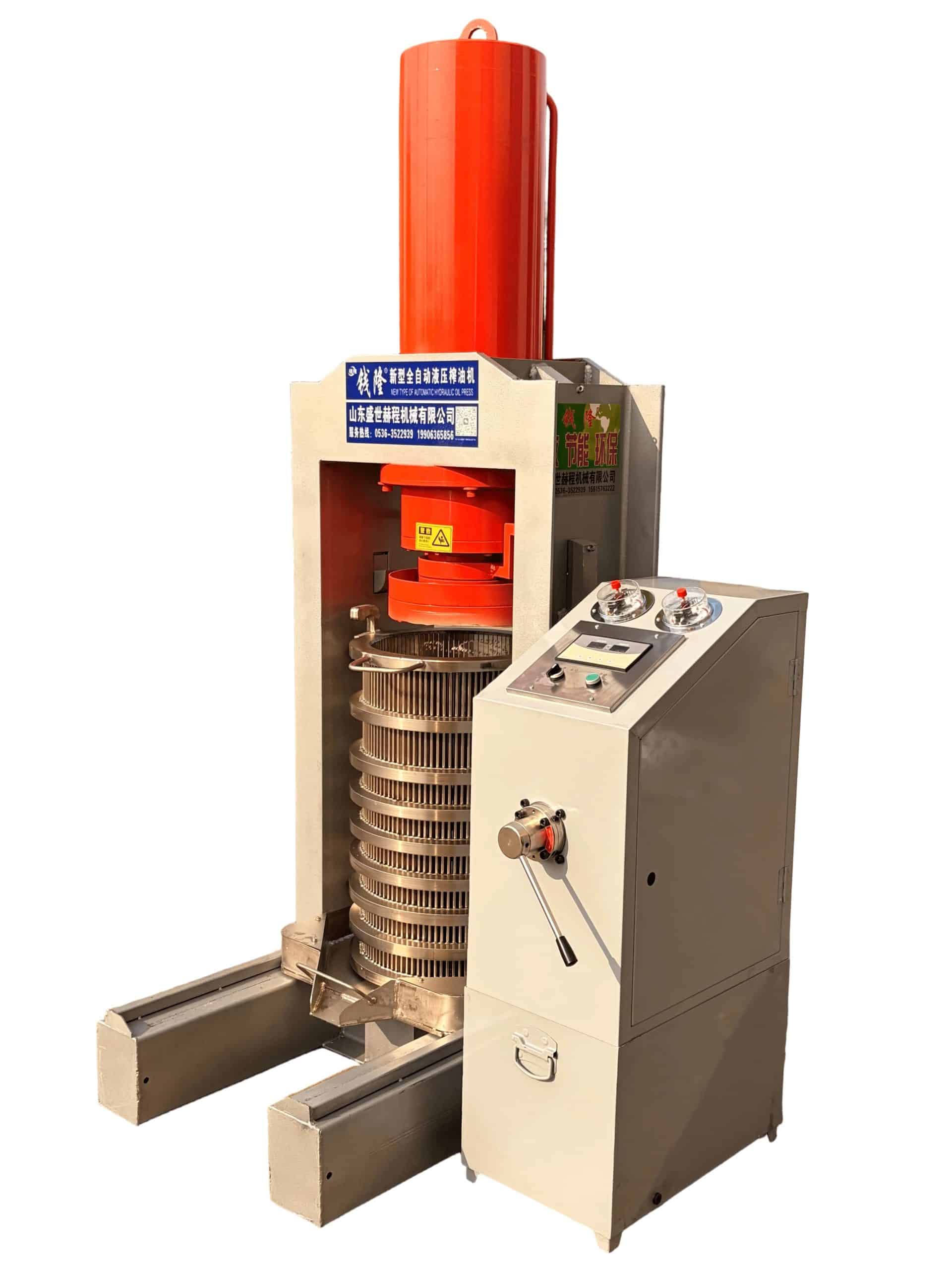
A machine-only budget usually covers the main pressing function and little else. That can be exactly the right answer when the buyer wants a staged-investment plan, lower first-stage risk, or a practical path to start production. But it should not be confused with a complete commercial system. In many cases, machine-only pricing is best understood as a first-layer budget rather than a final project budget.
What does a production-line budget usually add?
- pretreatment or raw-material preparation sections
- roasting or heat-related support
- filtration for improved finished-oil presentation
- filling or packaging sections
- broader process integration for more commercial projects
These additions may be necessary, but only if the buyer genuinely needs that broader route now instead of later.
Three common quotation misunderstandings buyers make
| Misunderstanding | What goes wrong | Better comparison method |
|---|---|---|
| Comparing machine-only and full-line totals directly | The buyer thinks one supplier is expensive without comparing scope | Split the budget into layers first |
| Ignoring packaging because it is “later” | The buyer underestimates the real cost of a bottled-oil route | Show packaging as a separate route layer |
| Assuming country conditions do not matter | Voltage and setup differences distort the quote comparison | List installation assumptions separately |
When a machine-only budget makes more sense
- when the market is still being tested
- when the buyer wants staged investment
- when the immediate goal is to begin pressing rather than launch a full packaged-oil route
- when support and packaging sections can be added later after demand is proven
This is why a machine-only route is not automatically weaker. It may simply be better aligned with the buyer’s current stage.
When a full production-line budget makes more sense
- when the buyer already knows the commercial route from the beginning
- when support-equipment sections are essential rather than optional
- when bottled-oil sales are part of the initial business model
- when a more integrated route is needed for consistency and planned expansion
If these conditions are already true, then comparing only the main machine price can create a false sense of savings. The lower quote may simply leave out sections the business will still need.
What budget items are most often forgotten?
| Often-forgotten item | Why it matters |
|---|---|
| Filtration | It may be required to make the oil commercially presentable. |
| Pretreatment | Some raw materials depend on it for stable processing. |
| Packaging | It becomes essential when bottled sales begin immediately. |
| Voltage / installation conditions | Country-specific setup changes the real project cost. |
| Future expansion layer | Buyers often confuse future modules with current must-haves. |
These missing layers are exactly why the lowest quotation is often not the most realistic quotation.
Three realistic comparison scenarios
Scenario 1: startup buyer comparing a single machine with a full packaged-oil line. This is not a fair direct comparison because one route answers startup validation and the other answers full commercial packaged production.
Scenario 2: buyer receives two “machine” quotes, but one includes filtration and the other does not. The headline numbers may look close, yet the commercial usefulness can be very different.
Scenario 3: buyer compares line quotations from different suppliers without checking installation assumptions. The equipment scope may seem similar, but voltage, layout, and setup conditions still make the actual comparison uneven.
These situations happen often, and they explain why buyers should ask for separated budget layers instead of a single total whenever possible.
How should buyers compare two quotes fairly?
First, ask whether both quotations solve the same business problem. Second, separate the route into machine, support sections, packaging, and installation assumptions. Third, ask what can be staged later and what must be included now. A fair comparison is therefore route against route, not just number against number.
Why staged budgeting is often the safest strategy
Staged budgeting allows the buyer to build the business in layers. The first purchase can be commercial enough to start, while future sections are added after sales logic is clearer and cash flow is stronger. This approach often protects buyers from both overbuilding and underbuilding. It also makes internal decision-making easier because each additional section can be justified by a specific business need.
For example, one buyer may begin with a machine plus filtration, then add packaging later. Another may start with a broader route because packaged sales are already confirmed. Both can be correct if the stage and route are clearly defined.
When NOT to compare machine and line budgets directly
- when one quote includes support equipment and the other does not
- when one quote is for a startup route and the other is for a broader commercial route
- when packaging is included in only one quotation
- when country, installation, or utility assumptions are different
- when one quotation includes future expansion modules and the other does not
In these cases, comparing total price alone creates the wrong conclusion.
What should buyers prepare before asking for a serious budget comparison?
- raw material type
- daily or batch output target
- whether the business is startup, workshop, or factory scale
- whether bottled-oil sales are part of the first-stage plan
- which sections are needed now versus later
- country, voltage, and installation conditions
- whether the buyer wants lowest first-stage cost or stronger first-stage commercial completeness
Once these inputs are clear, suppliers can structure the quotation more practically and the buyer can compare layers instead of guessing.
Quick recommendation by project stage
Startup project: compare machine-only and machine-plus-essential-support budgets first, not a full line immediately.
Workshop project: evaluate where filtration, pretreatment, and process stability begin to matter commercially.
Factory project: compare integrated line scope carefully, but still separate future expansion modules from current must-haves.
Packaged-oil project: treat packaging as a separate budget layer so you can see exactly what the finished commercial route adds.
FAQ about comparing machine and line budgets
Can a machine-only budget be enough for a startup project?
Yes. In many cases it is the correct first-stage route, especially when the buyer wants lower risk and staged investment.
When does a full line budget make more sense?
When the buyer already needs support sections, filtration, packaging, and a broader commercial route from the beginning.
What is the biggest budget comparison mistake?
Comparing a single machine quote and a full line quote as if they represented the same scope and business stage.
Should support equipment always be counted with the main machine?
No. It is often better to separate support-equipment cost so the buyer can stage investment more intelligently.
Why do some cheap quotes become expensive later?
Because they leave out support or packaging sections that the buyer eventually still needs in order to make the route commercially usable.
How can I request a more realistic comparison?
Ask suppliers to separate the quotation into machine, support equipment, packaging, installation assumptions, and optional future-expansion layers.
Tell us your project stage before comparing budgets
Send your raw material, output target, and whether the project is startup, workshop, or factory. We can help you compare machine and line budgets more practically and separate what should be bought now from what can wait.
Project planning
Configure the right oil press and production line
Send your oilseed, target output, bottle or packaging requirements, power supply, and destination country. We will match the machine, supporting equipment, and line layout.