
On this page
- Why startup buyers choose the wrong machine
- What should a startup buyer define before choosing the first machine?
- When the Korean type route is the smartest startup choice
- When a startup should skip the small route and move to a stronger route
- What support equipment should be considered at startup stage?
- How to reduce startup risk before placing the order
- How should a startup think about growth after the first machine?
- When is the first machine “good enough” to buy?
- FAQ about oil press machines for startup business
- Quick answer: what oil press machine is best for a startup business?
- Tell us your startup route before buying the first machine
- Additional Machine Reference
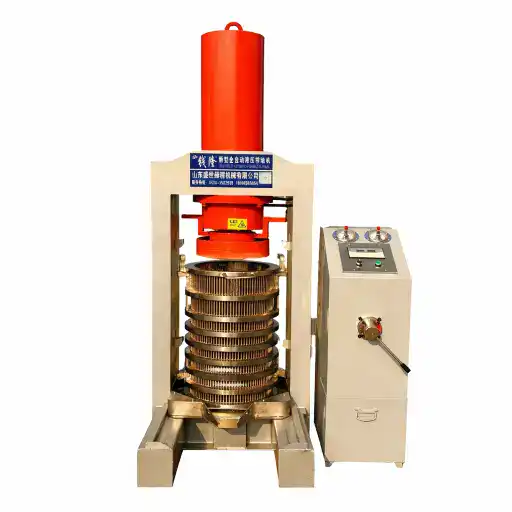
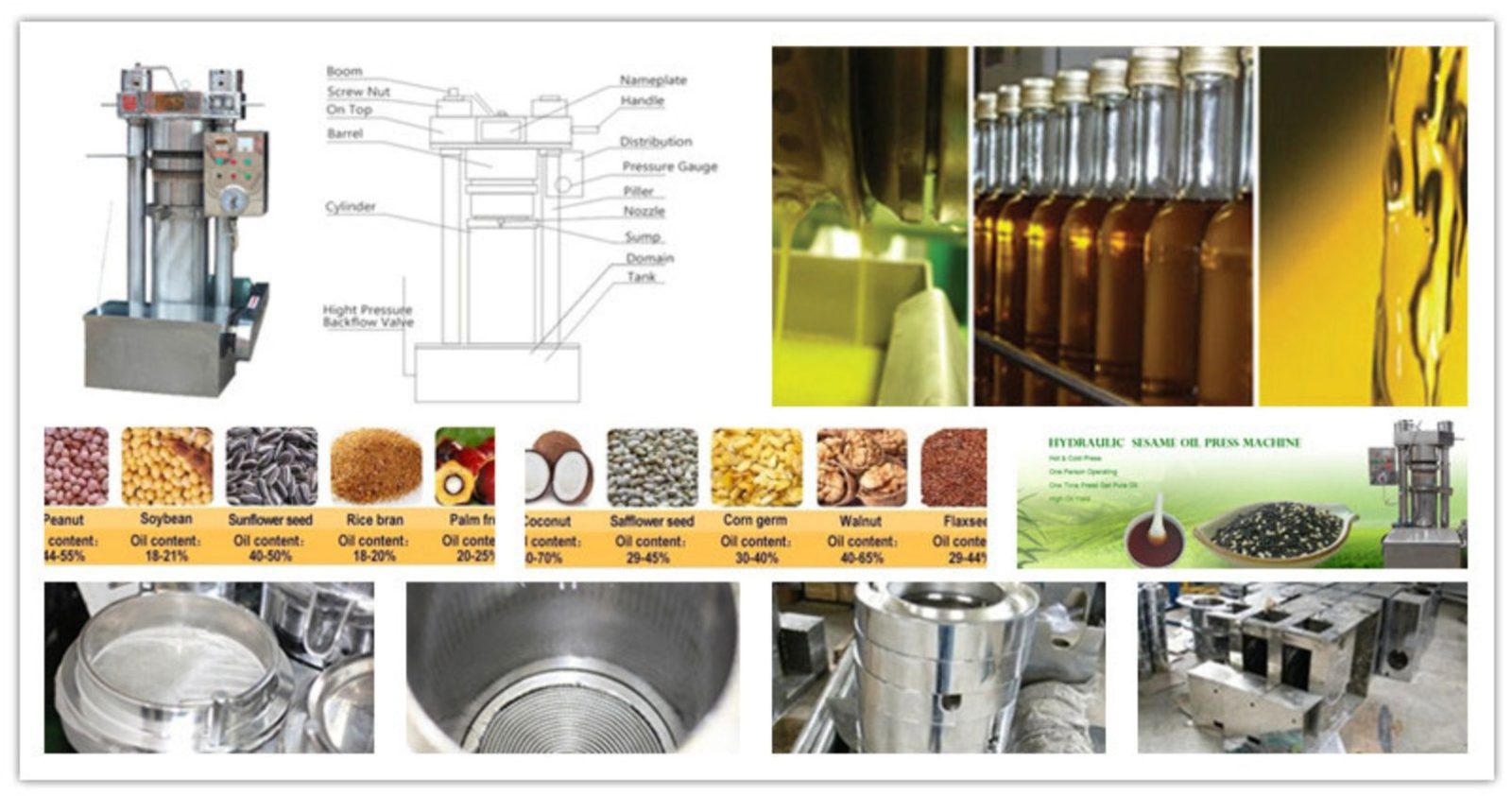
Oil press machine for startup business is one of the most important buying decisions in the whole project. The first machine does not only affect output. It determines how much capital is locked into equipment, how fast the business can open, what type of oil product can be sold, and how easily the route can expand later. Many first-time buyers make the mistake of shopping for “the best machine” before they decide whether the business is a fresh-oil retail shop, a premium bottled-oil workshop, or an early-stage small factory route. That usually leads to the wrong comparison from the beginning.
Why startup buyers choose the wrong machine
The most common startup mistake is buying for a future factory before the first-stage market is clear. Buyers compare machines by pressure, tonnage, or headline price while ignoring the more useful questions:
- Who is the first real customer?
- Is the business retail, workshop, or factory?
- Will the oil be sold fresh, filtered, or bottled?
- Can the business really use the higher-capacity route in the first six months?
Without those answers, the decision becomes speculative. Speculative machine buying is one of the fastest ways to waste startup capital.
What should a startup buyer define before choosing the first machine?
- Raw material: sesame, peanut, soybean, flaxseed, rapeseed, or another oilseed. Different seeds change the practical route.
- Business type: customer-facing retail, premium workshop, or growing small factory.
- Final product: fresh oil, filtered oil, or packaged bottled oil.
- Realistic output target: not future dream capacity, but what the first stage can actually support.
- Expansion logic: what must happen now and what can wait.
Once these are defined, machine selection becomes far more practical and far less emotional.
When the Korean type route is the smartest startup choice
The Korean type small hydraulic oil press machine is usually the safest answer when the startup route is strongly tied to retail visibility, compact shop space, or local-market validation before scaling. It works especially well when:
- the machine must sit in a customer-facing environment
- the buyer wants lower initial investment pressure
- the route is still in market-validation phase
- the business needs simplicity more than throughput
This route is often wrongly dismissed as too small. In reality, for many startup shops it is exactly the right size.
When a startup should skip the small route and move to a stronger route
Not every startup is a shop startup. Some buyers already have clearer commercial intent, stronger demand expectations, or a premium product plan that depends on a more serious route. In those cases, the first machine may need to be stronger:
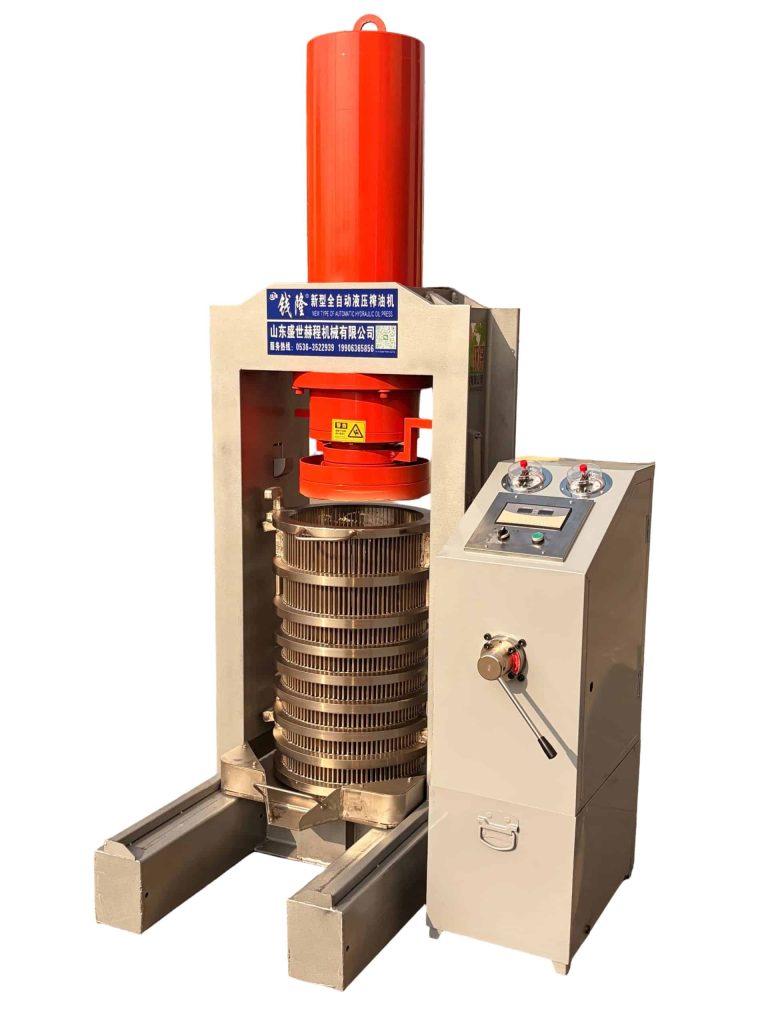
- 370T–630T cold press hydraulic route for premium high-value seed oils
- 325 hydraulic oil press machine for premium sesame batch projects
The right question is not whether the machine is larger. The right question is whether the business model is mature enough to justify it.
What support equipment should be considered at startup stage?
Support equipment should follow the first machine, not lead the buying decision. In many startup cases, only a few additions are truly necessary:
- filtration equipment for cleaner product
- basic pretreatment only if the raw material really requires it
- basic packaging only if bottled sales are part of stage one
The mistake is buying every support section before the first machine route has proved itself commercially.
How to reduce startup risk before placing the order
- Define the first-stage business model clearly
- Separate phase-one demand from future expansion demand
- Ask whether the machine is meant for retail, workshop, or factory logic
- Request recommendations based on raw material and product route, not generic tonnage
- Keep stage-one support equipment limited to what improves first-stage sales
How should a startup think about growth after the first machine?
The first machine should not lock the buyer into the wrong route. A smart startup path usually looks like this: prove demand, improve product quality, add filtration or packaging when commercially justified, then expand toward stronger batch production. This staged logic protects capital while keeping future growth realistic.
When is the first machine “good enough” to buy?
A first machine is good enough when it clearly matches the first-stage product route, can be used profitably without extra sections that are not yet needed, and does not force the startup to depend on future assumptions in order to make sense financially. In other words, the first machine should work even if growth is slower than expected.
FAQ about oil press machines for startup business
Is the cheapest machine always the safest startup choice?
No. The safest startup choice is the machine that matches the actual first-stage business route, not the lowest unit price alone.
Should a startup always begin with a compact machine?
Not always. A startup with a stronger commercial route may need a more serious batch-production machine from the start.
When should a startup choose the 325 route directly?
When the project is already a premium batch sesame route rather than a simple fresh-oil retail experiment.
What is the biggest startup machine-buying mistake?
Buying for a future factory before proving the first commercial route.
The better approach is simpler: choose the first machine according to the first commercial stage, not the future dream factory. The startup route should create revenue, validate the product, and keep expansion open. It should not try to solve every future problem on day one.
Quick answer: what oil press machine is best for a startup business?
| Startup type | Recommended machine route | Why it fits |
|---|---|---|
| Fresh-oil shop or visible retail route | Korean type small hydraulic oil press machine | Compact, easier to operate, and low-risk for customer-facing startup use. |
| Premium batch-production startup | 370T–630T cold press hydraulic route | More suitable when the startup already targets a premium commercial product. |
| Premium sesame startup route | 325 hydraulic oil press machine | Usually the stronger route when the business is already beyond simple retail validation. |
Tell us your startup route before buying the first machine
Send your raw material, business type, target output, and whether the product is fresh oil or bottled oil. We can recommend the right first machine without pushing you into the wrong route.
For shop-based retail, custom pressing, and low-volume startup routes, the Korean type small hydraulic oil press machine is often the better first-stage choice.
Additional Machine Reference
Project planning
Configure the right oil press and production line
Send your oilseed, target output, bottle or packaging requirements, power supply, and destination country. We will match the machine, supporting equipment, and line layout.