Custom material qualification
Define the Sichuan pepper product before discussing a press
“Sichuan pepper oil” can refer to different products and processes. The current page does not publish a material trial proving that dried husk, seed, fresh material, or a ground fraction will produce the required result in a hydraulic press. Start with product definition and sample testing.
Product definition
Do not mix pressing, infusion, and aromatic extraction into one specification
The target product determines whether a hydraulic press is relevant. Ask the buyer to provide the product standard, ingredient declaration, sample, and required analytical or sensory result.
| Target product | Process question | Equipment implication |
|---|---|---|
| Mechanically pressed fraction | Which pepper component contains the target fixed oil, and can it be separated and pressed consistently? | A hydraulic press is only a candidate after sample preparation and recovery are demonstrated. |
| Infused or seasoned edible oil | Is the commercial product produced by contacting pepper with another edible oil rather than pressing the pepper itself? | The project may require controlled heating, mixing, separation, and filtration instead of a standalone oilseed press. |
| Distilled aromatic fraction | Does the specification call for a volatile aromatic product obtained by distillation? | The existing page distinguishes essential-oil distillation from mechanical pressing; do not quote a hydraulic press for a distillation requirement. |
| Food flavor ingredient | What solvent-free or other approved process, concentration, carrier, and food standard are required? | Process selection must follow the buyer’s technical and regulatory specification. |
Qualification sequence
Use evidence to decide whether hydraulic pressing belongs in the process
Sample definition
Husk, seed, fresh material, and ground material require separate trials
Material information
- Botanical and commercial material name
- Region, harvest lot, storage time, and representative sample size
- Husk, seed, whole fruit, fresh material, dried material, or ground fraction
- Moisture, foreign material, bulk density, particle condition, and available composition data
- Food-use status and contamination-control requirement
Product acceptance
- Required product category and intended use
- Oil or extract appearance, aroma, sensory profile, and concentration target
- Required analytical, microbiological, residue, and food-safety methods
- Maximum process or product temperature
- Allowed carrier, filtration, storage, and packaging conditions
Candidate base machine
The Model 325 is a trial platform, not a proven pepper specification
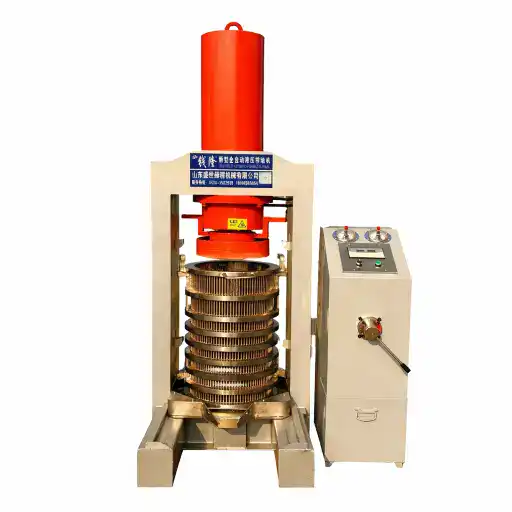
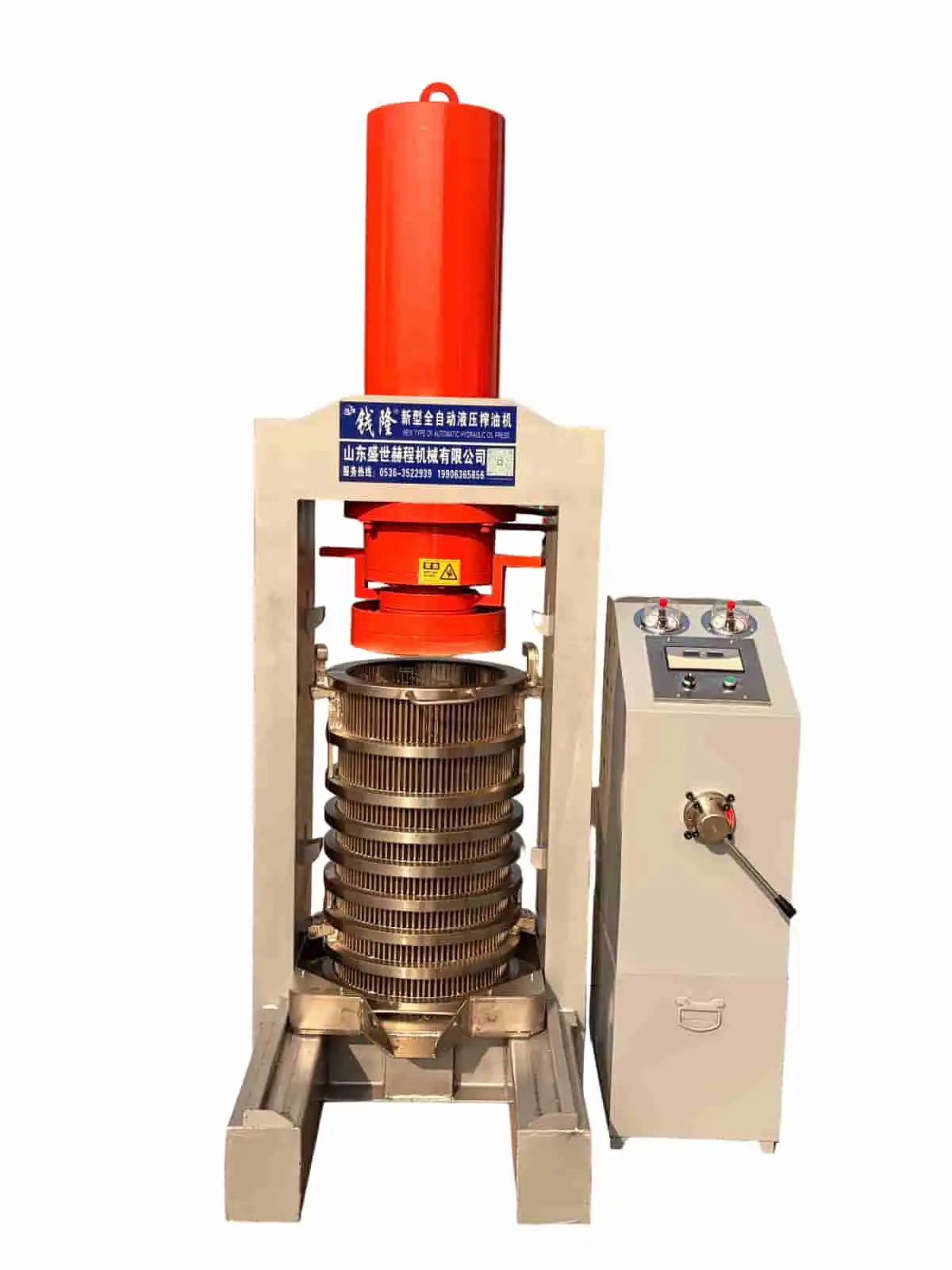
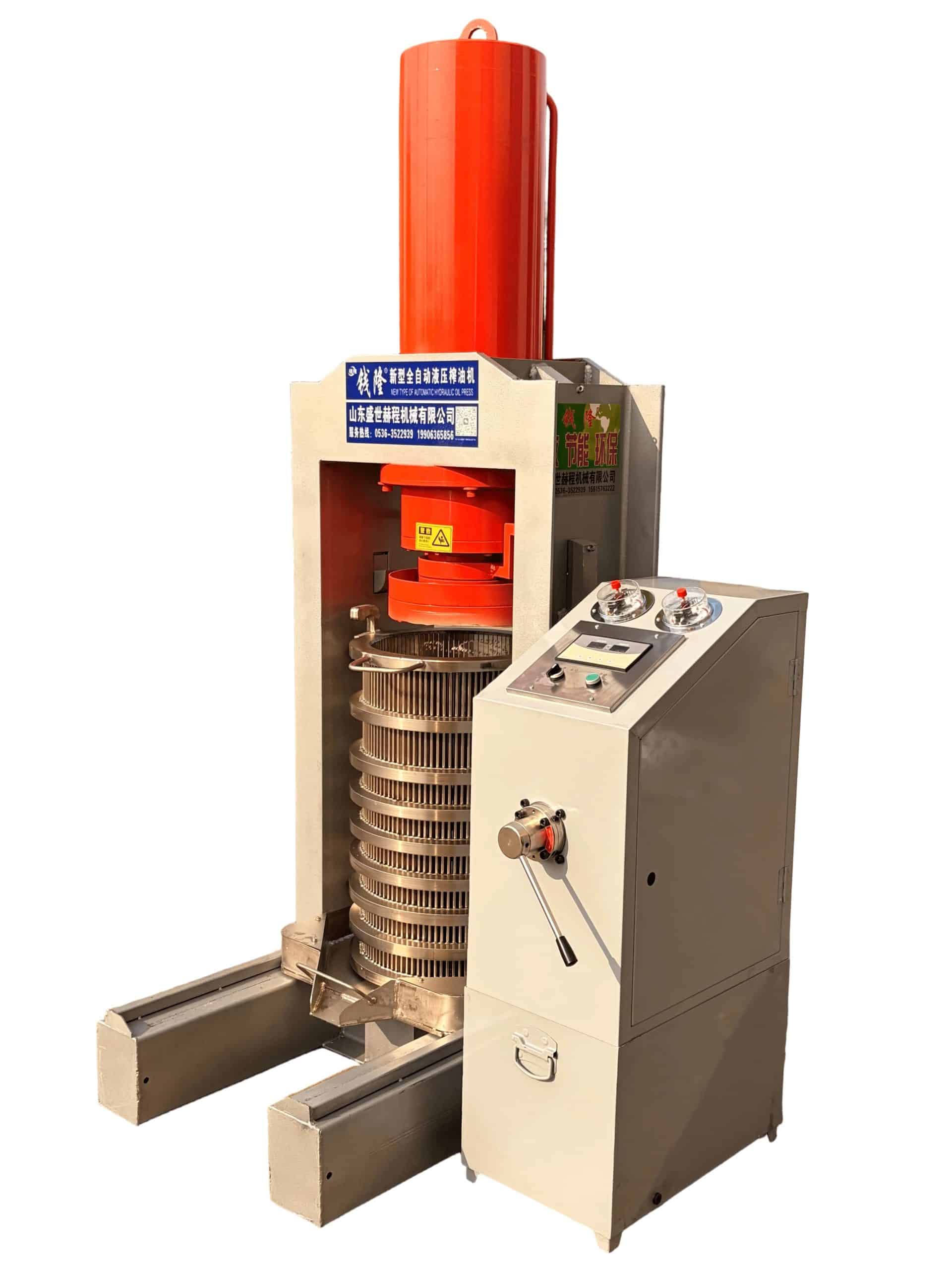
The existing page references the 300 / 325 hot-press family. Its published machine data can describe the base frame and barrel options, but it does not establish a pepper-specific load, temperature, pressure sequence, cycle, recovery, aroma retention, or cake result.
- Run the first test with the actual material fraction
- Record whether crushing, moisture adjustment, or heating is required
- Observe compaction, oil-channel flow, leakage, and cake release
- Measure product temperature and retain test samples
- Consider a changed barrel only after the standard trial is reviewed
Trial evidence
Require a traceable report before approving customization
| Record | Minimum content | Decision |
|---|---|---|
| Material preparation | Lot, moisture, cleaning, separation, crushing, conditioning, sample weights, and losses. | Defines the upstream equipment and repeatable feed. |
| Press configuration | Model, barrel, liner or cloth, partitions, batch weight, pressure sequence, temperatures, and total cycle. | Shows whether the base machine can run the material consistently. |
| Oil or liquid output | Gross collected amount, solids, filter residue, clean sample, and agreed analysis. | Determines whether the pressed product meets the stated product definition. |
| Cake or residue | Weight, shape, release, remaining liquid or oil by agreed method, and safe disposal or use. | Defines discharge, cleaning, and downstream handling. |
| Repeatability | More than one representative batch with consistent preparation and measurement. | Supports or rejects model, barrel, and line-scale selection. |
Unverified source claims removed from the specification
The previous page publishes volatile-oil percentages, named compound content, market claims, regional material differences, unchanged hydraulic settings, and a custom barrel concept without supporting test reports or drawings. Those statements should not be used as procurement guarantees.
General machine reference
The existing video demonstrates the press, not the pepper process
Use this first-party video to review general hydraulic operation and operator access. It does not show a controlled Sichuan pepper material trial or prove a finished-product result.
Quote-ready inquiry
Ask for an application study, not a standard model price
- Exact target product, ingredient declaration, and intended use
- Representative pepper material and preparation description
- Required tests, acceptance limits, and sample-retention plan
- Target input, shifts, operating hours, and future scale
- Maximum temperature and permitted process aids
- Cleaning, allergen, food-contact, and contamination controls
- Utilities, workshop dimensions, downstream filtration and packaging
Customization follows the test
If hydraulic pressing is validated, the final proposal can define the barrel, liners, product-contact surfaces, controls, cleaning, collection, filtration, spares, and line balance. If it is not validated, the project should move to the process that matches the product specification.
Restored original media
Earlier hydraulic pressing field video
This original on-site pressing clip was present on the earlier Sichuan pepper oil application page.
Hydraulic pressing and oil collection
Use the clip as a field reference only; a representative pepper sample still needs to be tested before model selection.
Start with the pepper product standard and a real sample
Send the target product, pepper fraction, source and lot, sample quantity, moisture and composition data, required analysis, process limits, target input, utilities, site scope, packaging, destination, and requested trial report.