
On this page
Introduction
In the coconut oil industry, there are two completely different production methods:
👉 Virgin Coconut Oil (VCO)
👉 Copra Oil
Many buyers confuse these two processes, especially when selecting equipment.
From an engineering and production perspective, these are two fundamentally different systems — not just different machines.
This guide explains:
- The real process differences
- Equipment used in each method
- Which business model is more suitable for you
1. Raw Material Difference
VCO (Virgin Coconut Oil)
- Uses fresh coconut meat
- No drying required
- Processed immediately after preparation
Copra Oil
- Uses dried coconut (copra)
- Requires sun drying or mechanical drying
👉 Key difference:
- VCO = fresh processing
- Copra = dry processing
2. Production Process (Core Difference)
VCO Process
- Coconut dehusking
- Shell removal
- Coconut meat separation
- Crushing / shredding
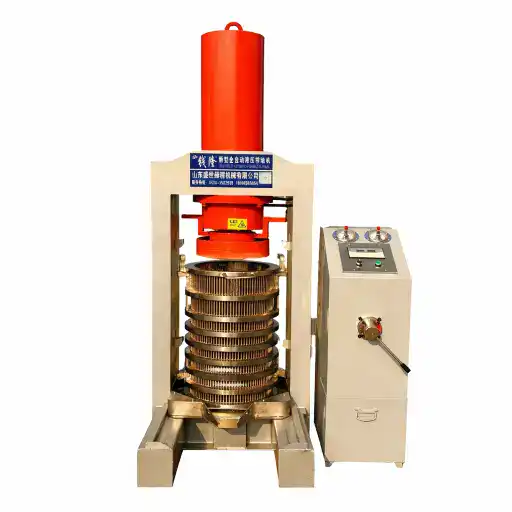
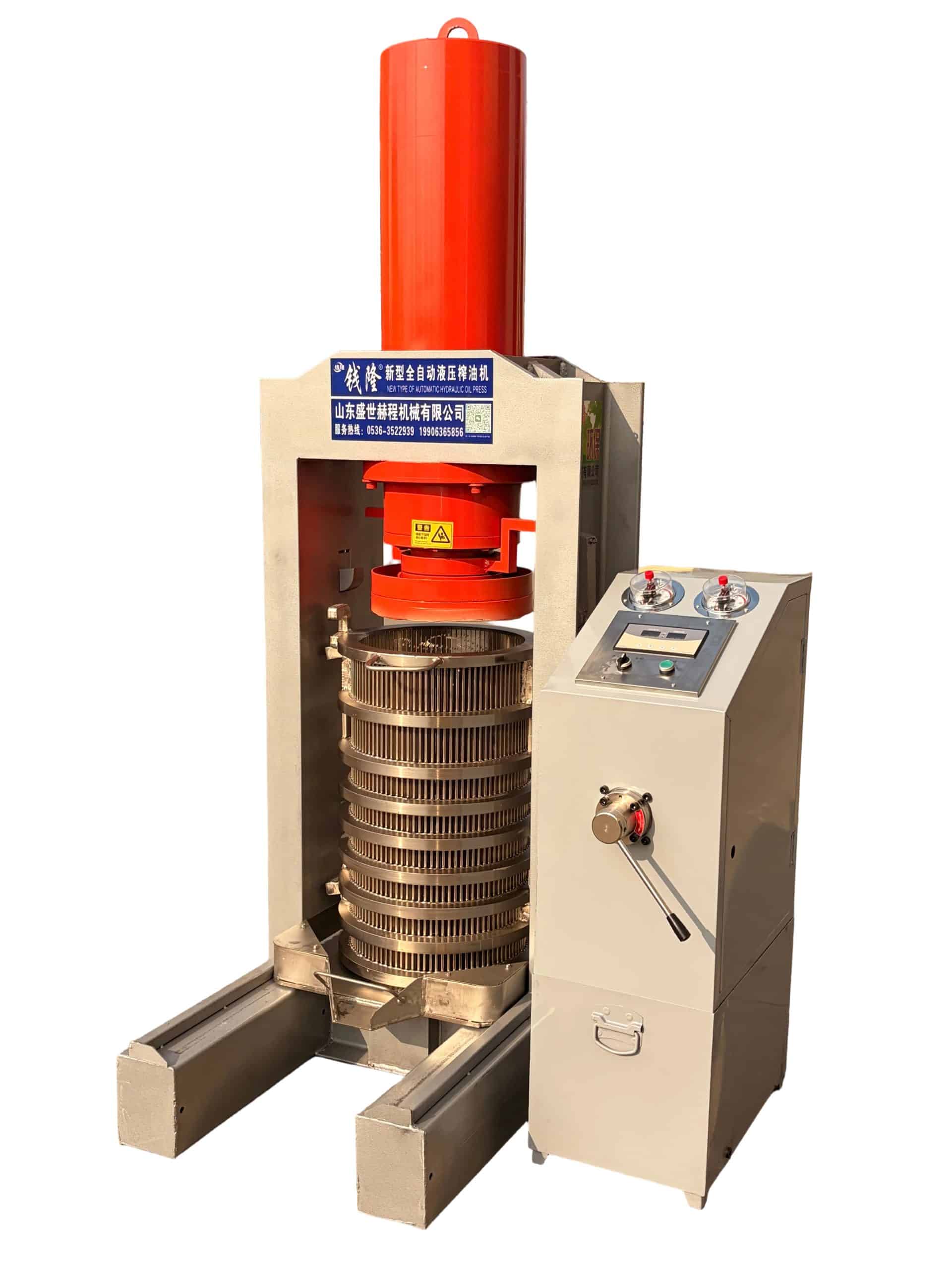
- Coconut milk extraction (hydraulic pressing stage)
- Oil-water separation (fermentation / centrifuge)
- Filtration
👉 Important:
- Oil is obtained after separation, not directly from pressing
Copra Oil Process
- Coconut drying (copra preparation)
- Crushing
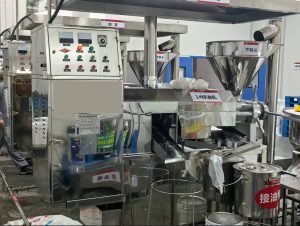
- Direct oil extraction (screw press machine)
- Filtration
👉 Oil is extracted directly by mechanical pressing
3. Machine Comparison
| Process Stage | VCO | Copra Oil |
|---|---|---|
| Extraction Method | Coconut milk extraction | Direct oil pressing |
| Main Machine | Hydraulic press | Screw press |
| Operation Type | Batch | Continuous |
| Temperature | Low | Higher |
👉 Key takeaway:
- Hydraulic press → used for coconut milk extraction
- Screw press → used for direct oil extraction
4. Product Quality Difference
| Factor | VCO | Copra Oil |
|---|---|---|
| Purity | Very high | Medium |
| Color | Clear | Yellowish |
| Aroma | Natural coconut | Strong / heavy |
| Processing | Minimal | More industrial |
👉 VCO is considered a premium product
5. Price & Market Position
| Type | Market Position | Price Level |
|---|---|---|
| VCO | Premium / export | High |
| Copra Oil | Bulk / industrial | Low |
👉 Example (varies by market):
- VCO: high-value product
- Copra oil: commodity oil
6. Production Strategy
VCO Business Model
👉 Focus:
- Quality
- Branding
- Export market
👉 Requires:
- More process control
- More technical understanding
Copra Oil Business Model
👉 Focus:
- Volume
- Efficiency
- Cost control
👉 Requires:
- Stable raw material supply
- Continuous operation
7. Investment Comparison
VCO
- Requires multiple processing steps
- Includes separation system
- Higher initial complexity
Copra Oil
- Simpler process
- Lower system complexity
- Easier to scale
8. Which One Should You Choose?
Choose VCO If:
- You want higher profit margins
- You target export or premium markets
- You have access to fresh coconut
Choose Copra Oil If:
- You focus on bulk production
- You want simpler operation
- You have dried coconut supply
9. Common Misunderstanding (Very Important)
👉 Many suppliers claim:
“Fresh coconut can be directly pressed into oil.”
👉 From an engineering perspective, this is not accurate.
✔ Fresh coconut → coconut milk → oil separation
✔ Dried coconut → direct oil pressing
FAQ
Is VCO produced by direct pressing?
No. Oil is obtained after separating coconut milk.
Which machine is used for VCO?
Hydraulic press is used for coconut milk extraction, not direct oil production.
Which method is more profitable?
VCO has higher profit potential, while copra oil offers higher production volume.
Final Thoughts
VCO and copra oil are not just different products — they represent two different production systems.
👉 Understanding this difference is essential when selecting equipment and planning your business.
Get a Custom Solution
Not sure which process fits your business?
👉 Tell us:
- Raw material condition
- Target market
- Budget
We will recommend the most suitable solution for you.
Project planning
Configure the right oil press and production line
Send your oilseed, target output, bottle or packaging requirements, power supply, and destination country. We will match the machine, supporting equipment, and line layout.