
On this page
- Quick answer: which buyer type really needs a 325 hydraulic oil press machine?
- Why the 325 route is attractive to many buyers
- Which projects usually justify choosing 325 directly?
- When should a buyer NOT choose 325 first?
- Why product positioning matters so much
- How should buyers compare 325 against smaller options?
- What support sections often go together with a 325 route?
- Three typical buyer scenarios
- How should buyers stage the decision?
- When does rejecting 325 become the wrong decision?
- Three common mistakes when deciding on 325
- What should buyers prepare before asking whether 325 is suitable?
- Quick recommendation by buyer type
- FAQ about when to choose a 325 hydraulic oil press machine
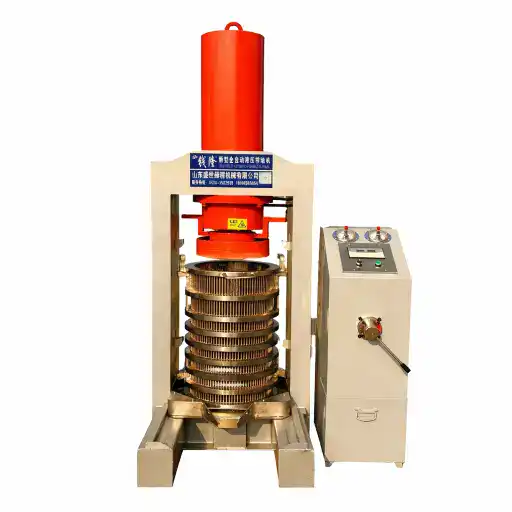
When to choose a 325 hydraulic oil press machine should be answered by buyer type and business stage, not by generic product enthusiasm. The 325 route is a strong commercial recommendation in the right situation, but it is not the automatic answer for every oil-press inquiry. Some buyers truly need a stronger hydraulic route because they are building a more premium, more controlled, or more commercially stable project. Other buyers are still in startup or retail stage and may be better served by a smaller route first.
That is why the right question is not just “is 325 good?” The better question is “which buyer type really needs it now, and which buyer type should wait?” Once this distinction is clear, the recommendation becomes much more honest and much more useful. A machine recommendation that ignores business stage often creates either overselling or under-recommending. Both are bad for conversion and bad for the buyer.
Quick answer: which buyer type really needs a 325 hydraulic oil press machine?
| Buyer type | Choose 325 now? | Why |
|---|---|---|
| Premium sesame oil project | Usually yes | The route often fits better with premium batch production. |
| Branded bottled-oil business | Often yes | Supports stronger premium route logic and cleaner finished-oil planning. |
| Simple fresh-oil retail shop | Usually not first | A smaller route may be more practical at startup stage. |
| Growing small factory with quality focus | Often yes | Helps support a more controlled and commercial route. |
Why the 325 route is attractive to many buyers
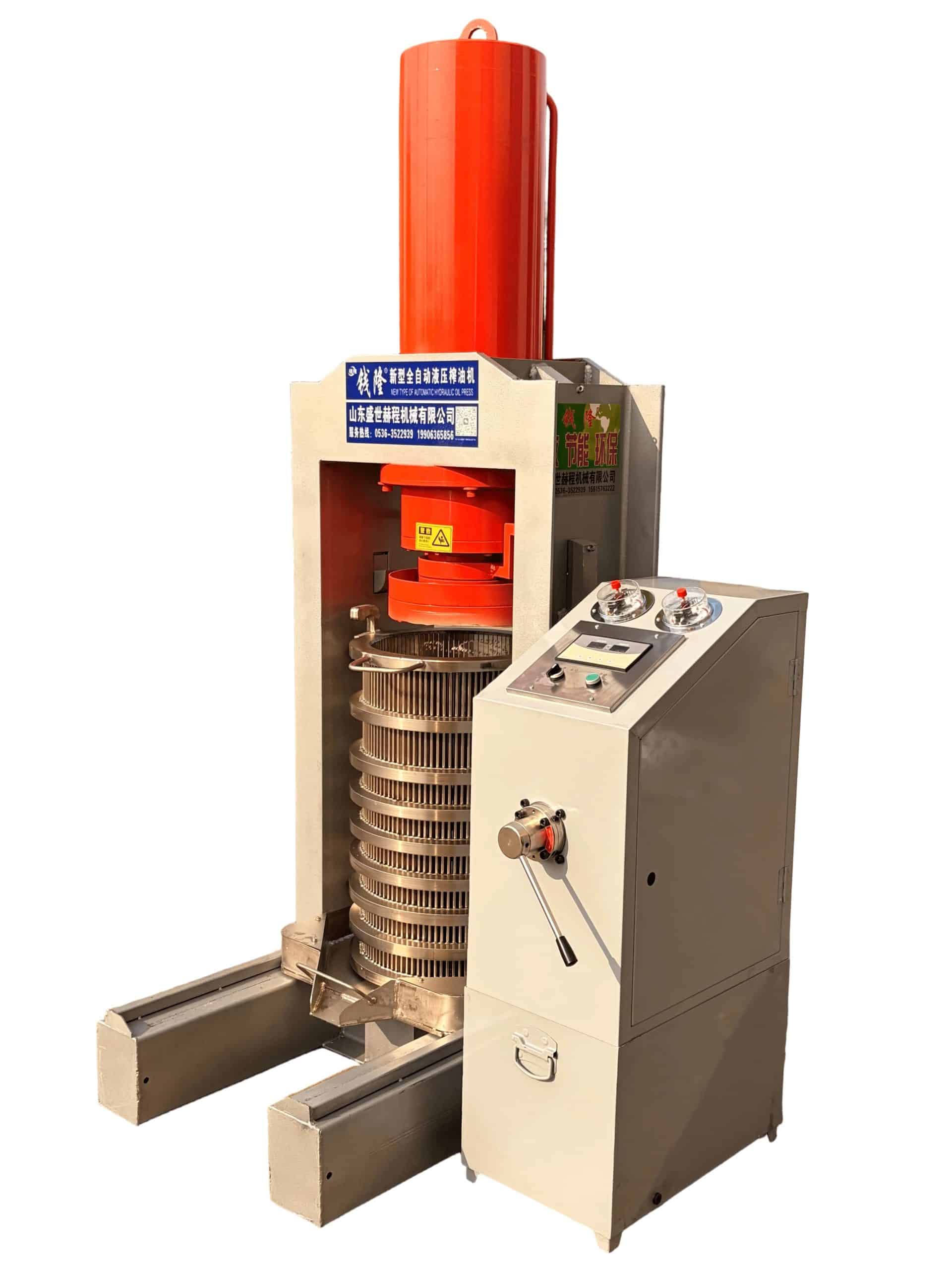
The 325 route attracts buyers because it signals a stronger, more commercial hydraulic solution than very small entry-level routes. For buyers who care about premium output, stronger batch logic, and a route that supports product positioning, that is often exactly why it makes sense. But the same strength can become unnecessary cost when the buyer is still operating at a much smaller or lighter business stage.
This is why the 325 route should be evaluated as a business-fit decision. It is strong when it matches the route goal. It is inefficient when it is chosen only because it sounds more advanced. The best recommendation is not the one with the biggest machine name. It is the one that helps the buyer move toward the right commercial route with the least mismatch.
Which projects usually justify choosing 325 directly?
- premium sesame oil projects
- premium batch edible-oil production
- bottled-oil businesses with stronger product-positioning goals
- small factories building a more controlled commercial route
These projects often need more than a minimal startup route, so the 325 recommendation becomes much easier to justify. In these cases, choosing too small can create a route that looks cheaper first but becomes weaker than the business model requires.
When should a buyer NOT choose 325 first?
- when the project is still testing a simple retail model
- when the buyer mainly needs a lower-cost first machine
- when product positioning is not premium and route complexity is still low
- when the current business stage does not yet need the stronger route
In these situations, the 325 route may still be useful later, but it should not be forced as the first answer. A startup retail project does not become better simply because the recommendation sounds more advanced.
Why product positioning matters so much
If the buyer is selling a more premium product, the equipment route should support that premium claim. If the buyer is selling a simpler retail product or only validating the market, a smaller route can often be more practical. This is why the same machine recommendation cannot be copied across all buyer types. Product positioning changes the correct answer.
Put simply, the machine route should match the promise being made to the market. If the buyer is promising premium quality, premium presentation, or more serious batch production, the route should be strong enough to support that. If the buyer is not yet making that promise, the recommendation may need to stay lighter.
How should buyers compare 325 against smaller options?
The right comparison is not only machine size. It is route fit. If the buyer needs stronger product presentation, more controlled premium batches, or a more commercial packaged-oil route, the 325 route often has stronger justification. If the buyer only needs the simplest working startup route, a smaller option may fit better at the first stage.
In other words, the real comparison is not “bigger versus smaller.” It is “better commercial fit versus lower first-stage burden.” Buyers should therefore ask which route helps the current business succeed, not which route sounds more impressive.
What support sections often go together with a 325 route?
- filtration
- process support for more stable batch logic
- packaging sections when the route is tied to bottled-oil sales
This is why choosing 325 is often part of choosing a stronger route, not only choosing a machine body. If the buyer is already moving toward a more complete commercial product route, the machine should be judged together with the support logic around it.
Three typical buyer scenarios
Scenario 1: premium sesame oil buyer wants a more serious batch route. 325 is often the direct recommendation because the product and route logic already justify it.
Scenario 2: fresh-oil retail startup asks whether 325 is better. The answer may still be no at stage one if the project mainly needs a lighter entry route.
Scenario 3: small factory is upgrading from a weaker route to improve quality and premium positioning. 325 may become more reasonable because the business is moving beyond startup logic.
These scenarios matter because they show that the same machine can be exactly right for one buyer and unnecessary for another. Good recommendation depends on this distinction.
How should buyers stage the decision?
Stage 1: define whether the business is retail, premium batch, bottled oil, or quality-focused factory production.
Stage 2: decide whether the current route must already support stronger product credibility and commercial stability.
Stage 3: choose 325 when the stronger route solves the current business need, not only future imagination.
This decision sequence helps buyers avoid treating 325 as either mandatory for all or wrong for all. It turns the recommendation into a business decision instead of a machine preference argument.
When does rejecting 325 become the wrong decision?
Rejecting 325 becomes the wrong decision when the buyer is clearly building a premium batch route, a branded bottled-oil route, or a higher-quality small-factory route that already needs stronger process credibility. In that situation, avoiding 325 only because the first quotation is higher can cause underbuilding. The buyer may then need to correct the route later at a higher total cost.
Three common mistakes when deciding on 325
| Mistake | Result | Better approach |
|---|---|---|
| Choosing 325 only because it sounds more advanced | The route may be stronger than the business needs | Match the route to the buyer type |
| Rejecting 325 only because the first quote is higher | The buyer may underbuild for a premium project | Compare business fit, not only first-stage number |
| Using one recommendation for all inquiries | Retail and premium projects get mixed together | Separate buyer types clearly |
What should buyers prepare before asking whether 325 is suitable?
- raw material type
- target output
- whether the business is premium batch, bottled oil, or simple retail
- whether filtration and packaging are part of the project
- country, voltage, and installation conditions
- what the buyer wants to improve most: product quality, brand positioning, or basic startup ability
These points usually make the answer much more practical than simply comparing one machine quote to another. Once they are clear, the recommendation can move from generic preference to route-level logic.
Quick recommendation by buyer type
Premium sesame oil buyer: 325 is often the clearest direct recommendation.
Branded bottled-oil buyer: 325 is often appropriate when the project already needs a more commercial route.
Retail startup buyer: do not assume 325 is the first answer if the current model is still very light.
Small factory upgrading quality: 325 often becomes more reasonable when stronger process logic is needed.
FAQ about when to choose a 325 hydraulic oil press machine
Is 325 always better than a smaller route?
No. It is better only when the buyer’s business model and product goals actually need the stronger route.
Which buyer type most clearly needs 325?
Premium sesame oil projects and stronger premium batch projects are often the clearest examples.
Can a startup still begin with something smaller?
Yes. Many startup or retail projects should begin with a lighter route if the business is not yet at premium commercial stage.
Why is 325 often linked to premium positioning?
Because it usually fits projects that need more controlled and more commercially credible production logic.
What is the biggest mistake in 325 selection?
Treating it as the automatic answer for every buyer instead of checking whether the buyer type truly needs it.
What should I send for a practical recommendation?
Send your raw material, output target, business model, and whether your route is premium, retail, or packaged-oil focused.
Tell us your project details to see whether 325 fits
Send your raw material, target output, and whether the project is premium batch, bottled oil, or simple retail. We can tell you whether a 325 hydraulic oil press machine really fits your business stage.
Project planning
Configure the right oil press and production line
Send your oilseed, target output, bottle or packaging requirements, power supply, and destination country. We will match the machine, supporting equipment, and line layout.