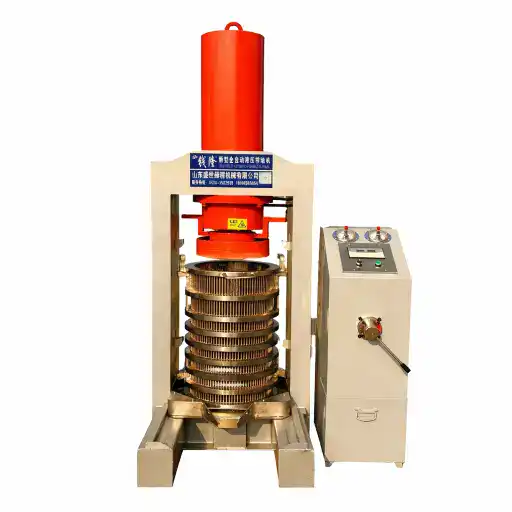

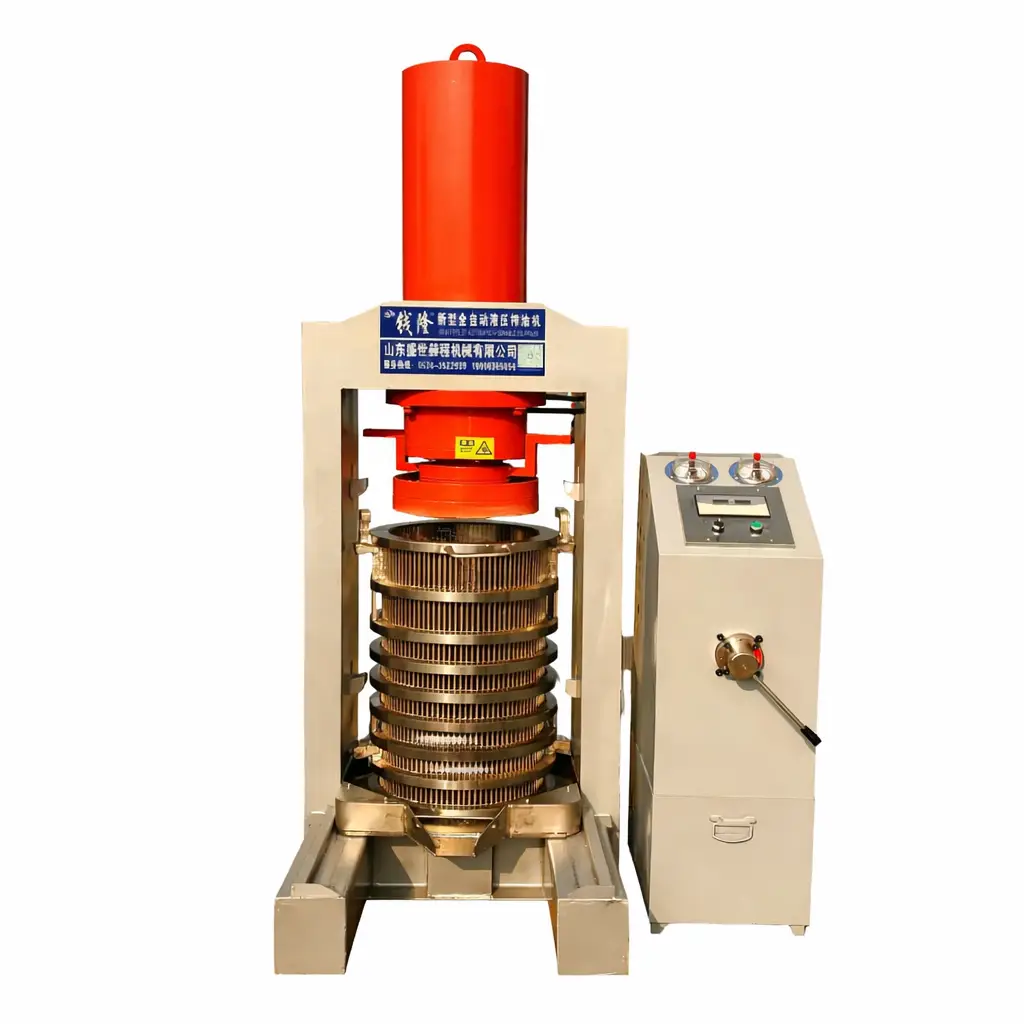
Most buyers do not actually choose the wrong oil press because of pressure tonnage. They choose the wrong machine because they confuse batch size, cycle time and daily output. A hydraulic oil press is a batch system, so the right model depends on what seed you process, how many cycles you can run per hour, whether you use pre-pressing, and what production target you need to hit every day. This buyer guide explains how to compare real working capacity instead of brochure numbers, and how to decide whether a smaller retail model, a 325 hydraulic press or a larger cold press setup is the better investment.
How to Choose Oil Press Capacity
(Batch Size & Model Selection Guide)
Choosing the right oil press capacity is one of the most important decisions when building an oil production line.
Many buyers focus only on “machine tonnage” or “model number”, but in real production, the key factors are:
- Batch size (kg per pressing)
- Pressing method (hot or cold)
- Raw material type
- Daily production target
- Budget and space
This guide explains how to select the correct hydraulic oil press capacity from a real factory engineering perspective.
Step 1: Understand Batch Capacity vs Daily Output
Hydraulic oil presses work in batch mode, not continuous mode.
So real capacity is:
Batch size × Pressing cycles per hour × Working hours per day
Example:
- 60 kg per batch
- 2 cycles per hour
- 8 hours per day
Real daily output ≈ 960 kg raw material/day
This is very different from screw presses that show “kg/hour”.
Step 2: Know the Real Batch Sizes (Factory Reality)
Standard Barrels
| Barrel Type | Inner Diameter | Typical Batch |
|---|---|---|
| Small barrel | 300mm | 30–60 kg |
| Standard barrel | 390mm | 60–100 kg (with pre-press) |
Important factory truth:
- 100kg is theoretical maximum
- Most customers operate at 60kg real working load
- Pre-pressing is needed to reach 100kg
Step 3: Match Capacity with Machine Models
Hydraulic Models and Practical Use
| Model | Structural Level | Typical Use |
|---|---|---|
| 300 / 325 | Medium-duty | Hot press, small cold press |
| 355 / 380 | Heavy-duty | Cold press main models |
| 400 / 426 | Industrial | Large cold press |
| 480 / 500 | Industrial max | Continuous cold pressing |
All models use:
- 2.2kW motor
- Same hydraulic system
- Same standard 390mm barrel
The difference is frame strength and pressure stability.
Step 4: Hot Press vs Cold Press Capacity Logic
Hot Press (Lower Load)
Hot pressing:
- Raw material is heated externally
- Oil flows faster
- Lower pressure required
- Shorter cycle time (30–40 min)
Best suited models:
300 / 325
Cold Press (Higher Load)
Cold pressing:
- No heating
- Higher pressure
- Longer cycle (about 2 hours)
- Higher mechanical stress
Best suited models:
355 – 500
Step 5: Budget Solution for Cold Press
Some customers want cold press but have limited budget.
A practical industrial solution:
Use 300 / 325 model + 300mm small barrel
Typical setup:
| Model | Barrel | Cold Press Batch |
|---|---|---|
| 300 / 325 | 300mm | 30–60 kg |
This solution is widely used by:
- Small oil mills
- Startup factories
- Test production lines
It allows cold pressing at much lower investment cost.
Step 6: Match Capacity with Raw Materials
Common Hot + Cold Materials (Flexible)
- Peanut
- Soybean
- Sesame
- Rapeseed
- Sunflower seed
- Flaxseed
- Perilla seed
- Cotton seed
- Grape seed
High-Pressure Cold Materials (Heavy Duty)
- Walnut
- Almond
- Cashew
- Hazelnut
- Peach kernel
- Hemp seed
- Wheat germ
- Sea buckthorn
These are recommended for 355–500 models.
Step 7: Simple Capacity Selection Formula
You can use this simple rule:
Small workshop
- Daily target: < 1 ton
- Model: 300 / 325
Medium factory
- Daily target: 1–3 tons
- Model: 355 / 380
Industrial production
- Daily target: 3–5 tons
- Model: 400 – 500
Final Industrial Advice (Very Important)
The real logic is not:
“Which model has higher tonnage?”
But:
Which structural level can handle your real production stress long-term.
Small models = cost-effective
Large models = stable industrial solution
Correct capacity selection means:
- No frame deformation
- Stable pressure
- Higher oil yield
- Longer machine lifespan
- Lower maintenance cost
GET IN TOUCH
Schedule a Visit
FAQ
How do I calculate the real capacity of a hydraulic oil press?
Use this formula: real daily capacity = batch load × cycles per hour × working hours per day. For example, if your machine handles 60 kg per batch, runs 2 cycles per hour and works 8 hours, your practical raw material handling capacity is about 960 kg per day. This is the number buyers should compare, not only the model number or pressure tonnage.
Is a bigger barrel always the better choice?
No. A bigger barrel only helps if your raw material preparation, heating, loading and unloading workflow can keep the press running efficiently. Many buyers choose a larger model but then run underloaded batches, which hurts both efficiency and return on investment.
What is the best hydraulic oil press size for a small business?
For small retail or premium bottled oil sales, the best choice is usually the model that matches your real batch demand rather than the maximum theoretical output. Small sesame and nut projects often fit smaller batch routes, while commercial workshops commonly move to a 325 hydraulic press when they need larger stable batches.
How is hydraulic press capacity different from screw press capacity?
A hydraulic press works in batches, while a screw press works continuously. That means hydraulic buyers should compare kg per batch, cycle time and daily shift output. Screw press buyers usually compare kg per hour. Mixing these two logics causes many wrong purchasing decisions.
Recommended Related Pages
- Hydraulic oil press machine for cold pressing
- Oil Press Machine – Hydraulic & Screw Solutions for Every Oil Seed
- Hydraulic Oil Press vs Screw Press: Capacity, Efficiency and Real Production Comparison
- How to Compare Oil Press Machine and Production Line Budget
Need help matching output target to the right oil press model?
Send us your raw material, target daily capacity, hot or cold pressing method, and available workshop space. We can suggest a practical machine route instead of a generic brochure recommendation.