
On this page
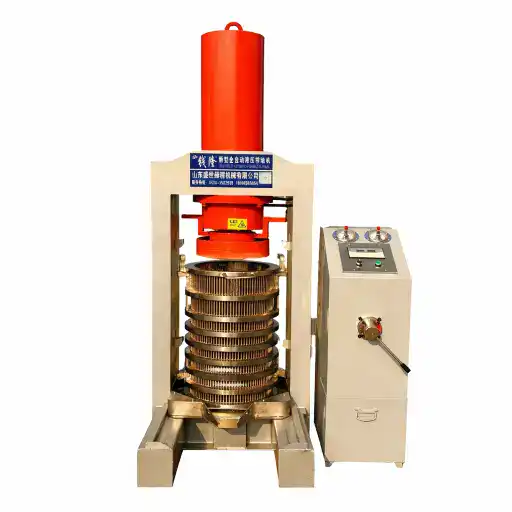
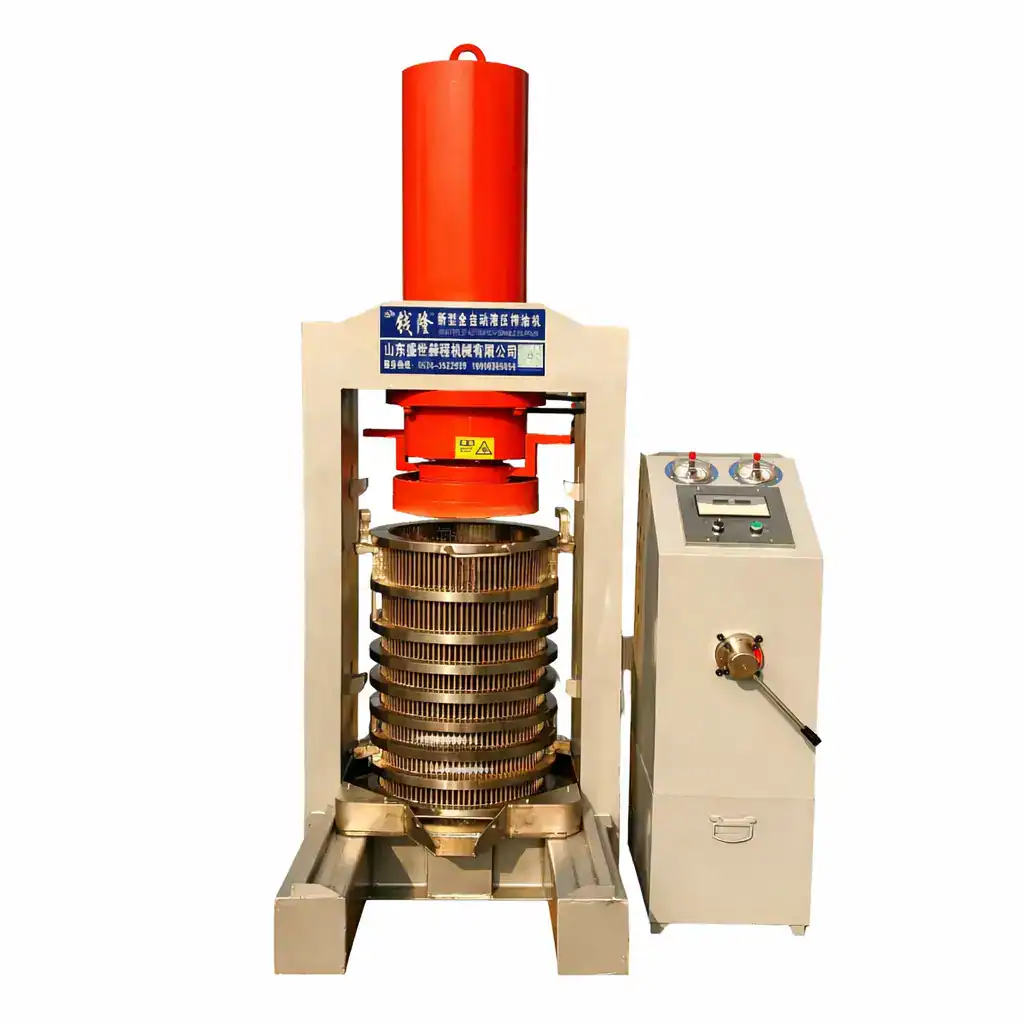
Hydraulic oil press machines are widely used for extracting oil from seeds and nuts such as sesame, peanut, soybean, rapeseed, sunflower seed, almond, and walnut. Compared with screw presses, hydraulic oil presses work in batch mode and use high hydraulic pressure to obtain high-quality oil with better flavor and higher nutritional value.
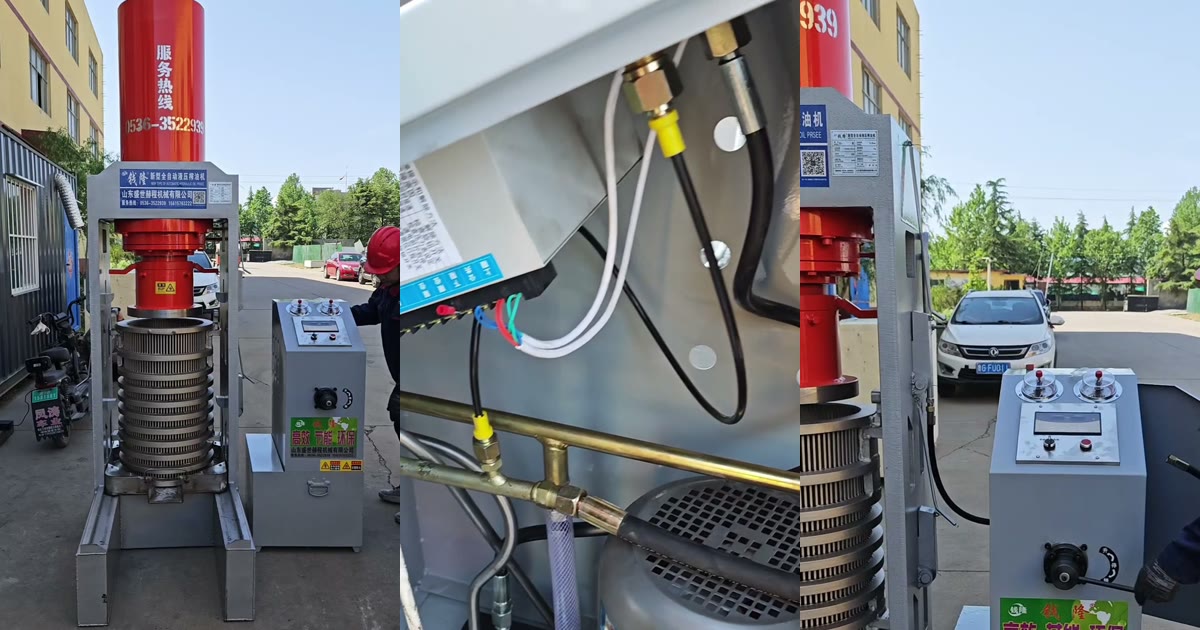
This guide explains the real industrial operating process based on actual factory experience.
Step 1: Prepare Raw Materials
Before pressing, raw materials must be properly prepared:
1. Cleaning
Remove stones, dust, metal, and impurities to avoid damaging the press chamber.
2. Drying or Roasting
Depending on oil type:
| Oil Type | Process |
|---|---|
| Sesame | Light roasting |
| Peanut | Roasting |
| Soybean | Usually hot pressing |
| Rapeseed | Hot pressing |
| Almond / Walnut | Cold pressing |
Hot pressing improves oil yield.
Cold pressing keeps more nutrients and aroma.
Step 2: Choose the Right Press Barrel
Hydraulic presses usually use two standard barrel sizes:
Standard Barrel
- Inner diameter: 390 mm
- Height: 800 mm
- Theoretical capacity: 100 kg per batch
- Real working capacity: 60 kg per batch (most customers)
100 kg is the extreme limit and requires pre-compression.
Small Barrel (for Sesame)
- Inner diameter: 300 mm
- Capacity: 30 kg per batch
- No pre-compression required
This 30 kg barrel is especially popular for sesame oil and small oil mills.
Step 3: Pre-Compression (Important for Large Batches)
Pre-compression is used when loading close to maximum capacity.
Purpose:
- Compress raw materials
- Reduce air gaps
- Allow more material into the barrel
Without pre-compression, 100 kg loading is almost impossible.
In real production:
Most customers load about 60 kg and start pressing directly.
Step 4: Set the Working Pressure
All hydraulic oil presses have similar pressure design:
| Parameter | Value |
|---|---|
| Rated pressure | 60 MPa |
| Recommended low pressure | 55 MPa |
| Recommended high pressure | 60 MPa |
Operating below 60 MPa:
- More stable
- Less wear on seals
- Longer hydraulic system lifespan
Step 5: Start Pressing
Once pressure is applied, oil will flow out naturally from the barrel.
Typical pressing time:
| Mode | Time |
|---|---|
| Hot pressing | 30–40 minutes |
| Cold pressing | About 2 hours |
Cold pressing takes longer because:
- Lower temperature
- Lower oil fluidity
- Higher viscosity
Step 6: Oil Filtration
Fresh oil contains:
- Fine cake particles
- Impurities
Use:
- Plate filter
- Vacuum oil filter
After filtration, oil becomes:
- Clear
- Bright
- Ready for filling
Step 7: Cake Discharge
After pressing:
- Release pressure
- Open barrel
- Remove oil cake
Oil cake can be used for:
- Animal feed
- Fertilizer
- Further extraction
Typical Production Capacity
For a standard hydraulic press:
| Barrel | Per Batch | Time | Hourly Output |
|---|---|---|---|
| Small barrel | 30 kg | 30–40 min | ~45–60 kg/h |
| Standard barrel | 60 kg | 30–40 min | ~90–120 kg/h |
| Max limit | 100 kg | With pre-compression | ~150 kg/h |
(Cold pressing output is about 50–60% of hot pressing)
When Is Hydraulic Oil Press the Best Choice?
Hydraulic presses are ideal for:
- High-value oils
- Small oil mills
- Organic / cold pressed oil brands
- Lab and R&D oil extraction
- Boutique edible oil production
Not ideal for:
- Large industrial continuous production
- Very low-cost commodity oil
Summary
Hydraulic oil press machines are designed for quality-first oil production, not mass quantity.
Key practical points from real operation:
- 100 kg is theoretical maximum, 60 kg is real working capacity
- Sesame uses 30 kg barrel
- Working pressure: 55–60 MPa
- Hot press: 30–40 min
- Cold press: ~2 hours
This is why hydraulic presses are widely used in premium edible oil factories worldwide.
Project planning
Configure the right oil press and production line
Send your oilseed, target output, bottle or packaging requirements, power supply, and destination country. We will match the machine, supporting equipment, and line layout.