
On this page
H1: Hydraulic Oil Press Maintenance & Daily Operation Guide
Proper maintenance and correct daily operation are essential for ensuring stable performance, long service life, and safe production of a hydraulic oil press machine.
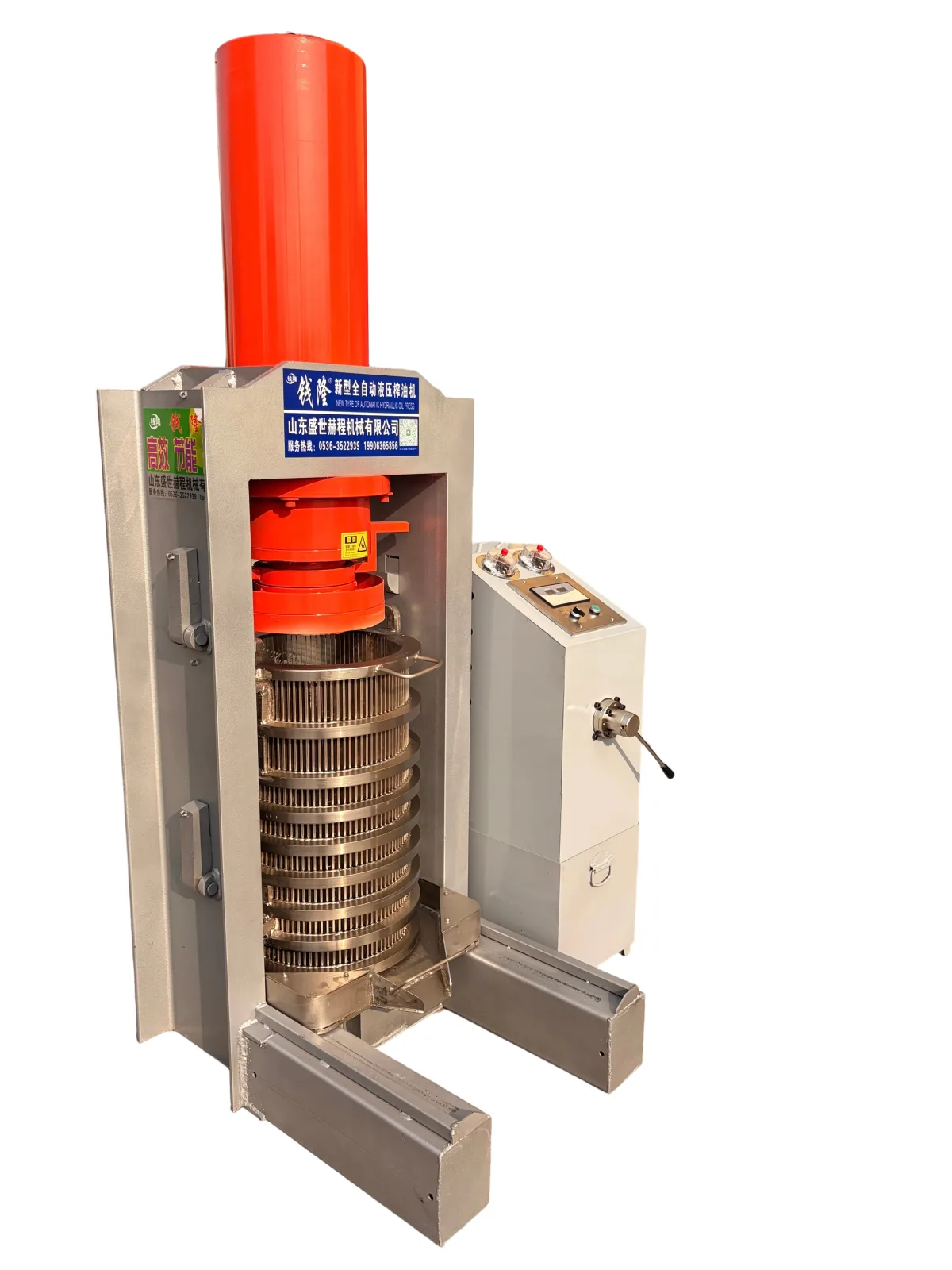
Unlike screw oil press machines, hydraulic oil presses do not use bolts for pressing. The entire pressing force is generated by the hydraulic cylinder, which means correct operation and oil system maintenance are the real keys to machine lifespan.
This guide is based on real factory experience and practical usage.
H2: Daily Operation Procedure
1. Check Before Starting
Before each operation, check the following:
- Hydraulic oil level in the oil tank
- Power supply and voltage stability
- Whether hydraulic hoses and joints are normal
- Whether the pressing barrel is clean
Note:
Hydraulic oil press machines do not have mechanical bolts in the pressing structure, so there is no need to adjust or tighten bolts before operation.
2. Material Loading
Load raw materials evenly into the pressing barrel.
For real production:
- Do not load unevenly
- For a standard 390mm barrel, recommended loading is about: 60kg – 100kg per batch
- The actual optimal loading depends on material type and whether pre-pressing is used
Overloading will not increase output significantly and may reduce pressing efficiency.
3. Pressure Setting
Most hydraulic oil presses have a rated pressure of 60MPa.
Recommended practical setting:
- Low pressure: 55MPa
- High pressure: 60MPa
This setting provides stable oil yield while protecting the hydraulic system.
4. Pressing Process
During pressing:
- Observe the pressure gauge
- Check oil flow condition
- Ensure there is no abnormal noise
Cold press usually takes about 2 hours per batch.
Hot press usually takes about 30–40 minutes per batch.
5. After Pressing
After each batch:
- Release pressure slowly
- Remove oil cake carefully
- Clean the pressing barrel
Never release pressure suddenly.
H2: Hydraulic Oil Maintenance
Hydraulic oil is the core of the entire system.
Oil Replacement Cycle
Under normal conditions:
- Replace hydraulic oil every 6–12 months
- In heavy daily use environments: every 6 months
Recommended Oil Type
- 46# anti-wear hydraulic oil
- Keep oil clean and free from impurities
Dirty oil is the main cause of:
- Valve malfunction
- Pressure instability
- Pump wear
H2: Key Maintenance Points
1. Hydraulic Pump
- Check for abnormal sound
- Check for oil leakage
- Keep working temperature stable
2. Hydraulic Cylinder
- Regularly inspect sealing rings
- Replace seals if oil leakage occurs
3. Electrical System
- Keep control panel dry
- Avoid oil or water entering electrical parts
- Ensure proper grounding
H2: About Continuous Operation and Heat
In real production:
Hydraulic oil press machines do not easily overheat.
However, practical recommendation:
- After several continuous batches, it is better to let the machine run idle or rest briefly.
This is not because the machine will overheat,
but to:
- Reduce long-term pressure stress
- Extend hydraulic oil service life
- Improve overall system stability
This is a preventive maintenance habit, not a technical limitation.
H2: Common Operation Mistakes
| Mistake | Real Risk |
|---|---|
| Uneven material loading | Lower oil yield |
| Using dirty hydraulic oil | Valve blockage |
| Sudden pressure release | Seal damage |
| Long-term maximum pressure | Faster component wear |
| No oil replacement | Pump lifespan reduction |
H2: Safety Recommendations
Hydraulic oil presses work under extremely high pressure.
- Never put hands into pressing barrel
- Do not stand directly above the cylinder
- Wear protective gloves
- Stop the machine if abnormal sound appears
H2: FAQ
Does a hydraulic oil press have bolts?
No.
Hydraulic oil presses do not use mechanical bolts for pressing.
All pressing force comes from the hydraulic cylinder.
What is the real capacity of a 390mm barrel?
In real production, recommended loading is:
60kg – 100kg per batch, depending on material and process.
Will the machine overheat during long operation?
Normally no.
Hydraulic oil press machines are designed for continuous work.
Short resting after several batches is only a preventive maintenance practice.
Project planning
Configure the right oil press and production line
Send your oilseed, target output, bottle or packaging requirements, power supply, and destination country. We will match the machine, supporting equipment, and line layout.