Oil press machine route finder
Choose the extraction route from the material and finished oil
“Oil press machine” covers different batch, continuous, fruit-processing, and recovery applications. Identify the raw material, preparation state, product requirement, work schedule, and downstream scope before comparing hydraulic pressure, screw size, or model capacity.
Machine families
Three questions narrow the field quickly
Is the prepared feed suitable for batch compression, does the process require continuous conveying and pressing, or is the raw material part of a dedicated fruit or specialty process? The answer determines which equipment family deserves detailed review.
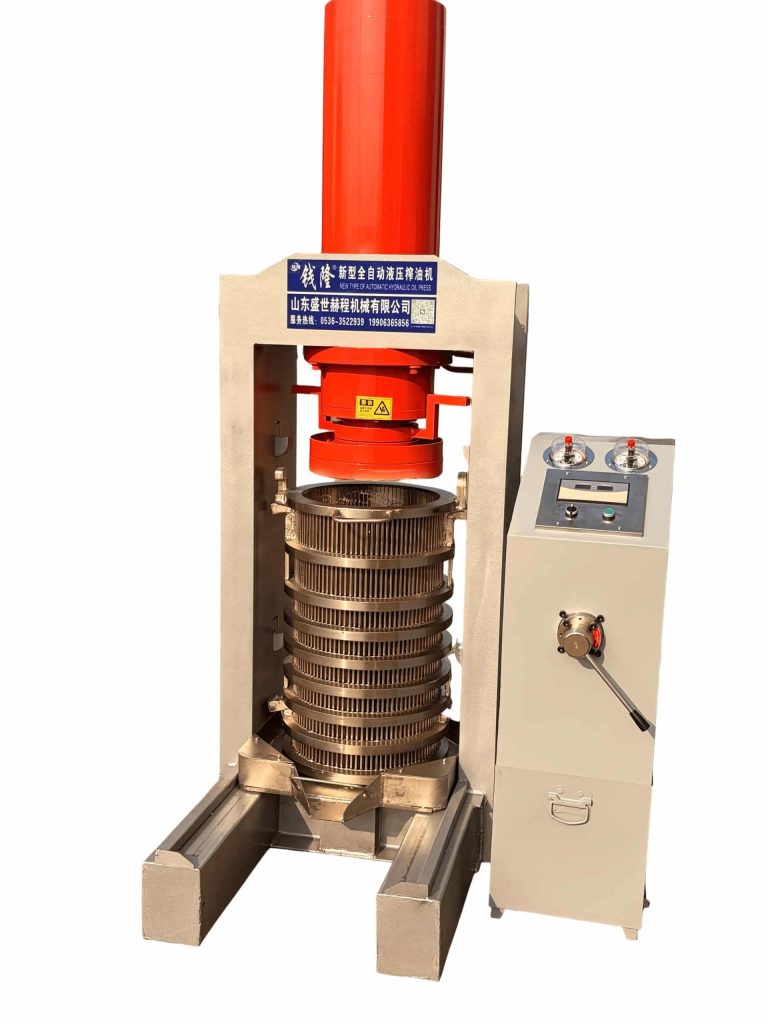
Batch compression
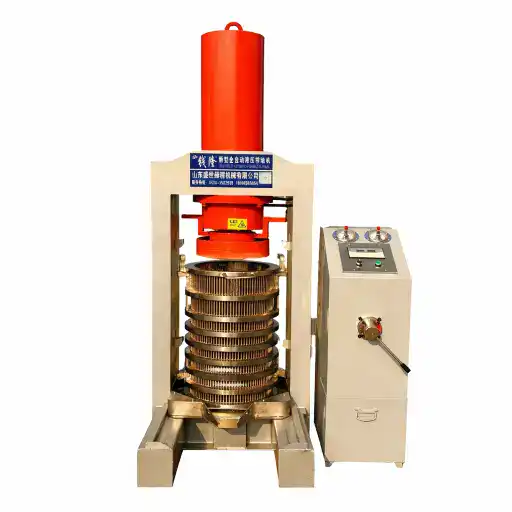
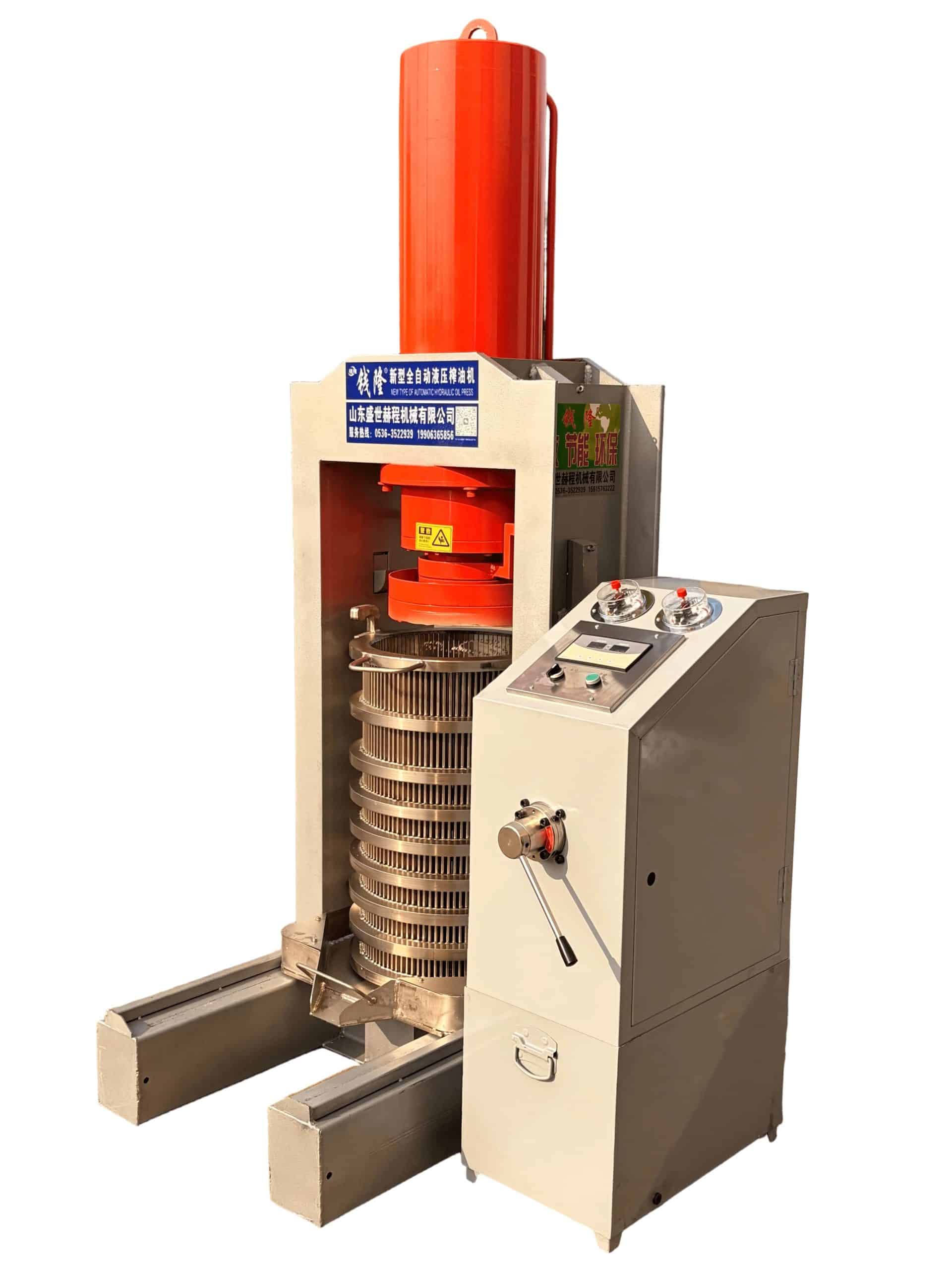
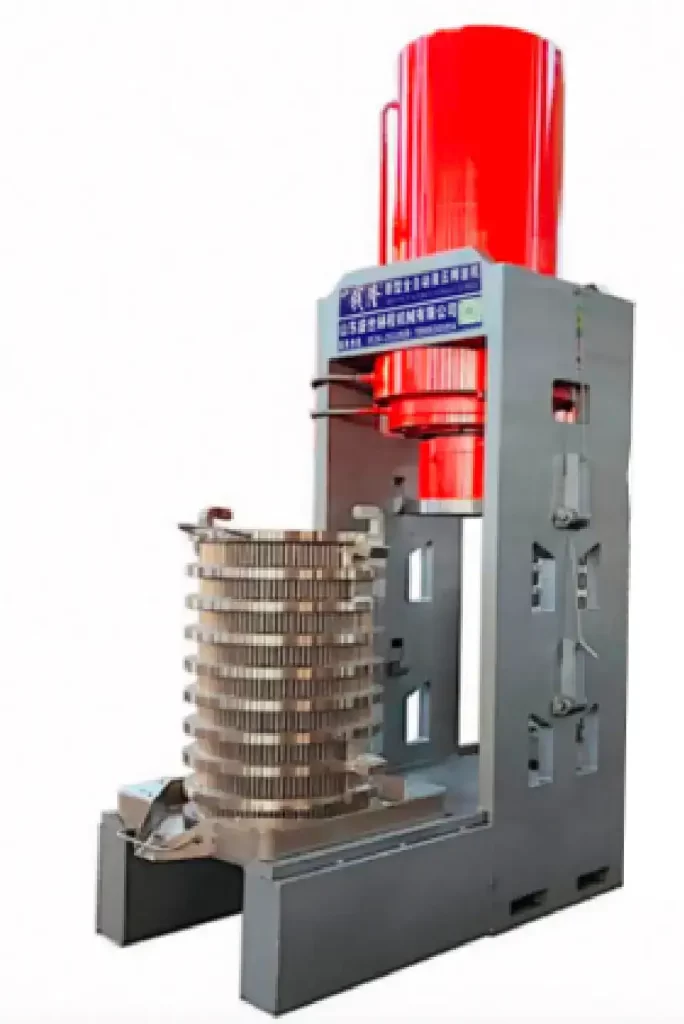
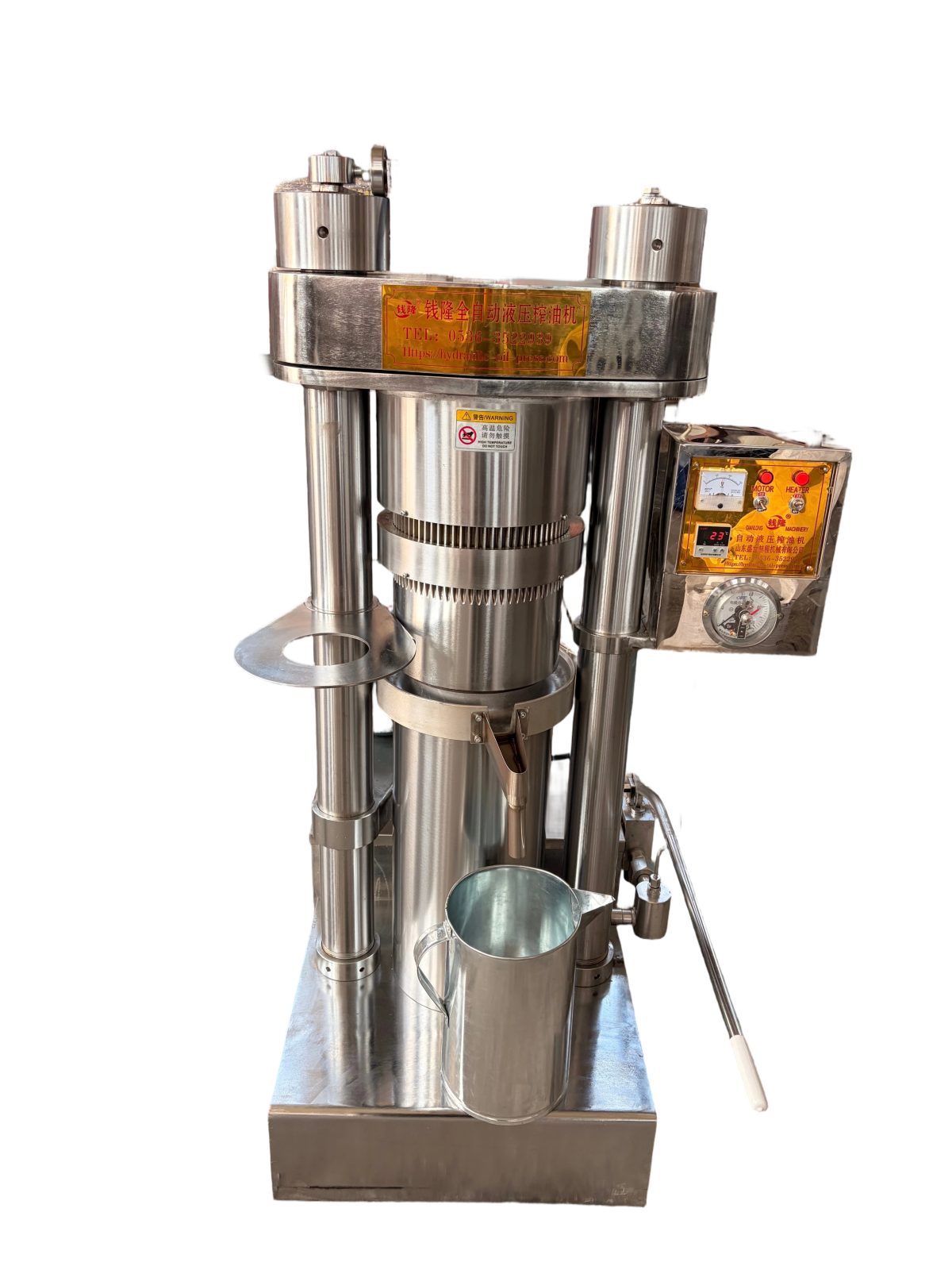
Hydraulic oil press
Prepared material is loaded into a barrel, compressed through a hydraulic cycle, and removed as cake. Compare hot-press, cold-press, and compact configurations by oilseed and batch plan.
Open the hydraulic machine guide →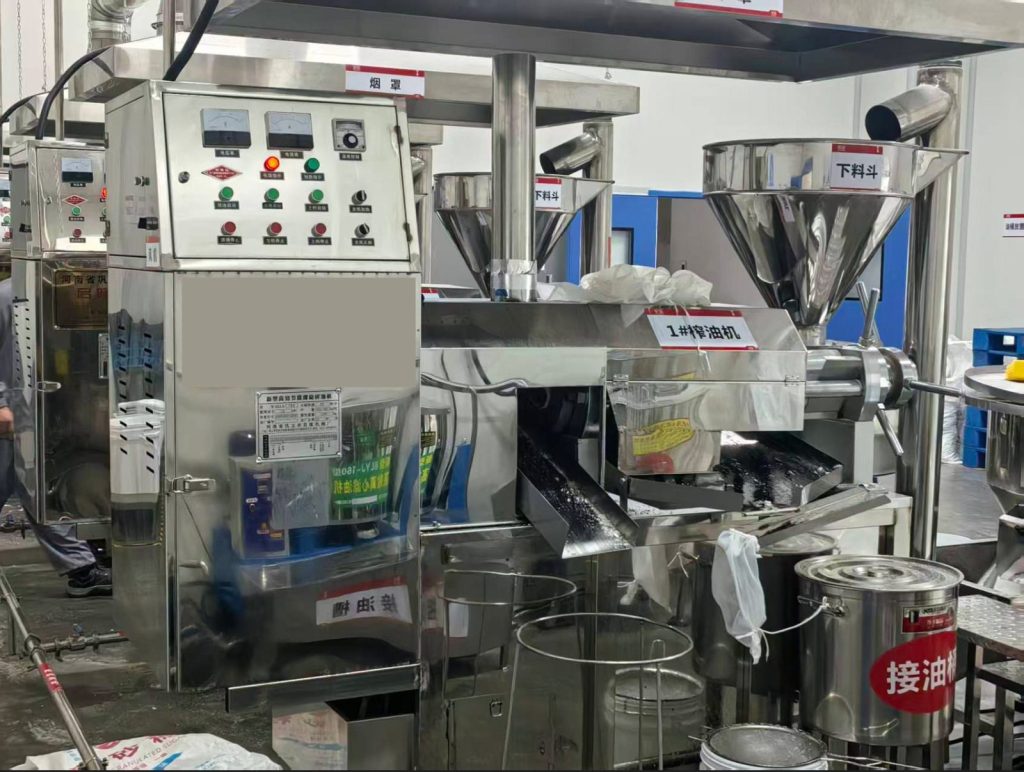
Continuous conveying and compression
Screw-press route
A rotating screw moves and compresses feed continuously. Suitability depends on the prepared material, throughput, temperature, residual-oil target, wear parts, and downstream clarification.
Compare screw and hydraulic presses →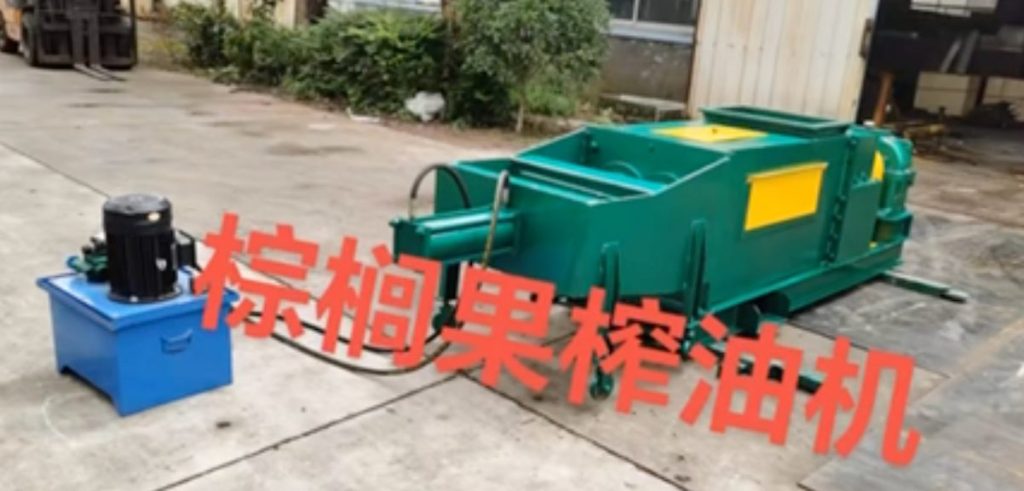
Material-specific process
Fruit and specialty oil line
Palm fruit, coconut material, avocado, cocoa, and recovery residues require their own preparation and separation logic. Do not choose the press from the word “oil” alone.
Browse production lines →Hydraulic machine directory
Choose a batch-press family by process and operating scale
The figures below summarize the current first-party product pages. Press volume is not finished-oil output, and material-specific performance must be confirmed under documented preparation and cycle conditions.
| Route | Current model family | Published reference | Use the detailed page to confirm |
|---|---|---|---|
| Prepared hot pressing | Models 300 / 325 | 300 / 325 ton down pressure; 5-100 kg with 390 mm barrel or 5-60 kg with 300 mm barrel | Specifications, cycles, components, and source-unit notes |
| Hydraulic cold pressing | Models 355 / 400 / 426 / 480 / 500 | 370-630 ton down pressure; the same two published barrel-volume ranges | Force, barrel, dimensions, weight, and material conditions |
| Compact shop batches | KHOP-10KG / 15KG / 20KG | Named 10, 15, and 20 kg batch classes | Material suitability, utilities, shop layout, and model-page conflicts |
Oilseed route finder
Open the process page for the actual raw material
Preparation can include cleaning, shelling, size reduction, drying, conditioning, or roasting. The dedicated line page is the safer starting point than a universal compatibility list.
Complete production section
The press connects preparation to oil finishing
The actual equipment list changes by raw material and finished product, but the project must account for every handoff around the extraction machine.
Edible-oil applications
Keep food production requirements visible
- Define food-contact materials and cleanability for the supplied scope.
- Separate raw material, crude oil, clarified oil, and finished-product handling.
- Confirm filtration or refining against the required finished-oil specification.
- Plan batch identity, storage, filling, labeling, and local food compliance.
Non-food and recovery projects
Treat residues as separate engineering work
The site also documents oil sludge and spent bleaching earth recovery. These materials require their own composition, contamination, safety, cleaning, discharge, and downstream-use review; an edible-oil machine description should not be copied into the project.
Supporting equipment
Complete the route around the extraction machine
Quotation inputs
Send enough detail to choose a machine family
- Raw material, variety, form, condition, and representative sample
- Required oil, cake or residue condition, and product destination
- Target input or output, working hours, shifts, and cleaning schedule
- Available preparation, filtration, storage, and packaging equipment
- Workshop, utilities, voltage, destination, and installation boundary
Oil press machine inquiry
Use the form for a structured request. Add raw-material photos, process details, or workshop files through the contact channels when needed.
Source limitation
The previous page presented broad extraction, durability, food-safety, and hydraulic-versus-screw advantages without common test conditions. It also reduced palm and coconut selection to one universal rule. This hub replaces those claims with material-specific routes and directs model performance questions to the published product pages.
Process and preparation guides
Continue from the machine overview to the working process
These pages cover extraction sequence, material choice, and a child preparation page.
Start with the raw material, not a machine label
Send the feed condition, finished-product target, work schedule, site, utilities, and line boundary for a relevant hydraulic, screw, or material-specific process recommendation.