
On this page
- What Does 30kg Actually Mean?
- Oil Output Depends on Oilseed Type
- Batch Cycle Matters as Much as Batch Size
- Sesame Oil Example
- What Affects Real Oil Yield?
- How to Estimate Daily Output
- Why Buyers Often Overestimate Capacity
- When 30kg Is a Good Commercial Choice
- Related Video and Product Reference
- FAQ
- Need Help Calculating Real Output?
- Related Capacity and Selection Guides
How much oil can a 30kg hydraulic oil press produce? This is one of the most common questions from sesame oil buyers and small commercial investors. The short answer is that real output depends on oilseed type, process method and full batch cycle, not only on the 30 kg loading figure.
A 30 kg hydraulic oil press usually means the raw material loading capacity per batch. It does not mean 30 kg of oil output. Real oil production depends on oil content, preparation quality, pressing time and unloading efficiency.
This guide explains how to estimate real capacity more accurately so buyers can avoid unrealistic expectations.
What Does 30kg Actually Mean?
In most cases, 30 kg refers to the amount of prepared material that can be loaded into the pressing chamber per batch. For example, some sesame-oriented systems use 30 kg loading because it matches the pressing behavior of sesame more effectively.
So the 30 kg figure is about input material, not final oil volume.
Oil Output Depends on Oilseed Type
Different raw materials produce very different results. Sesame, peanut, soybean, flaxseed and walnut all behave differently in oil extraction. Oil content, moisture condition, roasting effect and pressing behavior all change the final output.
- Sesame may be optimized for aromatic hot pressing
- Peanut often follows a different process rhythm
- Flaxseed and premium oils may focus more on cold press quality
Batch Cycle Matters as Much as Batch Size
Real production is about how many complete batches can be finished in a working shift. A batch cycle includes material loading, pressing time, pressure holding, unloading and preparation for the next batch.
If the cycle is slow, a machine with a reasonable chamber size can still deliver disappointing daily output. That is why experienced buyers study both batch size and turnover time.
Sesame Oil Example
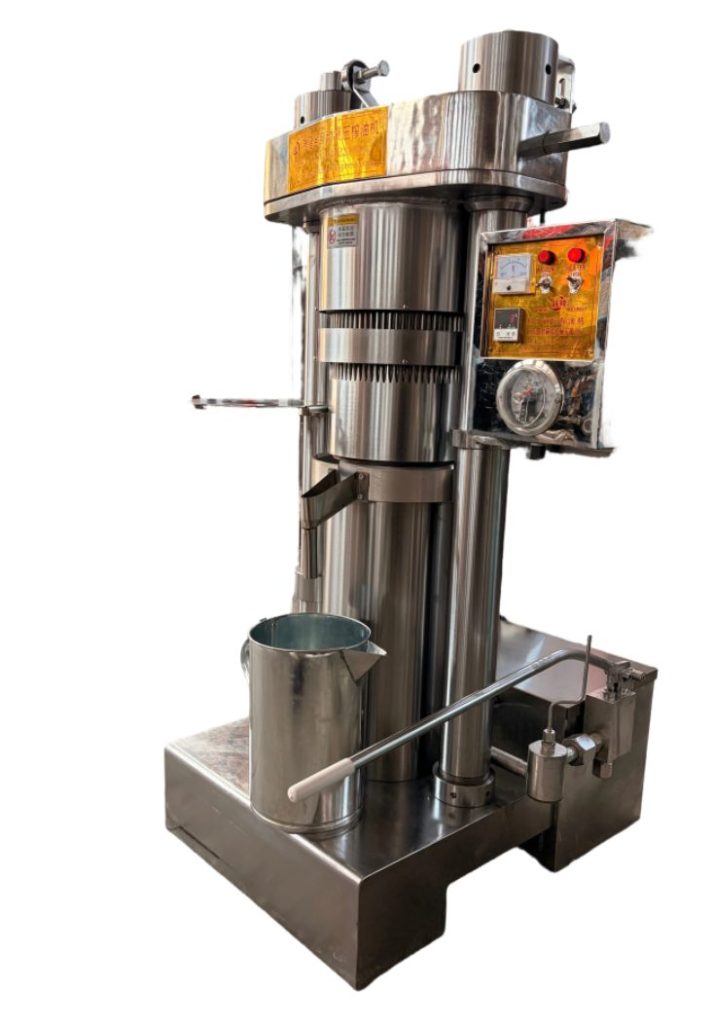
For sesame oil, especially hot pressing systems, a 30 kg loading arrangement can be practical because sesame often needs careful feeding and controlled pressing. In these projects, machine design may prioritize oil quality and stable rhythm instead of exaggerated chamber claims.
This is especially relevant for buyers targeting premium aromatic sesame oil markets.
What Affects Real Oil Yield?
- Raw material oil content
- Roasting or steaming condition
- Moisture before pressing
- Particle size after crushing
- Hydraulic pressure stability
- Operator skill
- Filtering and handling loss
How to Estimate Daily Output
Use this logic:
- Confirm raw material type.
- Estimate oil yield range for that material.
- Measure realistic batch cycle time.
- Multiply by the number of batches per shift.
- Subtract standard process losses.
This gives a much more useful capacity estimate than simply asking for kilograms per hour.
Why Buyers Often Overestimate Capacity
Many buyers assume a larger chamber automatically means higher real output. In reality, loading difficulty, cake unloading time, upstream roasting coordination and operator rhythm may all reduce daily production.
That is why some projects need not only the press itself, but also stronger workflow planning and supporting equipment.
When 30kg Is a Good Commercial Choice
A 30 kg hydraulic oil press can be a practical choice for small commercial production, especially in sesame oil projects or in quality-focused businesses. It is often a strong middle point for buyers who want more than a mini shop machine but do not yet need a large industrial line.
Related Video and Product Reference
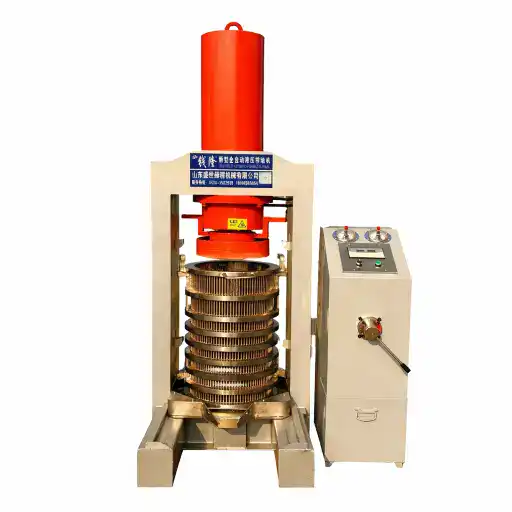
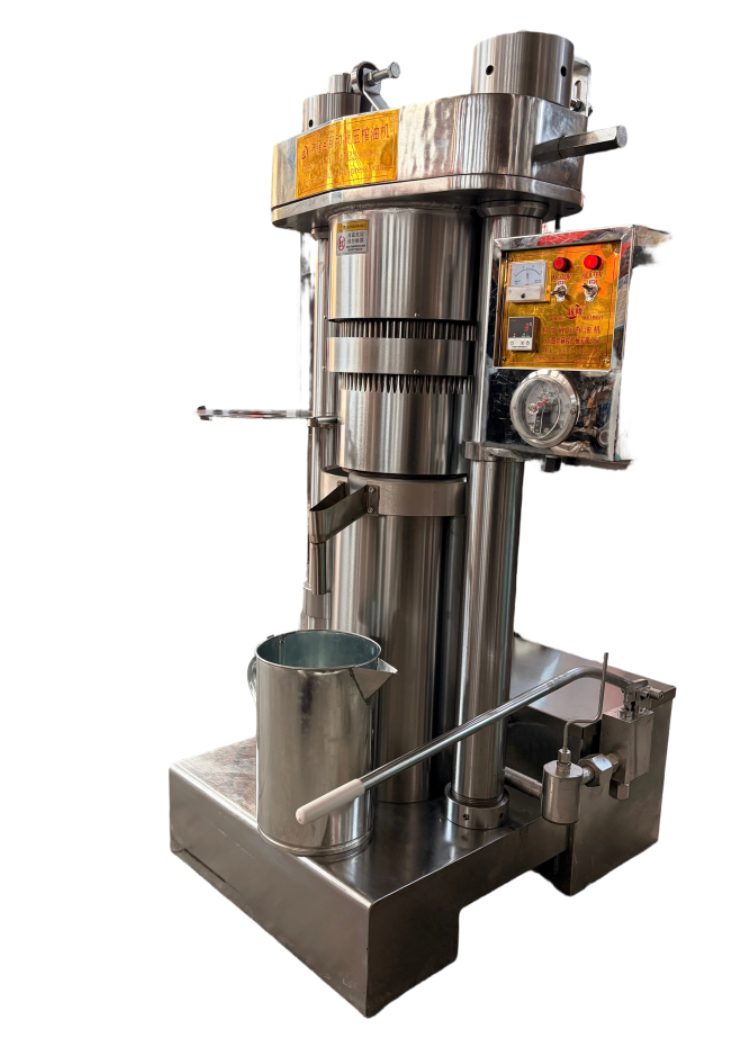
Below is a related product and workflow reference to help buyers better visualize actual capacity and machine operation.
FAQ
Does 30kg mean 30kg of oil output?
No. It normally means 30 kg of raw material loading capacity per batch.
Can the same 30kg machine produce the same oil output for every material?
No. Oil output changes according to oilseed type, oil content and process conditions.
Is a 30kg hydraulic oil press enough for commercial use?
Yes, for some small and medium projects it can be very practical, especially when matched to the correct raw material and process design.
How can I estimate daily oil output more accurately?
Calculate based on material type, batch cycle, expected yield range and working hours, not chamber size alone.
Need Help Calculating Real Output?
If you tell us your material, target output and whether you use hot pressing or cold pressing, we can help estimate how much oil a 30kg hydraulic oil press can realistically produce for your project.
Related Capacity and Selection Guides
Project planning
Configure the right oil press and production line
Send your oilseed, target output, bottle or packaging requirements, power supply, and destination country. We will match the machine, supporting equipment, and line layout.