
On this page
- 1. Seed Cleaning & Quality (Impact: +2-4% yield)
- 2. Seed Preheating (Hot Press Only) (Impact: +3-6% yield)
- 3. Optimal Pressing Pressure (Impact: +1-3% yield)
- 4. Cake Thickness & Barrel Packing (Impact: +1-2% yield)
- 5. Pressing Temperature Control (Cold Press) (Impact: +1-2% yield)
- Bonus: Equipment Maintenance
- Typical Yield by Oilseed (Hydraulic Press, Optimized)
- Summary: The 1-2-3 Rule
Oil yield — the percentage of oil extracted from your oilseed — is the most critical factor in edible oil production profitability. Even a 1–3% increase in oil yield can significantly improve your bottom line.
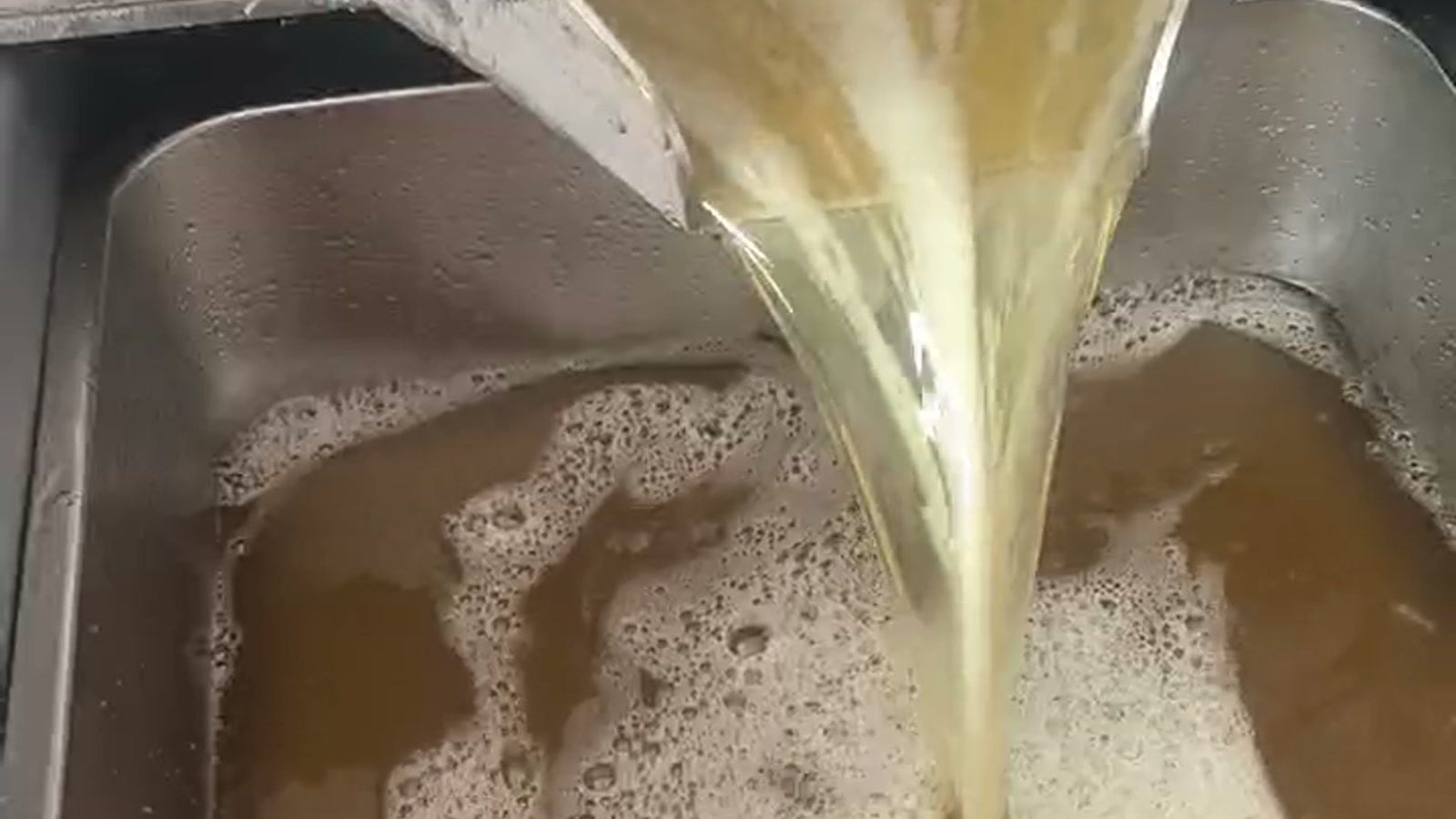
For example: if you’re processing 1 ton of sesame seed per day, a 2% yield improvement = 20 kg more oil. At ¥20/liter, that’s ¥400 extra revenue per day, or ¥120,000 per year.
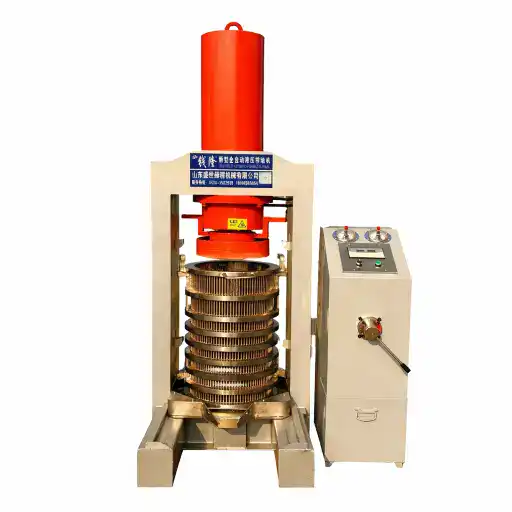
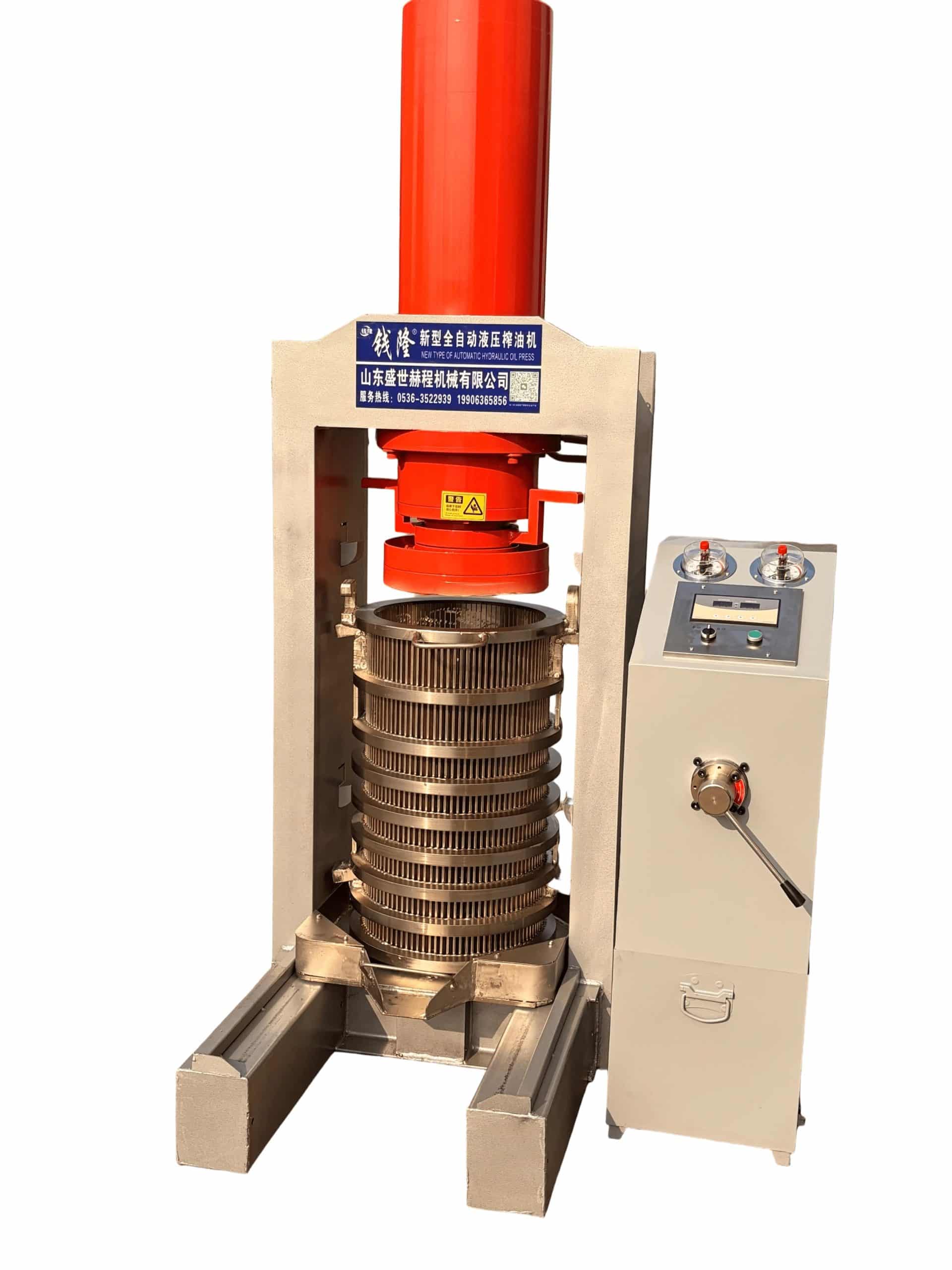
Hydraulic oil presses already extract 2-5% more oil than screw presses from the same seed batch. But even with a hydraulic press, yield varies based on how you operate it. This guide covers the five most impactful factors you can control.
1. Seed Cleaning & Quality (Impact: +2-4% yield)
Why it matters: Impurities (sand, dirt, stems, broken shells) take up space in the press barrel and absorb oil. They don’t contribute oil but dilute the effective pressing area.
What to do:
- Screen out debris — Use a vibrating screen or destoner to remove stones, metal, and large impurities before pressing. Target: <0.5% impurity rate.
- Remove broken seeds & dust — Dust and seed fragments have lower oil content and increase cake thickness (reducing pressure transmission). Use an aspirator or air classifier.
- Check moisture — Oilseeds with too much moisture (>8-10%) produce slimy cake that clogs perforations and reduces oil flow. Dry seeds to 6-8% moisture if needed.
Typical yield gain: Sesame: 45% → 47% (cleaned vs uncleaned)
2. Seed Preheating (Hot Press Only) (Impact: +3-6% yield)
Why it matters: Heating oilseed before pressing reduces oil viscosity and breaks down cell walls, making oil flow more easily. This only applies if you’re doing hot pressing (120-150°C). Skip this step for cold-pressed oil.
What to do:
- Use a roasting drum or steamer — Heat seed to 120-130°C for peanut/sesame, 100-110°C for rapeseed.
- Control heating time — Under-heating = low yield. Over-heating = burnt smell + nutrient loss. Target: 15-25 minutes at stable temperature.
- Stir continuously — Uneven heating creates hot spots (burnt seeds) and cold spots (low yield). Drum roasters with paddles give the most uniform heat.
Hot press yield gain: Peanut: 42% → 48% (hot vs cold press, same seed)
Trade-off: Hot pressing increases yield but reduces oil quality (darker color, toasted flavor, lower vitamin E). Cold pressing preserves nutrients but yields 3-6% less oil. Choose based on your market.
3. Optimal Pressing Pressure (Impact: +1-3% yield)
Why it matters: Too low = oil left in cake. Too high = cake cracks (oil escapes with fragments) or barrel deforms.
Hydraulic presses let you control pressure precisely. Screw presses generate pressure through friction (less controllable).
What to do:
- Match pressure to oilseed type:
– High-oil seeds (sesame, peanut): 400-500 bar (40-50 MPa)
– Medium-oil seeds (rapeseed, sunflower): 500-600 bar
– Low-oil seeds (soybean): 600-700 bar
- Apply pressure gradually — Rapid compression cracks the cake before oil has time to flow. Hydraulic presses automatically ramp pressure over 3-5 minutes.
- Hold pressure at peak — After reaching maximum pressure, hold for 2-3 minutes to allow residual oil to drain. Many operators release pressure too early, leaving 1-2% yield on the table.
Yield gain: Rapeseed: 38% → 40% (optimized pressure profile vs default settings)
4. Cake Thickness & Barrel Packing (Impact: +1-2% yield)
Why it matters: If you pack too much seed into the press barrel, the cake is too thick — pressure doesn’t transmit evenly to the center, leaving oil trapped. If you pack too little, you waste press cycles (low throughput).
What to do:
- Follow manufacturer’s recommended fill weight — For a 30 kg capacity barrel, don’t exceed 30 kg. Overfilling doesn’t increase output; it reduces yield.
- Use the right barrel size for your seed batch — Pressing 10 kg in a 50 kg barrel wastes energy and gives uneven pressure. Match barrel size to typical batch size.
- Check cake residual oil — After pressing, the cake should have 6-8% residual oil (for high-oil seeds). If it’s >10%, you’re under-pressing. If it’s <5%, you're over-pressing (diminishing returns — the last 2% of oil costs more energy than it's worth).
How to test: Break open a pressed cake. The center should be dry and crumbly, not oily. If the center is darker/wetter than the edges, your cake is too thick or pressure is too low.
5. Pressing Temperature Control (Cold Press) (Impact: +1-2% yield)
Why it matters: Even in cold pressing, some heat is generated by friction between seed particles. Keeping temperature in the optimal range (50-60°C) reduces oil viscosity without damaging nutrients.
What to do:
- Pre-chill the barrel in hot weather — If ambient temperature is >30°C, the press barrel can reach 70-80°C even in “cold” pressing mode, degrading oil quality. Cool the barrel with water or air before pressing.
- Monitor barrel temperature — Use an infrared thermometer. If temp exceeds 65°C during cold pressing, reduce batch size or allow longer cooling between cycles.
- Press in smaller batches — Larger batches generate more heat from compression. If cold-press quality is critical (flaxseed, walnut), press 15-20 kg per cycle instead of 30 kg.
Cold-press yield gain: Walnut: 58% → 60% (temperature-controlled vs uncontrolled)
Bonus: Equipment Maintenance
Worn-out equipment kills yield:
- Hydraulic seals — Leaking seals reduce peak pressure. Replace seals every 2-3 years or at first sign of oil leakage from the cylinder.
- Barrel perforations — Clogged holes restrict oil outflow. Clean barrel after every 10-15 cycles (scrub with a brush or soak in hot water).
- Press plates (if using separator plates) — Warped or corroded plates create uneven pressure. Inspect monthly; replace if bent >2mm.
Poor maintenance can cost 2-5% yield without you noticing the gradual decline.
Typical Yield by Oilseed (Hydraulic Press, Optimized)
| Oilseed | Cold Press Yield | Hot Press Yield |
|---|---|---|
| Sesame | 45-48% | 48-52% |
| Peanut (kernel) | 42-45% | 48-52% |
| Walnut (kernel) | 58-62% | 60-65% |
| Flaxseed | 35-38% | 38-42% |
| Rapeseed | 36-39% | 40-44% |
| Sunflower | 38-42% | 42-46% |
| Soybean | 14-16% | 16-18% |
(Yields assume clean seed, proper moisture, optimized pressure.)
Summary: The 1-2-3 Rule
1. Clean your seed — Removes 2-4% yield loss from impurities.
2. Optimize pressure — Adds 1-3% yield through proper pressure profile.
3. Control temperature — Prevents 1-2% yield loss from over/under-heating.
Combined, these three steps can lift yield from 42% to 48% on the same seed — a 14% relative increase in oil output. On 1 ton of seed per day, that’s 60 kg more oil = ¥1,200/day = ¥360,000/year in extra revenue.
Hydraulic oil presses make this easier because they give you precise pressure control, gradual compression (preserving cake integrity), and low-temperature operation (for cold press). Screw presses generate heat from friction (harder to cold-press) and have fixed mechanical pressure (can’t tune to oilseed type).
Need help selecting the right hydraulic oil press for your oilseed and target yield? Contact us for a recommendation.
Project planning
Configure the right oil press and production line
Send your oilseed, target output, bottle or packaging requirements, power supply, and destination country. We will match the machine, supporting equipment, and line layout.