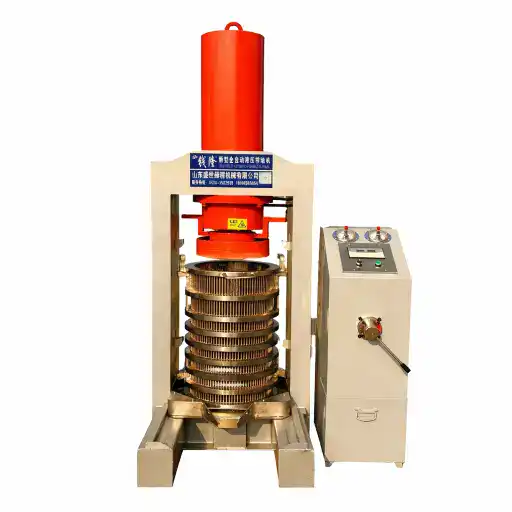
Edible oil business planning
Turn the business idea into an equipment brief
Define the oilseed, finished product, work schedule, site, and packaging route before comparing machines. This hub follows the eight decisions that shape a practical shop, startup mill, or packaged-oil operation.
Direct retail
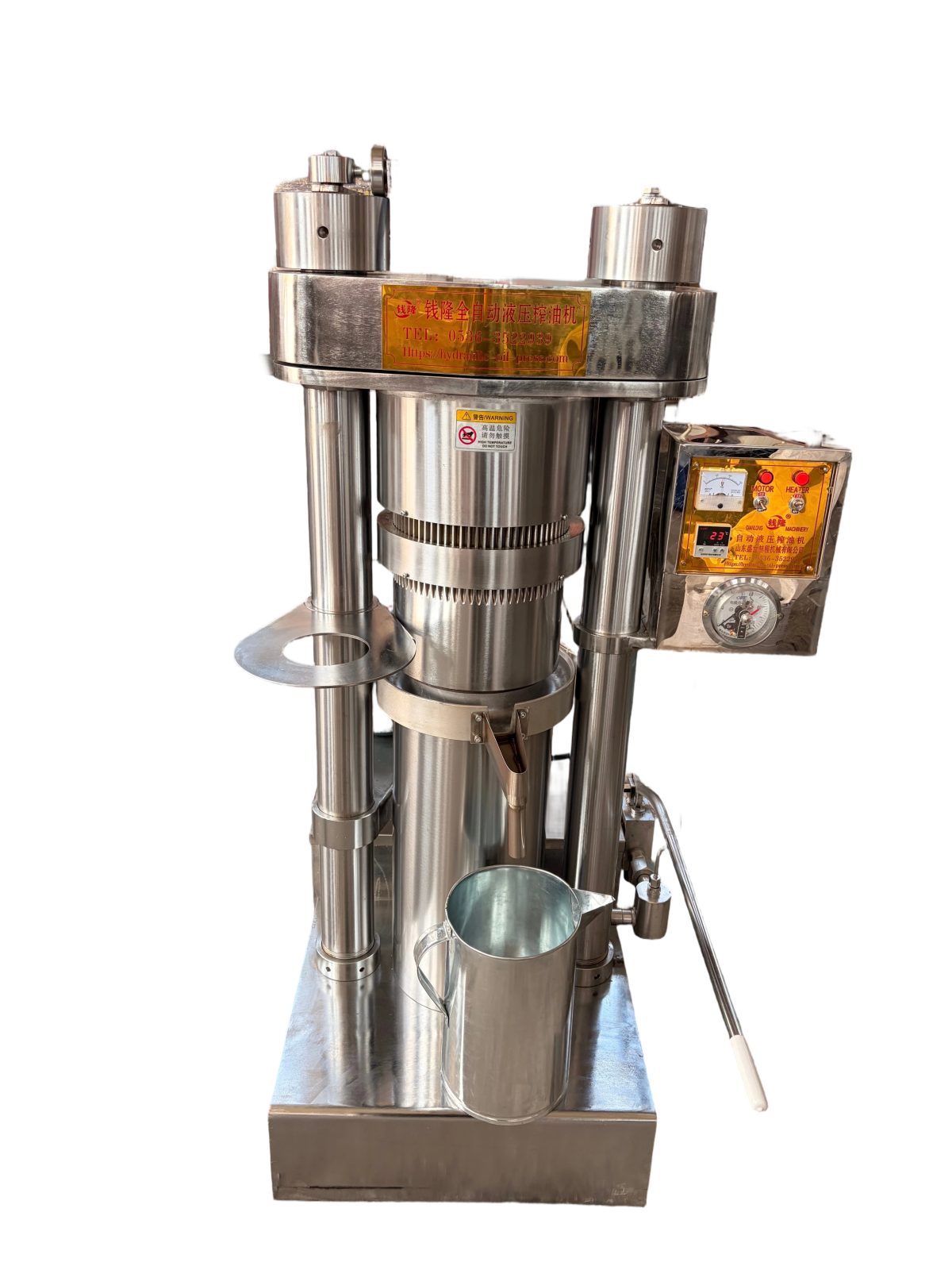
Fresh-oil shop
Start with the oilseed, expected batch pattern, available floor space, and whether customers receive freshly pressed or filtered oil.
Review the retail route →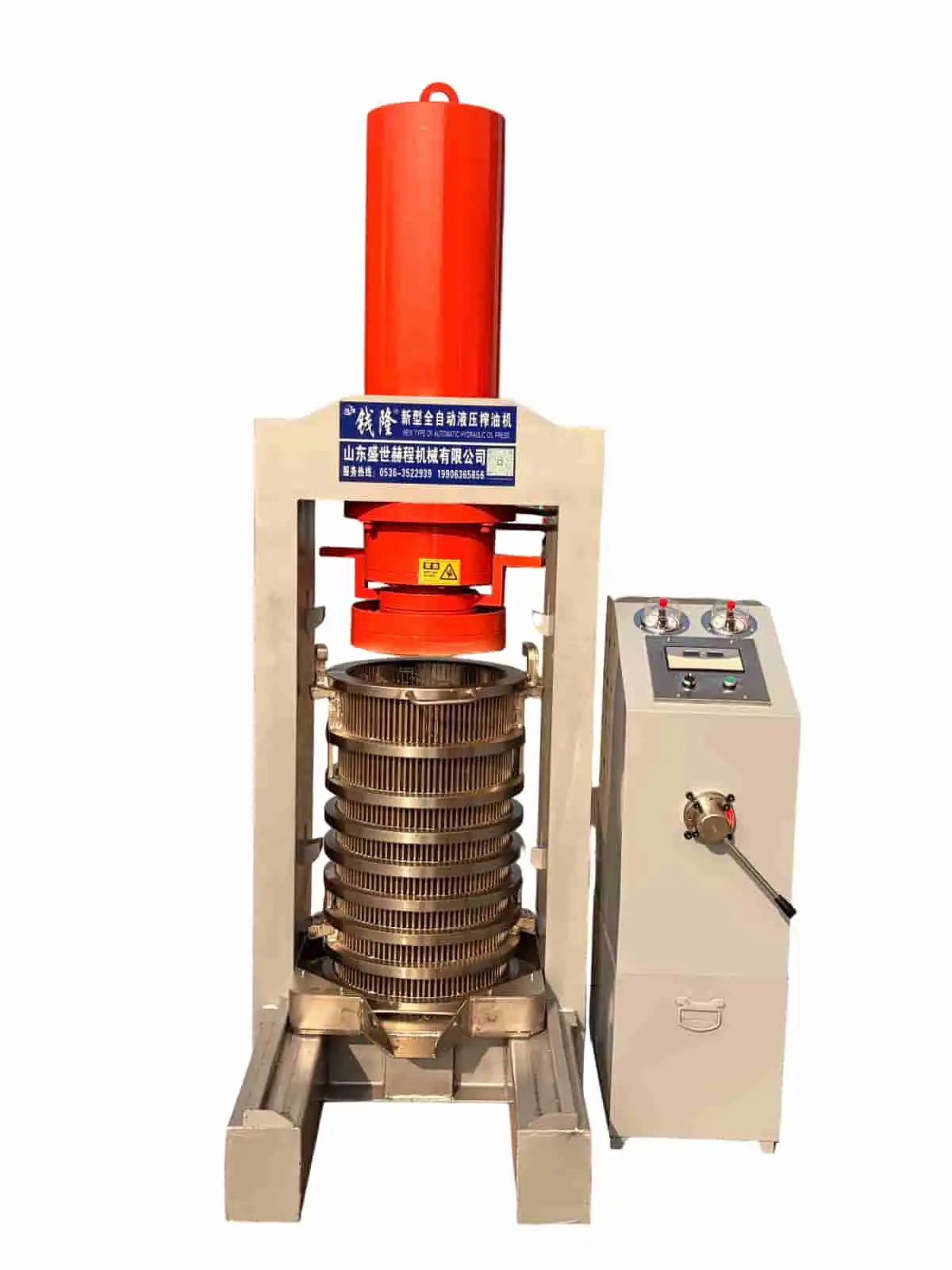
Commercial production
Startup oil mill
Plan preparation, pressing, filtration, working hours, utilities, and material movement as one operating section.
Plan a small factory route →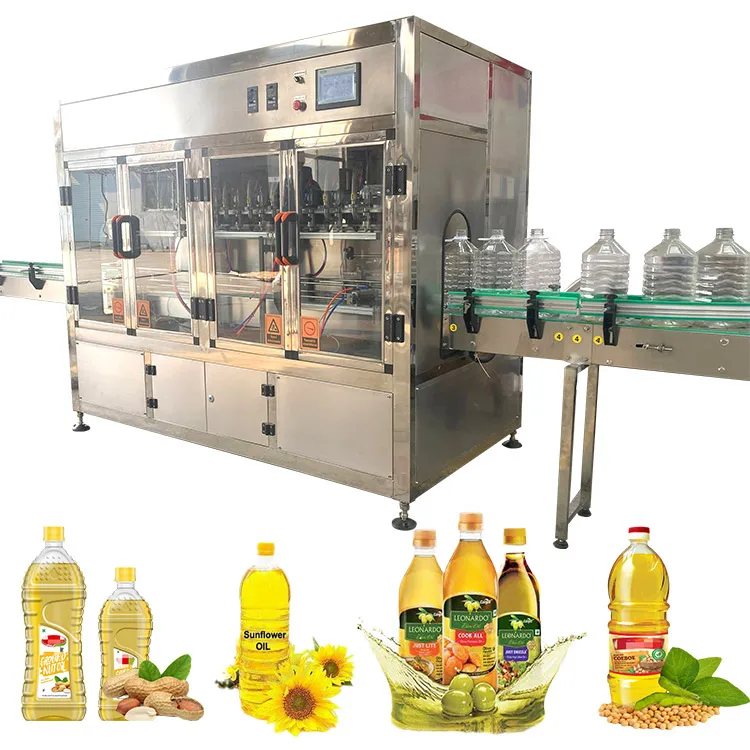
Finished product
Packaged-oil business
Connect oil preparation and pressing to filtration or refining, storage, filling, capping, labeling, and final packing.
Review the packaged-oil route →Buyer journey
Eight decisions define the project
Work through these in order. Each answer narrows the process route, machine family, supporting equipment, and quotation scope.
Stage 01
Raw material and market
Start with the product that will be sold, then work backward to the seed and equipment. Different oilseeds and finished-oil requirements can require different preparation and pressing routes.
- Primary oilseed and any future secondary material
- Incoming cleanliness, shell, moisture, and feed condition
- Fresh, filtered, refined, or packaged finished oil
- Destination country and local product format
Stage 02
Select the process route
The finished-oil target determines which preparation steps belong before the press and whether filtration or refining belongs after it.
- Hot-press or cold-press preference
- Cleaning, crushing, heating, roasting, or conditioning
- Hydraulic pressing matched to the raw material
- Filtration, optional refining, storage, and filling
Sizing and scope
Convert the plan into an equipment list
Stage 03
Capacity and work schedule
Machine pressure alone does not define practical output. Match the batch plan to raw material, operating hours, and the expected daily workload.
- Target raw-material input or finished-oil output
- Planned hours, shifts, and working days
- Required batch size and loading pattern
- Normal workload and future capacity reserve
Stage 04
Define the equipment scope
Separate the core press from the upstream and downstream sections. This prevents a machine-only request from being confused with a complete operating line.
- Hydraulic press only
- Seed cleaning and preparation
- Oil filtration, storage, or refining
- Filling, capping, labeling, and packing
Stage 05
Workshop and utilities
Check the building before finalizing the line. The layout must support equipment access, material movement, safe operating space, and the electrical requirements of the selected machines.
- Internal dimensions, doors, and equipment access
- Seed preparation, pressing, oil handling, and packaging zones
- Voltage, phase, frequency, and equipment-specific utilities
- Reserved floor space for later additions
Stage 06
Packaging route
Packaging choices affect the downstream equipment list. Define the actual container and closure before selecting the filling method or automation level.
- Bottle, can, drum, or other container format
- Fill volume and required production schedule
- Semi-automatic or automatic filling
- Capping, labeling, coding, conveyor, and carton scope
Delivery and growth
Prepare the site, then leave room to expand
Stage 07
Shipping and installation
Confirm the destination and shipment scope early, then prepare the site around the exact machine documents. Connection positions and electrical requirements can vary by model.
- Destination country and machine-only or complete-line scope
- Voltage, phase, and frequency confirmed before dispatch
- Machine position and electrical work prepared before commissioning
- Assembly, hose, wiring, and first-stroke checks completed safely
Stage 08
Expansion plan
A startup route can begin with preparation, pressing, and filtration. Refining and more automated packaging can be added later when the finished-oil specification and sales volume require them.
- Install the essential process sections first
- Reserve layout and utility capacity for later equipment
- Add refining when the finished-oil specification requires it
- Add filling automation when the packaging workload justifies it
Budget and viability
Test the scope before requesting a quotation
Separate equipment scope from operating assumptions. Any cost or return estimate must use the actual oilseed, work schedule, local costs, packaging route, and sales market.
A useful inquiry is a short project brief
Include the oilseed and its condition, target output, planned working hours, hot or cold process preference, finished-oil specification, packaging format, workshop dimensions, electrical supply, destination country, and whether the request is for one machine or a complete line.
Original page media
Inside the hydraulic oil press workshop
The earlier business-guide hub included this factory video to show the equipment environment behind a project quotation.
Standardized hydraulic oil press workshop
Factory footage showing completed machines and workshop preparation.
Practical planning guides
Turn the business route into equipment and capacity decisions
Use these guides after the raw material, finished product, and business format are clear.
Send the project brief for equipment matching
We will use the raw material, process, workload, site, packaging, and destination details to define the machine and supporting-equipment scope.