
On this page
Shelling is the step that quietly sets the ceiling on your peanut oil yield and cake quality — long before the kernel reaches the press. Most buyers obsess over press tonnage and forget that what you feed the crusher decides what comes out of the barrel. This guide explains how Shengshi Hecheng customers handle shelling on the hydraulic hot-press route, why clean shelling protects yield, and where the thin red skin fits in (short answer: in this industry, peanut is almost always pressed skin-on).
Why shelling quality matters before pressing
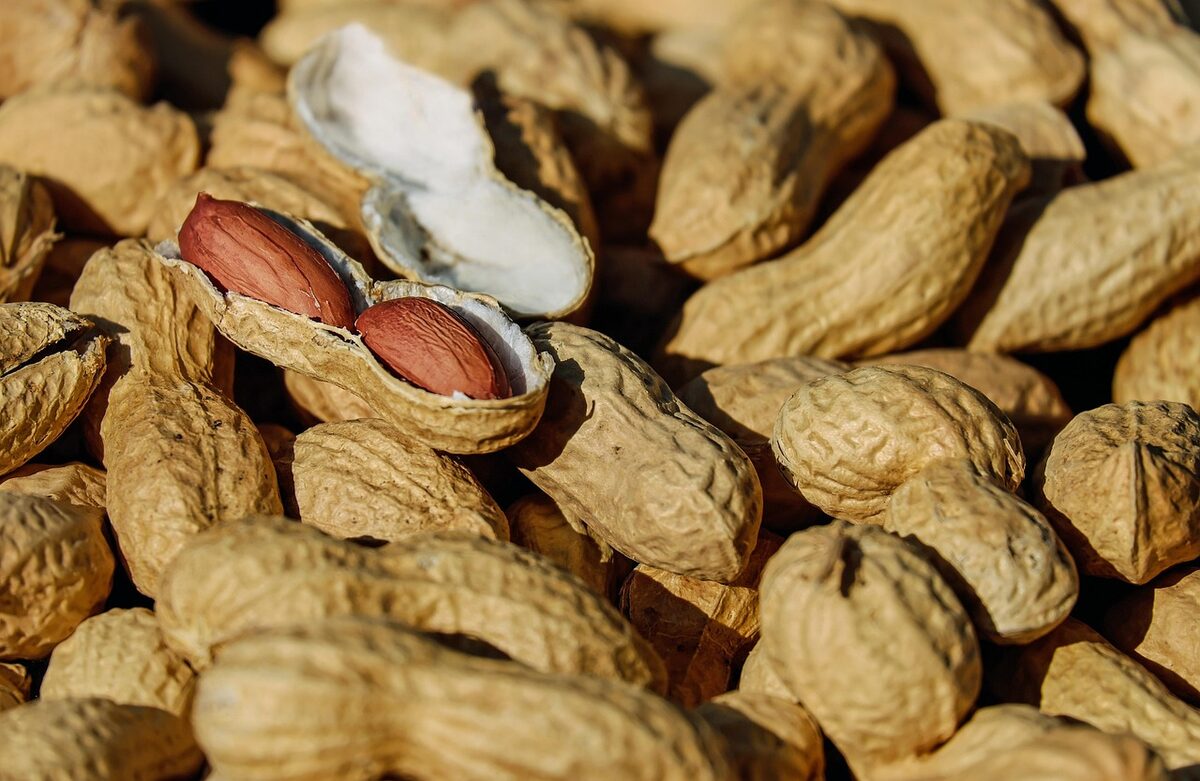
Peanut arrives either in-shell (with the hard pod) or pre-shelled (kernel only). If you press in-shell peanut, the woody pod fragments absorb oil, blunt the press cake and drag yield down — shell has almost no oil of its own but soaks up plenty. Clean shelling before crushing is one of the biggest raw-material factors affecting yield — alongside the kernel’s own oil content, which varies by variety (a high-oleic or high-oil peanut can out-yield an ordinary lot by more than shelling alone). Broken pod fragments left in the kernel stream also wear the crusher and load the paper-leaf filter faster, raising your running cost. The same yield logic runs through our peanut oil hydraulic press machine guide.
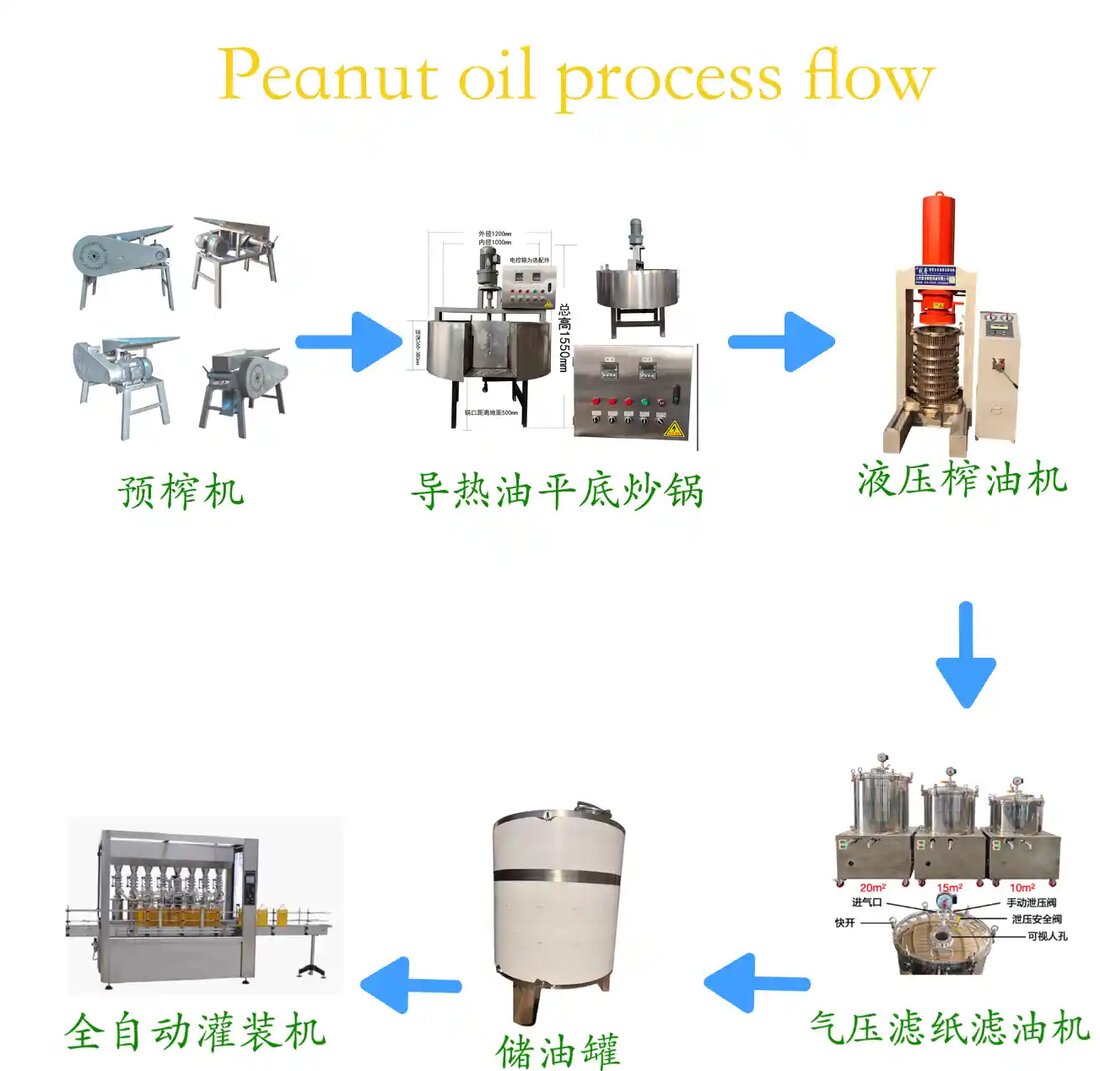
The standard sequence on our route is: cleaning → shelling → crushing → roasting → pressing. Shelling sits early — you remove the pod, screen out the shell, then send clean kernel down the line. Crushing always comes before any heat is applied; crushing whole kernel is fast and dry, while crushing after roasting loses oil and aroma to the pulverizer walls.
What a peanut sheller actually does
A peanut sheller cracks the pod and separates kernel from shell with a combination of a rubbing action and an air/screen separation. A good unit gives you a high whole-kernel rate (fewer split and crushed kernels) and a clean kernel-to-shell split, so almost no shell rides along into the crushing and roasting stage. Two things to watch when sizing one: the kernel breakage rate (too aggressive a setting splits kernels and exposes oil early) and the cleanliness of the kernel outlet (residual shell directly loads your filter downstream). The shell itself is dry biomass — most workshops sell it separately as fuel or feed filler, which offsets part of the running cost.
How much yield does clean shelling protect?
Peanut kernel is oil-rich, so a well-shelled, well-roasted kernel pressed on a tuned hydraulic press can reach a high crude-oil yield. But treat any single yield figure as a target, not a guarantee. Real yield swings with kernel moisture, peanut variety, how the material is crushed and roasted, roast temperature, and press pressure. Two shops running the same machine on different lots will not get identical numbers. What clean shelling does is remove the one factor that reliably destroys yield — shell fragments soaking up oil and bulking out the cake. Get shelling right and you are working from the top of your realistic range instead of the bottom.
A note on the red skin (testa)
Peanut is almost always pressed skin-on — that is the normal raw material in this industry, and the skin is part of the classic aromatic peanut oil character. It is not a decision most buyers need to make. Two caveats: the skin carries a little oil and changes the cake layer, so it has a slight effect on yield (far smaller than shell, but not zero); and a few factories remove part of the skin when excess skin makes the oil bitter or very dark. It is about controlling proportion, not stripping the skin off. For fresh-pressed and aromatic-oil producers, skin-on is simply the default.
Common mistakes on shelling
- Pressing in-shell to “save a step.” The pod fragments soak oil and lower yield — the shelling machine pays for itself in recovered oil, whichever press model you run.
- Running the sheller too aggressively. A high breakage rate splits kernels and exposes oil early, which invites oxidation and mess before the kernel even reaches the crusher.
- Crushing after roasting. Crush before you roast. Roasting whole kernel first and crushing after loses oil and aroma on the pulverizer walls.
- Leaving shell fragments in the kernel stream. They wear the crusher and clog the filter faster, raising running cost and cutting filter life.
FAQ
Does clean shelling increase oil yield?
Indirectly, yes. Shelling itself does not add oil, but pressing clean kernel instead of shell-contaminated kernel removes the biggest drag on yield. Shell soaks up oil and bulks the cake, so clean shelling lets you work from the top of your realistic yield range.
Do I press peanut with the red skin on or off?
Skin-on, in almost all cases. That is the standard raw material for aromatic peanut oil. A few factories remove part of the skin if there is excessive skin causing bitterness or very dark color, but that is the exception, not a routine choice.
Do I shell in-house or buy pre-shelled kernel?
Both work. Buying pre-shelled kernel saves the sheller and the shell-disposal step; shelling in-house lets you control kernel freshness and sell the shell as biomass separately. Shops with limited space often buy pre-shelled; larger workshops shell in-house.
Should shelling be planned together with crushing and roasting?
Yes. Shelling capacity must keep the crusher and roaster fed without starving them or piling up ahead of them. Plan shelling, crushing and roasting throughput together so no single stage bottlenecks the press, as covered in our fresh-pressed peanut oil shop guide.
Conclusion
Shelling is a yield decision: clean off the pod and you remove the one raw-material factor you fully control that otherwise wrecks peanut oil yield. Red skin is rarely a decision at all — peanut is pressed skin-on as standard. Whatever you run, keep the sequence intact: clean, shell, crush, roast, press, in that order.
Complete peanut shelling and pressing lines from Shengshi Hecheng
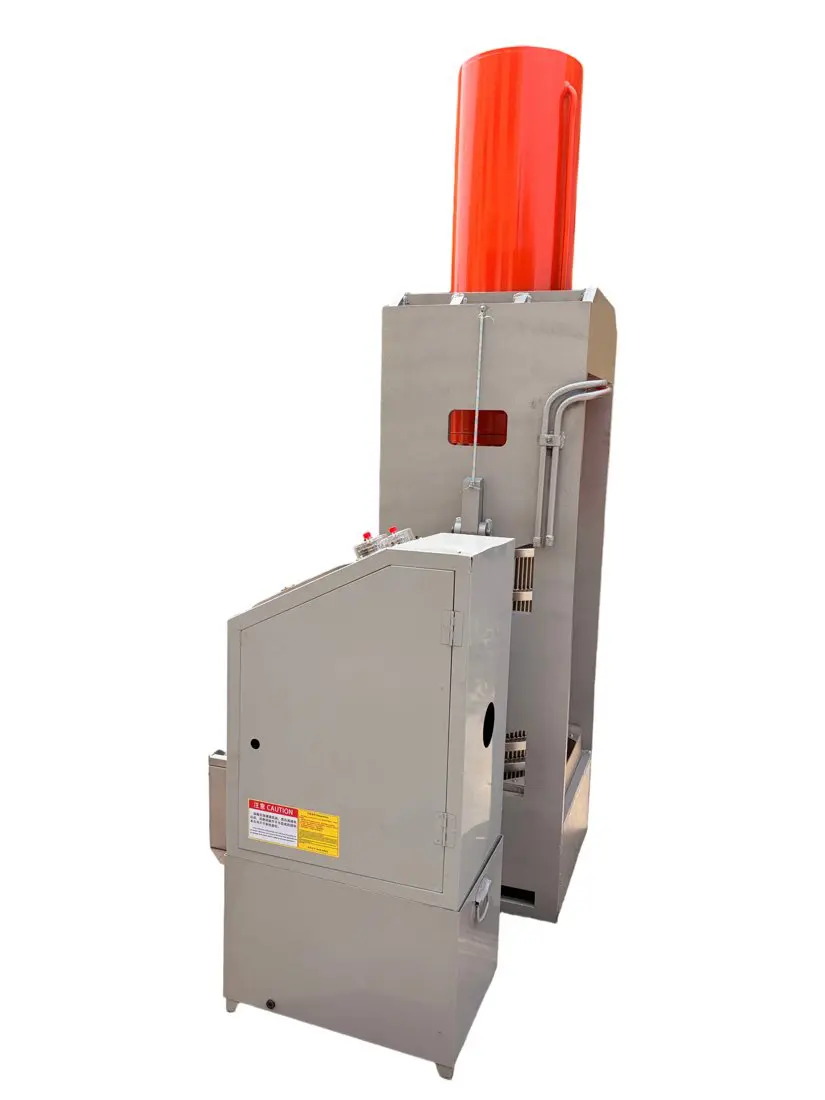
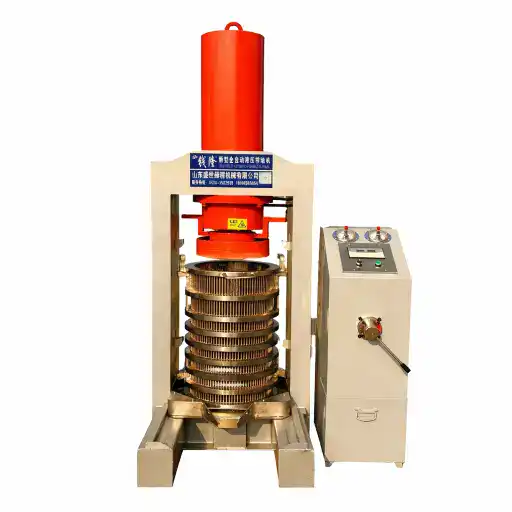
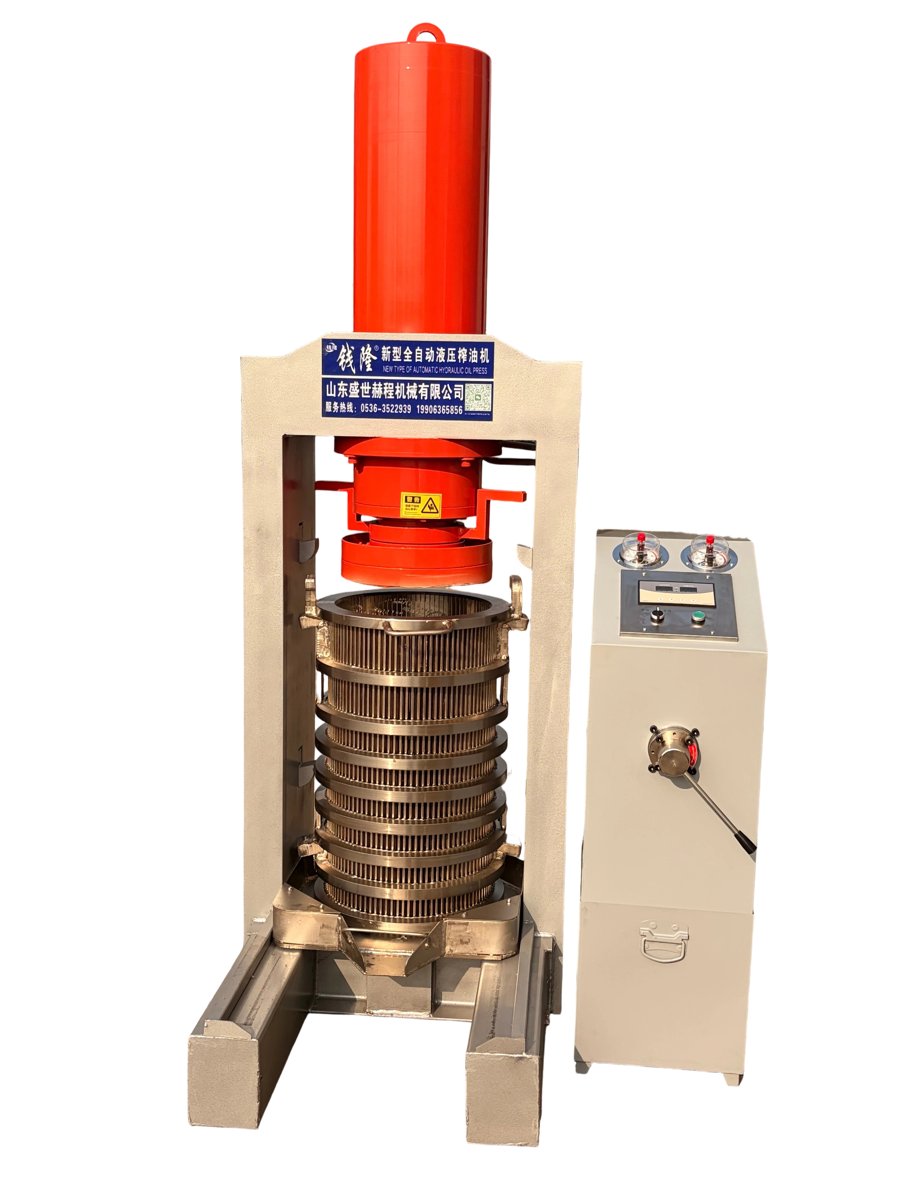
For workshops processing in-shell peanut, Shengshi Hecheng supplies complete lines — shelling, crushing, roasting and hydraulic pressing — from 30 kg/batch fresh-oil shops up to industrial-scale plants. The sheller is matched to the crusher, roaster and press so no stage starves or bottlenecks the next. If you tell us your daily throughput and whether you buy in-shell or pre-shelled kernel, we will size the shelling section to your Model 325 peanut press and quote the full line. Smaller storefronts can start with the Korean-type shop press and add a sheller as volume grows.
Related Reads
- Peanut Oil Hydraulic Press Machine: Model 325, Real Output & FOB Prices
- How to Open a Fresh-Pressed Peanut Oil Shop: Binzhou Model SOP
- Model 300/325 Hydraulic Oil Press for Hot Pressing
Additional Machine Reference
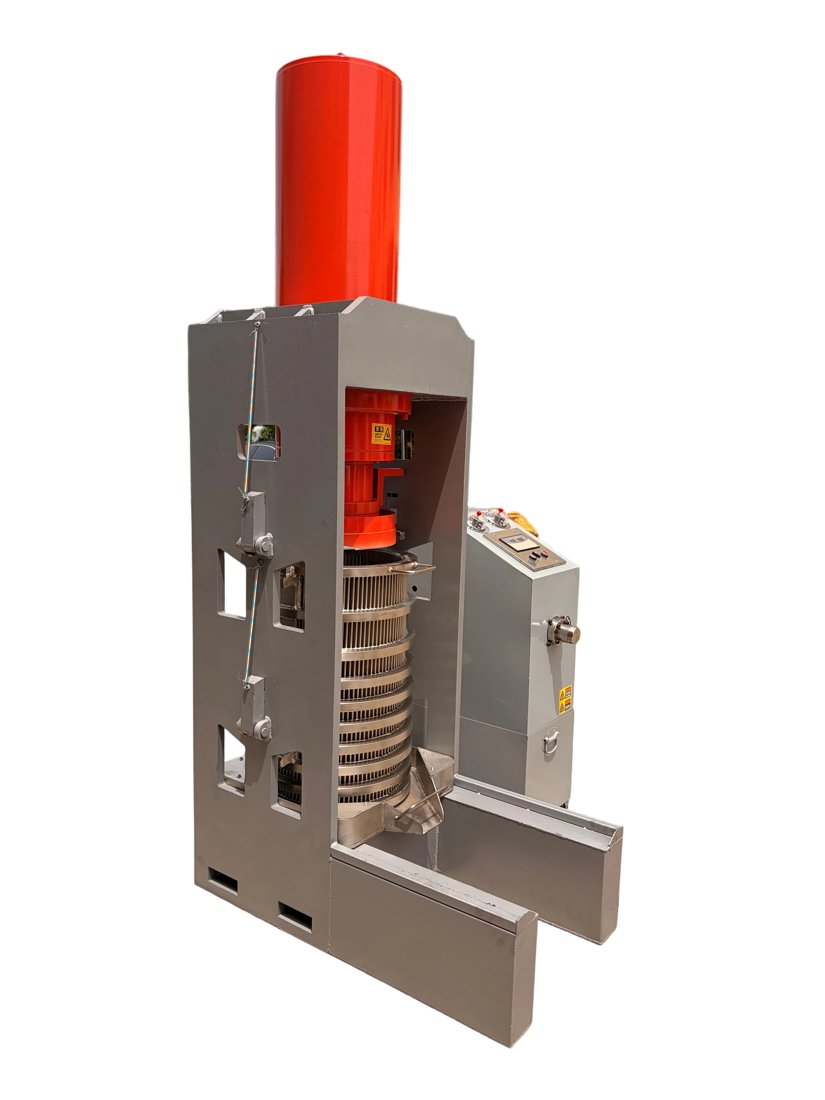
Project planning
Configure the right oil press and production line
Send your oilseed, target output, bottle or packaging requirements, power supply, and destination country. We will match the machine, supporting equipment, and line layout.