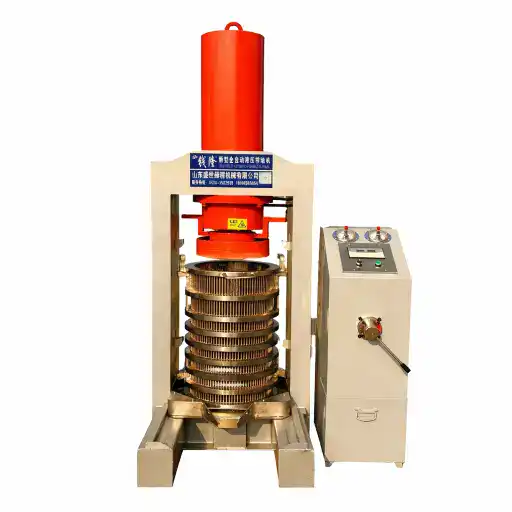
Hydraulic oil press quality inspection
Judge machine quality from traceable construction, tests, and documentation
Paint finish and a short running video cannot prove pressure integrity, barrel geometry, control safety, material suitability, or long-term serviceability. A credible quality review connects the quotation, drawings, component list, factory inspection, material test, packing record, and delivered nameplate.
Evidence hierarchy
Require evidence at four levels
A strong machine claim should be visible in the technical file and verifiable on the exact unit being supplied.
1. Defined configuration
Model code, actual down pressure, barrel, frame, hydraulic station, motor, controls, accessories, and destination electrical standard are frozen in the quotation.
2. Traceable build
Drawings, material descriptions, component brands and models, weld or machining records where required, and serial-number identification match the machine.
3. Witnessed verification
Dry checks, pressure and leakage checks, safety functions, full operating sequence, and a representative material test follow an agreed protocol.
4. Service package
Manuals, diagrams, troubleshooting, spare and wear parts, warranty boundaries, packing records, and support contacts arrive with the unit.
Machine inspection zones
Inspect every system that carries load, pressure, product, or control authority
| Inspection zone | What to inspect | Evidence to retain |
|---|---|---|
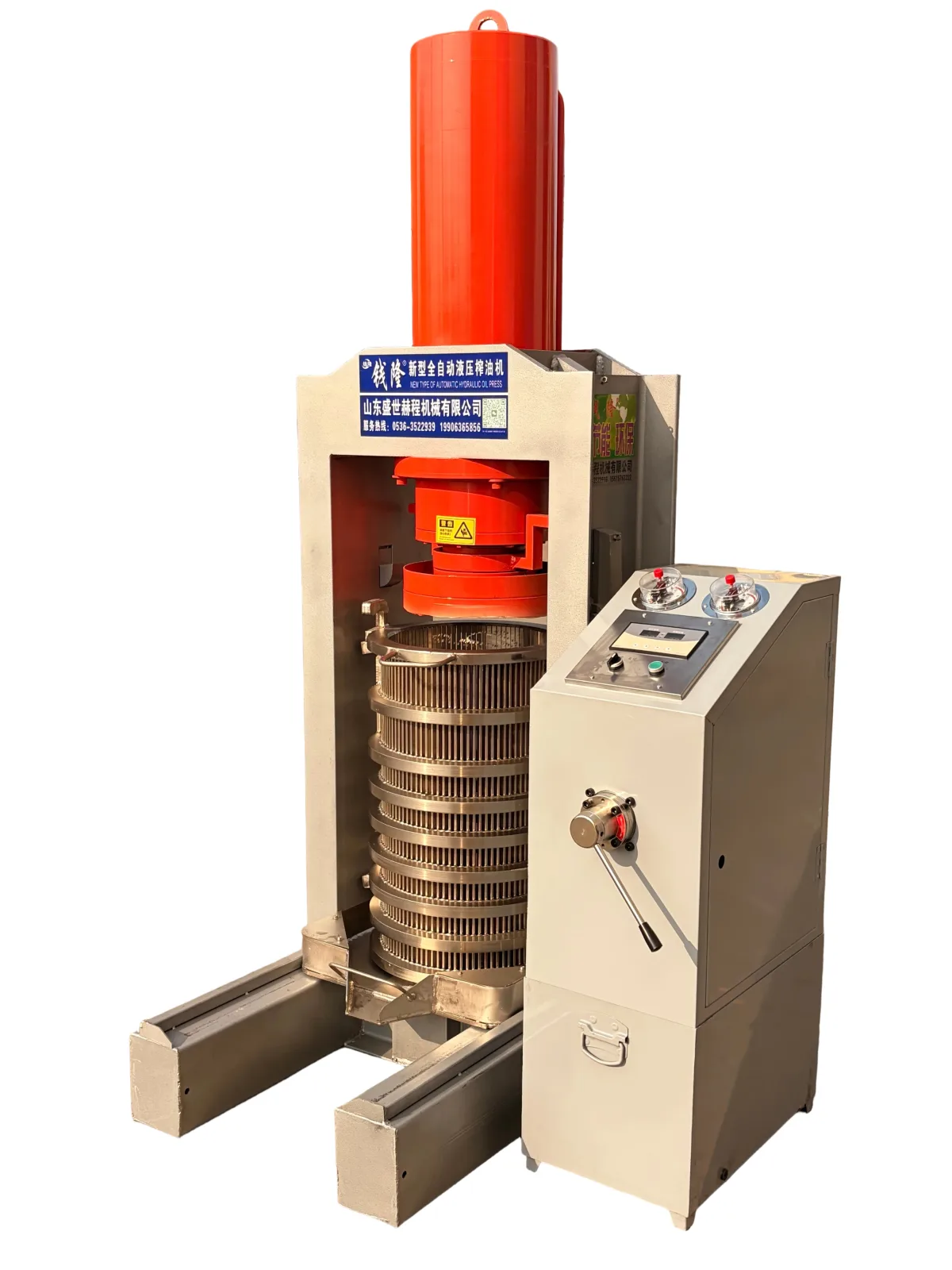
| Frame and load path | Column alignment, cylinder mounting, loaded members, weld condition, flange and fastener arrangement, access, lifting points, and foundation interface. | General-arrangement drawing, key dimensions, material description, inspection photos, and serial number. |
| Cylinder and guidance | Rod or ram surface, seals, guide bands, travel, alignment, leakage, retraction, ejection motion, and service access. | Cylinder drawing or specification, seal and guide-band part numbers, test record, and replacement procedure. |
| Hydraulic power unit | Pump, motor, reservoir, oil grade, filtration, valves, gauges, hoses or pipes, fittings, relief settings, temperature, noise, and leakage. | Hydraulic schematic, component list, pressure-test record, oil specification, and maintenance schedule. |
| Barrel and separators | Internal diameter, usable height, drainage openings, reinforcement, separator plates, cake geometry, loading, cleaning, and discharge method. | Barrel drawing, supplied accessory list, practical batch test, cleaning instructions, and contact-material declaration where applicable. |
| Electrical and controls | Supply rating, enclosure, protective devices, earthing, emergency stop, pressure inputs, limit or proximity devices, wiring, labels, and sequence logic. | Electrical drawing, bill of materials, settings list, function test, language, and local-compliance review. |
| Oil collection path | Drainage from barrel to tray or receiver, contamination traps, cleanability, transfer, filtration boundary, and spill control. | Product-flow drawing, contact-material scope, cleaning plan, and test photos with the actual feed. |
| Guards and operating access | Pinch, crush, pressure, hot-surface, electrical, slip, loading, ejection, and maintenance hazards. | Risk assessment, guarding list, warning labels, operating procedure, lockout instructions, and destination review. |
Specification integrity
A complete row is more useful than a large tonnage claim
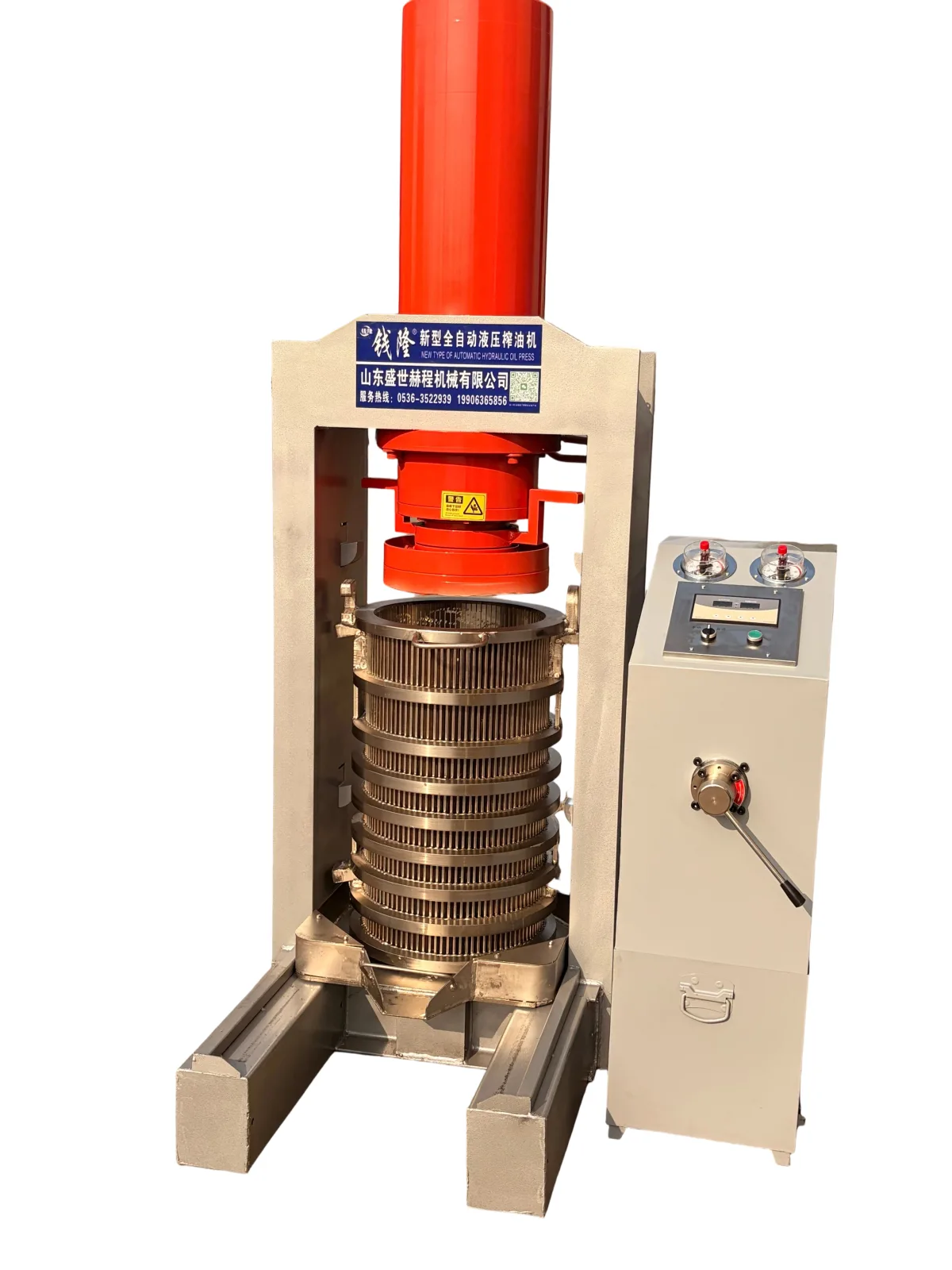
For example, the current 300 / 325 family page identifies down pressure, 60 MPa system pressure, barrel diameter and height, press-volume range, approximate envelope, approximate weight, and a source-listed cake surface-pressure value. A supplier comparison should define all of those fields on the same basis.
- Separate the model code from actual press force
- Separate hydraulic system pressure from down pressure at the ram
- Identify the exact barrel rather than quoting only maximum batch
- State whether dimensions and weight include the control cabinet and power unit
- Request the formula and engineering unit behind calculated surface-pressure claims
- Mark every approximate value and issue a final approved drawing
Source-supported inspection example
Use published Model 325 values as checkpoints, not a universal standard
The entries below come from the current 300 / 325 product-family page. They show how a buyer can convert a specification into inspection questions for the quoted configuration.
| Published Model 325 reference | Listed value | Quality verification |
|---|---|---|
| Down pressure | 325 tons | Confirm cylinder area, working pressure basis, calculation, relief settings, and approved drawing. |
| Hydraulic system pressure | 60 MPa | Verify gauge range and calibration status, pressure controls, leakage, hold behavior, and safety devices. |
| Standard barrel | 390 mm diameter x 800 mm high | Measure the supplied barrel and confirm usable height, drainage, reinforcement, separators, and cleaning access. |
| Standard press volume | 5-100 kg | Confirm the practical load with the actual material, prepared feed form, safe fill level, and complete cycle. |
| Approximate installed envelope | 1100 x 800 x 2450 mm with control box | Check approved dimension order, power-unit position, doors, service space, loading height, and ejection clearance. |
| Approximate weight | 1.4 ton with control box | Confirm final net and shipping weights, center of gravity, lifting points, floor loading, and foundation needs. |
| Source-listed cake surface pressure | 27 MPa/cm2 | The unit is reproduced from the source. Request the calculation basis and correct engineering unit before using it for comparison. |
Factory acceptance test
Test the exact supplied configuration before packing
The protocol should define pass or fail criteria before the test. A demonstration without recorded inputs, measurements, and outputs is not an acceptance test.
Material test
Control the variables behind output claims
- Identify the oilseed lot, variety, origin, whole or kernel condition, and shell content
- Measure or state moisture, oil content, contaminants, and storage condition
- Record cleaning, crushing, roasting, steaming, particle size, and feed temperature
- Weigh prepared feed, crude oil, filtered oil when included, cake, retained material, and losses
- Record pressure profile, times, temperatures, labor, utilities, and any interruptions
- Use an agreed laboratory method for residual oil or product-quality measurements
Claims to challenge
Ask what was measured and what was excluded
- “Oil yield” without distinguishing seed oil content, recovery, and saleable output
- “Cold pressed” without a temperature limit and sampling method
- “Continuous operation” for a machine that works in discrete batches
- “Food grade” without identifying contact surfaces, alloy, finish, and cleaning method
- “Automatic” without a list of automatic and manual steps
- “Low maintenance” without parts, intervals, oil grade, tools, and service access
Technical file
Make documentation part of the supplied machine
Drawings
General arrangement, foundation and loads, barrel details, hydraulic schematic, and electrical wiring for the delivered configuration.
Operation
Installation, commissioning, pressure settings, loading, pressing, ejection, cleaning, shutdown, and lockout procedures.
Maintenance
Hydraulic oil, filters, seals, guide bands, gauges, valves, sensors, inspection intervals, troubleshooting, and replacement instructions.
Commercial scope
Included accessories and spares, warranty terms, support process, packing list, serial numbers, shipping dimensions, and exclusions.
Certification is application and destination specific
Do not treat a logo, an unrelated certificate, or a material adjective as proof that the supplied machine meets the buyer’s legal, machinery-safety, electrical, or food-contact requirements. Verify document scope, issuer, model coverage, and destination rules.
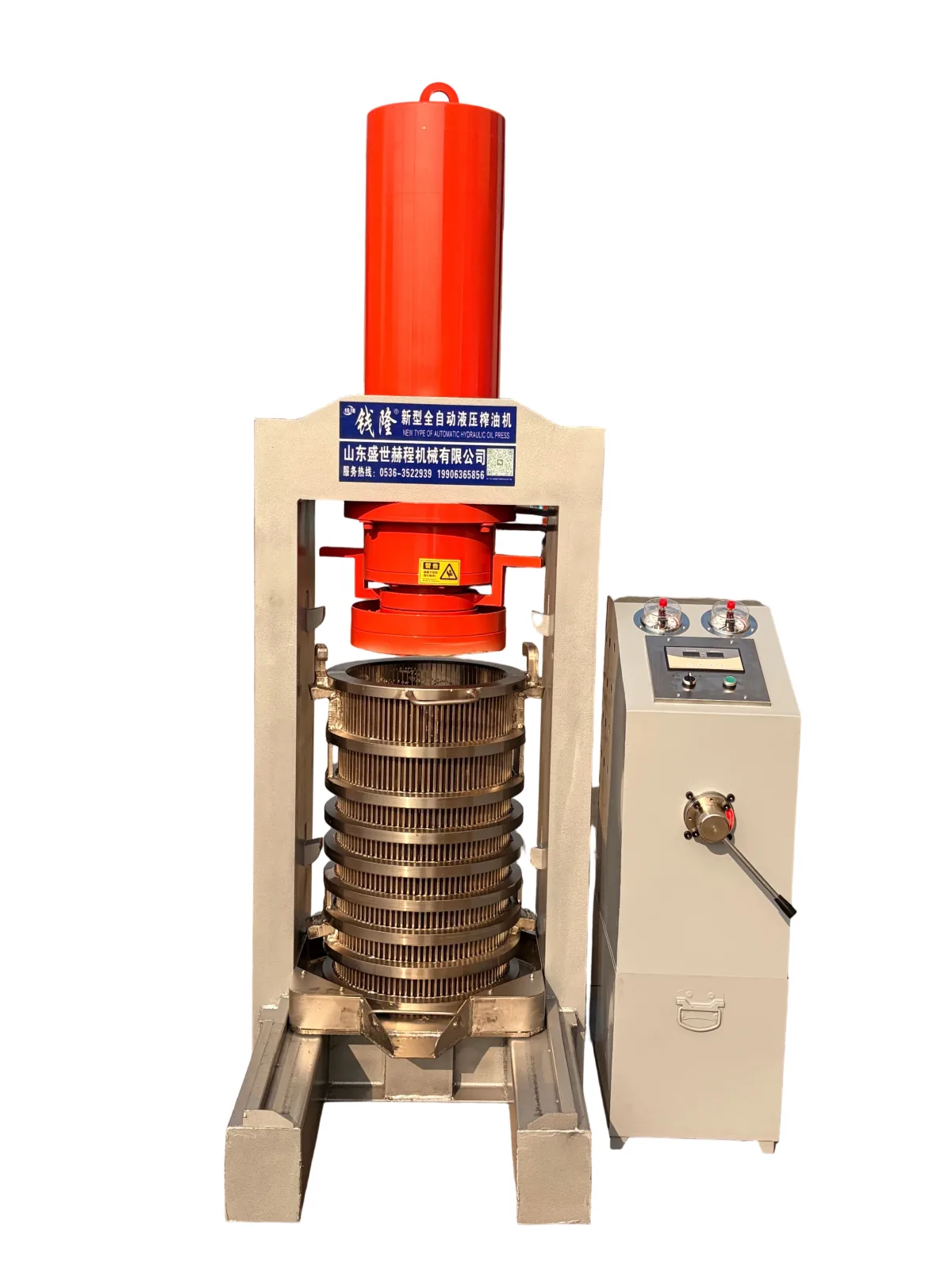
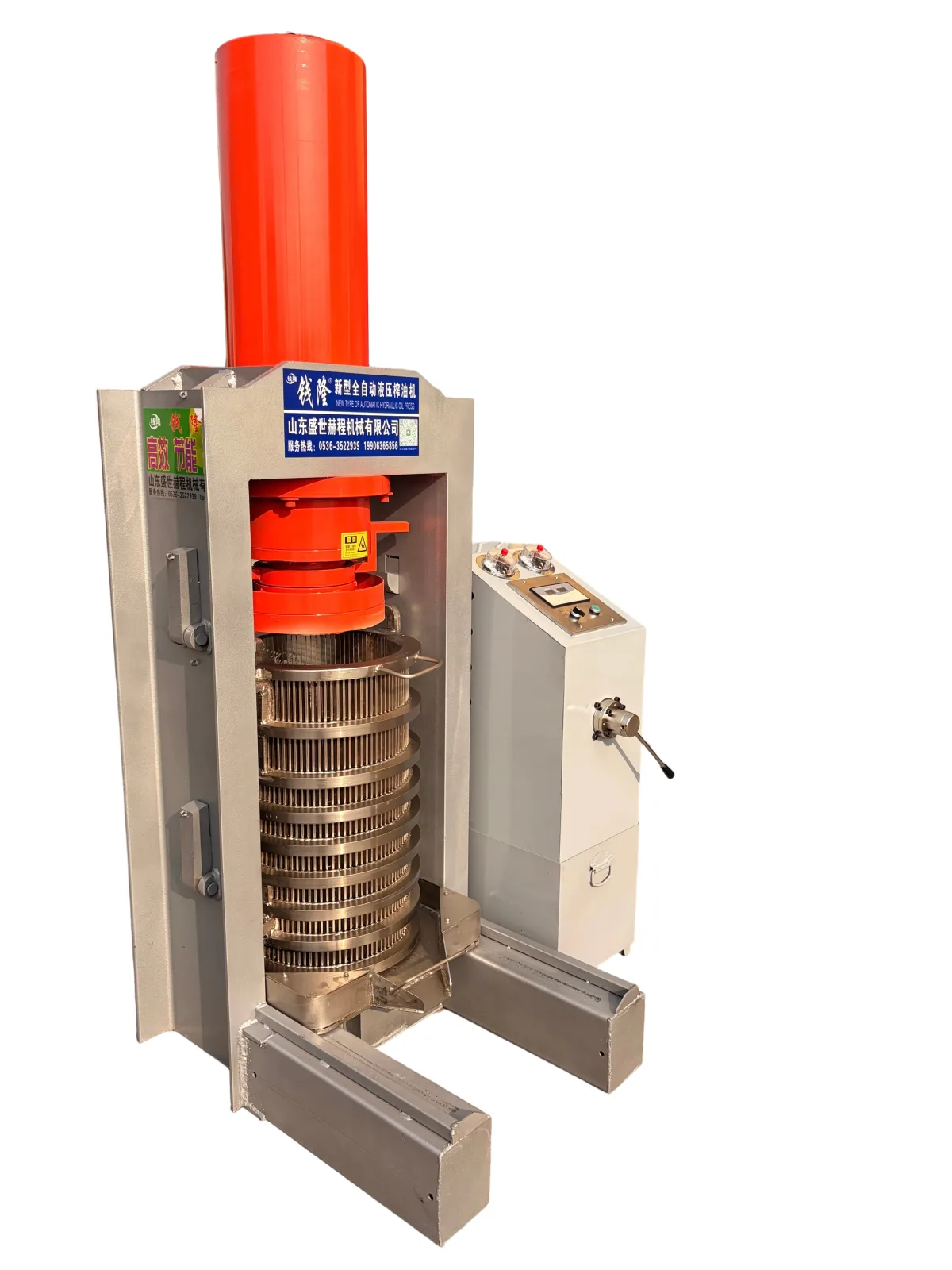
Real equipment views
Ask for the same views of the exact machine before shipment
Related buyer controls
Continue from inspection to contract and commissioning
Restored original media
Hydraulic oil press machine photograph
Original hot-press machine photograph restored from the earlier quality guide.
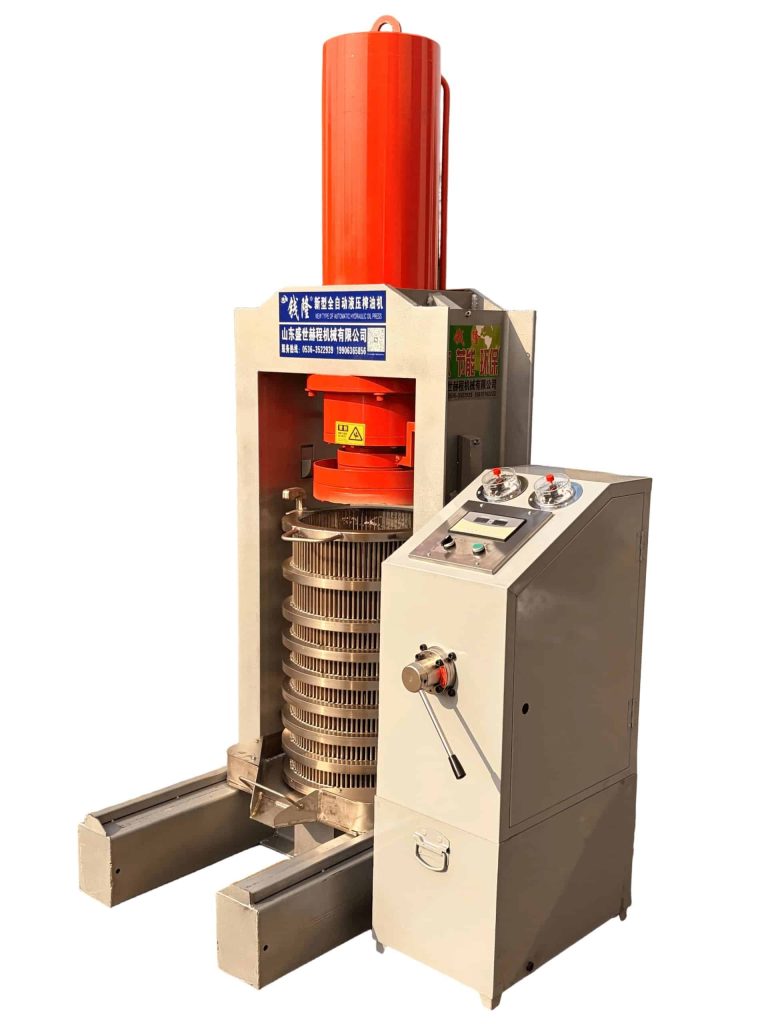
300-325 hydraulic oil press machine
Original photograph restored from the earlier page.
Build the inspection plan before the machine is finished
Send the proposed model, oilseed, process route, destination, required documents, acceptance measurements, and any third-party inspection needs.