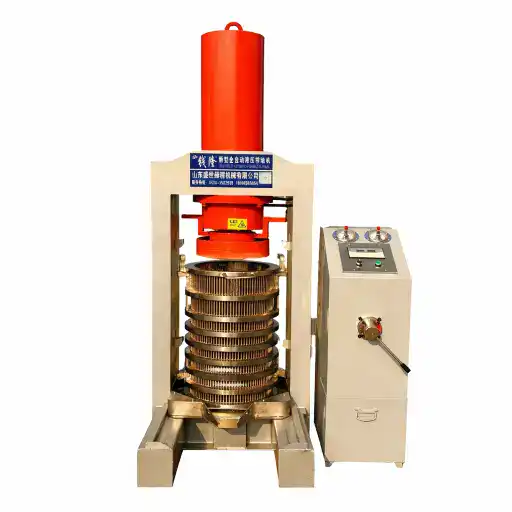
Oil press procurement from China
Verify the contracting party, technical scope, test evidence, landed package, and support
A factory, trading company, or integrated exporter can each supply a workable project. The buyer’s risk comes from an unclear legal counterparty, mismatched machine, unsupported performance claim, missing documentation, or incomplete commercial boundary.
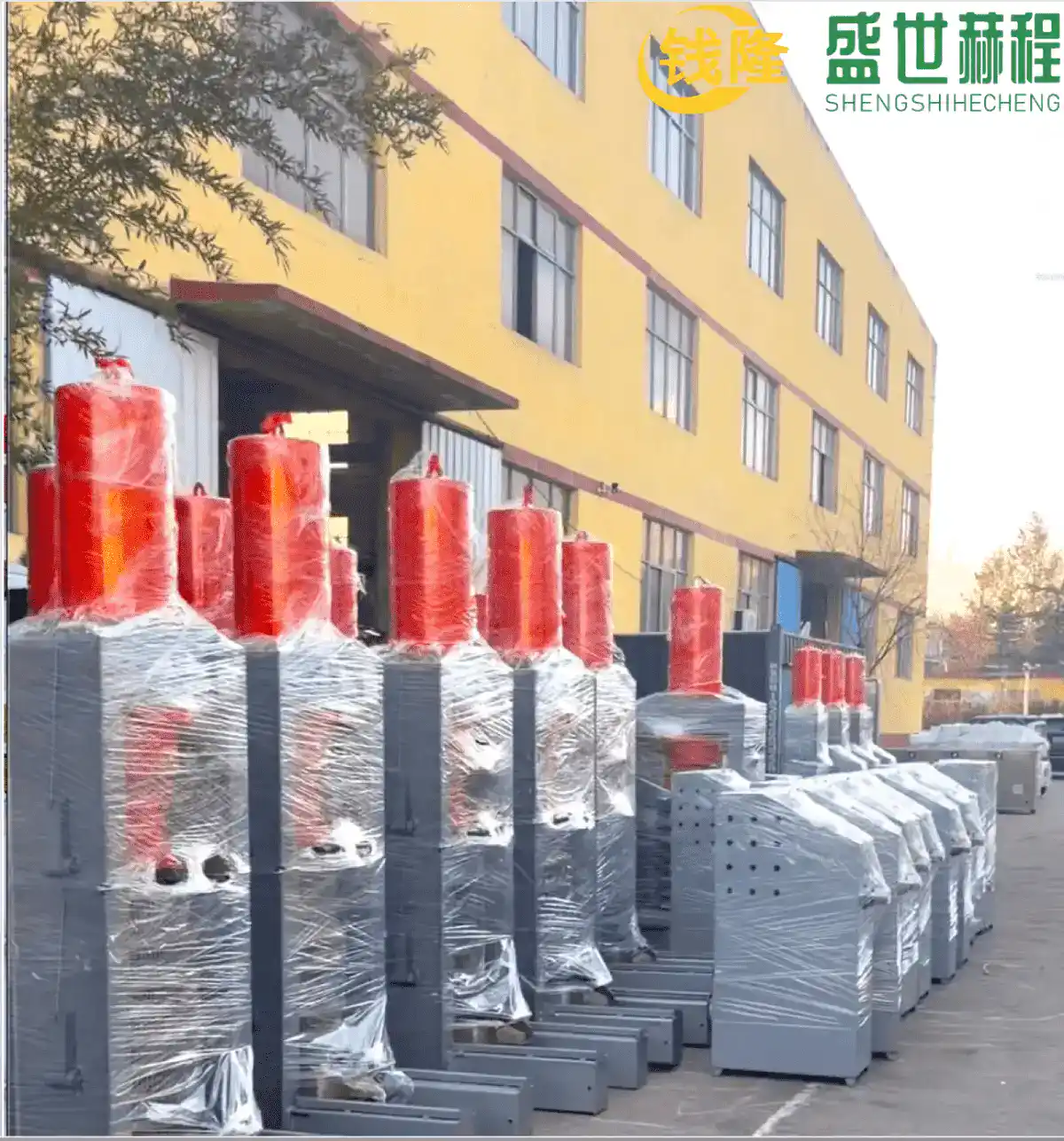
Five due-diligence checks
Complete each gate before paying against an order
Check 1
Verify who manufactures, sells, receives payment, and provides warranty
Do not assume that a marketplace profile name, website brand, factory sign, invoice issuer, bank beneficiary, and warranty provider are the same legal entity.
| Evidence | What to compare | Reason |
|---|---|---|
| Business registration | Legal Chinese name, unified social credit code, registered address, business scope, and current status. | Identifies the legal entity that can enter the contract. |
| Quotation and contract | Seller name, signature authority, model, scope, Incoterm, payment, warranty, dispute terms, and attachments. | Turns messages and listings into enforceable commercial terms. |
| Bank beneficiary | Beneficiary name and account jurisdiction against the contracted seller; document any approved difference. | Reduces payment diversion and counterparty confusion. |
| Factory evidence | Live or time-stamped tour showing address context, fabrication, assembly, testing, inventory, staff, and the quoted machine. | Helps establish real manufacturing or integration capability. |
| Sub-supplier disclosure | Who supplies the cylinder, hydraulic unit, controls, motor, barrel, filters, and supporting equipment. | A complete line may legitimately combine specialist suppliers; responsibility must remain clear. |
| Warranty responsibility | Entity, contact, response route, parts, labor, freight, travel, exclusions, and start date. | Prevents the factory, exporter, and dealer from referring the buyer to one another. |
A trading company is not automatically a defect
A capable exporter can coordinate engineering, language, inspection, shipping, and service. The key question is whether responsibilities, markups, sub-suppliers, technical authority, and warranty are transparent in the contract.
Check 2
Prove the machine against the buyer’s oilseed and process
- Send a representative sample or controlled material specification
- State whole seed, kernel, shell, moisture, oil content if tested, contaminants, and storage
- Define cleaning, crushing, roasting, steaming, or cold-process preparation
- Set crude or filtered oil and cake acceptance criteria
- Record material and oil temperatures when a cold-process claim matters
- Measure input, oil, cake, retained material, losses, and the complete cycle
Test protocol
Do not accept an unrelated demonstration
- Identify the exact machine, barrel, settings, and operator
- Show preparation and weigh the prepared batch
- Record loading, pressing, drainage, ejection, cleaning, and reload time
- State whether collected oil is crude, settled, or filtered
- Use an agreed laboratory method for residual oil or quality tests
- Retain unedited video, data sheet, samples, and signed results
Check 3
Validate the technical file and destination requirements
Certification and material statements must cover the supplied model and intended destination. A logo or generic certificate is not a substitute for an applicability review.
Machine definition
Approved general arrangement, model, actual force, barrel, hydraulic schematic, electrical drawing, connected loads, weights, and foundation information.
Safety and compliance
Destination machinery and electrical requirements, risk assessment, guards, emergency functions, labels, declarations, and document scope.
Product-contact scope
Identify each oil or material contact surface, alloy or material, finish, seals, hoses, cleaning method, and supporting evidence where required.
Operation and service
Installation, commissioning, operating, cleaning, lockout, maintenance, troubleshooting, component list, and spare-parts documentation.
Check certificates at document level
Confirm issuer, certificate number, holder, product and model coverage, standard, issue and expiry dates where applicable, report linkage, and whether the buyer’s exact configuration is included.
Check 4
Compare the complete landed and commissioned scope
This guide intentionally gives no machine price range. Cost depends on model, configuration, line boundary, destination, freight, duties, site work, commissioning, spares, and contract terms.
| Cost and scope group | Items to include | Questions to close |
|---|---|---|
| Equipment | Press, hydraulic station, controls, barrel, separators, tools, filters, tanks, preparation, cake, refining, and filling modules. | What is included, optional, excluded, supplied by another party, or required later? |
| Electrical and utilities | Voltage and frequency changes, motors, controls, cables, transformer where actually required, air, water, heating, and ventilation. | Does the quoted machine match the site supply without unpriced conversion work? |
| Packing and logistics | Export packing, inland haulage, terminal charges, freight, insurance, destination handling, customs, duties, taxes, and final delivery. | Which Incoterm and named place apply, and who carries risk at each point? |
| Site and installation | Foundation, floor, access, lifting, unloading, assembly, piping, wiring, drainage, guards, commissioning, and validation. | Which tasks, tools, consumables, travel, and accommodation are excluded? |
| Operation | Labor, utilities, hydraulic oil, filter media, cleaning, wear parts, maintenance, laboratory checks, and downtime. | What operating assumptions were used and which need a local quotation? |
| Risk allowance | Exchange, storage, demurrage, inspection, correction, spare inventory, delayed site readiness, and local compliance work. | What happens if documents, tests, shipping dates, or site conditions change? |
Check 5
Test the support process before the machine needs it
Ask the supplier to solve a realistic commissioning or maintenance scenario during procurement. The answer should identify the responsible person, diagnostic information, drawings, part number, replacement steps, timing, and commercial boundary.
- Named technical and commercial contacts with working channels
- Remote commissioning method and required site data
- Fault-report template with photos, video, pressure, alarms, and serial number
- Critical, wear, and commissioning spare-parts lists with part numbers
- Warranty start, duration, exclusions, freight, labor, and response procedure
- On-site service availability, visa, travel, accommodation, and daily-rate terms
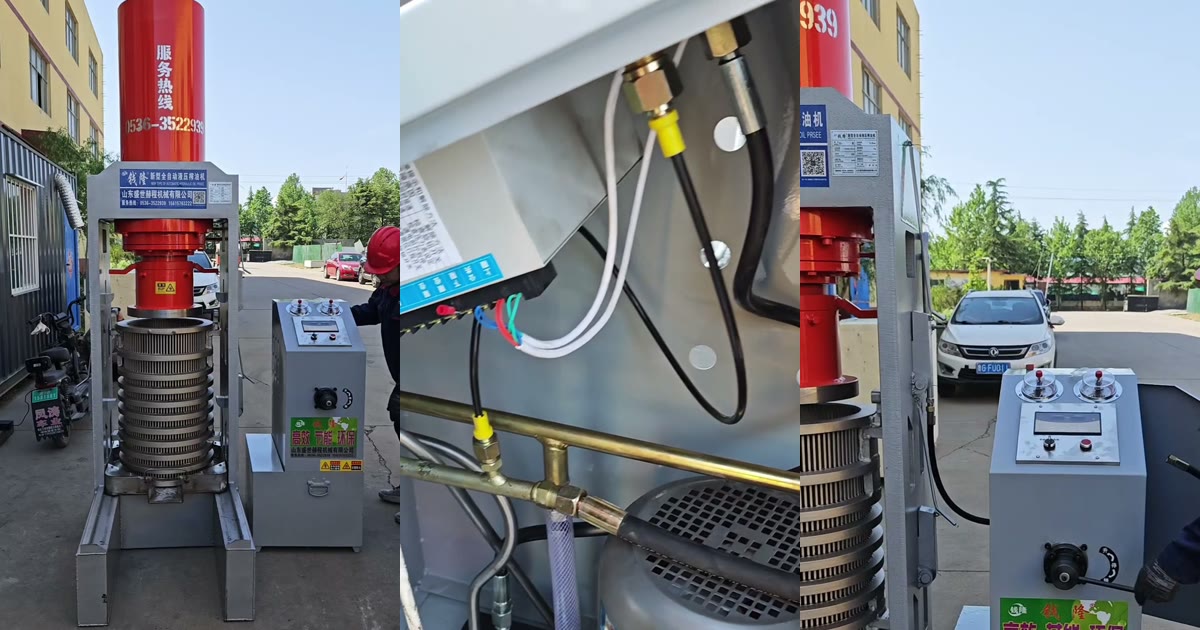
Request-for-quotation pack
Give every supplier the same inputs
Comparable quotations require a common scope. Issue one enquiry pack and require suppliers to state deviations rather than silently making different assumptions.
Buyer data
- Oilseed and representative material specification
- Process route and product acceptance criteria
- Prepared feed per shift or day and operating schedule
- Site layout, utilities, environment, and destination
- Required line boundary and automation interface
- Applicable standards and required documents
Required supplier return
- Technical proposal with assumptions and deviations
- Itemized scope and commercial schedule
- Drawings, component list, utilities, weights, and packing
- Material-test and factory-acceptance protocol
- Delivery milestones and payment evidence gates
- Warranty, service, spares, and document index
Evidence-based milestones
Tie progress to documents and inspections
Related procurement guides
Move from supplier check to model and project definition
Restored original media
Factory machine reference photograph
Original hydraulic press photograph restored to the China buying checklist.
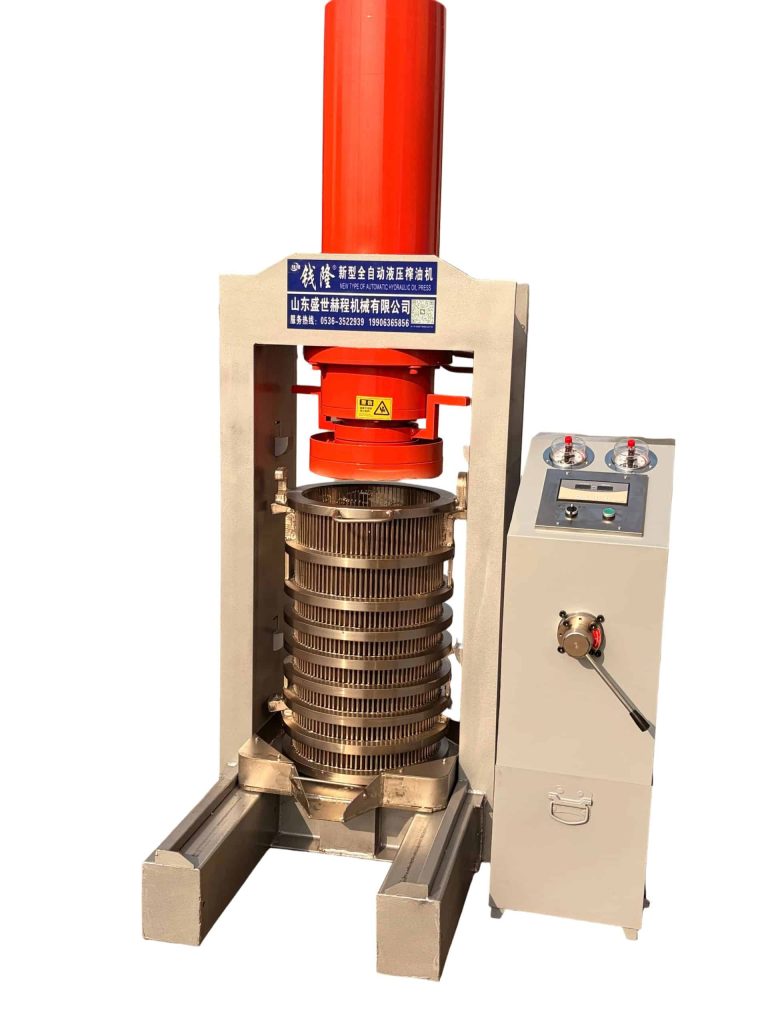
hydraulic oil press machine
Original photograph restored from the earlier page.
Request a quotation that can be audited
Send the oilseed, process, target input, destination, utilities, line boundary, required documents, test protocol, and commercial terms. Ask for assumptions and exclusions in writing.