Sesame wet cleaning and surface-water removal
Configure the front end around the incoming sesame condition
This equipment route adds water washing after dry pre-screening when surface dust, soil, sand, and other contamination cannot be addressed by screens alone. The delivered scope may use a draining trolley or an integrated centrifugal dewatering section, so that distinction must be confirmed before layout and capacity work.
Position in the sesame line
Use dry separation first, then add water only where it solves a real problem
Dry screening removes size-separated debris and loose dust. Wet cleaning addresses attached soil and uses the water tank to separate selected heavy and floating impurities. Surface-water removal must then be matched to the roasting or drying stage.
Water washing is optional within the wider sesame process
Clean, pre-processed sesame may need dry screening only. Field-grade or visibly contaminated seed may justify washing. The decision should follow a raw-seed sample, impurity analysis, finished-product target, water availability, wastewater route, and sanitation plan.
Configuration boundary
Confirm whether “drying” means draining or powered dewatering
The site’s related machine manual and this legacy page describe two different downstream arrangements. They should not be treated as the same configuration.
Documented washer set
Washing with a draining trolley or trough
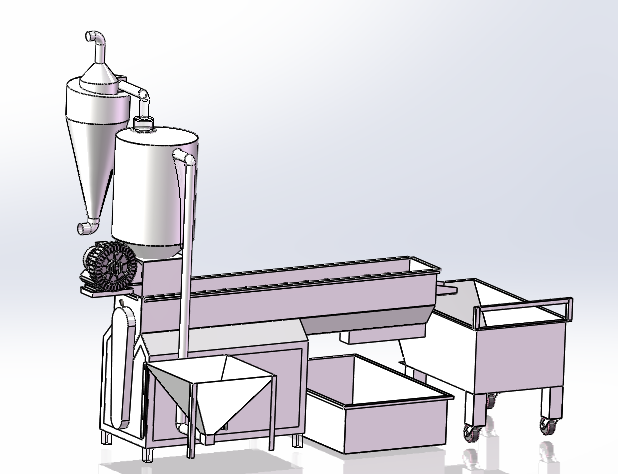
The sesame-washer manual lists a feeding hopper, suction system, dust collection, washing tank, main washer, water pump, control cabinet, and a trolley or trough that drains free water after washing.
- Uses spiral agitation in a water-filled tank
- Separates settled mud, sand, stones, and selected metal pieces through bottom cleaning
- Transfers washed sesame to passive draining
- May require a separate drying or roasting step afterward
Legacy integrated claim
Washing with a powered centrifugal section
This page’s previous copy describes automatic transfer from washing into a high-speed perforated drum for surface-water removal.
- Requires a separately identified dryer or dewatering module
- Needs its own drive, guard, drainage jacket, and cleaning access
- Must be shown on the final general-arrangement drawing
- Requires a material-specific throughput and discharged-moisture test
Documented washer components
Build the wet section as a connected material and water system
These components come from the related sesame-washer manual. A centrifugal dryer should be added to the list only when it is explicitly included in the proposal.
| Section | Role in the process | Items to confirm |
|---|---|---|
| Ground feeding hopper and suction pipe | Receives raw sesame and transfers it toward the washer. | Feed height, pipe route, suction distance, and dust control. |
| Material suction and dust tanks | Support pneumatic transfer and collect dust released during feeding. | Cleaning access, filter arrangement, and discharge method. |
| Water tank and main washer | Hold wash water while spiral blades agitate and move the sesame. | Working water level, contact materials, access, and cleanout. |
| Large cleaning valve | Removes settled mud, sand, and other heavy material after operation. | Valve size, floor clearance, safe cleanout, and collection point. |
| Small drain valve | Discharges dirty wash water from the tank. | Drain connection, sediment trap, and local wastewater requirements. |
| Draining trolley or trough | Collects washed sesame and removes free water before the next step. | Capacity, perforation, transfer method, and sanitation access. |
| Optional centrifugal dewatering module | Mechanically removes additional surface water when included. | Model, speed, motor, guard, drainage, throughput, and moisture test. |
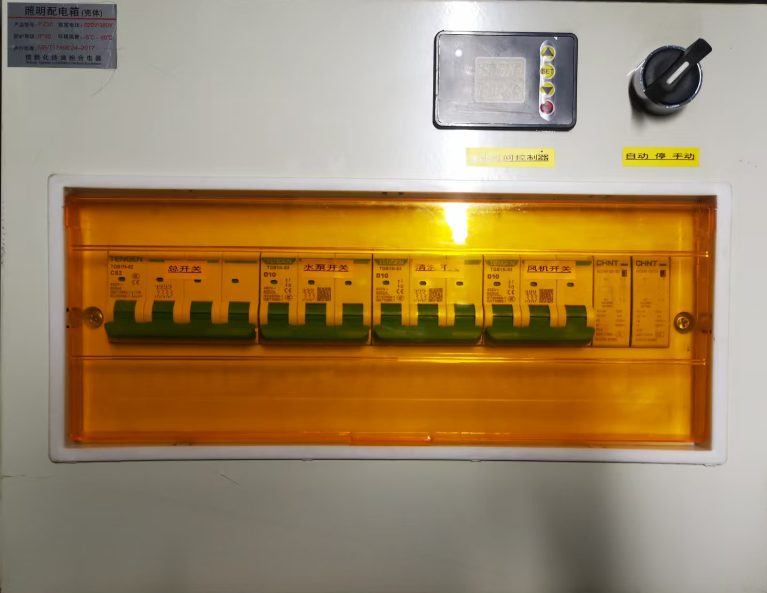
| Electric control cabinet | Controls the supplied motors, pump, and operating sequence. | Manual or automatic functions, interlocks, voltage, and documentation. |
Existing site media
Use the images to identify modules, not as a final specification
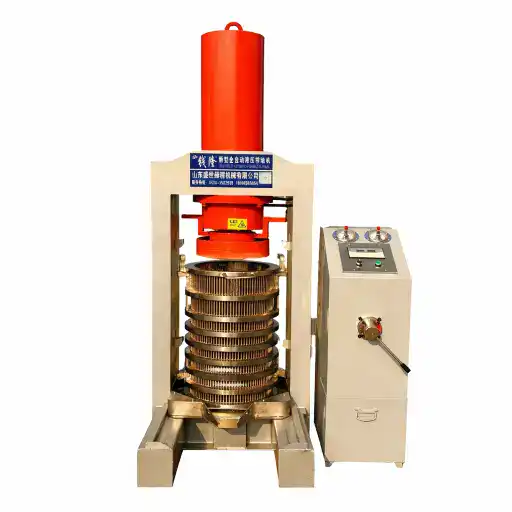
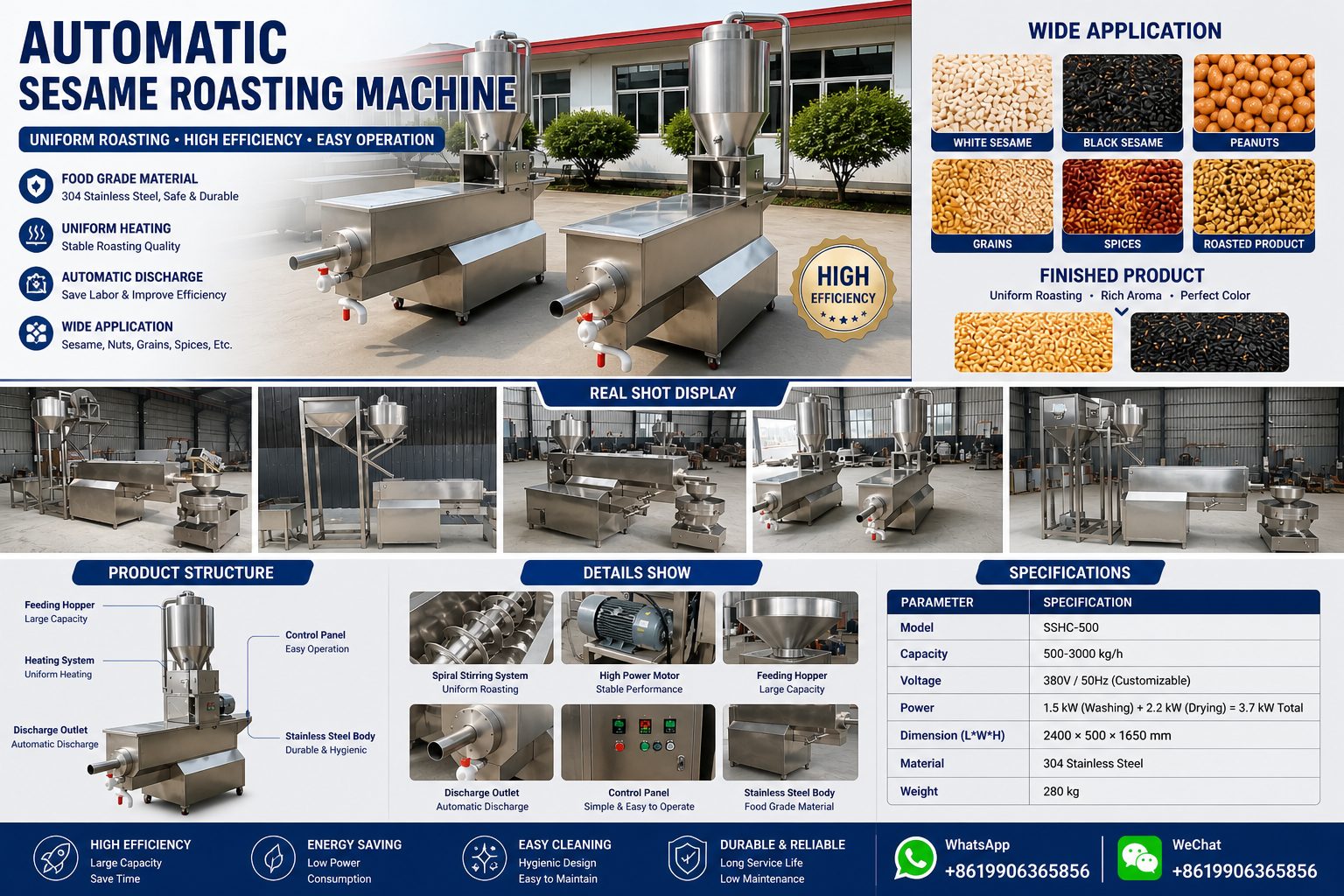
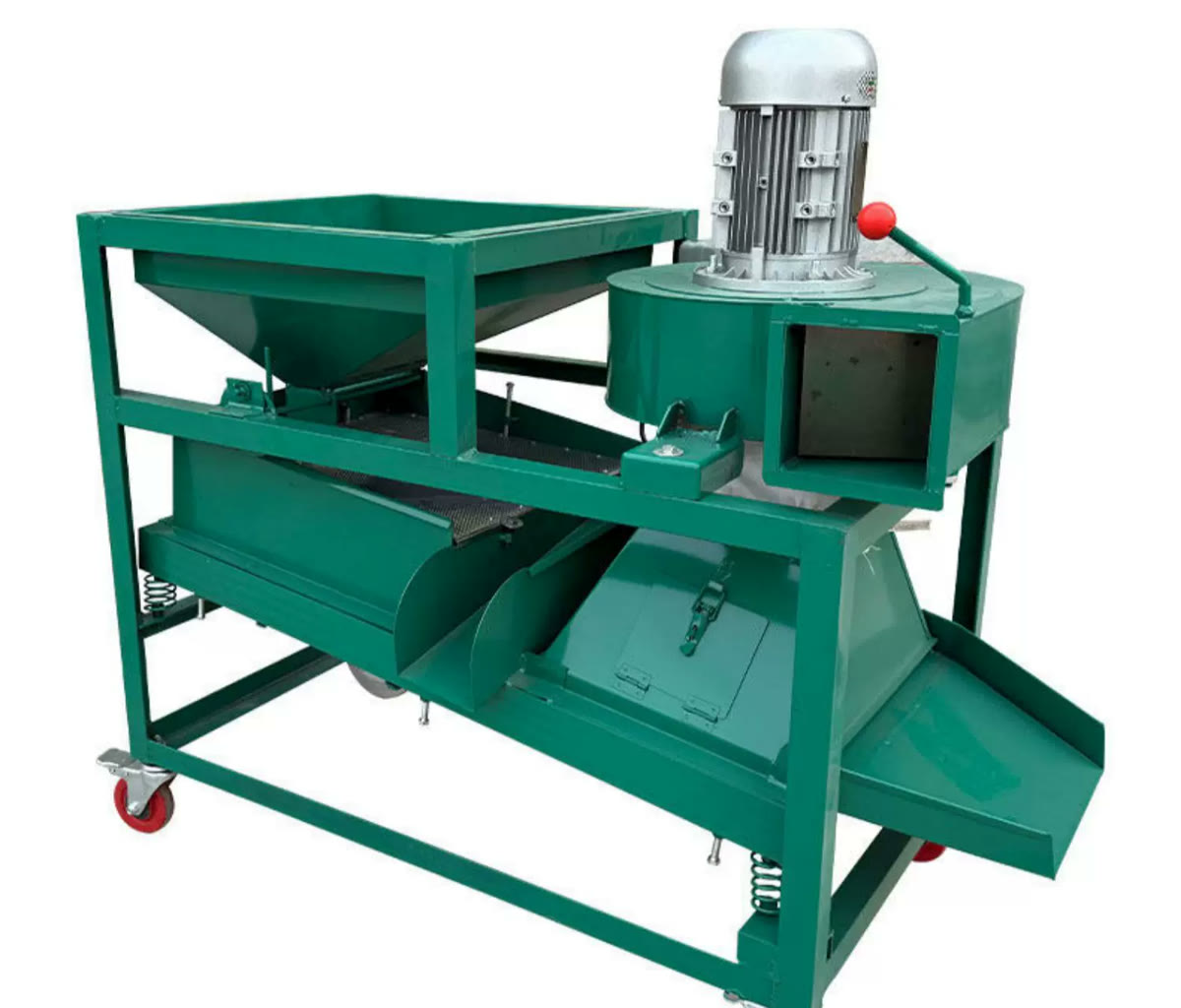
The current media includes a system drawing, a control cabinet, a stainless equipment collage, and the separate dry-screening machine. The collage contains inconsistent labeling, so the signed drawing must govern the delivered scope.
Legacy numerical entries
Resolve the source conflicts before using any capacity figure
The previous page text and its visible poster do not describe the same model. The table below records the conflict without presenting either set as a confirmed specification.
| Item | Previous page text | Visible poster entry | Required confirmation |
|---|---|---|---|
| Capacity range | 300–2000 kg/h across multiple models | 500–3000 kg/h for SSHC-500 | Model-by-model test basis for the actual sesame and included modules. |
| Installed power | 5.5 kW to 18.5 kW across the stated range | 3.7 kW total, shown as 1.5 + 2.2 kW | Motor list and electrical single-line diagram for the quoted machine. |
| Overall size | 3.5 x 1.2 x 1.8 m to 6.5 x 1.6 x 2.2 m | 2400 x 500 x 1650 mm | Signed general-arrangement and foundation drawing. |
| Water use | 0.3–0.5 m³ per ton | Not stated | Single-pass or recirculated water balance and wastewater volume. |
| Dewatering result | Surface moisture within 1.5% above original seed moisture | Not stated | Test method, incoming moisture, residence time, and discharged sample result. |
| Contact material | SUS304 on product-contact surfaces | 304 stainless steel | Material list identifying every wet-side and product-contact component. |
No price table is carried forward
The final cost depends on whether the project includes dry screening, pneumatic feeding, washer, passive draining, powered dewatering, water recirculation, controls, and downstream transfer. Request a quote against a defined equipment list and drawing.
Working-video review
Identify the exact modules shown in the footage
Use the existing video during technical confirmation. Ask the supplier to mark the feeding, washing, impurity discharge, draining or dewatering, and final sesame-discharge points on the proposed layout.
Site and utility planning
Design the wet area before fixing the workshop layout
- Clean-water source, pressure, storage, and approved contact quality
- Floor slope, sediment collection, wastewater treatment, and drain capacity
- Separation between raw, washed, and roasting-ready sesame
- Electrical protection for motors and controls in a wet processing area
- Access for tank cleaning, valve service, trolley movement, and dryer inspection
Buyer configuration checklist
Send the seed condition and required outlet condition
- Representative raw sesame sample, photos, and impurity types
- Required hourly input and daily operating schedule
- Dry screening already available or required in the project
- Washing only, washing plus draining, or powered dewatering
- Next process: roasting, thermal drying, pressing, or another use
- Power supply, workshop dimensions, water constraints, and destination
Related sesame preparation pages
Compare dry cleaning, wet cleaning, and the complete line
Define the sesame outlet condition before requesting the machine
Send the raw-seed sample, impurity profile, hourly input, washing requirement, target surface-water condition, next process, utilities, workshop dimensions, and destination.