Sesame line budget planning
Define the equipment boundary before asking what the line costs
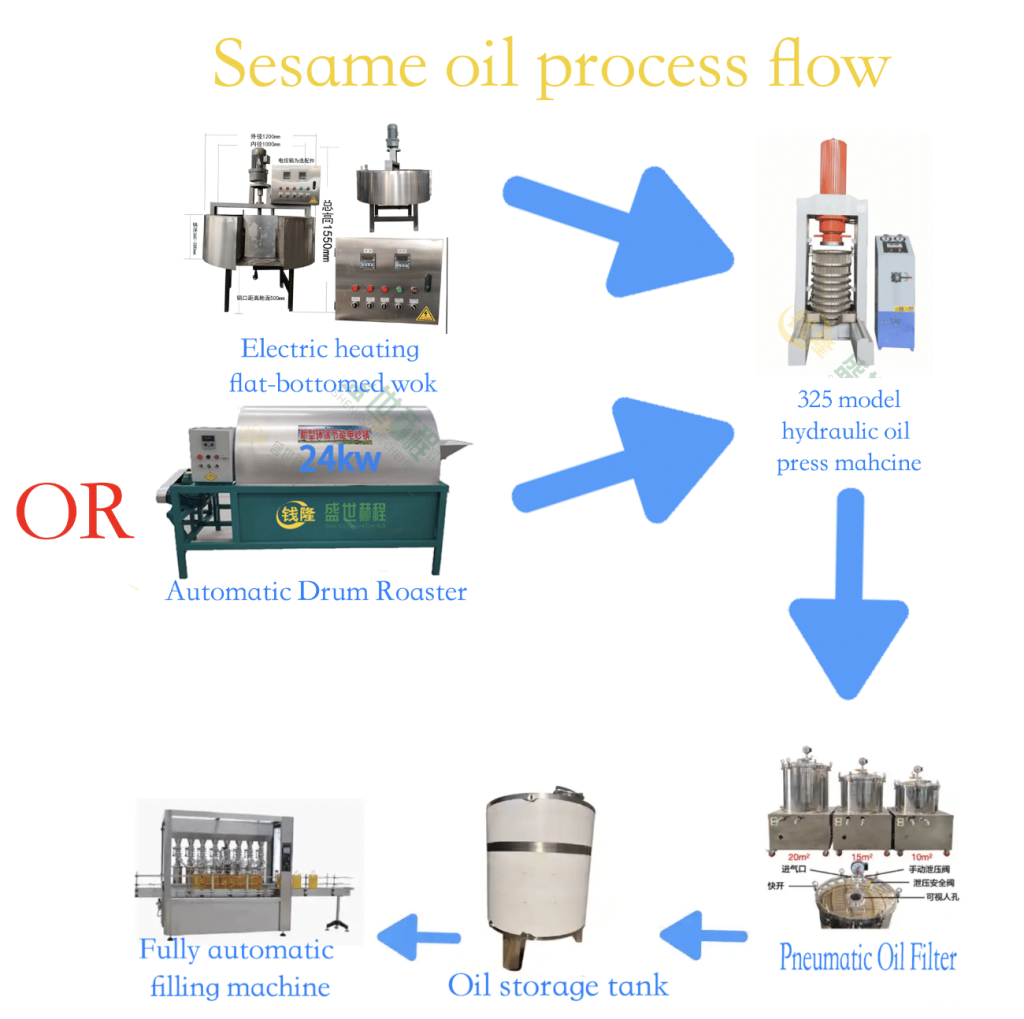
A sesame project may start with cleaned seed and end at filtered crude oil, or it may include screening, washing, drying, roasting, storage, refining, bottling, and end-of-line packaging. Those are different quotations. This page explains the scope and cost drivers without publishing unverified prices.
Why this page does not show a fixed price table
The previous version published equipment and line prices, output bands, shipping percentages, annual maintenance percentages, market premiums, and payback periods without a dated quotation, tested configuration, destination, or supporting commercial source. Those figures are not a reliable basis for procurement. A current quotation should state model, quantity, scope, exclusions, Incoterm, validity, and technical assumptions.
Scope levels
Four practical boundaries produce four different budgets
Select the start and finish point that match the material you buy and the product you sell.
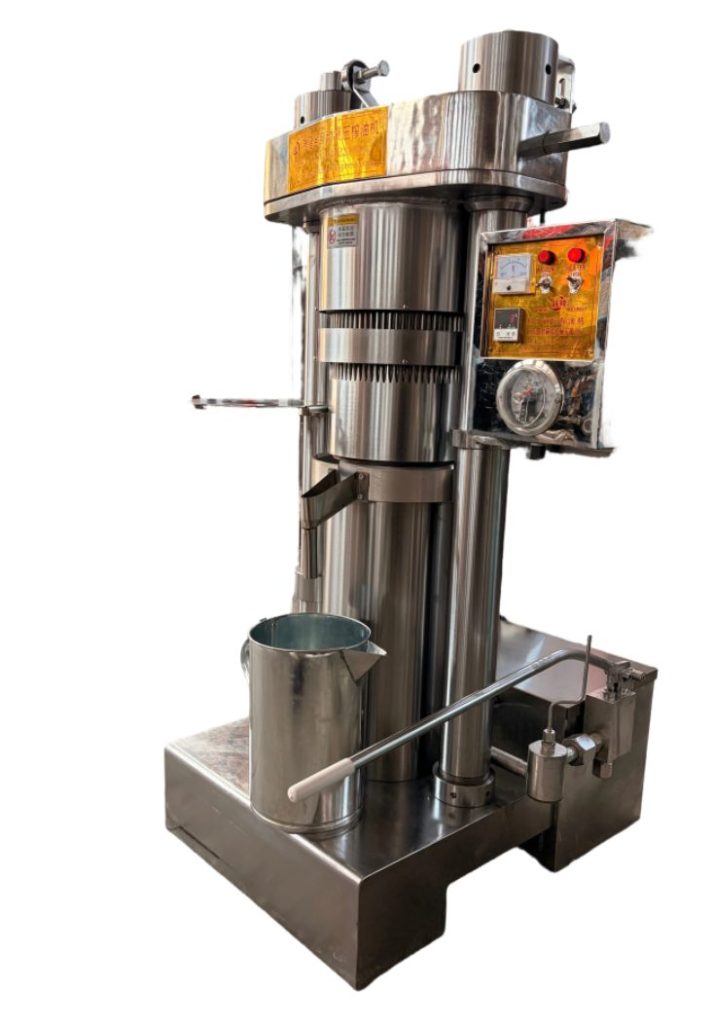
Press section only
Buyer supplies process-ready sesame. Scope may include roasting, hydraulic pressing, basic filtration, commissioning items, and agreed spare parts.
Review small sesame presses →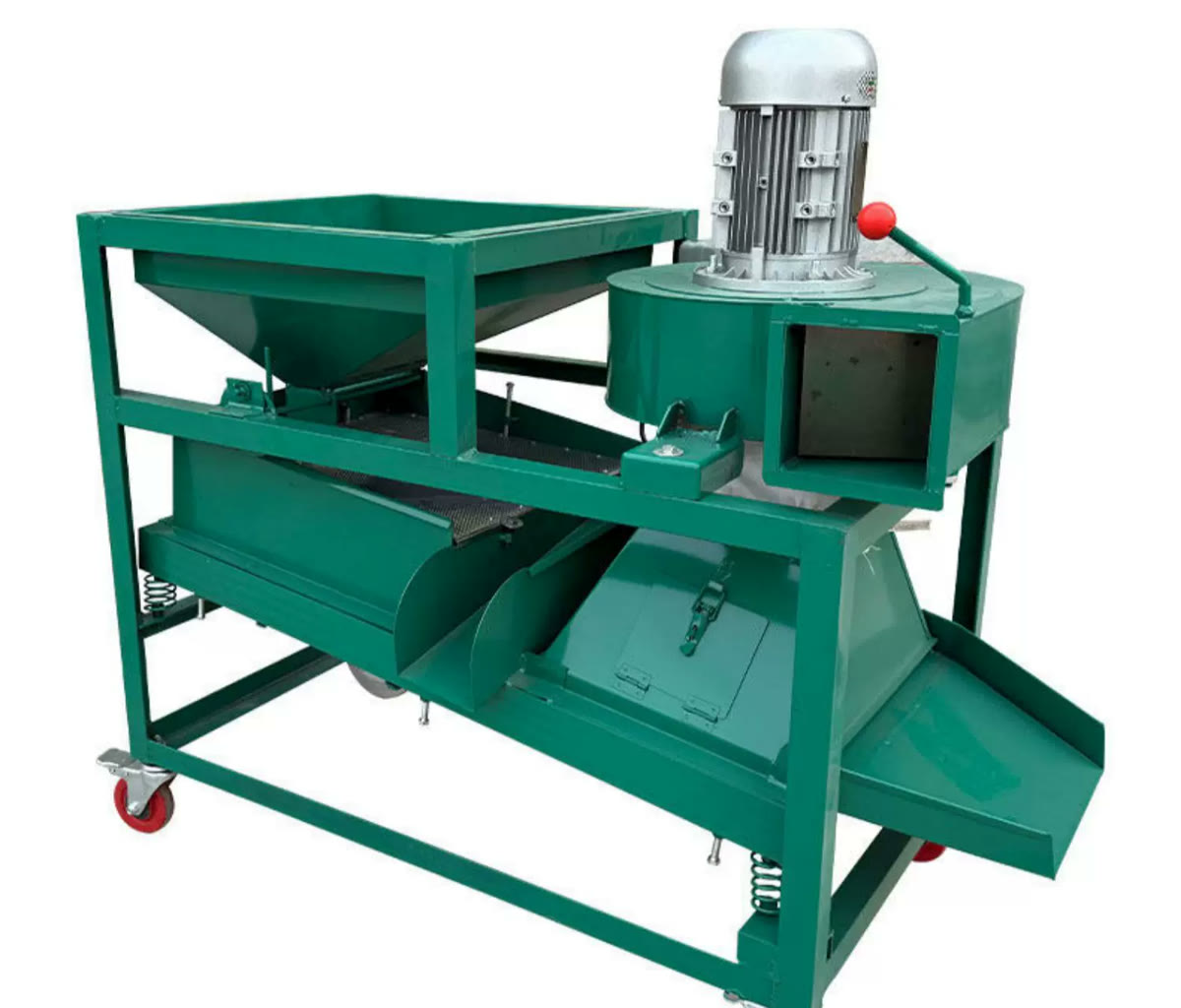
Prepared-seed line
Add screening and, where required, washing, draining, drying, roasting, material transfer, and dust control before pressing.
Review sesame pre-cleaning →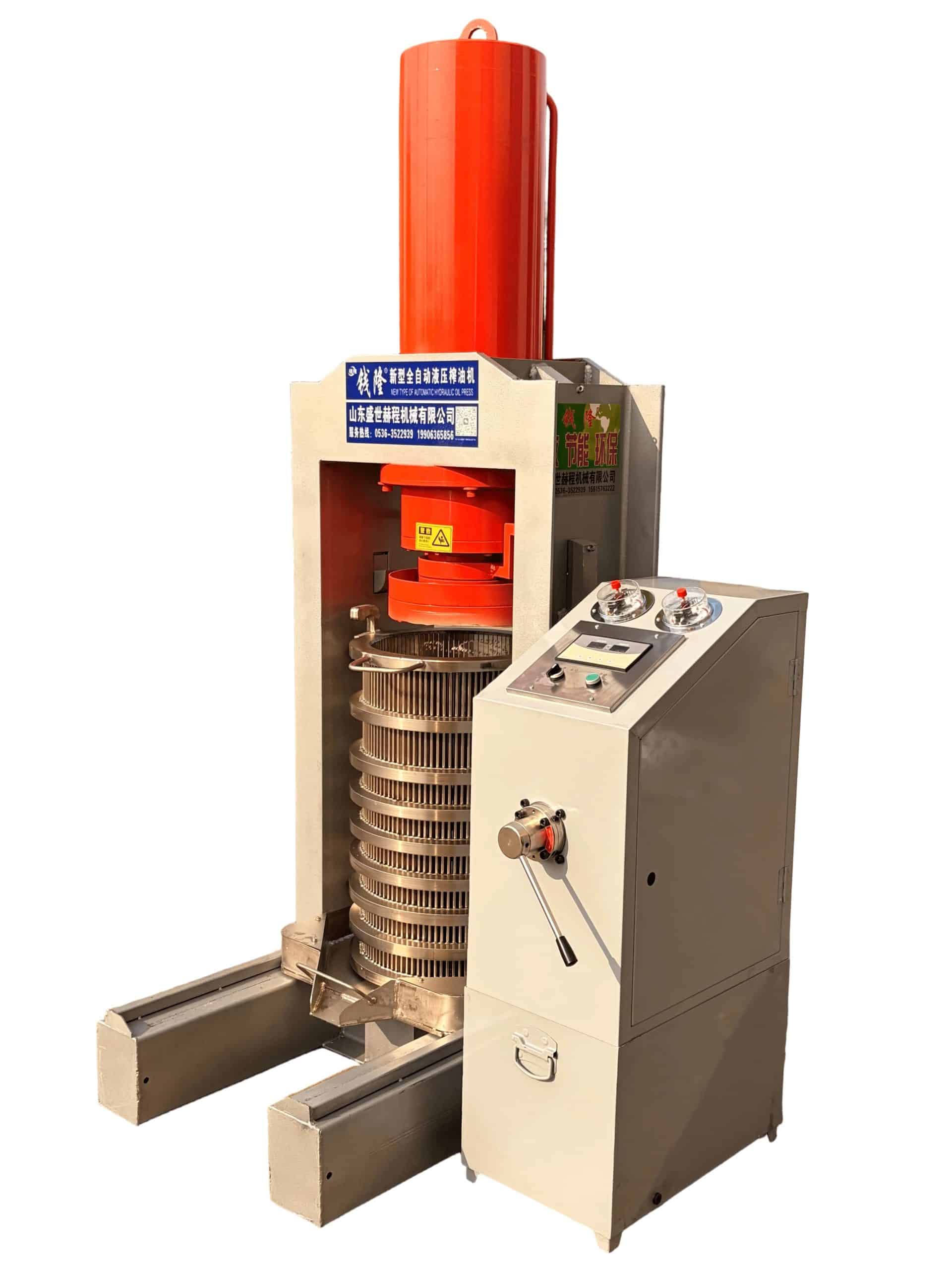
Commercial press and oil-handling line
Add multiple matched preparation and press units, larger filtration, oil transfer, clean storage, cake handling, and the required controls.
Review commercial hot presses →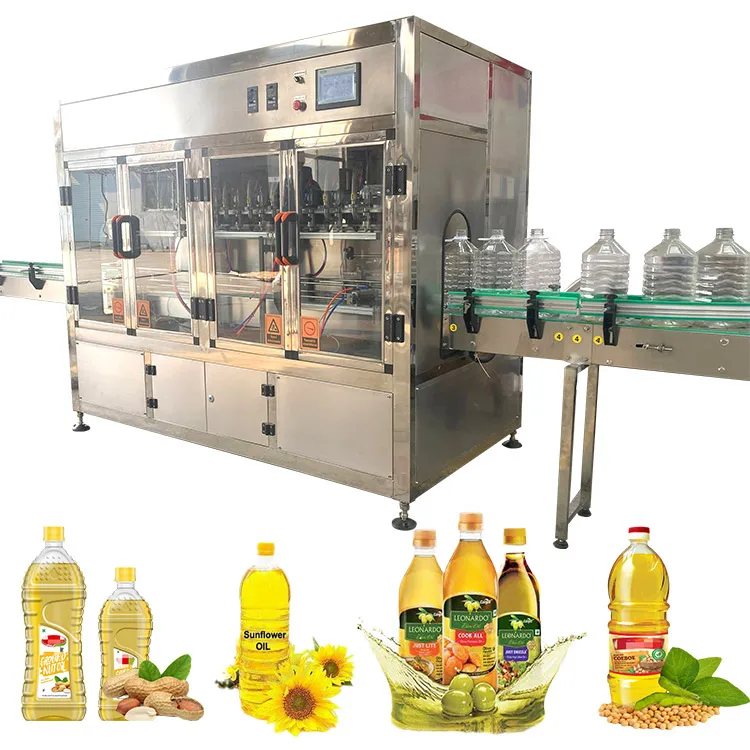
Bottled-oil project
Add tanks, transfer pumps, optional treatment required by the product specification, filling, capping, labeling, coding, and packing.
Review filling equipment →Primary budget drivers
The cost moves when the process, quantity, construction, or site scope changes
| Driver | What changes | Information needed for quotation |
|---|---|---|
| Incoming sesame | Dry screening, destoning, aspiration, washing, draining, drying, or no front-end equipment. | Seed type, sample, moisture, impurities, and purchased-material specification. |
| Process route | Roaster type, heat source, batch handling, barrel, partitions, and press family. | Required oil style, roast target, sample test, and daily operating plan. |
| Line balance | Number and size of cleaners, roasters, presses, filters, tanks, and operators. | Raw-material input per shift, shifts, actual tested cycle, and changeover plan. |
| Materials of construction | Product-contact metal, surface finish, seals, hoses, tank construction, and cleanability. | Food-contact requirement, local standard, buyer specification, and cleaning method. |
| Oil finishing | Filtration area, settling or storage, optional refining, transfer, and filling. | Required oil specification, laboratory acceptance, tank volume, and package format. |
| Automation | Manual transfer, conveyors, pumps, controls, sensors, bottle handling, and end-of-line modules. | Operator plan, required controls, container details, and integration boundary. |
| Electrical and utilities | Motors, heaters, panels, voltage conversion, steam or water support, and air supply. | Voltage, phase, frequency, available power, water, compressed air, and heat source. |
| Delivery scope | Packing, freight, insurance, duties, installation travel, local labor, civil work, and commissioning. | Destination, Incoterm, port or site, access, installation division, and schedule. |
| Service package | Wear parts, commissioning spares, tools, manuals, remote support, and training. | Requested spare period, language, training format, and local maintenance capability. |
Quotation architecture
Ask suppliers to price the same boundary
A low headline price may simply exclude preparation, filters, tanks, controls, packing, or site support. Use one scope table for every quotation.
Minimum quotation schedule
Require each commercial offer to identify what is included
- Model, quantity, function, and manufacturer for every supplied machine
- Confirmed capacity basis and material test conditions
- Dimensions, weight, power, utilities, and product-contact materials
- Controls, guards, cables, pipes, platforms, tanks, and transfer equipment
- Standard accessories, wear parts, commissioning spares, and tools
- Factory test, documentation, packing, Incoterm, destination, and validity
- Installation, commissioning, training, local labor, and travel division
- Explicit exclusions and buyer-supplied items
Capacity must use one common basis
Do not compare a cleaner’s kilograms per hour, a roaster’s kilograms per batch, a press’s maximum barrel load, and a filling line’s bottles per hour as though they were the same capacity. Convert every stage into a practical shift schedule using tested cycle and handling time.
Cost-control decisions
Reduce unnecessary scope without creating a bottleneck
Start from the purchased material
Do not buy washing, drying, or destoning equipment if a contracted supplier already delivers material that meets a verified processing specification. Conversely, do not omit front-end equipment when the actual sesame contains contaminants the press line cannot accept.
- Set an incoming-seed acceptance specification
- Test supplier lots against the intended route
- Price optional preparation modules separately
Stage packaging only when the business permits it
A project selling filtered oil in bulk does not need the same first-stage equipment as a retail bottled-oil line. Keep clean storage and transfer provisions compatible with later filling expansion where practical.
- Define bulk, food-service, or retail package
- Confirm bottle, cap, label, and carton before automation
- Separate future options from the firm initial scope
Related planning pages
Define each module before requesting the final budget
Restored original media
Sesame line and batch-pressing videos
The original production-line and hot-pressing videos are restored to the cost guide.
Sesame oil production line video
Watch a Sesame Oil Line in Operation
Sesame hydraulic oil press line video
Original operating reference restored from the earlier page.
Original page media
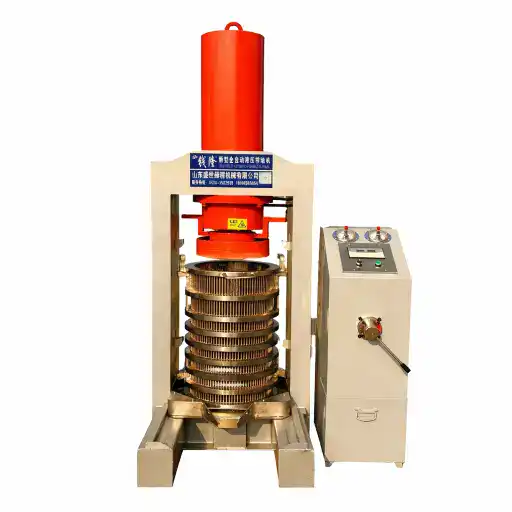
Model 325 press used in a sesame oil line
The original model 325 machine photograph is restored to the equipment-cost guide.
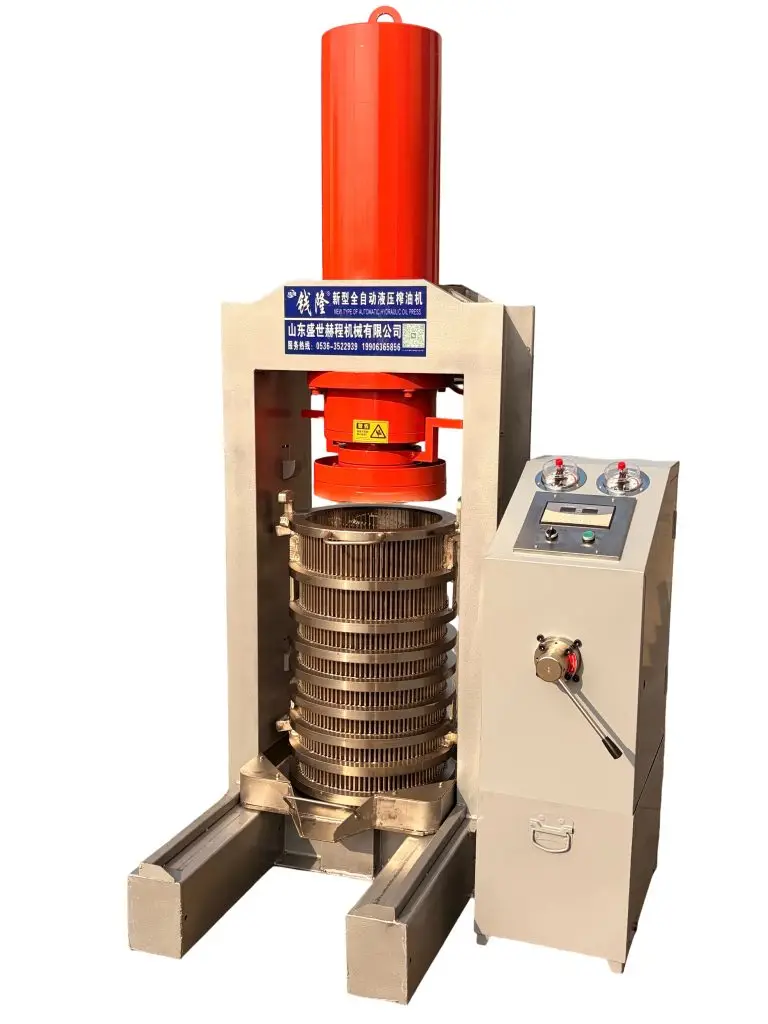
Model 325 hydraulic oil press
Core hydraulic pressing machine used in a hot-pressed sesame oil production line.
Request a sesame quotation with a clear start and finish point
Send the sesame sample or purchase specification, incoming impurities, required process and oil result, daily input, shifts, cleaning and roasting scope, bottle or bulk format, utilities, workshop dimensions, destination, Incoterm, installation division, and spare-parts request.