
On this page
- Why Small Sesame Oil Press Machines Are Popular in Retail
- What Makes a Good Shop Business Machine?
- Typical Model Range for Shop Use
- Why Sesame Works Well for a Shop Model
- Important Buying Factors
- Shop Business vs Factory Business
- Profit Logic of a Fresh Oil Shop
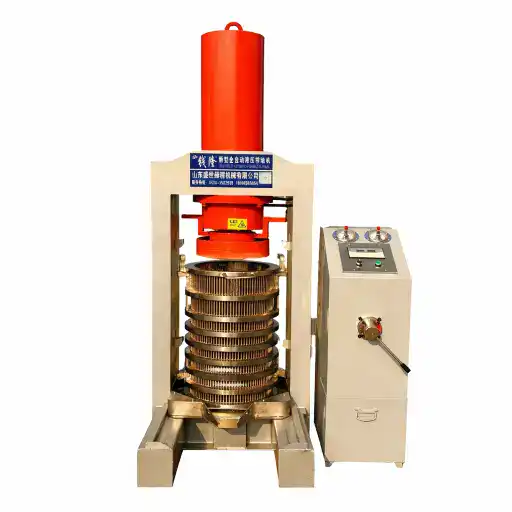
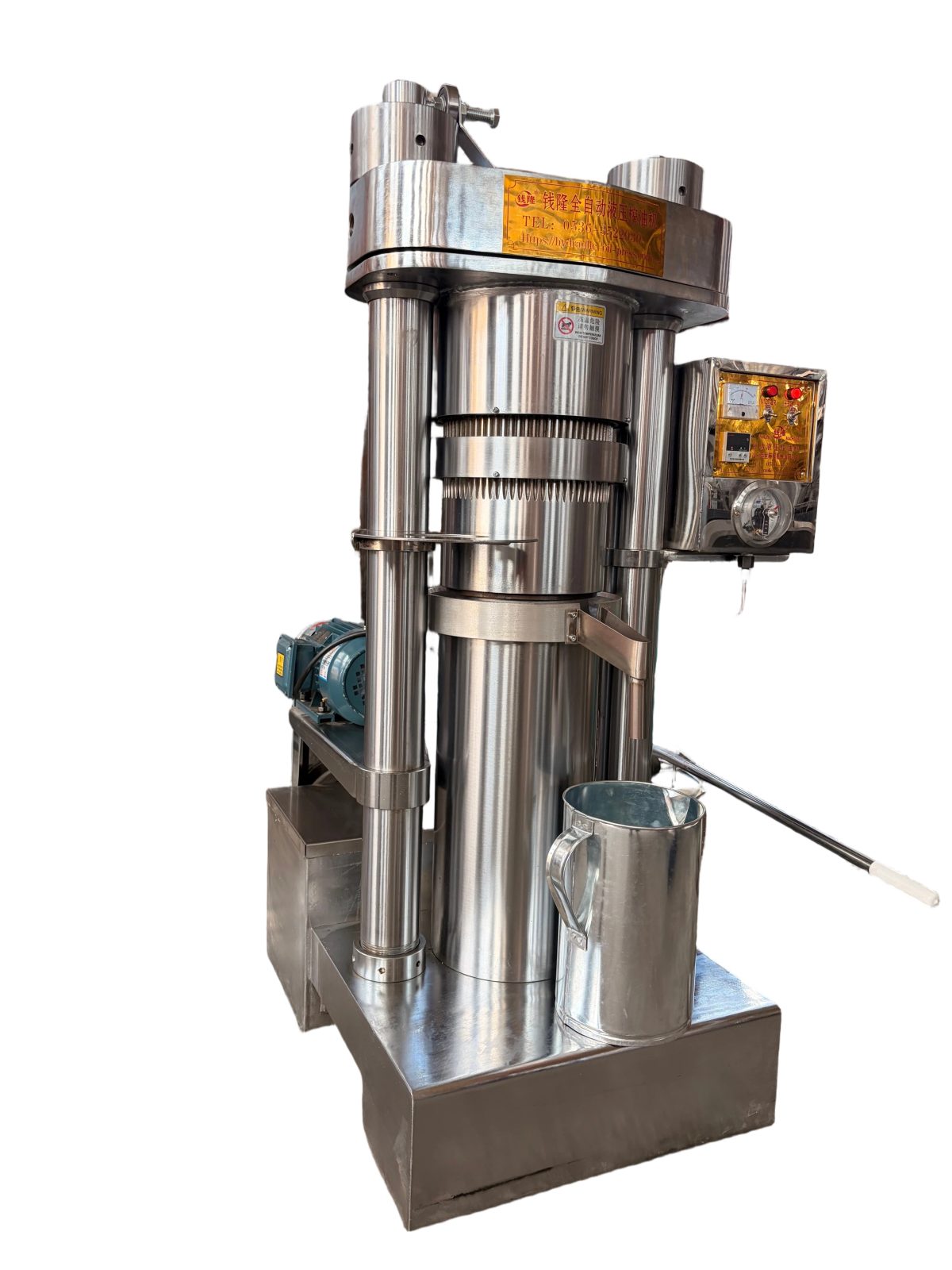
- Related Product Image and Demo Use
- Mistakes to Avoid
- FAQ
- Planning a Sesame Oil Shop?
- Related Shop Business Pages
Small sesame oil press machine for shop business is not just a machine topic. It is a retail business topic. Buyers choose this type of equipment not only for output, but because it helps sell fresh oil, build customer trust and create a premium local brand.
That is why choosing a shop sesame oil press is different from choosing a factory production line. In a retail environment, visible operation, clean appearance, simple workflow and practical batch size matter as much as capacity.
This guide explains what kind of machine works best for shop business and what buyers should evaluate before investing.
Why Small Sesame Oil Press Machines Are Popular in Retail
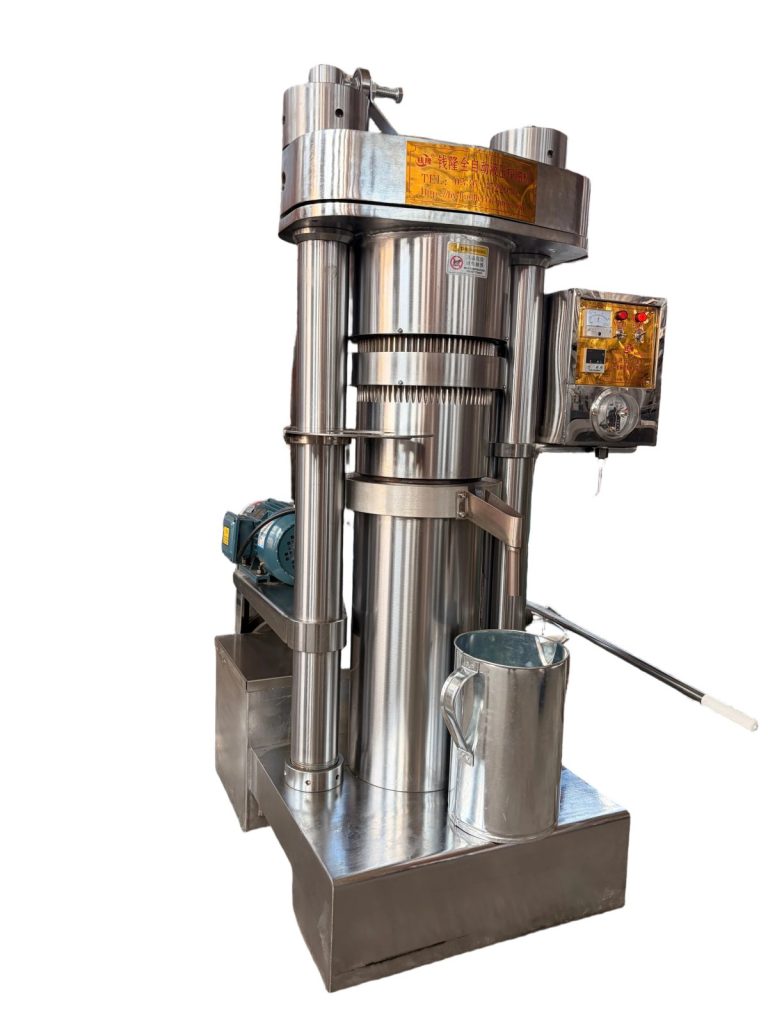
Fresh oil selling has strong appeal in many markets. Customers like seeing the pressing process directly. It makes the oil feel more natural, more authentic and more trustworthy. Sesame oil is especially suitable for this model because it has strong aroma, strong identity and premium retail value.
That is why compact Korean type oil press systems and small hydraulic sesame oil press machines are attractive to startup investors and local specialty shops.
What Makes a Good Shop Business Machine?
- Compact size
- Clean and attractive appearance
- Stable pressing performance
- Simple operation
- Reasonable batch size
- Good customer-facing presentation
In many shop businesses, the best machine is not the largest one. It is the one that matches customer flow, available store space and daily sales target.
Typical Model Range for Shop Use
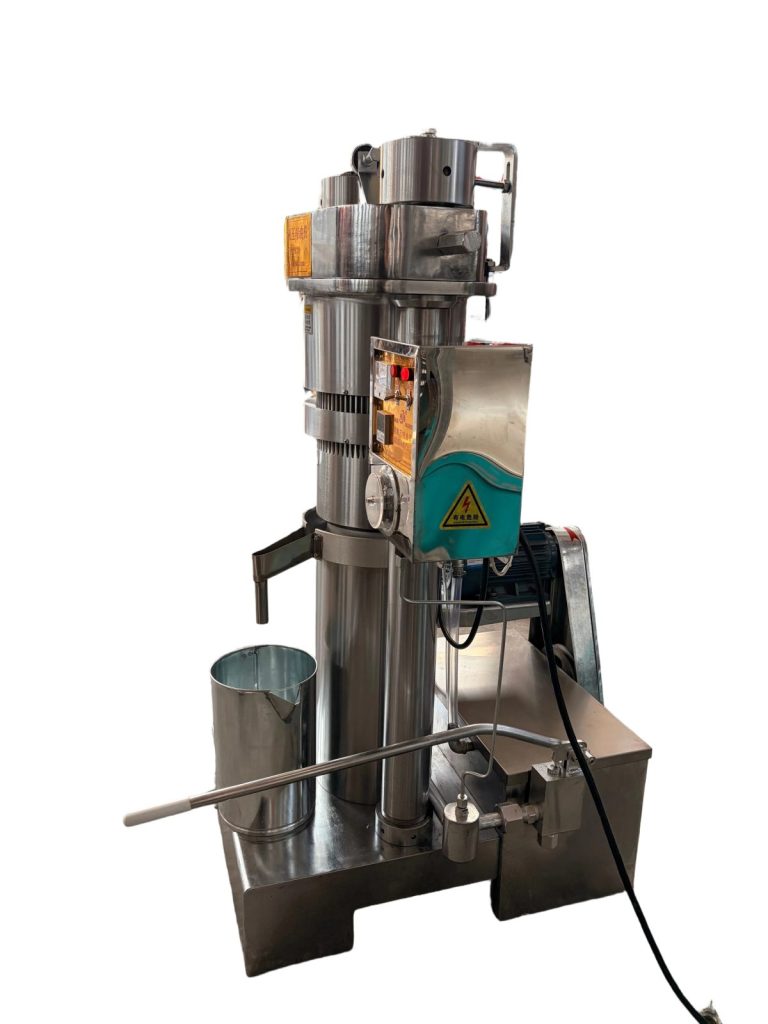
In practical shop projects, small sesame oil press machines in the 10 kg, 15 kg and 20 kg range are often attractive. These models are easier to install and better suited to retail use than large industrial systems.
Korean type oil press machines are also well known in this segment because they fit the fresh oil shop model very naturally.
Why Sesame Works Well for a Shop Model
Sesame is one of the best materials for fresh oil retail because of its premium value, clear product identity, strong aroma and suitability for smaller-batch direct sales. Instead of competing with bulk low-margin oil, a sesame oil shop competes through freshness, trust and premium positioning.
Important Buying Factors
Batch size
You need a batch size that matches daily customer demand. Too small may reduce selling efficiency; too large may waste space and investment.
Appearance and hygiene
Since the machine is customer-facing, stainless steel appearance and clean structure matter much more than in a hidden workshop.
Ease of operation
Retail staff need a machine that is easy to use and easy to maintain.
Oil quality
The machine should support stable production of clean, attractive sesame oil that customers are willing to buy at premium price.
Shop Business vs Factory Business
A shop machine is ideal when your goal is local direct selling, premium branding and fresh oil demonstration. If your goal is large-volume wholesale supply, a full production line is usually the better path.
In short: shop machines are about retail value, while factory machines are about volume efficiency.
Profit Logic of a Fresh Oil Shop
The value of this business is often not only in the oil itself. It is in the sales story:
- Freshly pressed oil
- Visible production process
- Higher trust
- Premium pricing
- Repeat local customers
That is why many buyers start with one shop machine, validate the local market and expand later.
Related Product Image and Demo Use
Images from your current product pages already work well for this topic because they show the machine in a real business presentation style. That helps both SEO and conversion.
Mistakes to Avoid
- Buying a machine that is too large for the store
- Focusing only on low price
- Ignoring customer-facing appearance
- Choosing a model without thinking about maintenance
- Expecting factory-level output from a retail machine
FAQ
What is the best small sesame oil press machine for a shop?
The best model depends on your store space, expected daily sales and whether you prefer a Korean type machine or a compact hydraulic sesame oil press.
Is a 10kg, 15kg or 20kg machine better?
It depends on the business scale. Smaller stores may prefer lower batch size, while busier locations may need a larger small-business model.
Can a shop machine also be used for profitable business?
Yes. Many buyers choose these machines because fresh oil retail can support premium pricing and stronger customer trust.
Should I start with a small shop machine before a factory line?
For many markets, yes. It is a practical way to test demand before expanding to larger production.
Planning a Sesame Oil Shop?
If you want to start a fresh oil retail business, tell us your market, store space and expected daily sales. We can recommend the right small sesame oil press machine for shop business and help you choose a practical starter model.
Related Shop Business Pages
Project planning
Configure the right oil press and production line
Send your oilseed, target output, bottle or packaging requirements, power supply, and destination country. We will match the machine, supporting equipment, and line layout.