
On this page
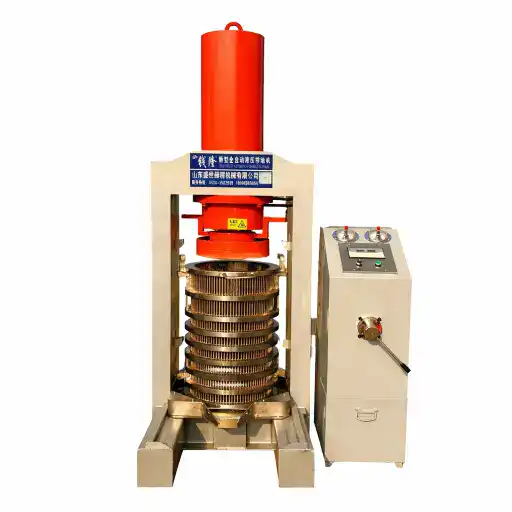
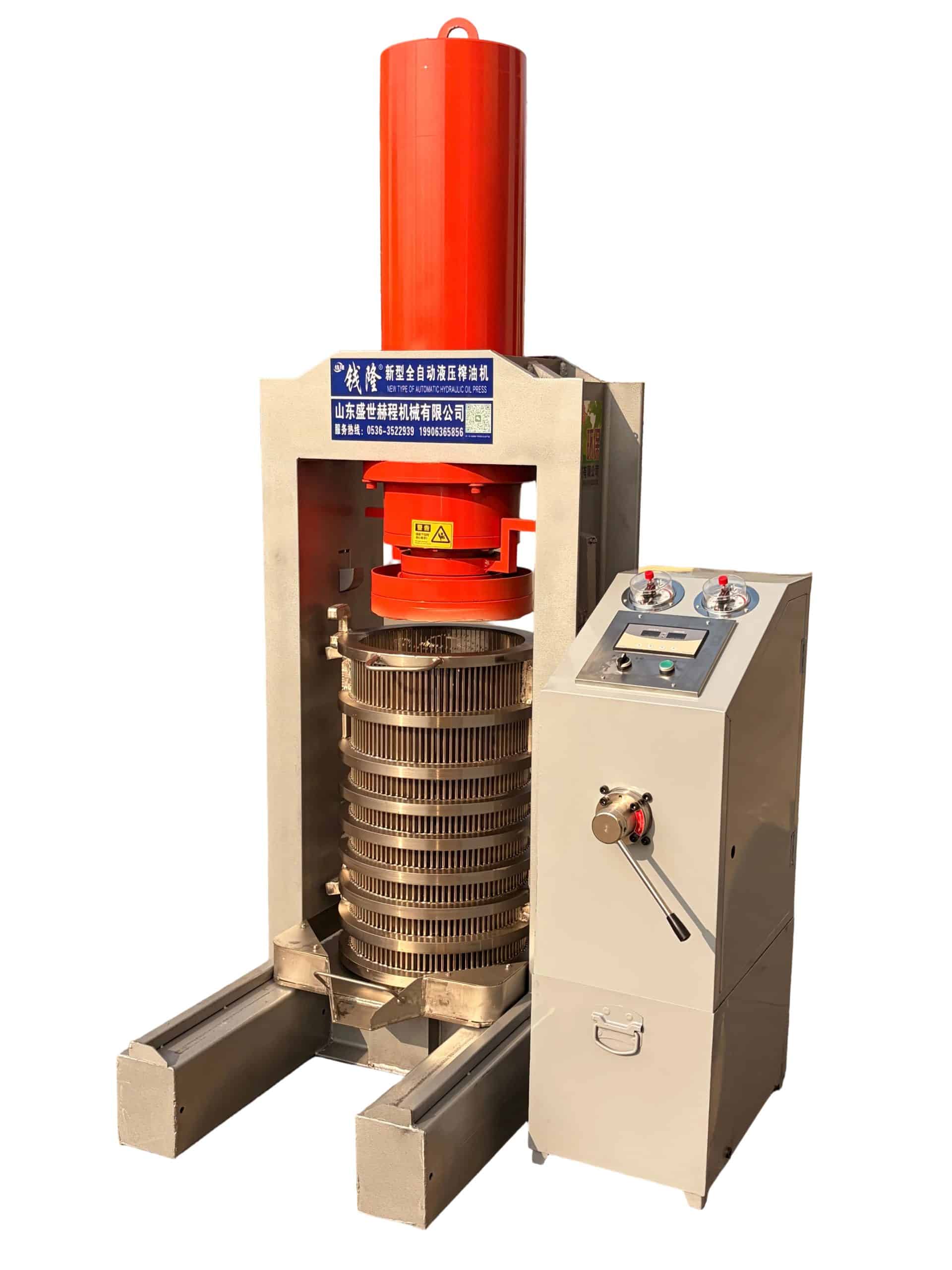
An oil press business has three kinds of cost: the machines you buy once, the seed you buy every day, and everything else that keeps the shop open. Buyers usually ask about the first and underestimate the second. This page walks through each with the figures we use when we quote a hydraulic oil press setup, and shows how to check the margin yourself before you buy anything.
1. Machines: the one-off cost
The press is the largest single item, but rarely the whole bill. What else you need depends on the seed. A hot-press line for peanut needs a pre-press machine and a roaster in front of the press; sesame needs only the roaster. Walnut or almond for cold pressing needs only a crusher. A filter is needed by anyone selling bottled oil.
| Model | Press force | Typical use |
|---|---|---|
| 300 | About 300 t | Hot press; sesame in the 300 mm barrel |
| 325 | About 325 t | Hot press; our most-sold model |
| 355 | About 370 t | Cold press |
| 400 | About 410 t | Cold press |
| 426 | About 500 t | Cold press, hard kernels |
| 480 / 500 | About 600 / 630 t | Cold press, highest cake pressure |
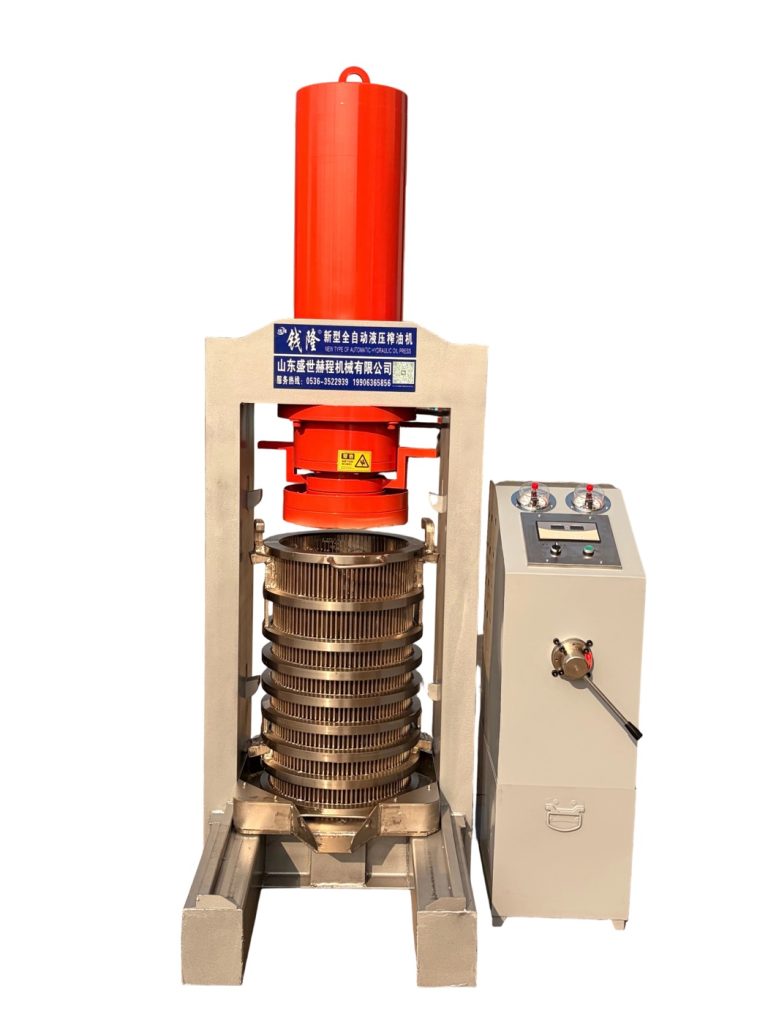
Typical equipment for one press, by material, is in the table on oil seeds for a hydraulic press. Add freight, import duty, installation and a spare-parts kit before you compare quotes. For per-model price ranges see the price guide.
2. Raw material: the daily cost
Seed is where the money goes once you are running. One press on hot-pressed peanut works through about ten loads of 60–80 kg in an eight-hour shift, so 600–800 kg of seed a day. At that volume, a small change in seed price matters more than any difference between two machine quotes.
| Hot press (300 / 325) | Cold press (355–500) | |
|---|---|---|
| Material | Roasted or steamed seed | Clean, crushed seed or kernels |
| Load per barrel (390 mm) | 60–80 kg; up to about 100 kg after pre-pressing | 60–80 kg |
| Pressing time | About 30–40 min | About 2 h |
| Loads in an 8-hour shift | About 10 (roughly 1.3 per hour) | About 4 |
3. Running costs
- Labor: one operator per press for loading and unloading; a second person if you roast and filter as well.
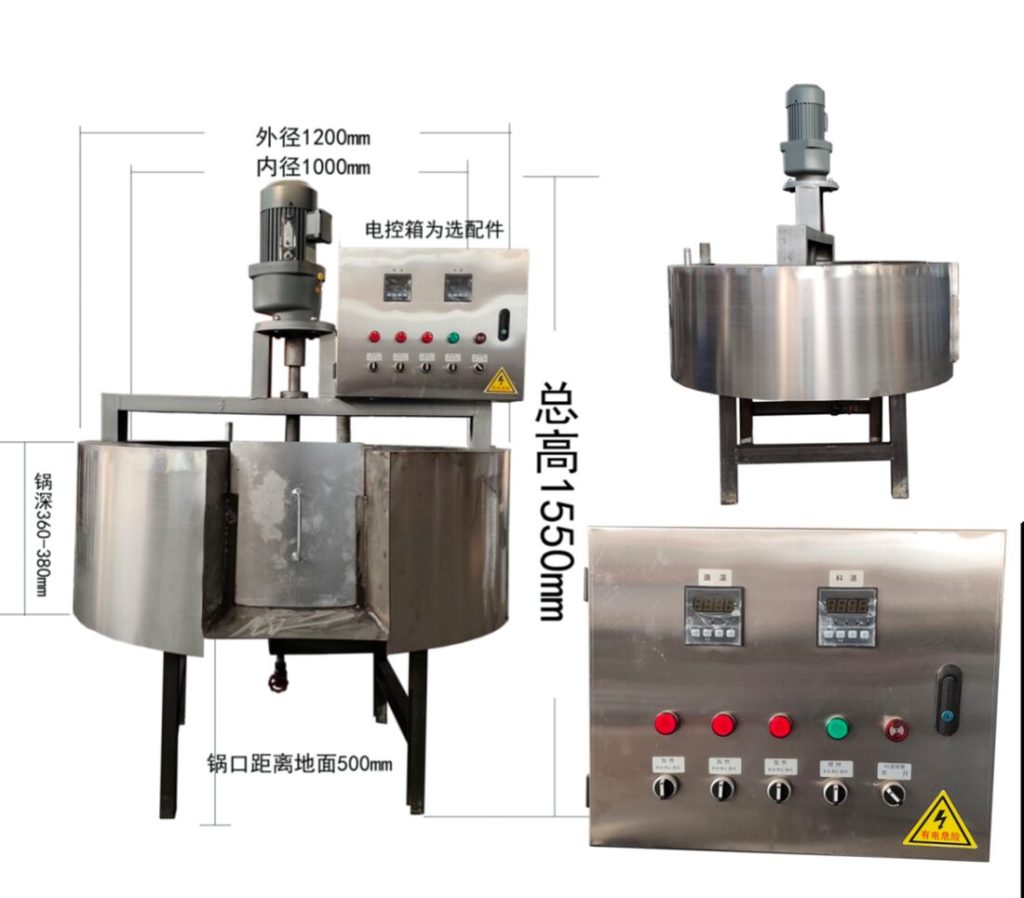
- Power: the press motor, plus the roaster or steamer, which draws far more than the press. Our flat-bottom thermal-oil roaster is rated 27 kW.
- Hydraulic oil: about 75 kg of 46# anti-wear oil, changed every six months.
- Filter paper if you use a paper-leaf filter, and bottles, caps and labels if you sell packed oil.
- Rent: a single press with a roaster and filter fits in a shop of about 30–50 m².
4. Check the margin before you buy
Profit examples that only compare the price of a kilogram of seed with a kilogram of oil are wrong: it takes about two kilograms of 50% seed to make one kilogram of oil. Work it out per 100 kg of seed instead:
| Line | How to calculate |
|---|---|
| Oil income | Kg of oil from 100 kg seed × your oil price |
| Cake income | Kg of cake × local cake price (feed or fertilizer) |
| Seed cost | 100 kg × seed price |
| Processing cost | Labor, power, filter paper and packaging for that batch |
| Margin | Oil income + cake income − seed cost − processing cost |
If the margin is thin at your local prices, a bigger press will not fix it. Fresh-pressed oil sold directly to customers, a higher-value seed, or a toll-pressing service usually will.
Related Reads
- How Much Does It Cost to Start an Oil Mill?
- Hydraulic Oil Press ROI and Profit Expectations
- Peanut Oil Shop Business: the Binzhou Model
- Hydraulic Oil Press 300 and 325 Hot-Press Models
FAQ
Which model should a first oil shop buy?
For hot-pressed peanut, sesame or sunflower oil, the 325. It is our most-sold model. For cold-pressed walnut, almond or flax, a model from the 355–500 series.
Can one press handle different seeds?
Yes. The same press handles most oilseeds; what changes is the equipment in front of it (roaster, steamer or crusher) and, for sesame, the 300 mm barrel.
What is the biggest cost after the machine?
Seed. One hot-press machine uses 600–800 kg a day, so seed cost outweighs every other running cost.
Get a setup for your seed and output
Tell us the seed, how much you want to press a day, and your local seed and oil prices. We will send a machine list and work through the margin with you.
Project planning
Configure the right oil press and production line
Send your oilseed, target output, bottle or packaging requirements, power supply, and destination country. We will match the machine, supporting equipment, and line layout.