
On this page
If your business is a sesame oil shop, a supermarket counter or a Korean-style fresh-oil stand, you do not need an industrial press — you need a small, automatic machine that presses clean oil in front of the customer, runs on ordinary power and fits in a retail space. That is exactly what our Korean-type small hydraulic oil press machines are built for. They come in three sizes — KHOP-10KG, 15KG and 20KG — and this guide explains what they are, how the three compare, and which one matches your shop.
What a Korean-type small oil press is
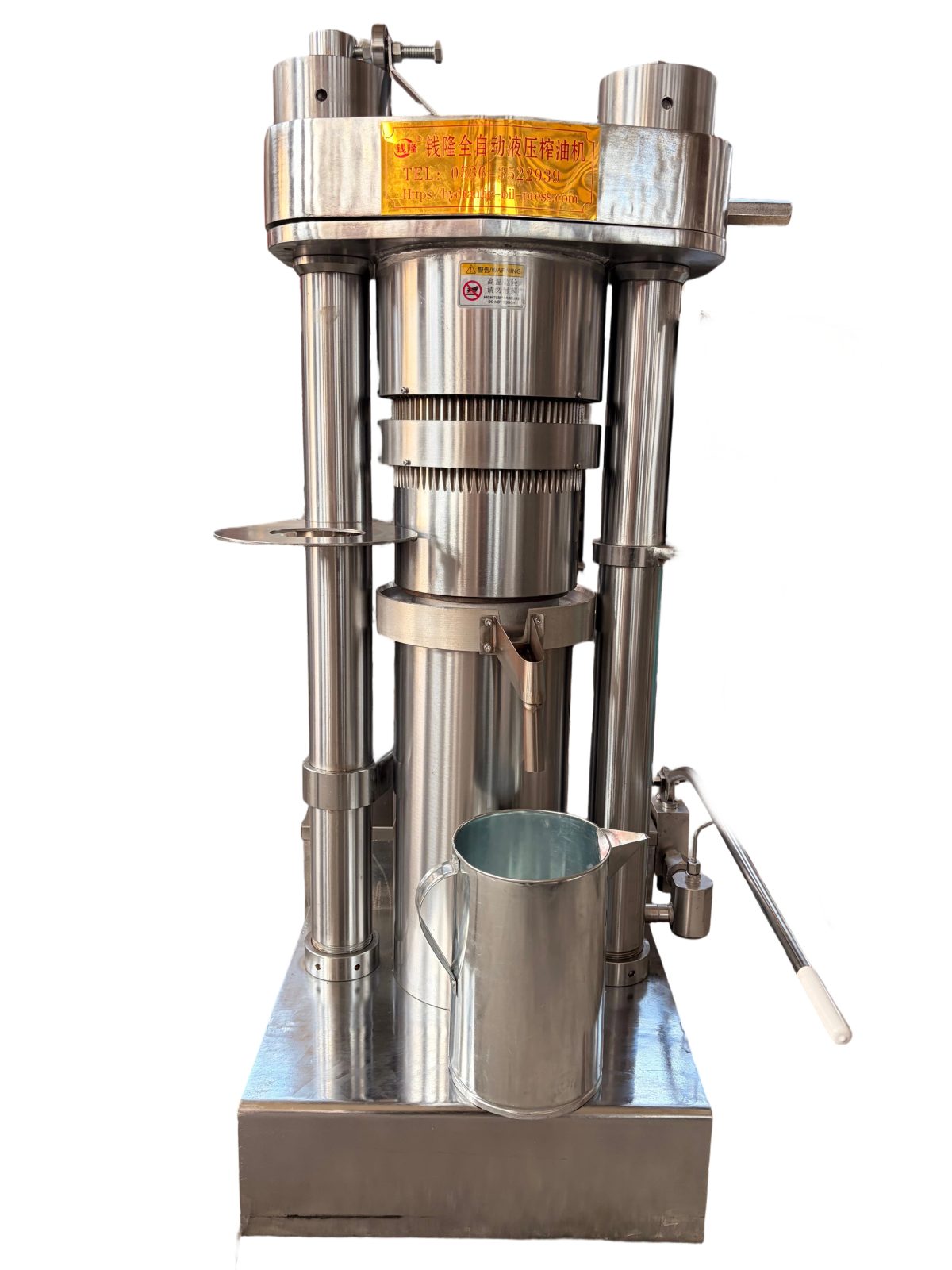
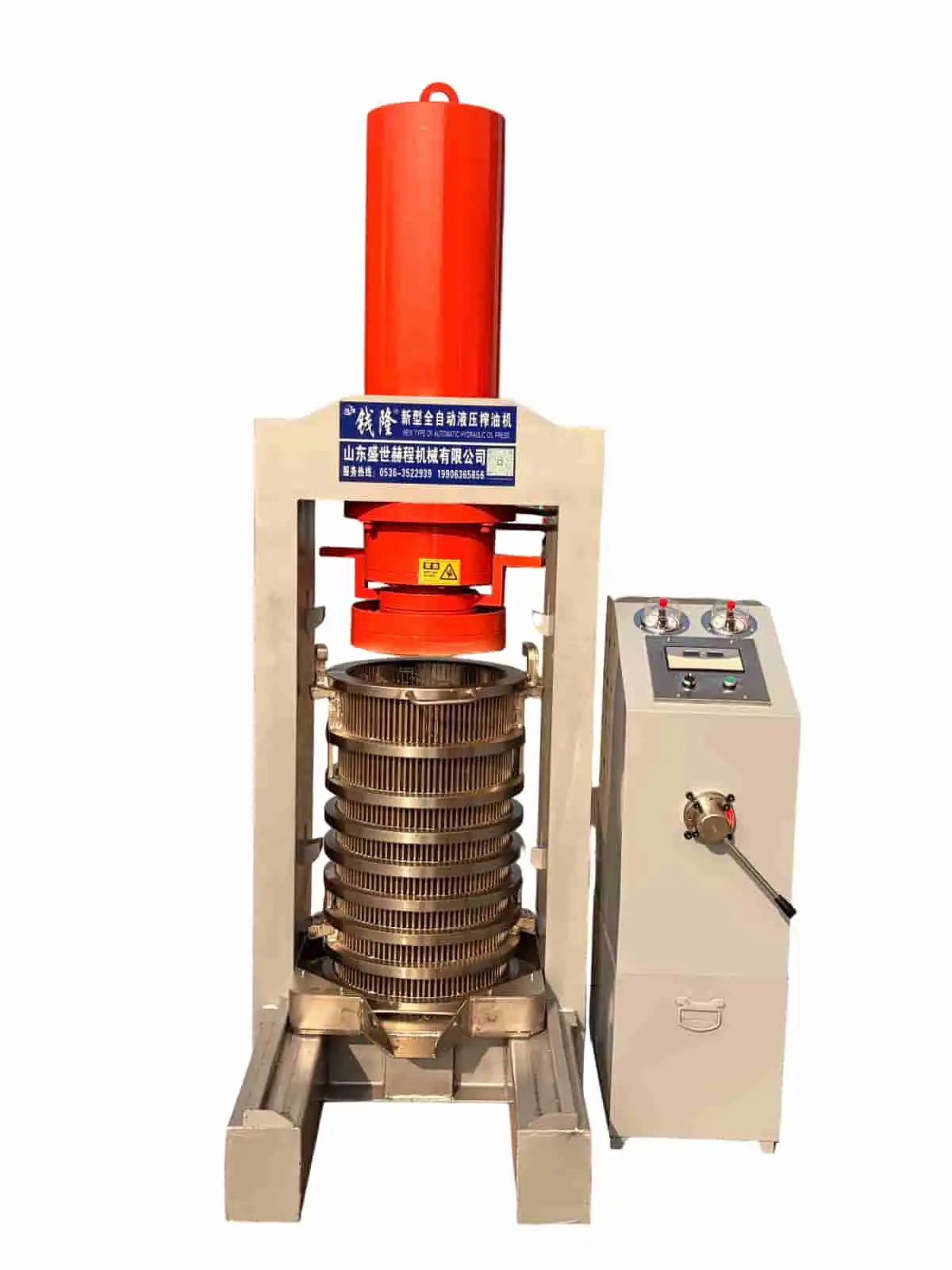
These are automatic hydraulic presses designed for small-scale, fresh oil selling rather than factory production. The press cycle is automated, so an operator does not need to manage pressure by hand the way traditional manual sesame pressing requires — you load the heated material, the machine builds and holds pressure, and oil flows to the tray and into your collection container. The result is steady quality, easy operation and a machine clean and presentable enough to run in front of customers.
The style is widely known as a Korean-type sesame oil press because it mirrors the small, automatic presses used in Korean sesame and perilla oil shops. They are primarily optimized for sesame oil, which is where they do their best work, though they can press some other small oilseeds.
The three models: 10, 15 and 20 kg
All three share the same automatic-hydraulic design and the same retail-friendly footprint; they differ in batch size, daily capacity and the scale of business they suit. Here are the full specifications:
| Model | KHOP-10KG | KHOP-15KG | KHOP-20KG |
|---|---|---|---|
| Daily capacity | 1.0 t / 24 h | 1.8 t / 24 h | 2.1 t / 24 h |
| Machine size | 950 × 850 × 1550 mm | 1100 × 950 × 1590 mm | 1230 × 1120 × 1630 mm |
| Weight | 1000 kg | 1550 kg | 1800 kg |
| Voltage | 380V / 220V | 380V / 220V | 380V |
| Power | 1.5 kW | 1.5–4 kW | 2.2–4 kW |
| Operation | Automatic hydraulic | Automatic hydraulic | Automatic hydraulic |
| Best for | Small shop / market testing | Growing shop / small workshop | Shop + workshop, stable demand |
Which model fits your business
KHOP-10KG — testing the market. The entry model, around 1.0 ton a day, on the lowest investment. It runs on 220V or 380V, weighs about 1000 kg and is the right pick when you are opening a single small shop or trying fresh-pressed sesame oil as a new product line without committing much capital.
KHOP-15KG — the popular choice. The most common pick for small commercial use: about 1.8 tons a day, a stronger upgraded hydraulic system, and the flexibility of 220V or 380V. It suits a shop that is already selling and wants higher throughput, or a small workshop supplying a few retail points.
KHOP-20KG — stable, higher demand. The largest of the three at about 2.1 tons a day and 380V power. Recommended for customers with steady, proven demand — a busy shop plus small workshop, or someone supplying several outlets who needs the extra batch size.
More than a machine: the shop business model
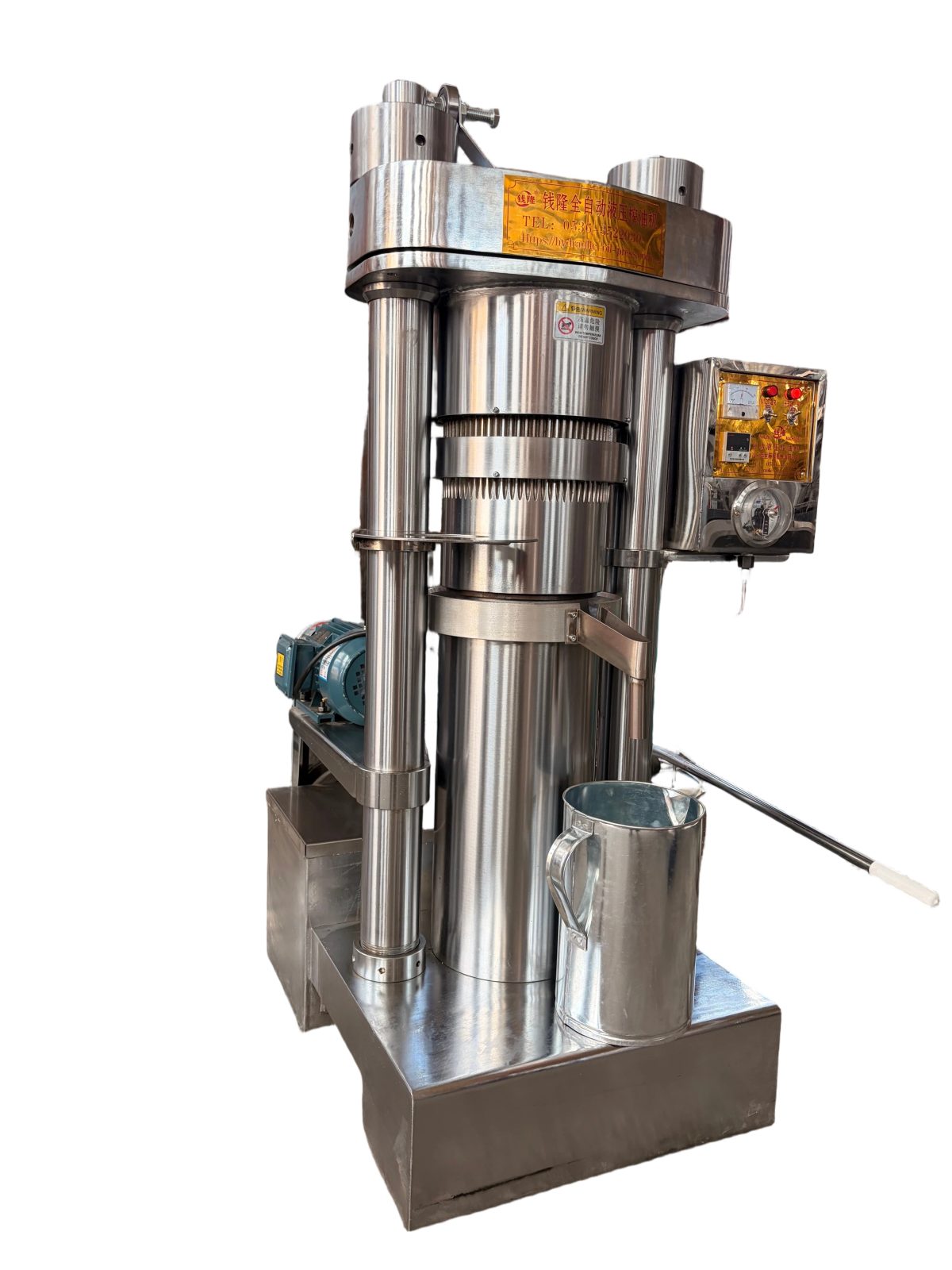
These presses are popular because they support a complete small-business model, not just an extraction step. Pressing fresh sesame oil in front of customers is itself the selling point — visible freshness, no industrial middleman, premium retail pricing. Many owners build a sesame oil shop, a supermarket fresh-oil counter or a Korean-style oil-pressing stand around exactly this machine, and the compact footprint and ordinary power supply are what make that possible in a retail unit.
What they press — and what they don’t
These models are built first for sesame — that is the material they are tuned for and where they give the best yield and the cleanest operation. They will also press a short list of other small, soft oilseeds and kernels:
- Sesame — recommended, the primary use
- Walnut kernel
- Tea seeds
- Pine nuts
- Almond
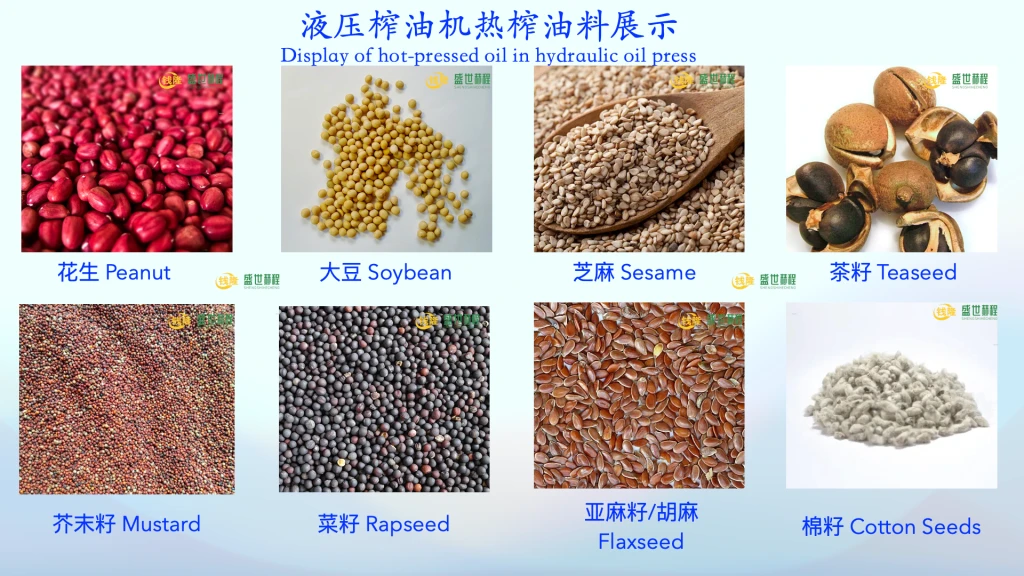
Where these machines are not the right tool is anything beyond that: hard-shelled or oil-rich industrial seeds (peanut, soybean, rapeseed, sunflower in volume), or any output that needs a bigger batch than a few kilos at a time. The small chamber and feeding bucket are built for shop-scale work, not factory throughput. If your plan needs a bigger feeding bucket or barrel, step up to the larger hydraulic models: the 300/325 hot-press models for workshop-scale batches, or the 355–500 cold-press range for premium cold-pressed production.
Who should choose a Korean-type small press
This machine is the right fit if you run or are starting a sesame oil shop, a fresh-oil retail counter or a Korean-style pressing business, want fresh oil pressed on site for customers, value a small footprint and standard power over raw output, and are sizing for shop or small-workshop volumes rather than factory production. If you need large-scale industrial output, a bigger hydraulic press or a full production line is the better route.
FAQ
What is the difference between the 10, 15 and 20 kg models?
Batch size and daily capacity. The 10KG does about 1.0 t/day, the 15KG about 1.8 t/day, and the 20KG about 2.1 t/day. They share the same automatic-hydraulic design; the larger models add throughput, weight and power.
What power supply do they need?
The 10KG and 15KG run on 220V or 380V, so they fit ordinary shop power; the 20KG is 380V. Power draw ranges from 1.5 kW on the 10KG up to about 4 kW on the larger models.
Can they press oilseeds other than sesame?
They are primarily optimized for sesame oil and do their best work there. They also press walnut kernel, tea seeds, pine nuts and almond. Hard-shelled or high-volume oilseeds like peanut, soybean, rapeseed or sunflower call for a larger 300/325 or 355–500 machine.
Which model is most popular?
The KHOP-15KG — it balances higher output with a moderate investment, which suits a shop that is already selling and wants to grow.
Are these automatic or manual?
Automatic hydraulic. The machine builds and holds pressing pressure on its own, replacing the hand-managed pressure of traditional manual sesame pressing.
Tell us your shop and we’ll size the press
Shengshi Hecheng builds Korean-type small hydraulic oil presses and complete edible oil lines, from single sesame oil shops to multi-outlet workshops. Tell us your daily output target, your oilseed and whether you are opening one shop or supplying several, and we’ll recommend the right KHOP model and the supporting setup. If your plan may outgrow a small press, we’ll flag that and point you to the larger models before you buy.
Related Reads
Project planning
Configure the right oil press and production line
Send your oilseed, target output, bottle or packaging requirements, power supply, and destination country. We will match the machine, supporting equipment, and line layout.