
On this page
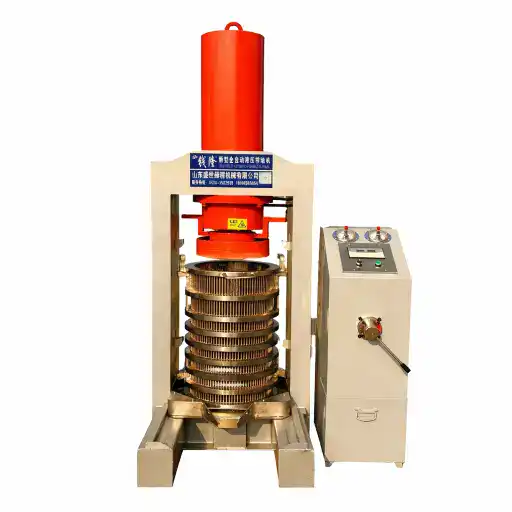
A hydraulic press that used to fill the barrel and run dry cake suddenly leaving more oil behind is one of the most common calls we get. The good news: yield loss almost always traces back to a short list of causes, and most of them cost nothing to fix. The trick is to check them in the right order — material and process first, machine last — so you do not replace a seal when the real problem was a cool press or wet seed. Here is that checklist.
Start with the material, not the machine
Before you touch the press, look at what goes into it. Most sudden yield drops are a material or preparation change, not a mechanical fault — and these cost nothing to correct.
- Moisture — seed that is too wet or too dry both press badly. There is a sweet spot for each oilseed; a new batch at the wrong moisture is the most common culprit.
- Particle size — under-crushed material does not release oil; over-crushed can pack and block drainage. Check the crusher and pre-press stage.
- Temperature (hot press) — if you hot-press, under-heated seed gives noticeably less oil. Confirm the cooking / roasting stage is hitting its usual temperature.
- New seed source or season — a different lot, origin or crop year can simply have lower oil content. Rule this out before blaming the press.
Then check the pressing process
If the material is right, look at how you are pressing. Rushing the cycle is a quiet yield killer on a hydraulic batch press.
- Hold time — hydraulic pressing needs the pressure held so oil keeps flowing. Releasing too early leaves oil in the cake. Compare your current cycle against how you used to run it.
- Barrel charge — over- or under-filling the barrel changes how evenly pressure reaches the cake. Keep to the charge that worked before.
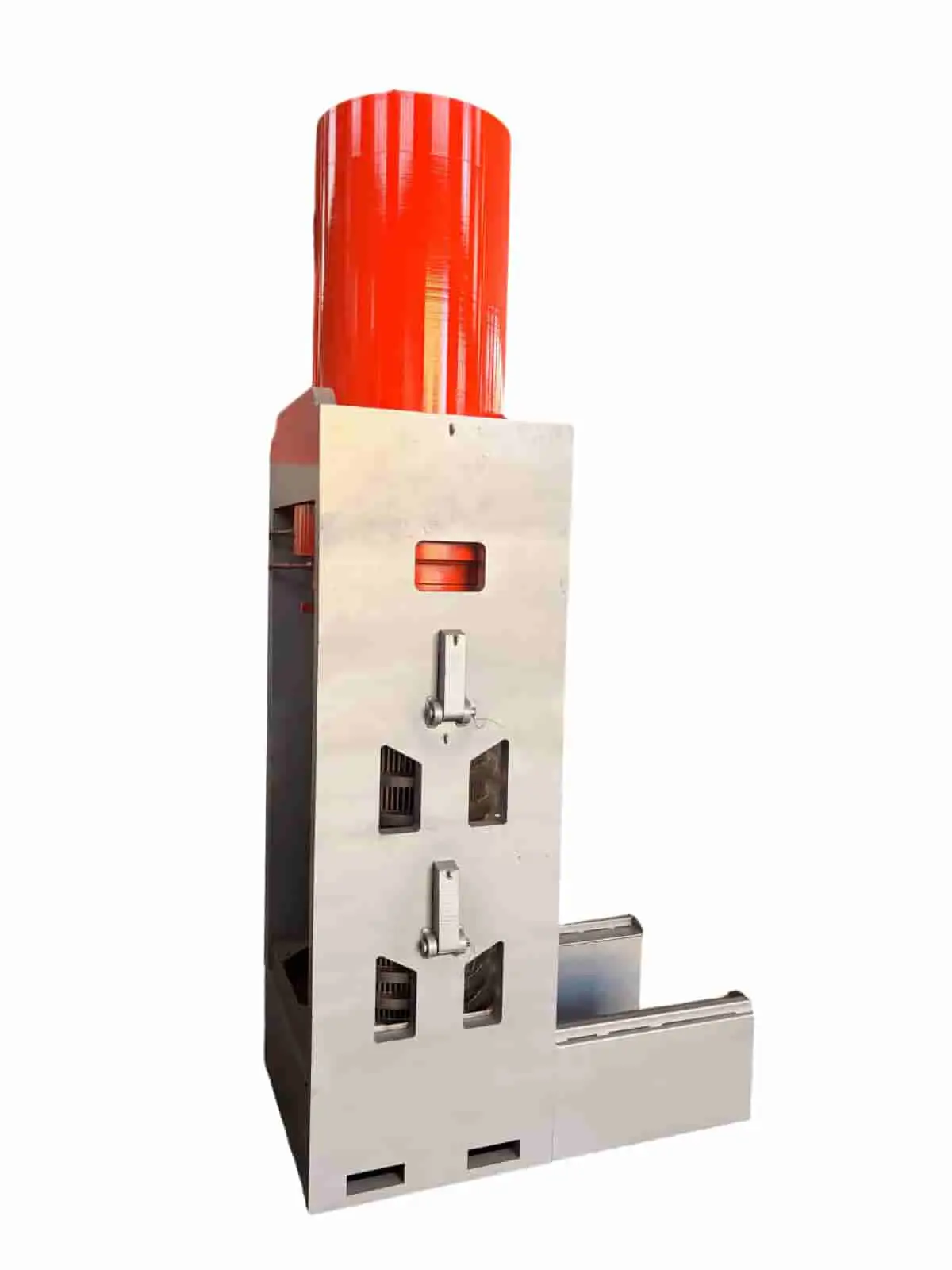
- Separator plates — our presses use carbon-steel separator plates between cake layers. If they are scored, bent or out of flat, pressure spreads unevenly and oil is left behind. Inspect and re-flatten or replace as needed.
Then check working pressure
Only after material and process check out should you suspect the machine is not reaching full pressure. Read this off the gauges — and this is exactly why our presses carry two.
| What you see | Likely cause | What to do |
|---|---|---|
| Both gauges read low | Worn cylinder seals or tired hydraulic oil | Inspect/replace the seal kit; change oil + filter if overdue |
| The two gauges disagree | A sticking gauge, or the relief valve not holding pressure | Cross-check and replace the faulty gauge; check the high/low-pressure relief valve relieves at the right setting |
| Pressure builds then bleeds off | High/low-pressure relief valve or seals passing | Check the mechanical relief valve setting; inspect seals for leak-by |
| Oil weeping around the ram | Cylinder seals worn | Replace the seal kit |
The check order, at a glance
Work down this list and stop at the first thing that is off. Going in order keeps you from replacing parts to fix what was really a wet batch or a short hold time.
- 1. Material — moisture, particle size, heat (hot press), seed source
- 2. Process — hold time, barrel charge, separator plate condition
- 3. Pressure — both gauges reading full and in agreement
- 4. Parts — cylinder seals, hydraulic oil + filter, relief valve setting
Most of the time the answer is in the first two steps and costs nothing. If you have worked down to parts, keep a cylinder seal kit and a filter element on the shelf so the fix is a planned half-day, not days of downtime.
Tell us your model and what changed — the seed, the cake, the gauge readings — and we will help you pinpoint the cause and send the right spare part if one is needed.
Related Reads
- Hydraulic Oil Press Wear Parts & Maintenance Schedule: What to Stock and When to Replace
- How to Read Oil Press Pressure Specs: MPa, Tonnage & Cake Surface Pressure
- Filtering Pressed Oil: How to Choose Oil Filtration Equipment for Your Press
- Hydraulic Oil Press Machine 300 & 325: The Hot-Press Workhorse Models Explained
FAQ
My yield dropped suddenly. What is the most likely cause?
A material or process change, not the machine. Check seed moisture, particle size, hot-press temperature and your pressing hold time first — these explain most sudden drops and cost nothing to correct.
How do I know if the press is not reaching full pressure?
Read the two gauges. If both read low, suspect worn cylinder seals or tired hydraulic oil. If they disagree, you likely have a sticking gauge or a relief valve not holding. Equal needles at the normal reading mean pressure is fine and the problem is elsewhere.
Can worn separator plates lower yield?
Yes. The carbon-steel separator plates between cake layers must stay flat and unscored so pressure spreads evenly. Bent or scored plates leave oil in the cake. Inspect them and re-flatten or replace as needed.
Does old hydraulic oil reduce oil yield?
It can. Degraded oil and a clogged filter lower the pressure the cylinder can reach, which leaves oil in the cake. If the oil change is overdue, change it along with the filter element before chasing other causes.
When should I replace the cylinder seals?
When pressure has drifted below where it used to sit, or you see oil weeping around the ram. Seals are an inexpensive wear part; keeping a kit on the shelf turns this into a planned half-day job.
Project planning
Configure the right oil press and production line
Send your oilseed, target output, bottle or packaging requirements, power supply, and destination country. We will match the machine, supporting equipment, and line layout.